




18th Century Portrait Miniature
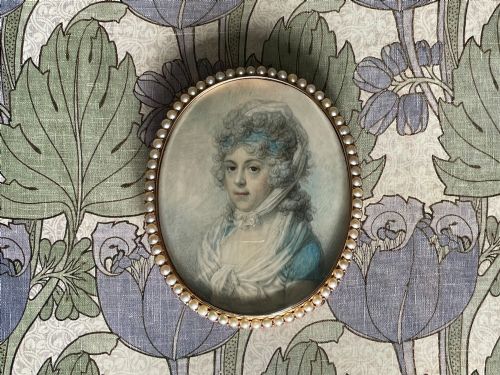
These 18th century portrait miniature works capture likenesses in miniature, offering an intimate glimpse into Georgian society.
What They Are
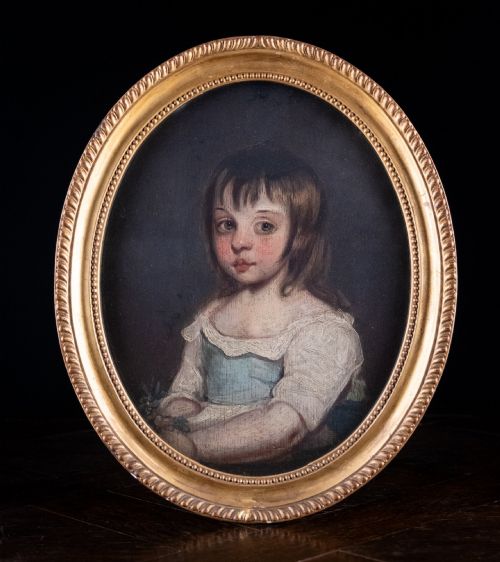
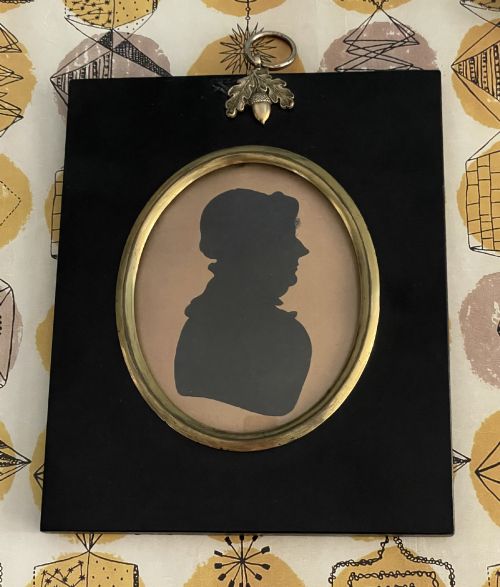
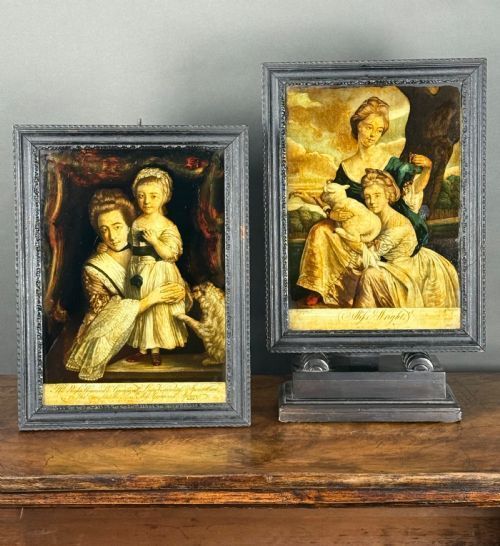
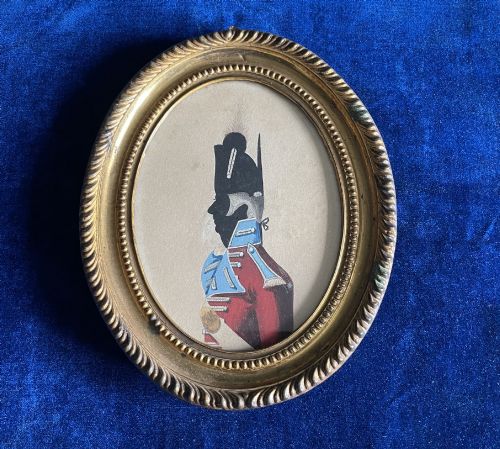
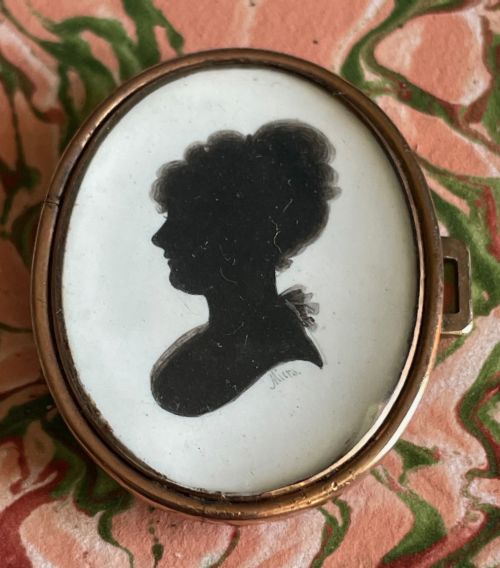
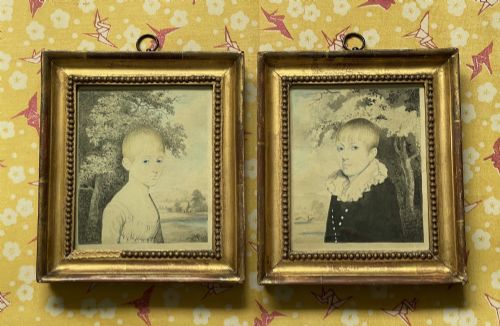
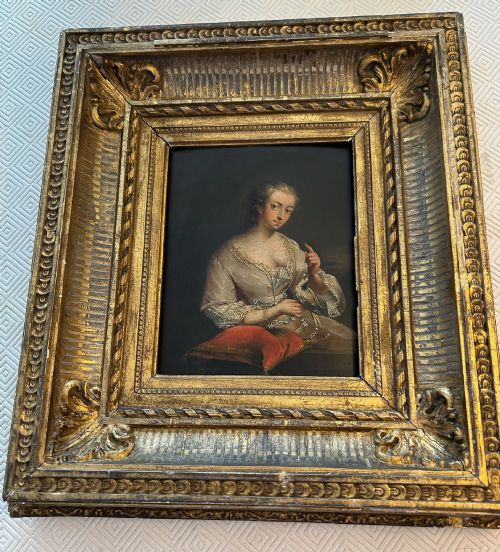
The selection here encompasses individual portraits, pairs of married couples, and quartet drawings housed in frames of gilt metal, gold, ebony, or Florentine style. Subjects range from oil paintings on canvas or panel to pastel silhouettes and delicate ink works.
Most examples originate from the Georgian period around the mid to late 18th century, reflecting the prevailing portraiture conventions of British, Danish, and Dutch schools. Buyers encounter both signed cabinet pieces by known practitioners and accomplished works by regional hands.
How They Were Made
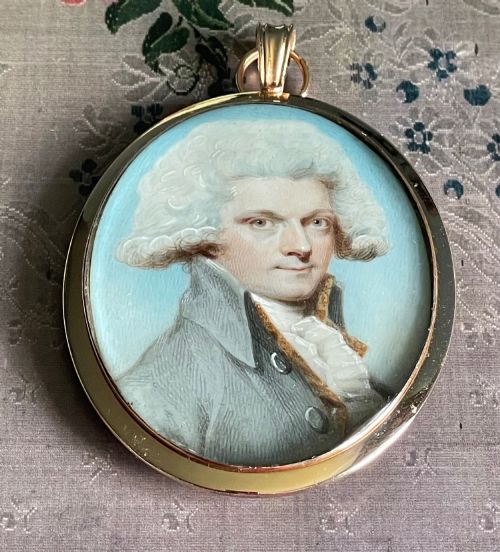
Artists painted these subjects using watercolour and enamel paint upon thin sheets of ivory, porcelain, or paper. Others employed pen and ink, pastel, or oil paint to build the likeness within confined dimensions.
Makers housed the finished works in protective enclosures utilising glass panels backed by precious or base metals including gold and gilt metal, alongside carved ebony and specialised frames. Cobalt blue enamel often augmented the reverse designs of these protective settings.
Retail Price Guide 2026
Typical UK retail prices for 18th century portrait miniature, calculated from the Sellingantiques database of over a million retail prices indexed since 2003. This retail price guide relies exclusively on Sellingantiques data; no external sources or auction records are used, so the figures do not describe the wider market.
Certain portraits preserve the grey wigs and lace collars of sitters who sat patiently while artists peered through magnifying lenses.
What Varies in Quality
The distinction between standard and superior pieces rests on the precision of the brushwork and the psychological depth captured in the subject's expression. Master practitioners rendered lace, hair, and costume with acute botanical and textural clarity.
Materials dictate the upper tier of the range, with gold housings, signed inscriptions, and original Florentine frames elevating the historical weight of the object. Condition of the delicate ivory or watercolour surface remains central to the evaluation of the piece.
William Naish·Christian Friedrich Zincke·George Engleheart·John Inigo Wright·Nathaniel Bermingham·Francis Alleyne·William Frederick·Samuel Collins
The 18th Century Portrait Miniature Glossary
- Miniature
- A small-scale portrait painting produced during the 18th century. These works were intended to be carried on the person or displayed in small cabinet spaces.
- Ivory
- A smooth organic material utilised as a painting surface for watercolour miniatures. Its natural luminosity lent a warm glow to human skin tones.
- Gilt metal
- A base metal treated with a thin layer of gold to simulate solid precious metal frames. It provided durable protection for delicate glass fronts.
- Silhouette
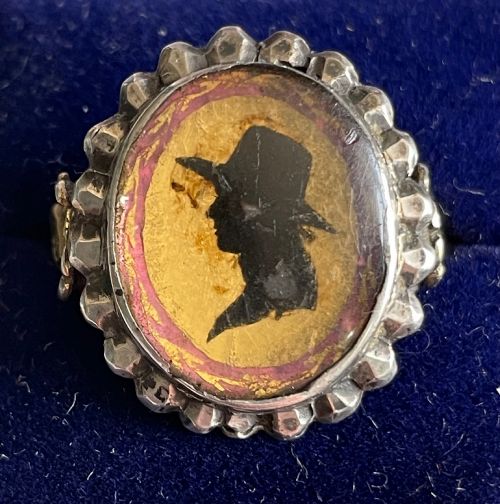
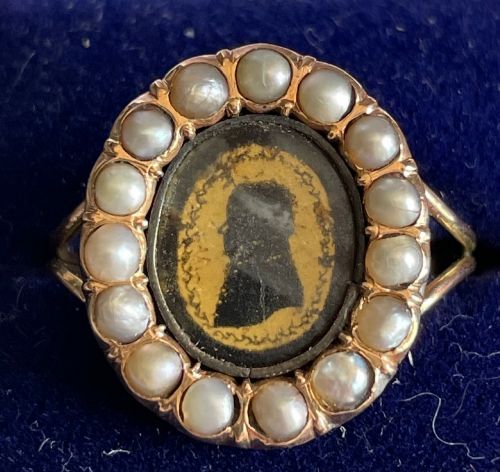
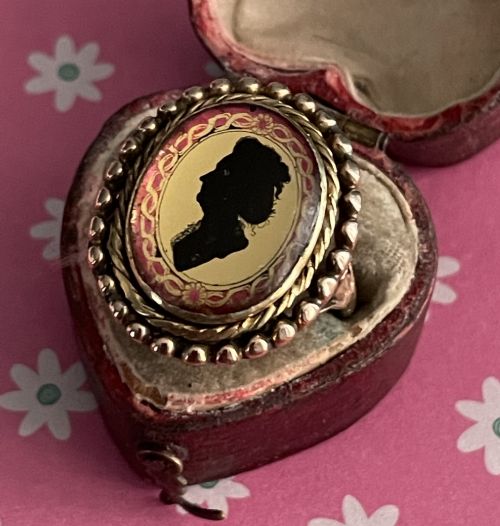
- A dark profile portrait cut from paper or painted against a contrasting ground. This style offered a distinct alternative to polychrome painted likenesses.
- Enamel paint
- A glossy, vitrified pigment fused to a metal or porcelain base by heat. This technique ensured permanent colour fidelity over centuries.
Frequently Asked Questions
How were portrait miniatures worn?
Many of these small works were fitted with loops or worn inside lockets close to the heart. They served as tokens of affection or remembrance among family members.
Others remained as cabinet pieces displayed on desks or mounted directly into wall frames for domestic interiors.
Who painted these miniature portraits?
Both professional portraitists and specialised miniaturists produced these works, sometimes signing the reverse or the edge of the composition. Regional British schools alongside Danish and Dutch practitioners contributed distinct regional styles.
Many examples remain unattributed to a specific hand, recorded simply by school or period.
What materials are typical?
Watercolour on ivory and enamel on porcelain form the primary mediums for the painted portraits. Paper, pastel, and ink also appear in specific framed works and quartet drawings.
Frames incorporate gold, gilt metal, mother-of-pearl, ebony, and glass to safeguard the delicate interior artwork.