



Victorian Portrait of Lady
A victorian portrait of lady brings the direct, unblinking gaze of nineteenth-century society into a modern room.
Victorian Portrait of Lady
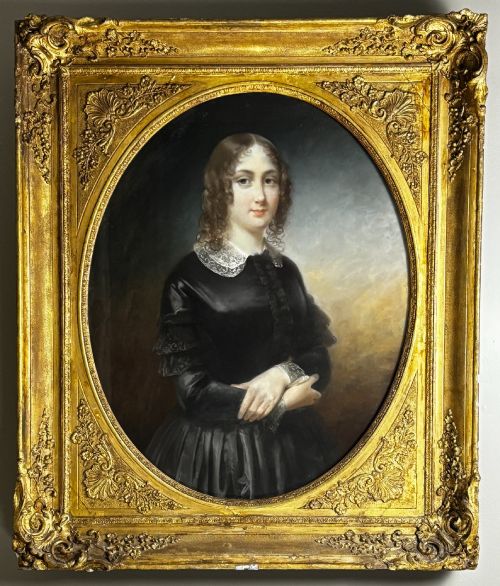
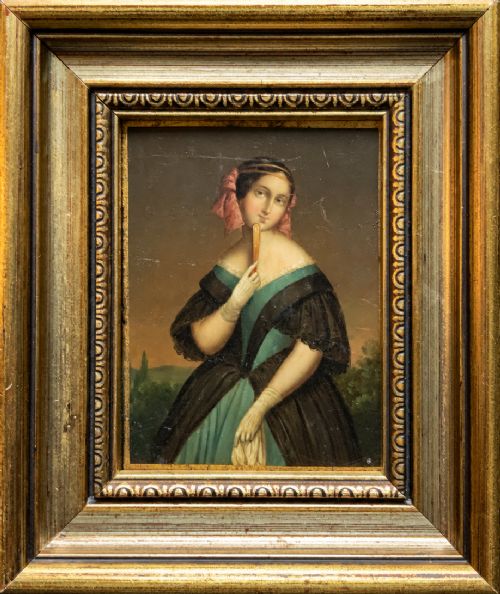
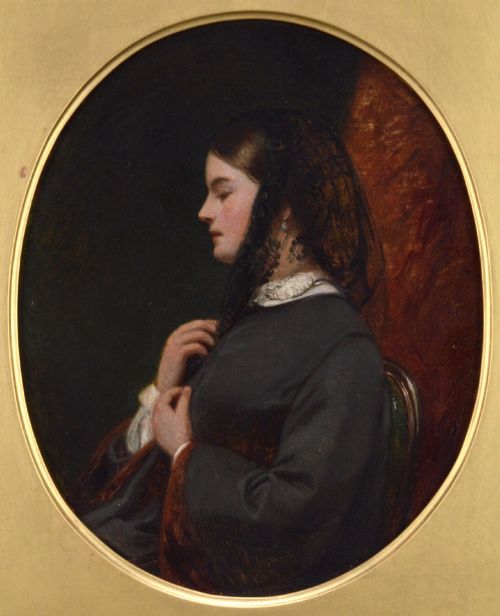
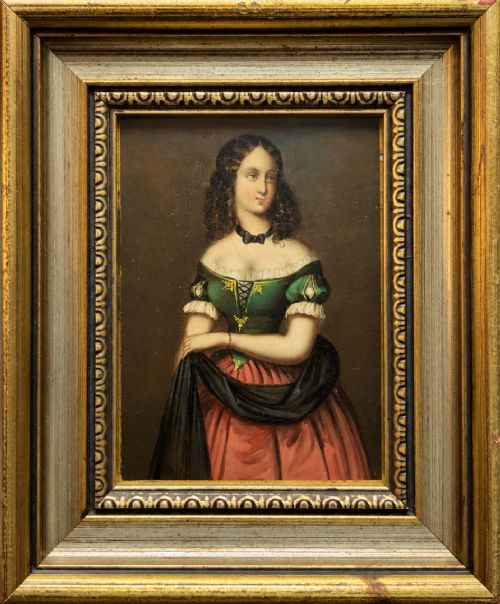
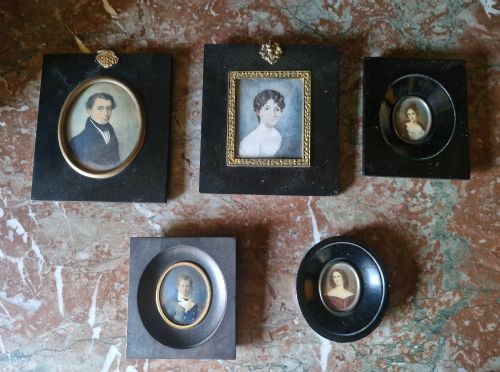
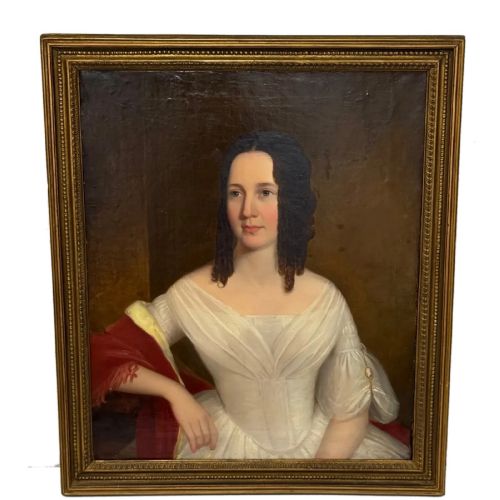
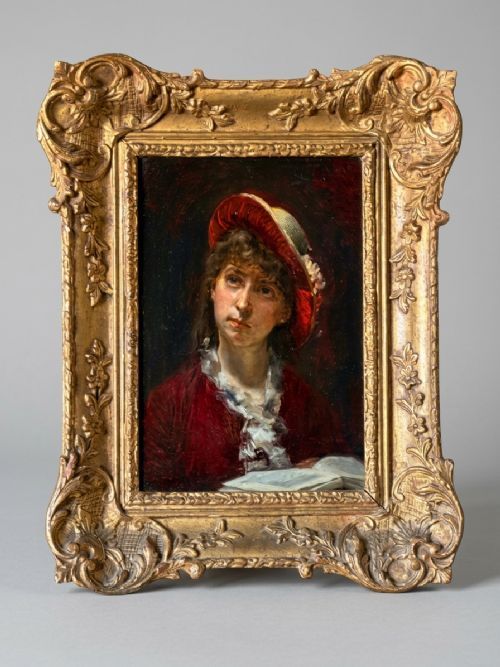
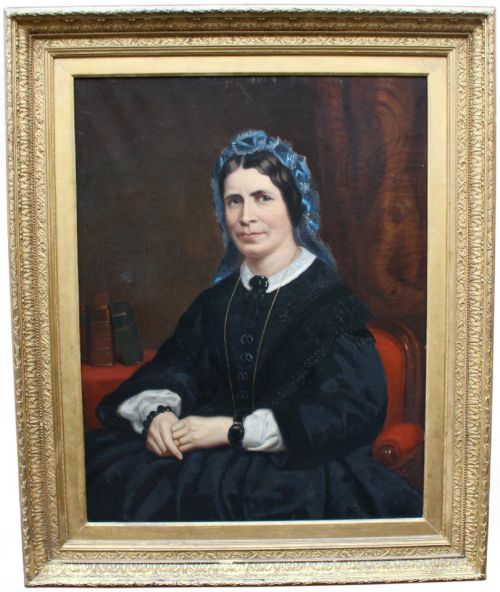
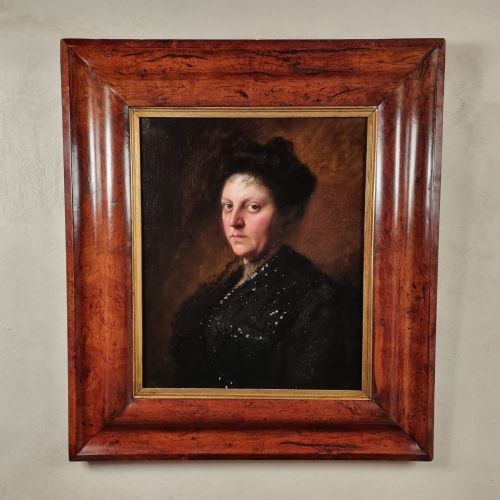
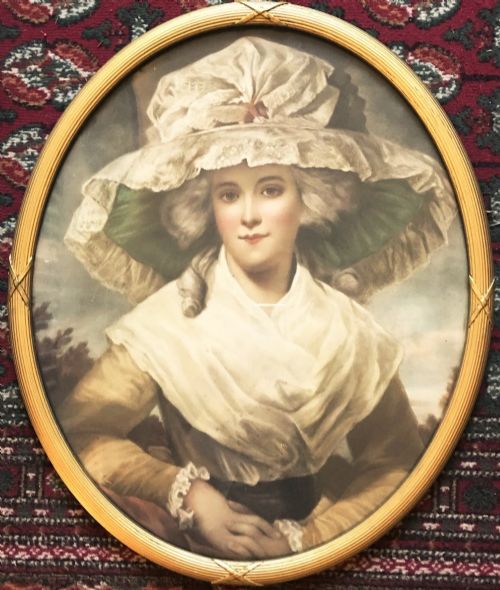
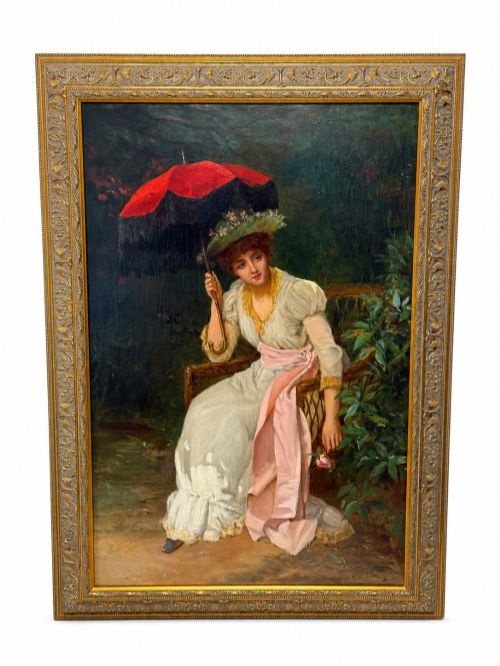
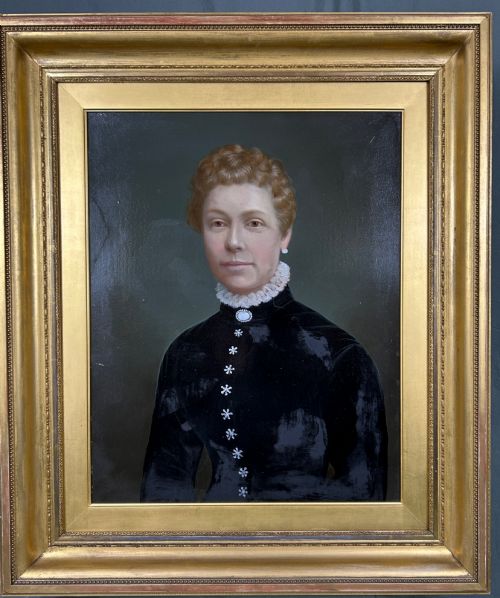
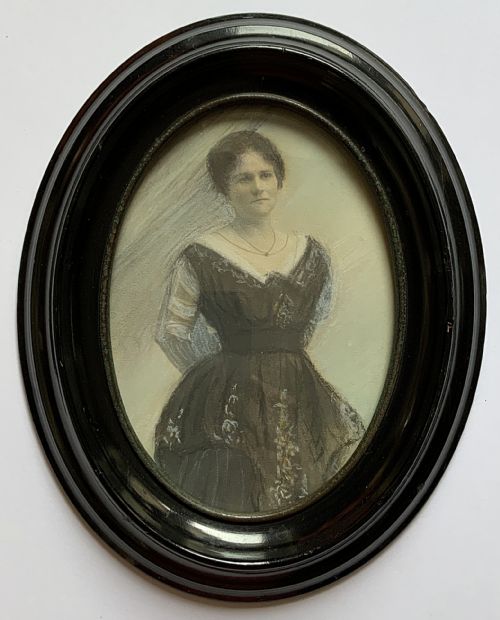
When you search for a victorian portrait of lady, you encounter painted and drawn likenesses spanning the nineteenth century, capturing sitters from high society and modest backgrounds alike. The pieces range from grand, gilt-framed oil paintings on canvas to intimate watercolour miniatures and pencil drawings.
You are most likely to meet mid-period oil paintings on canvas or wood panel, often housed in their original heavy frames. These works frequently depict individual women in formal dress, holding personal items such as books, parasols, or floral arrangements.
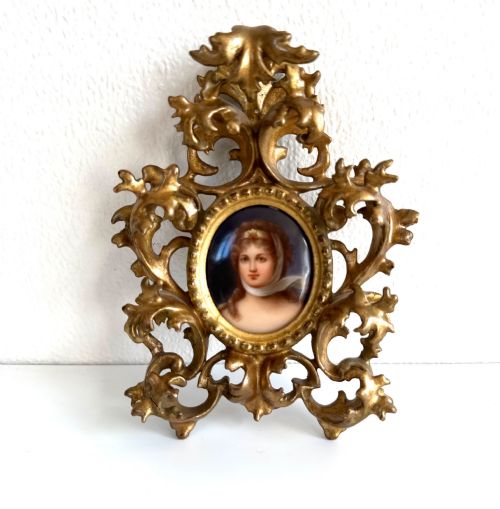
Beyond standard oils and watercolours, the category encompasses diverse media including ceramic tiles, carved shell cameos, marble busts, and early photographic formats like ambrotypes. Each format preserves an individual likeness using the prevailing visual language of its decade.
Materials and Technique
The foundation of the larger works relies on oil paint applied to stretched canvas, wooden panels, or zinc sheets, allowing artists to build rich layers of colour and shadow. Watercolour and gouache on paper serve for smaller, highly detailed compositions, often finished with protective glass and housed in maple or ebonised wood frames.
Sculptural likenesses utilise materials like Carrara marble, alabaster, and carved shell to create three-dimensional cameos and busts. Supporting elements feature traditional joinery in giltwood, ebonised wood, and brass for frames, alongside original backing boards secured with old fixings.
Victorian Portrait of Lady Retail Price Guide 2026
Typical asking prices for victorian portrait of lady among the pieces listed under this phrase on Sellingantiques today, from the lower quarter to the upper quarter. They describe what is for sale here now, not the wider market.
Several portraits quietly include beloved family pets, preserving the watchful gaze of Victorian spaniels alongside their owners.
Variations in Quality
The distinction between standard works and master-level pieces rests in the handling of facial expression, lighting, and anatomy. Superior examples demonstrate a confident mastery of brushwork and proportion, capturing the individual psychology of the sitter rather than relying on formulaic studio conventions.
Framing and preservation significantly influence the standing of a piece. Original period frames matching the exact age of the artwork, combined with untouched canvases and documented provenance linking the sitter to a known historical context, elevate the overall integrity of the object.
John Maler Collier·William Oliver·Thomas Edward Roberts·William Henry Knight·Louis William Desanges·Robert Faulkner
The Victorian Portrait of Lady Glossary
- Canvas
- A heavy woven fabric stretched across a wooden frame to serve as a primary support for oil paintings.
- Giltwood
- Wood carved and coated with a thin layer of gold leaf or gold paint, standard for ornate Victorian picture frames.
- Miniature
- A small-scale portrait, frequently painted on ivory, paper, or card, designed for intimate viewing or personal carriage.
- Provenance
- The documented history of ownership that traces a piece from its creation to the present day.
- Ambrotype
- An early photographic image on glass produced on a prepared glass plate, popular during the mid-nineteenth century.
Victorian Portrait of Lady: Frequently Asked Questions
What periods do these portraits cover?
The works primarily date from the nineteenth century, encompassing the Victorian era alongside pieces from the late Georgian and early Edwardian periods. Stylistic shifts reflect broader artistic movements from academic realism to early romanticism.
Dates are often established through artist signatures, inscriptions on the reverse, or stylistic clues within the sitter's clothing and hairstyle.
How were these paintings originally displayed?
Large oil portraits were commissioned by families to hang in the principal reception rooms and galleries of substantial country houses and town residences. They served as visible markers of status, lineage, and personal achievement.
Smaller watercolours and miniatures were kept in private chambers, displayed on tabletops, or worn as personal jewellery in the case of cameos.
How do I identify the sitter?
Many pieces carry inscriptions on the reverse of the canvas, panel, or frame, sometimes detailing the name, birth and death dates, or familial relationships of the woman depicted. Archival records and exhibition labels occasionally provide further genealogical context.
Unidentified sitters remain common, representing a broader cross-section of nineteenth-century society whose specific names have been lost to time.
How should I care for an antique portrait?
Keep painted and paper works away from direct sunlight and high humidity to prevent the canvas from sagging or the paper from foxing. Maintain stable indoor temperatures to protect fragile wood panels and original gilt frames from warping or cracking.
Dust surfaces gently with a soft, dry brush and avoid liquid cleaners on aged paint layers or exposed paper.