
Floral Still Life
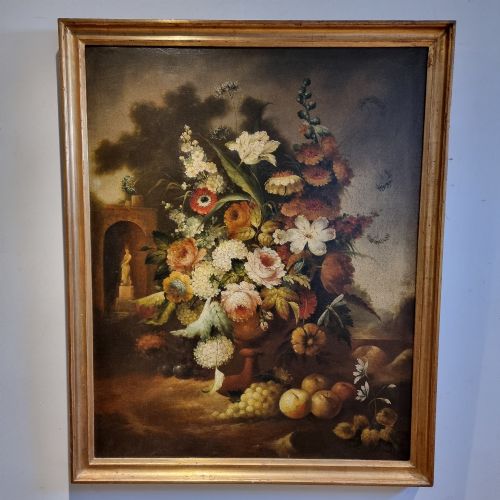
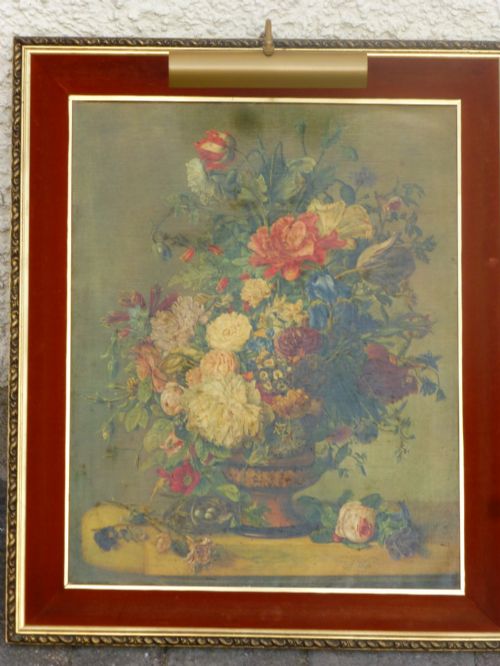
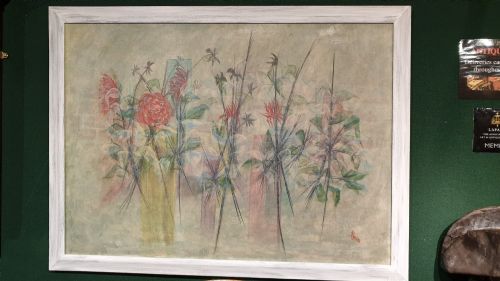
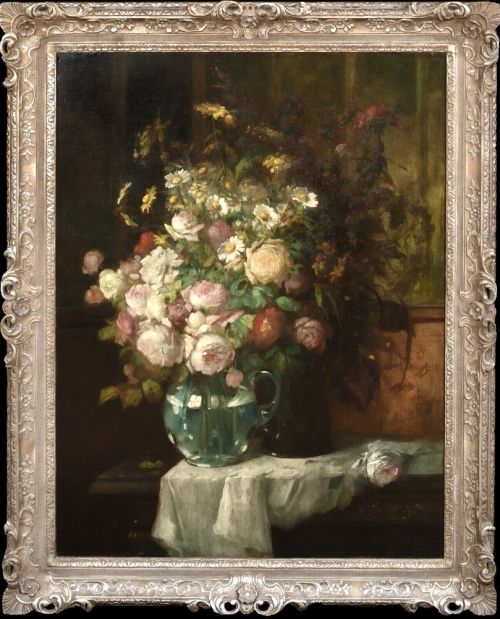
These floral still life paintings capture botanical forms in oil paint, offering enduring colour and composition for domestic interiors.
What the pieces are
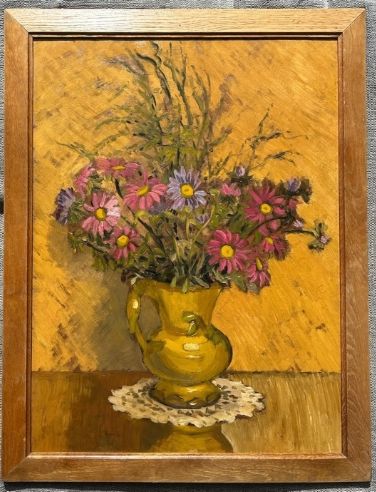
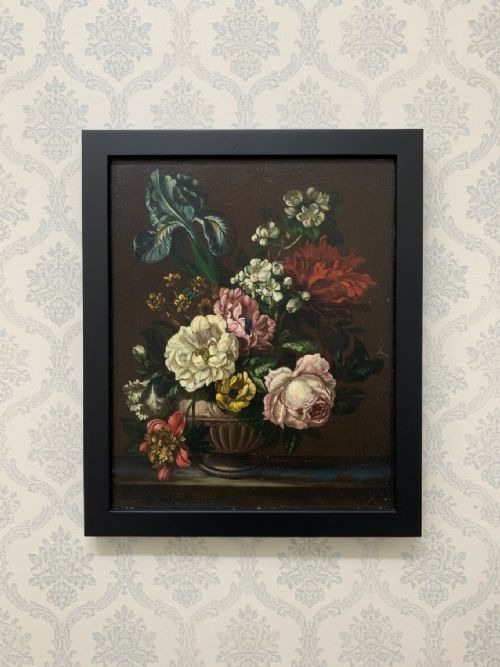
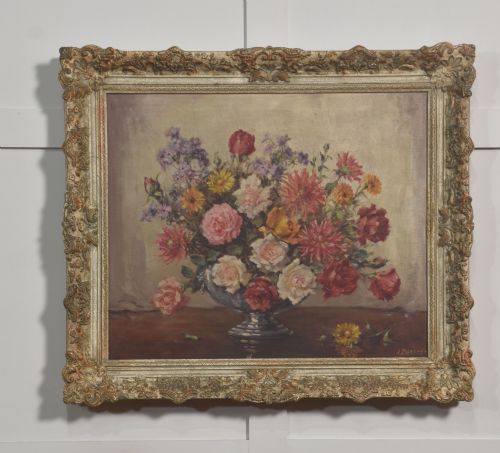
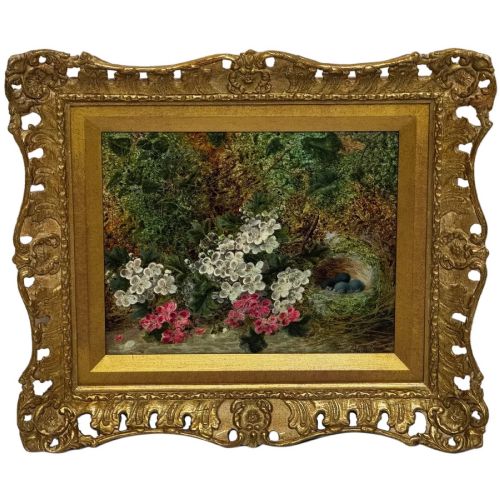
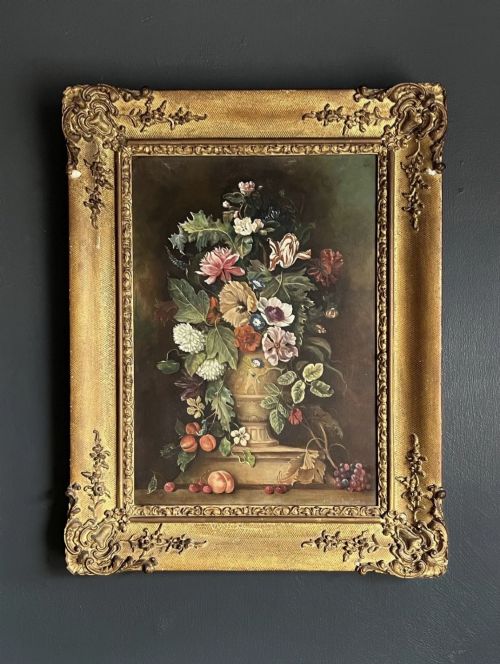
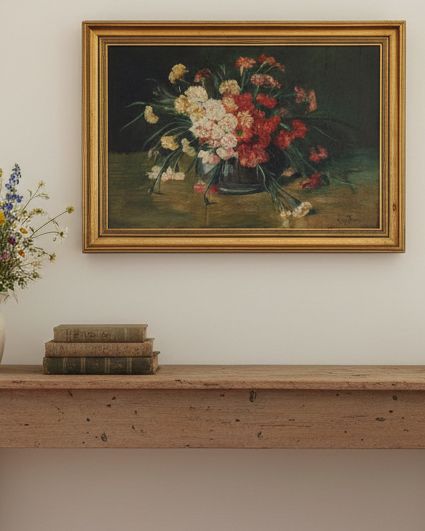
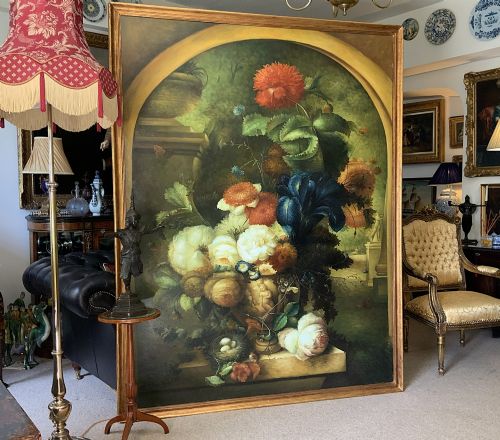
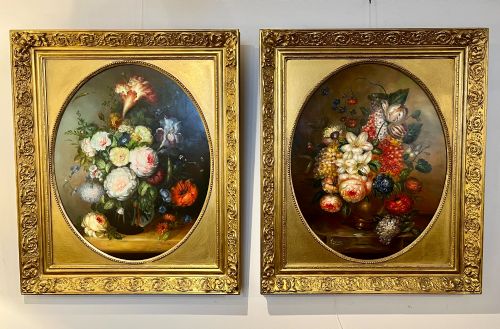
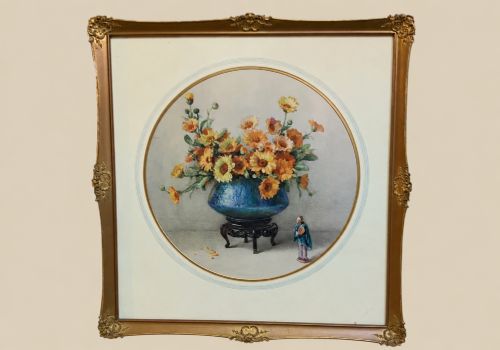
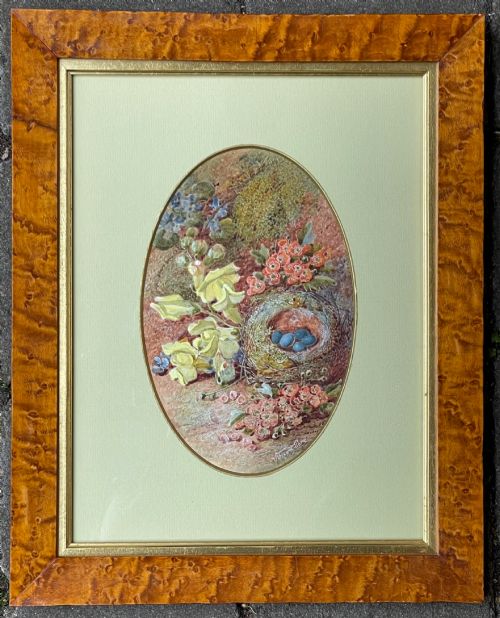
Floral still life works capture botanical subjects arranged in domestic vessels such as vases, bowls, and baskets, ranging from intimate studies to large compositions. The selections span the nineteenth century through the mid twentieth century, encompassing Victorian and Edwardian examples alongside post-impressionist and modernist interpretations. Buyers frequently encounter oil paintings executed on canvas, wood panels, canvas boards, and metal supports, often housed within period frames.
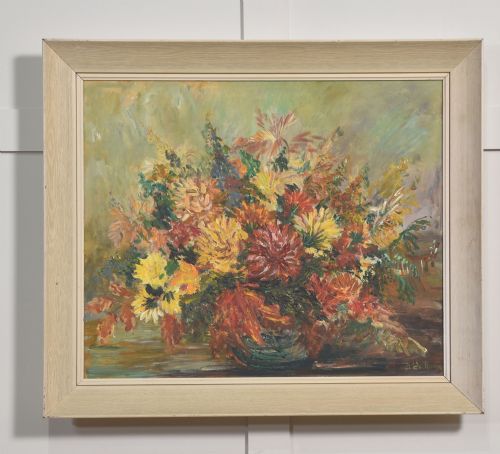
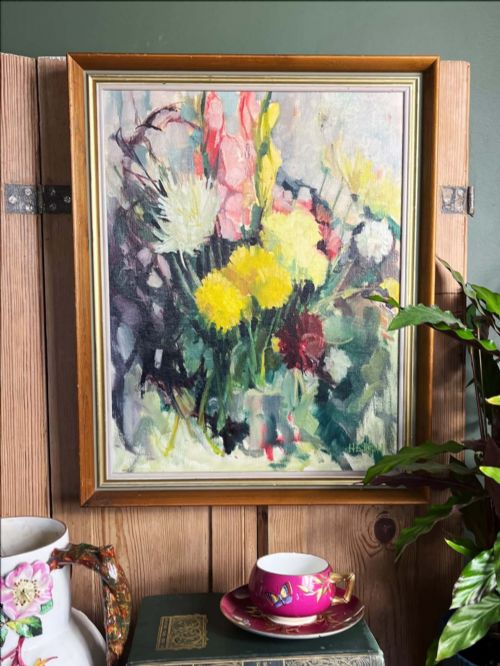
The tradition reflects various regional approaches, including British, French, Dutch, and Swiss executions from distinct stylistic periods. Pieces from the 1920s and 1930s frequently display art deco or pointillist influences, while mid-century examples lean towards expressive impasto or simplified abstraction. Works by named British and European artists appear alongside pieces from unrecorded hands working within established schools.
How they were made
Artists built these compositions primarily using oil paint applied to stretched canvas, wooden panels, card, or metal supports with brushes and palette knives. Ground layers and primed surfaces prepared the supports to receive oil pigment, sometimes complemented by visible impasto building texture in petals and leaves.
Completed works found housing in decorative surrounds, including giltwood frames, circular wooden frames, and period mouldings that complemented the painted imagery.
Retail Price Guide 2026
Typical UK retail prices for floral still life, calculated from the Sellingantiques database of over a million retail prices indexed since 2003. This retail price guide relies exclusively on Sellingantiques data; no external sources or auction records are used, so the figures do not describe the wider market.
One particularly enthusiastic twentieth-century canvas arrives accompanied by an alleged explosion of joy.
What varies in quality
The distinction between standard works and exceptional examples lies in the confidence of the brushwork and the structural rhythm of the composition. Superior pieces demonstrate deliberate handling of light across petals and vessels, creating spatial depth rather than flat illustration.
The harmony of the palette and the preservation of the original paint surface determine the visual impact of each painting. Period framing that complements the specific era of the artwork adds further integrity to the piece.
Gertrude Hayes·Winifred Turner·Freda Marston·Henry D'Arcy Hart·Julien Stappers·Pierre-Laurent Baeschlin·Albert E Jackson·Louise Perman·Nicolas Issaiev·Cecil Kennedy·Isabelle Cohen·Jan van Kessel the Elder·Tamara Baussan·H C Mellor·Maurice Decamps·W E Littlewood·Eva Francis
The Floral Still Life Glossary
- Impasto
- Paint applied thickly to a canvas or panel, leaving visible brush or palette knife marks that stand proud of the surface. This technique adds tactile dimension and captures light dynamically across floral arrangements.
- Pointillism
- A technique of painting where small, distinct dots of pure colour are applied in patterns to form an image. Optical mixing occurs when the viewer's eye blends the hues from a distance.
- Giltwood
- Wood that has been coated with gold leaf or gold paint, frequently utilised for decorative antique frames. Such surrounds often bear the patination of age.
- Jardiniere
- An ornamental pot or stand designed to hold plants or cut flowers, commonly depicted as the central vessel in botanical compositions. These containers reflect the interior design tastes of their period.
- Panel
- A rigid support for painting, typically made of wood, metal, or dense card rather than woven fabric. Artists often favoured these for smaller, detailed botanical studies.
Frequently Asked Questions
How do I hang a heavy oil painting?
Secure fixings directly into wall studs or utilise appropriate cavity wall anchors rated for the weight of the frame and canvas. Ensure the picture wire or D-rings are robust and securely fastened to the wooden stretcher or frame.
Position the centre of the canvas at eye level to achieve the correct visual balance within the room. Consider the lighting in the space to avoid excessive glare on the varnished surface.
Can I place oil paintings in direct sunlight?
Direct sunlight causes gradual fading in organic pigments and can accelerate the drying and cracking of older oil paint and varnish layers. Position works away from south-facing windows or harsh, unfiltered solar rays.
Utilising UV-filtering glass or placing the painting on an interior wall protects the pigments over time. Consistent indoor temperatures further prevent expansion and contraction of the canvas or panel.
What is the difference between canvas and board?
Canvas consists of woven fabric stretched over a wooden frame, offering slight give and a textured surface receptive to various brush techniques. Board provides a rigid, inflexible support such as wood, millboard, or metal.
Boards generally require less maintenance regarding tension adjustment over the decades. Both supports have sustained floral still life painting traditions across different centuries.