
Antique Floral Canvas
An antique floral canvas brings historical botanical studies and vibrant still life compositions into interiors through oil paint and textile supports.
Antique Floral Canvas
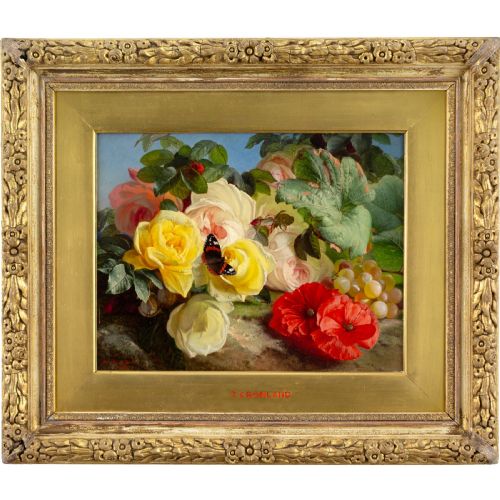
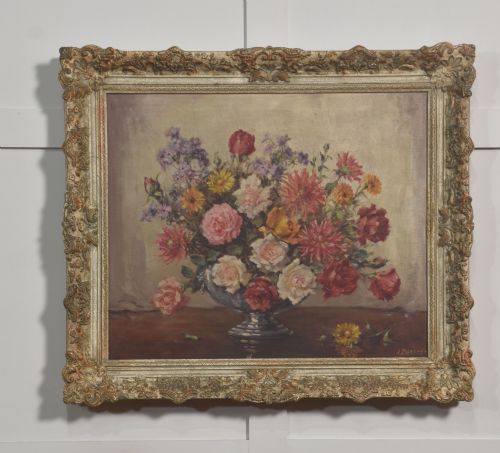
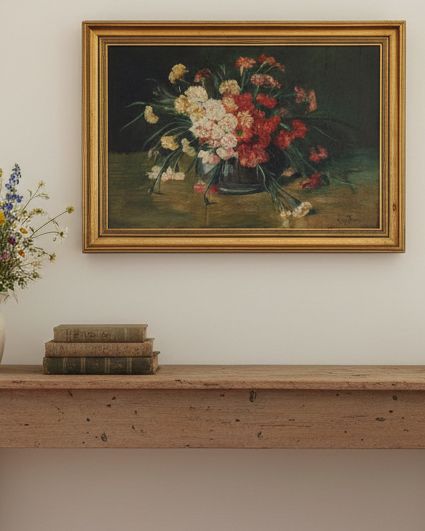
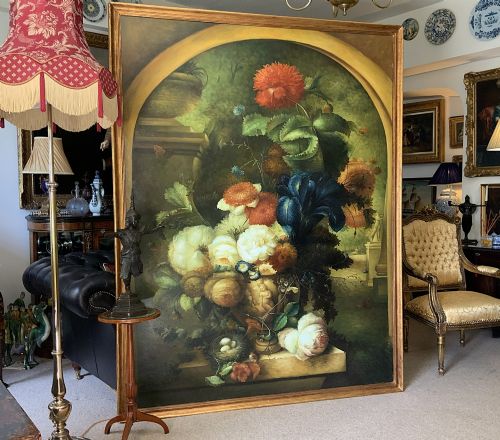
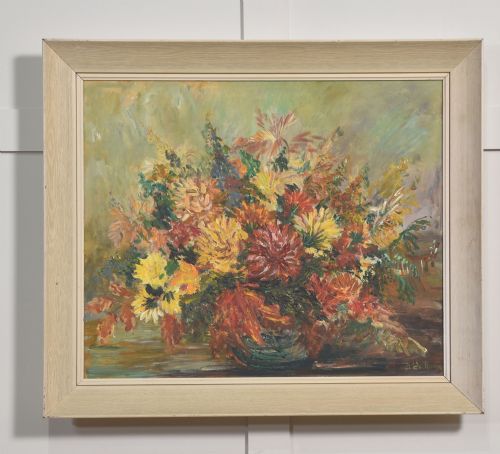
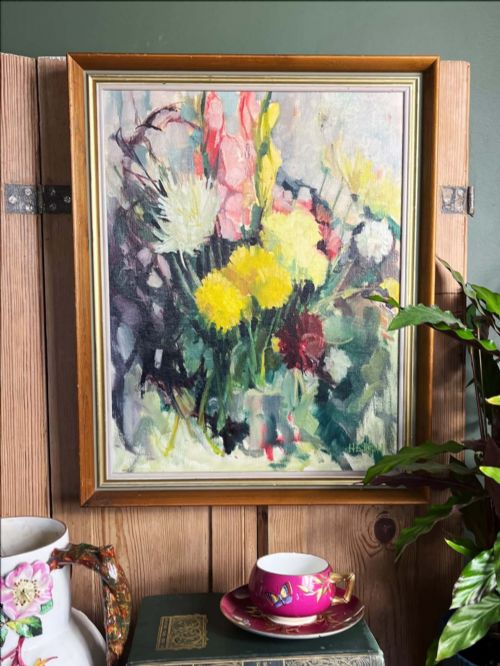
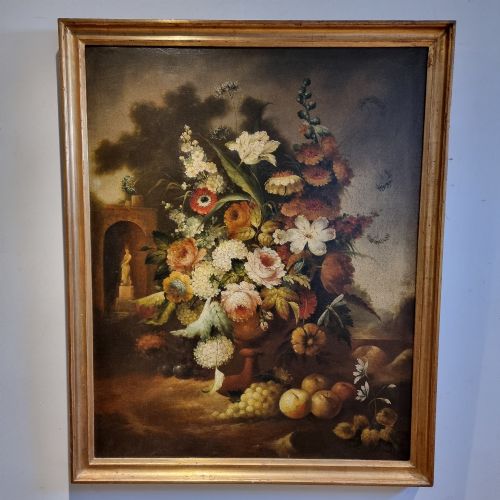
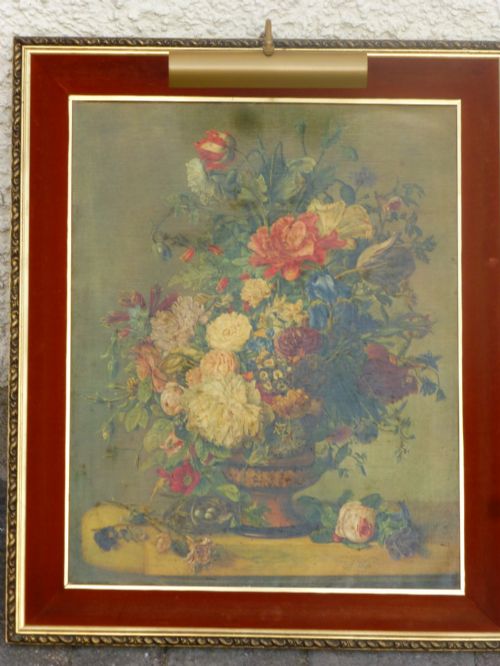
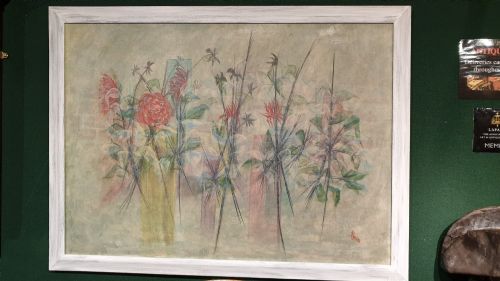
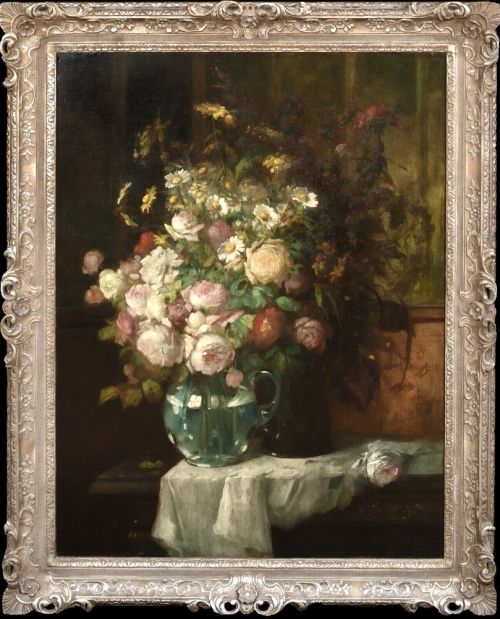
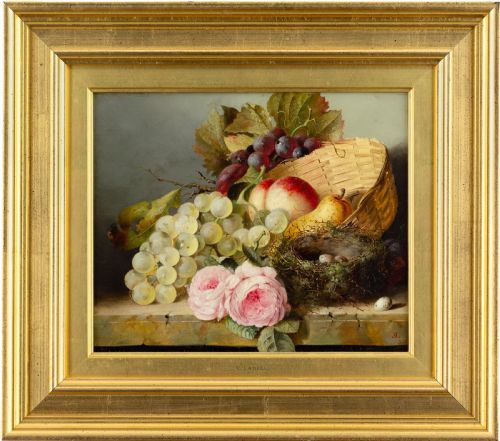
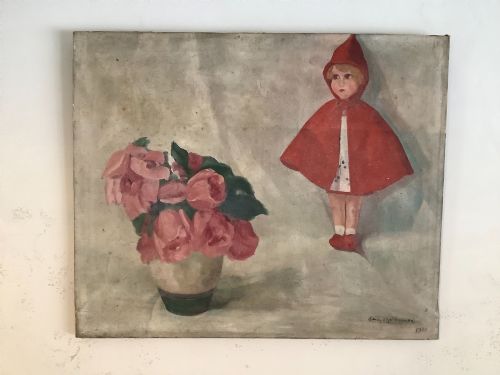
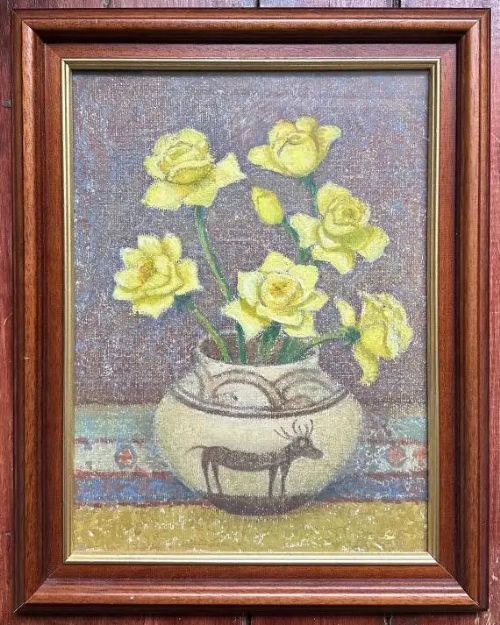
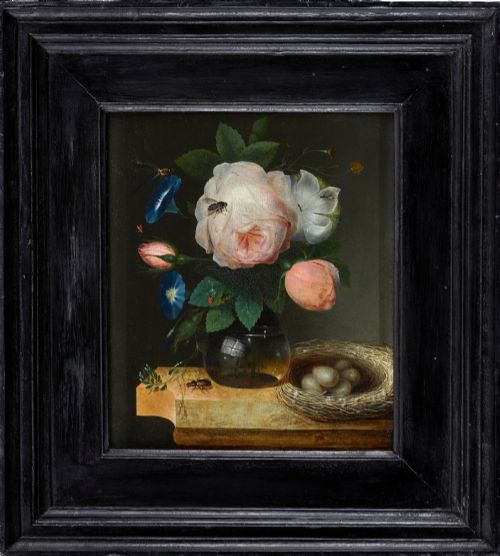
When searching for an antique floral canvas, buyers encounter a diverse selection of oil paintings and painted folding screens spanning multiple centuries. The most common pieces on this page are oil paintings on canvas depicting still lifes of roses, carnations, and mixed seasonal bouquets.
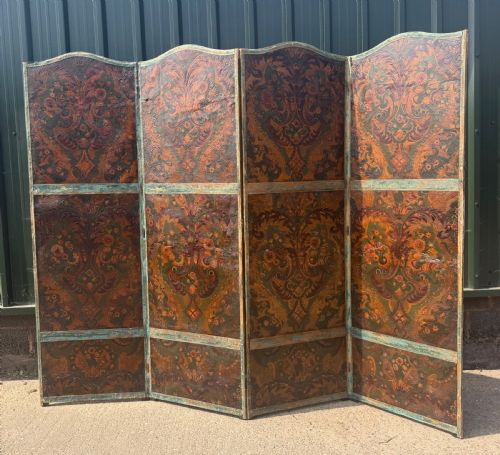
Works range from intimate nineteenth-century studies to monumental twentieth-century Dutch style floral still life oil paintings. Alongside framed wall art, the selection includes polychrome decorated canvas room dividers executed in styles echoing earlier centuries.
Origins stretch across Britain, France, Belgium, Austria, and the Netherlands, taking shape as fine art paintings, portraits featuring botanical elements, and pastoral landscapes.
Materials and execution
These works rely primarily on oil paint applied to woven canvas supports stretched over wooden frames. Pigments capture the varied tones of floral petals, foliage, and urns.
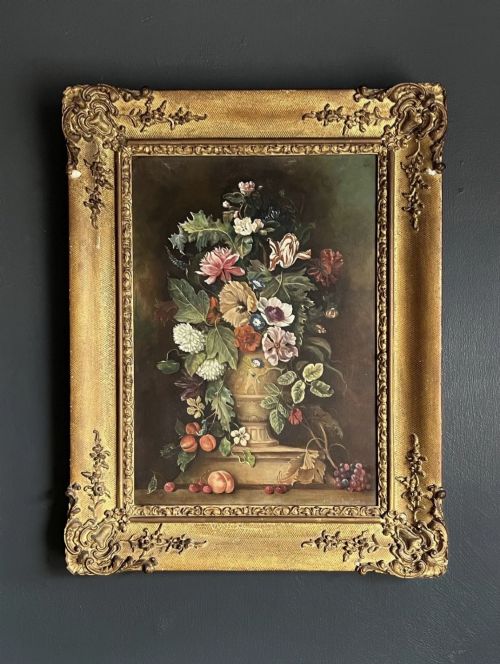
Many paintings are housed within gilt gesso frames or carved wooden mouldings that complement the richness of the imagery. Larger room dividers utilise multi-fold wooden panels covered in painted canvas.
Listings feature works spanning from the seventeenth century through to the mid-twentieth century, employing oil paint on canvas.
Distinguishing quality
Quality rests in the precision of the brushwork and the structural integrity of the canvas and its wooden support. Mastery in handling light, shadow, and botanical detail elevates certain pieces above standard decorative works.
The refinement of the surrounding frame, whether an original gilt gesso moulding or a period carved wood setting, contributes significantly to the standing of the artwork.
Theude Grönland·Edward Ladell·Gaspar Peeter Verbruggen·Edwin Steele·William Thomas Wood·Owen Bowen·Konstantin Stoitzner·Victor Simonin·Gertrude Hayes·Simon Pietersz Verelst·Thomas Bromley Blacklock·Florence Hess·Ernest Higgins Rigg·Marthe Barbaud-Koch
The Antique Floral Canvas Glossary
- Canvas
- A durable plain-woven fabric used as a surface for oil painting. It is typically stretched tightly over a wooden strainer or stretcher frame before application.
- Gesso
- A plaster-like mixture applied to wooden frames as a base for gilding. It provides a smooth white surface that accepts gold leaf.
- Gilded Wood
- Wood treated with a thin layer of gold leaf or metallic powder applied over a prepared base. This technique creates a luminous metallic finish standard on period frames.
- Still Life
- A painting genre focused primarily on inanimate everyday objects, notably cut flowers, baskets of fruit, and glassware. These compositions often symbolise transience and natural abundance.
- Impressionism
- An art style characterised by relatively small, thin yet visible brush strokes and an emphasis on accurate depiction of light. Works in this manner often capture outdoor scenes and loose floral arrangements.
Antique Floral Canvas: Frequently Asked Questions
What subjects appear on these canvases?
The subjects focus heavily on botanical arrangements, including roses, peonies, poppies, and mixed seasonal flowers placed in vases, baskets, or urns. Additional compositions incorporate fruit, birds, and garden landscapes.
Some pieces extend the floral theme into portraits featuring flowers or multi-fold painted room dividers designed for domestic partition.
Where did these artworks originate?
The pieces originate from workshops and studios across Europe, with strong representation from British, French, Dutch, Belgian, and Austrian artists. Styles frequently reference Flemish Baroque traditions or nineteenth-century Impressionism.
Regional influences shape the handling of colour, light, and composition across different periods.
How do styles differ across periods?
Earlier periods often reflect the meticulous detail of Dutch Golden Age and Flemish Baroque traditions, focusing on rich floral displays. Later nineteenth and twentieth-century works embrace Impressionist and Post-Impressionist techniques with looser brushwork.
Decorators also produced revival pieces drawing on eighteenth-century aesthetics for country house interiors.