
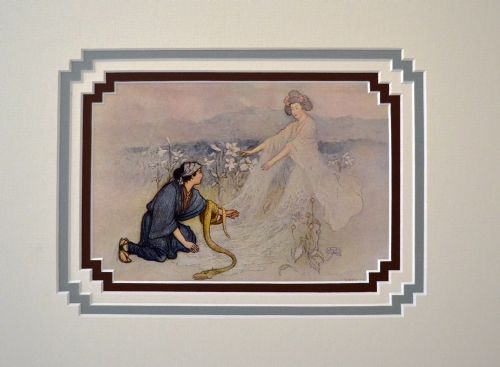


Cream Paper Watercolour
Cream paper watercolour works bring together delicate pigments and aged supports, offering collectors intimate glimpses into past centuries.
Cream Paper Watercolour
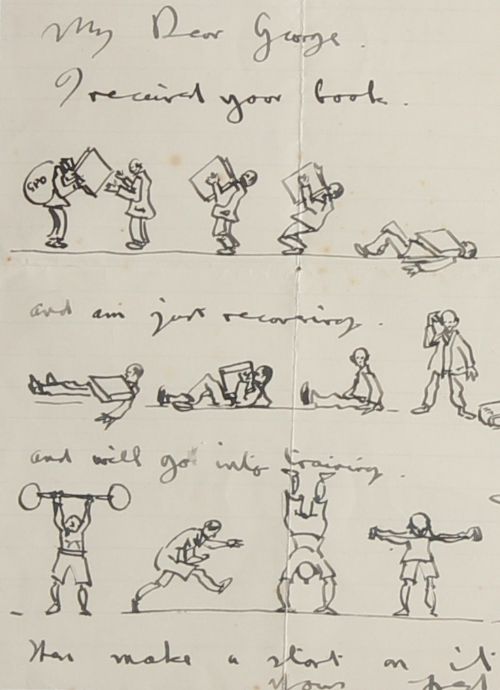
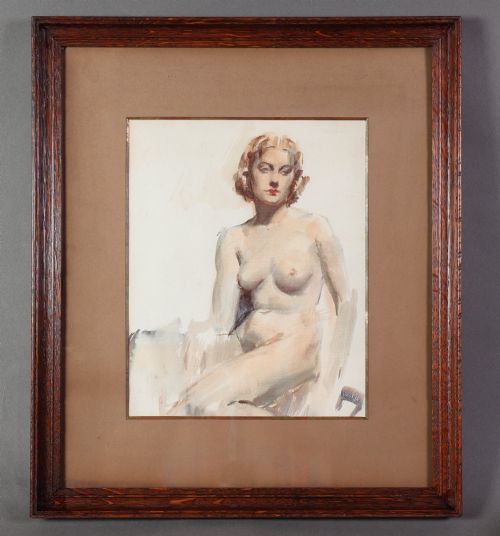
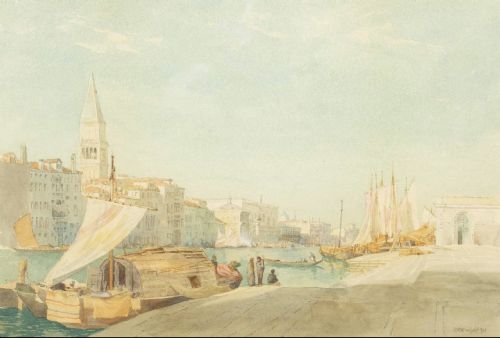
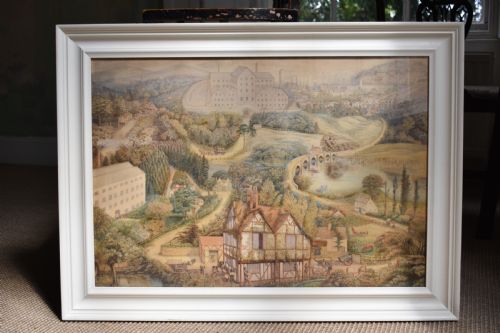
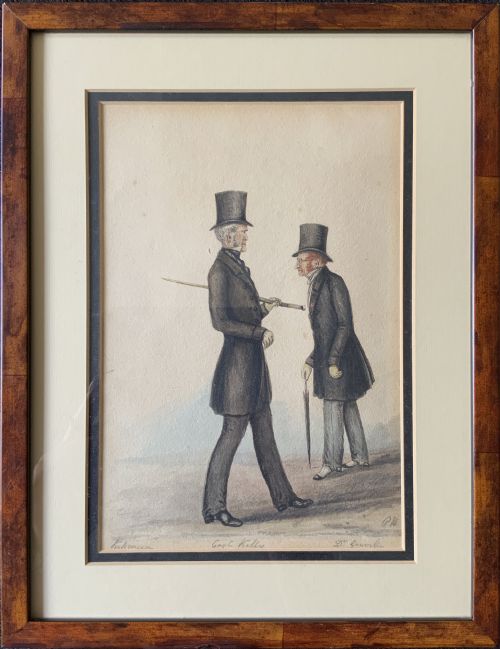
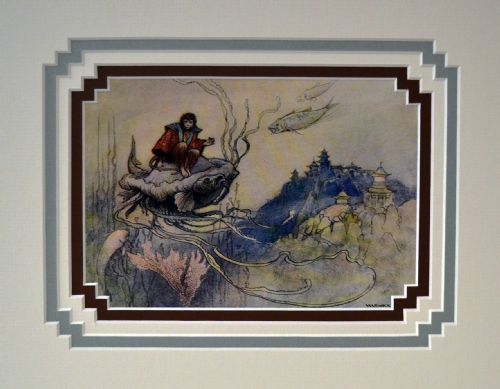
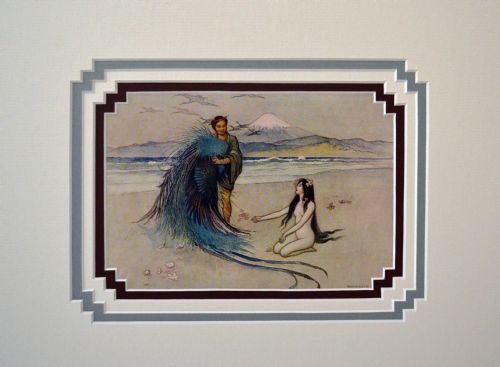
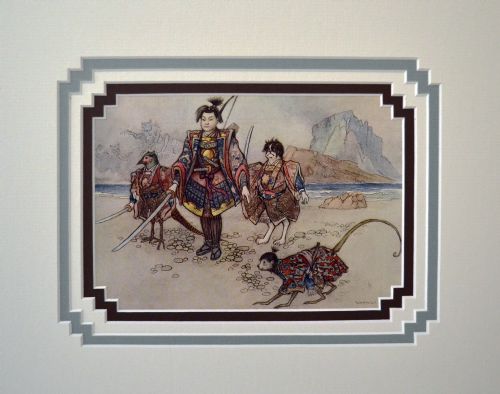
Cream paper watercolour works encompass a broad range of painted artwork, fine art, and framed prints executed on tinted supports. Buyers seeking cream paper watercolour pieces will encounter landscape views, maritime scenes, and character portraits spanning the Regency, Victorian, and Edwardian eras.
The selections on this page feature works created across various British and international schools from the nineteenth and twentieth centuries. These pieces appear in forms such as individual paintings, detailed botanical studies, and illustrated book prints.
Materials and technique
Artists applied watercolour pigment and bodycolour washes directly onto paper supports, frequently supported by mount board or framed behind glass. Many works combine watercolour with pencil, ink, or gouache to define contours and build depth across the cream-toned surface.
Makers utilised tinted papers that provided a warm, neutral background tone to unify the composition. Details were often sharpened with fine ink lines or heightened with opaque white gouache highlights.
Materials recorded across the inventory include watercolour pigment, gouache, ink, pencil, and tinted paper supports.
Assessing quality
Quality rests upon the sureness of the draftsmanship and the preservation of the delicate pigments against fading. Works displaying confident brushwork and clear provenance stand apart from more formulaic student exercises.
The interaction between the watercolour pigment and the cream paper base dictates the visual harmony of the piece. Superior examples retain their original tonal contrast without excessive discolouration from acidic mounts.
Fred Lawson·Richard Henry Wright·Warwick Goble·Cornelius Pearson·William Frederick Settle·James Hardy Junior·Helena Maguire·Edith Barrow·Stanley Orchart·Takashi Nakayama·Henry Wimbush·Dame Laura Knight·Paul-Louis Barruel·John E Bosanquet·Henry Edridge·Leo Klin·George Marks·Henry Scott Tuke·Alexander Melville
The Cream Paper Watercolour Glossary
- Watercolour pigment
- Finely ground colour particles suspended in a water-soluble binder, applied in translucent washes to paper. This medium allows light to reflect from the paper surface through the pigment layers.
- Gouache
- An opaque watercolour paint containing an added inert white pigment to increase reflectivity. It is frequently employed to create bright highlights on dark or tinted papers.
- Mount board
- Heavy paperboard used to frame and separate a work on paper from the protective glass. Quality boards prevent direct contact between the artwork and the glazing.
- Works on paper
- A collective category including watercolours, drawings, prints, and sketches executed on paper supports. These items require careful light management to preserve their colours.
Cream Paper Watercolour: Frequently Asked Questions
How should I display cream paper watercolour art?
Keep watercolours away from direct sunlight to prevent the pigments and the cream paper support from fading over time. Utilise UV-filtering glass and acid-free mounts during framing to ensure long-term preservation.
Position the artwork in rooms with stable humidity levels to protect the paper from warping or developing foxing spots. Proper environmental control remains essential for maintaining antique works on paper.
What periods do these watercolours cover?
The pieces span from the Regency era through the Victorian and Edwardian periods, extending into the mid-twentieth century. Each era brings distinct stylistic tendencies, from precise architectural studies to looser impressionistic landscapes.
Examining the handling of the brush and the characteristics of the paper helps contextualize the date of execution. Makers across these decades utilised varied pigment formulations suited to their respective artistic movements.
Are these works signed by the artists?
Many pieces feature visible signatures, monograms, or studio annotations left by the original creator. Unsigned works are often attributed through stylistic comparisons, historical records, or secondary inscriptions on the reverse.
Signatures add historical context, though accomplished unsigned works from recognised schools remain highly collectible. Documentation and exhibition labels further aid in establishing authorship.
What subjects are common in these paintings?
Common subjects include pastoral landscapes, coastal shipping scenes, architectural landmarks, and detailed character portraits. Botanical studies and narrative illustrations also appear frequently among works on paper from this span.
Artists often recorded contemporary scenes during travels or depicted local rural life. These diverse subjects offer a window into the aesthetic preferences of past collectors.