
Original Floral Art
Original floral art captures living blooms through centuries of shifting palettes, offering immediate colour and botanical study for domestic walls.
Original Floral Art
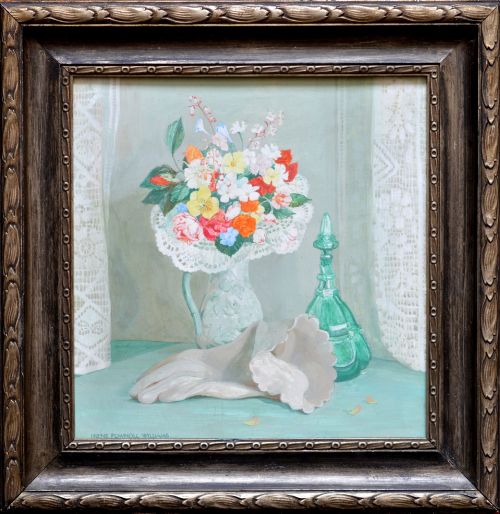
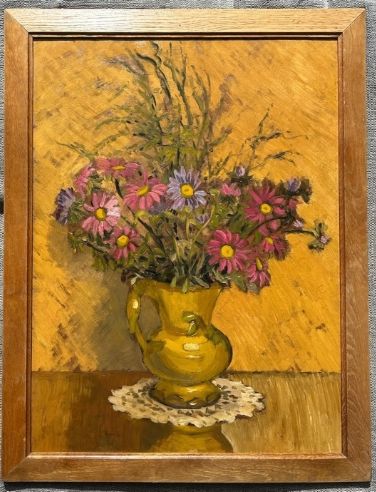
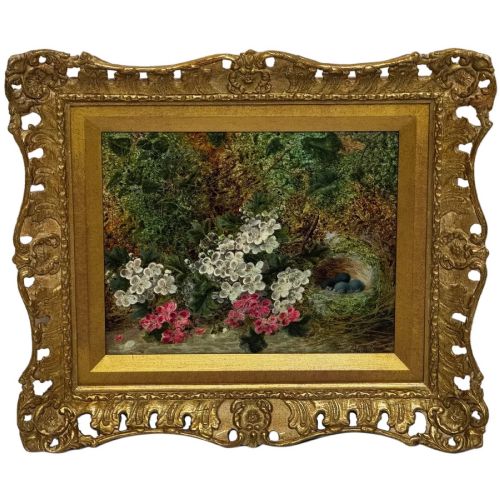
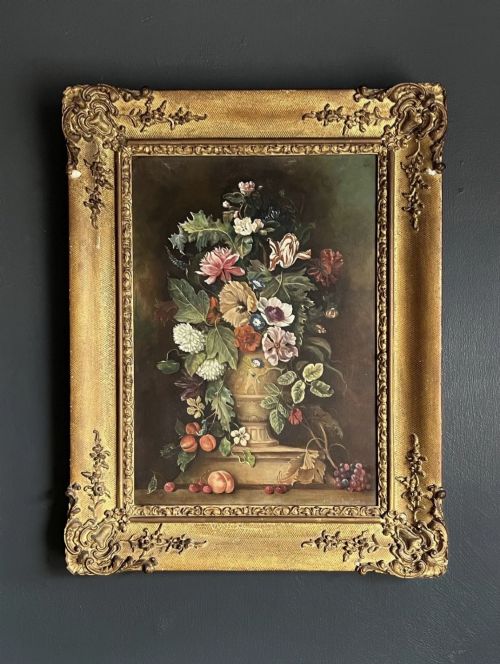
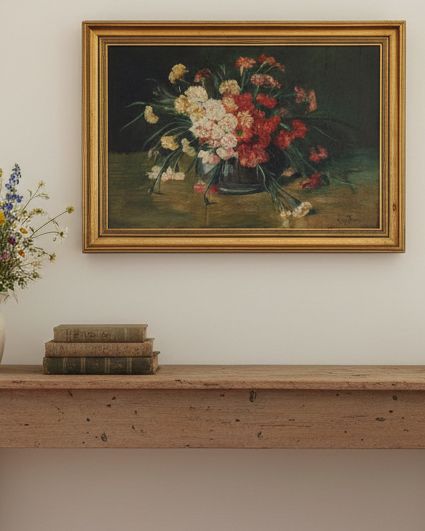
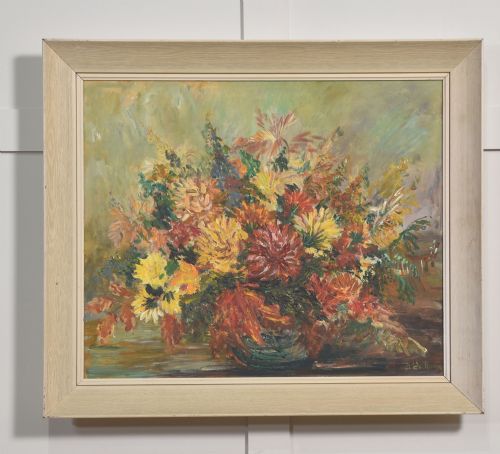
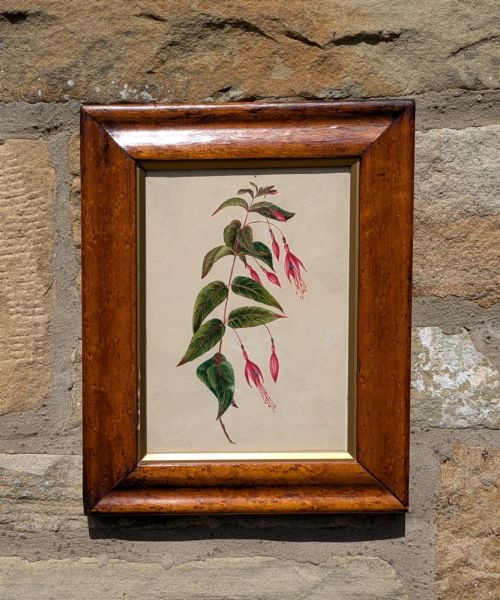
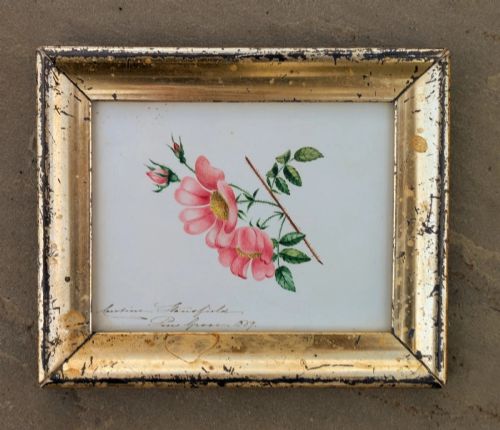
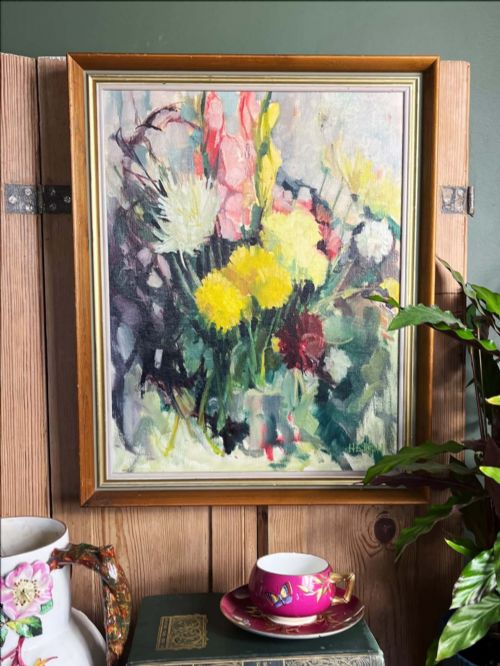
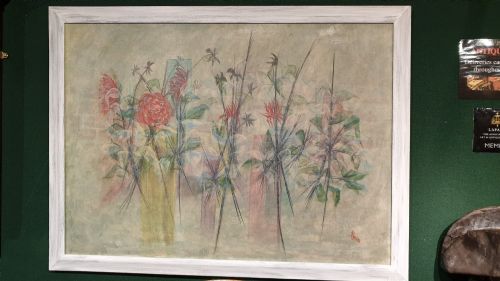
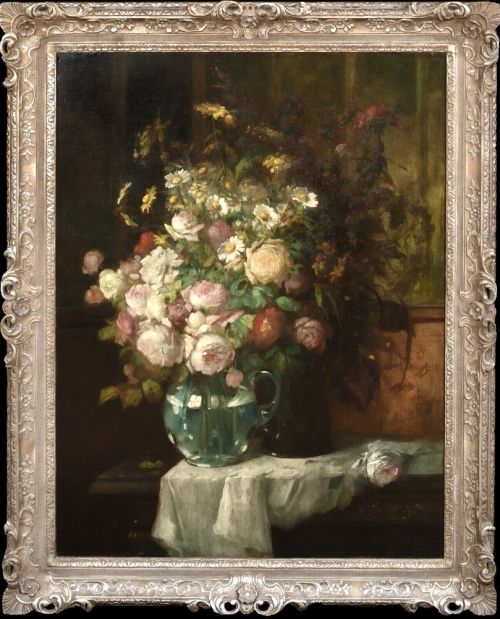
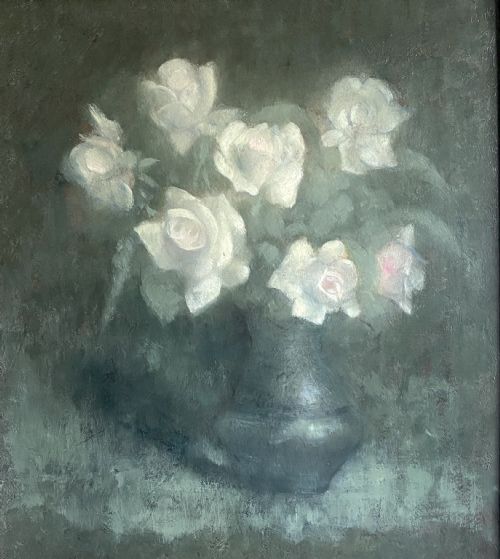
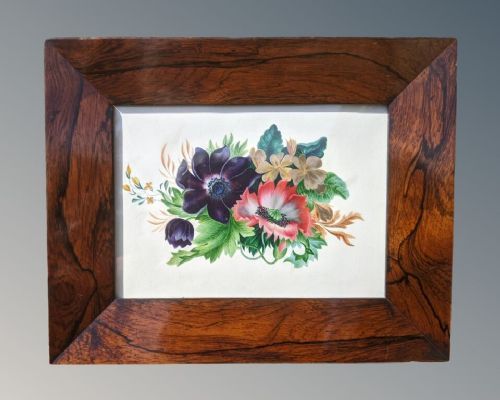
Original floral art encompasses painted studies of blossoms, wild roses, and studio arrangements rendered by hand across several decades and centuries. Buyers seeking original floral art encounter everything from Victorian botanical watercolours on paper to mid-century impressionist canvases of summer flowers in jugs.
The selections span distinct periods, including late nineteenth-century pieces, Art Nouveau arrangements, and mid-century modern compositions. Many works focus on still life subjects, presenting cut stems, vases, and garden landscapes through specific regional lenses.
Makers and painters from British, French, Belgian, and Austrian traditions contribute to the diversity of forms available. Pieces range from intimate cabinet watercolours to large framed canvases designed for prominent display.
Materials and Methods
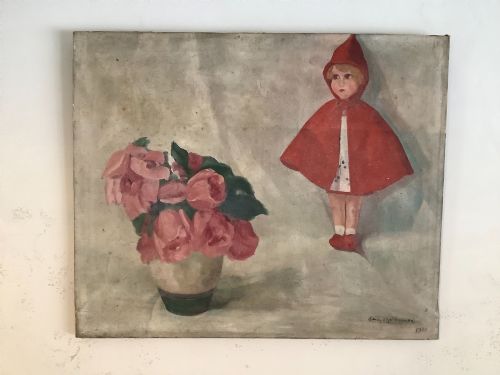
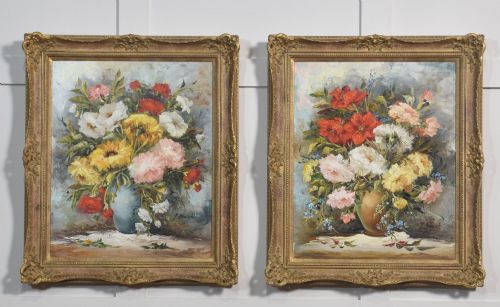
Makers utilised traditional mediums such as oil paint applied to canvas, wood panels, or boards, alongside delicate watercolours worked onto paper. Gilt gesso frames frequently encase the canvases, adding architectural depth to the painted compositions.
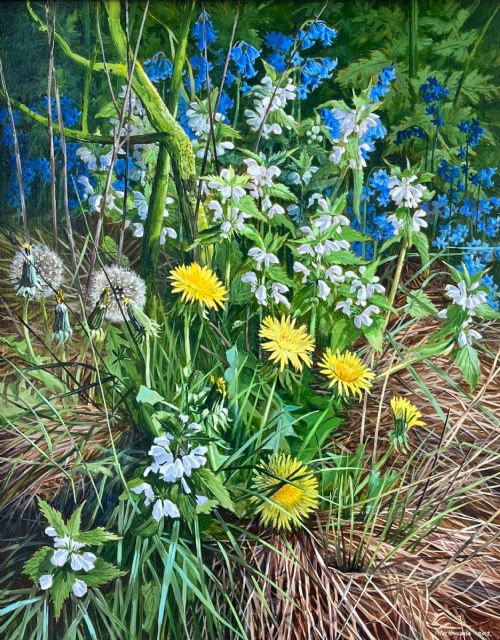
Techniques vary from precise botanical observation with fine watercolours to looser, textured brushwork characteristic of impressionist and post-impressionist oil painting. Artists also employed tempera on panel and mixed methods to capture the transient quality of petals and foliage.
Listings feature works spanning the nineteenth century through the 1960s, executed in oil paint, watercolour, and tempera.
Assessing Quality and Execution
Quality rests upon the confidence of the brushwork and the artist's ability to render light across organic forms. Stronger pieces display assured handling of tone in petals and foliage, avoiding stiff or heavy-handed outlines.
The integration of the subject within its surrounding space dictates the visual success of a composition. Superior examples maintain balance between the floral arrangement and the background, with harmonious colour relationships that sustain interest from a distance.
Irene Christobelle Pownoll Williams·Kenneth Cozens·Oliver Clare·Konstantin Stoitzner·Peter Newcombe·Manuela Bonati·William Thomas Wood·Victor Simonin·Owen Bowen·James Tower·Gertrude Hayes·Winifred Turner·Harry Wanless·Henrietta Creswell·Amile Coppieters·Arthur Hopkins·William Edward Fox·Florence Hess
The Original Floral Art Glossary
- Still life
- A painting or drawing depicting inanimate subject matter, typically commonplace objects such as cut flowers in a vase. This genre allows artists to focus on colour, light, and composition.
- Gesso
- A plaster-like mixture applied to wood or canvas as a base for painting or ornamentation. Gilded gesso frames are common surrounds for twentieth-century oil paintings.
- Impressionism
- A nineteenth-century movement characterised by relatively small, thin, yet visible brush strokes and an emphasis on accurate depiction of light. Works in this style capture the fleeting visual impression of floral displays.
- Tempera
- A permanent, fast-drying painting medium consisting of coloured pigment mixed with a water-binder agent. It produces a matte surface well suited to detailed panel painting.
- Provenance
- The chronology of the ownership, custody, or location of a historical object. Documented origins help confirm the attribution of signed works.
Original Floral Art: Frequently Asked Questions
How do I care for antique watercolours?
Watercolours on paper require protection from direct sunlight to prevent the pigments from fading over time. Glazing with conservation-grade glass and keeping the pieces in stable humidity environments preserves the paper support.
Avoid hanging works in damp spaces or areas subject to extreme temperature fluctuations. Proper framing with acid-free mounts prevents yellowing and degradation of the paper.
What frames suit mid-century canvases?
Mid-century canvases often pair well with simple floating frames that expose the edges of the stretcher bars. This minimalist approach reflects the design ethos of the period without overwhelming the painted surface.
Alternatively, narrow wood moulding painted in neutral tones complements the textures of post-impressionist brushwork. Avoid heavy Victorian gilt frames on modern works unless the aesthetic demands a deliberate historical contrast.
How are periods identified in floral paintings?
Stylistic clues, framing materials, and artist signatures provide primary evidence for dating a painting. Art Nouveau pieces often feature flowing, organic lines, whereas mid-century works display looser, more abstracted colour application.
Inscriptions on the reverse of boards or canvases frequently record dates, titles, and previous exhibitions. Comparing signature styles with established artist records confirms the period of execution.
Where should I hang a floral still life?
Floral still lifes suit dining rooms, drawing rooms, and hallways where the subject matter introduces natural colour to interior spaces. Placing a piece at eye level allows the viewer to appreciate the fine details of the brushwork.
Consider the surrounding wall colour to ensure the tones of the painting stand out clearly. Well-lit walls without direct glare enhance the depth of oil paint and watercolour alike.