


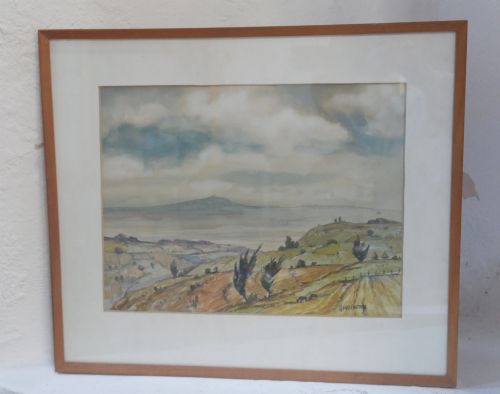
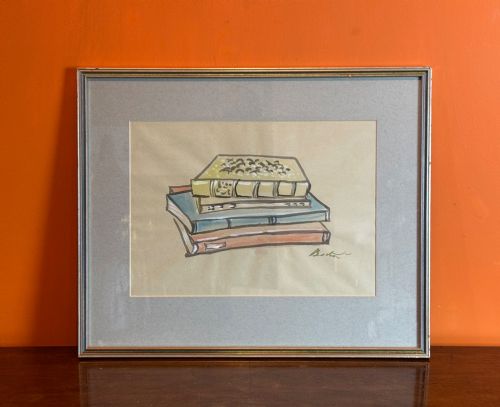
Mid Century Watercolour Painting
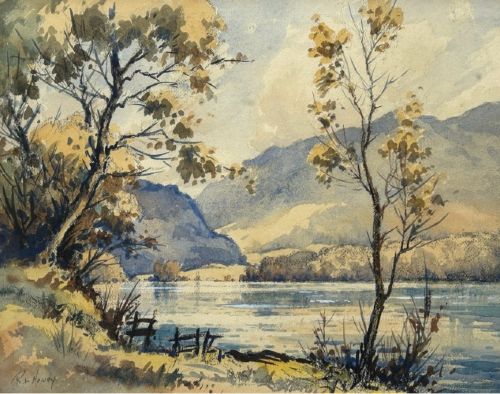
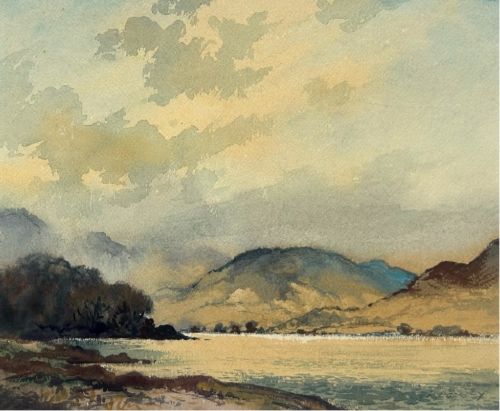
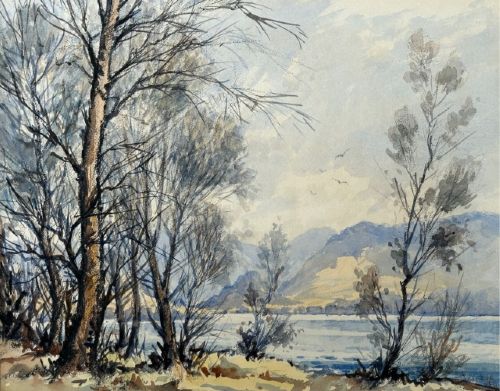
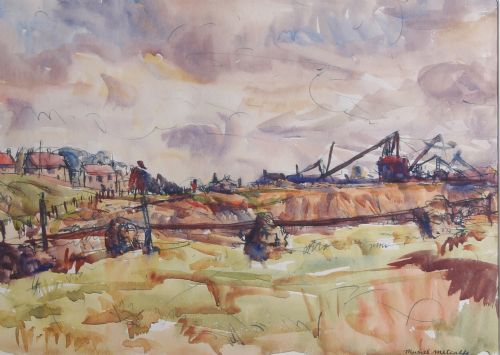
Mid century watercolour painting captures the immediacy of the twentieth century through fluid pigments and expressive brushwork on paper.
What these paintings are
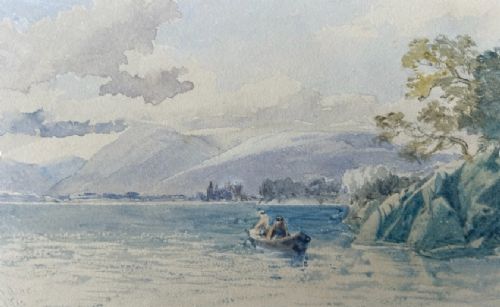
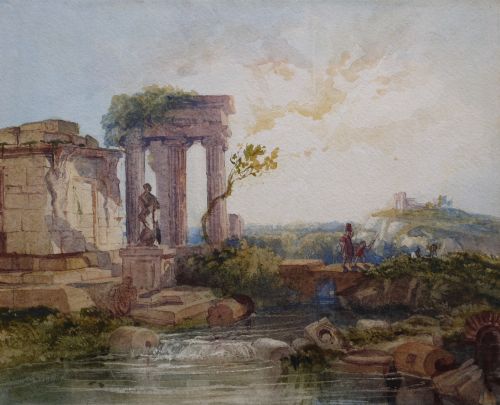
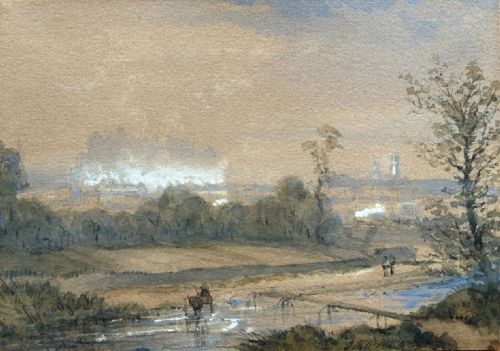
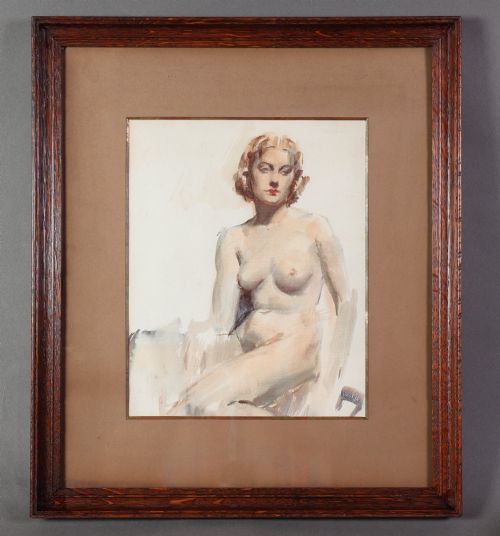
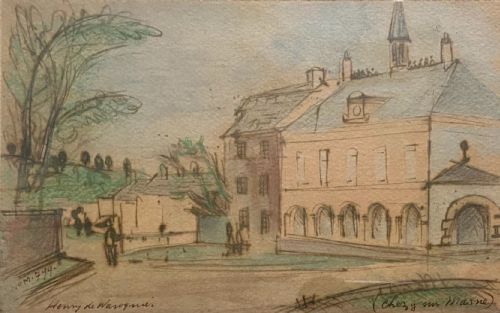
Buyers encounter distinct regional aesthetics ranging from Yorkshire Dales topography to French rural scenes and African vistas. These works reflect movements such as Mid-Century Impressionism, Mid-Century Realism, and Modernist Naive styles.
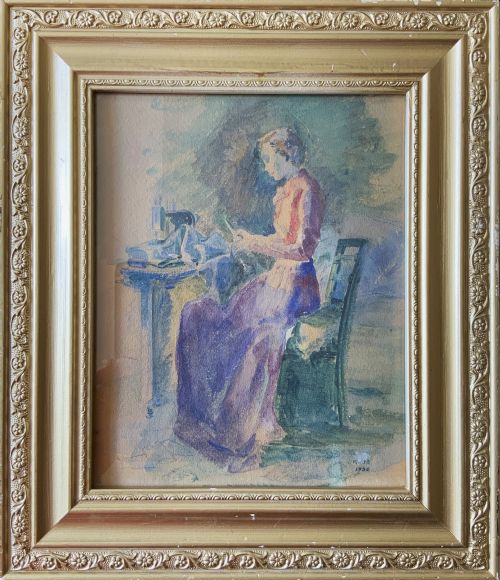
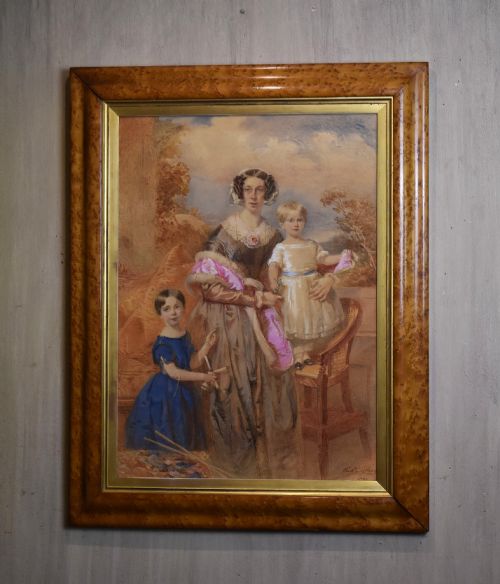
The dominant forms are original paintings on paper, occasionally incorporating ink, wash, or coloured pencil. Many survive within period gilt wood or standard timber frames that preserve the paper surfaces.
Materials and construction
Artists applied watercolour pigment and ink onto paper supports using traditional brushwork techniques. Selected examples combine watercolour with coloured pencil or mixed media to build texture and definition.
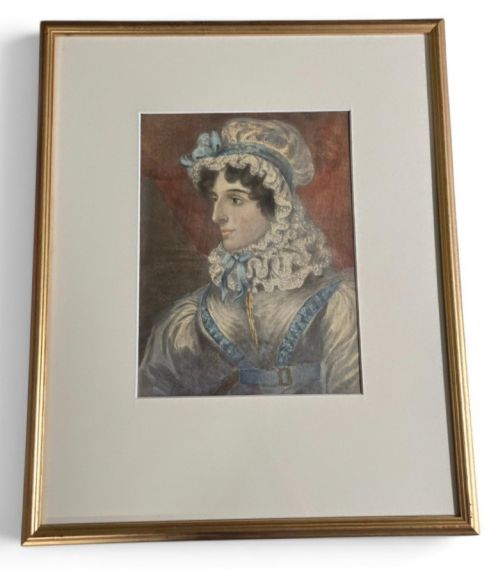
Protective framing utilises glass glazing combined with wood or gilt wood frames. This setup safeguards fragile paper surfaces from atmospheric moisture and handling damage.
Retail Price Guide 2026
Typical UK retail prices for mid century watercolour painting, calculated from the Sellingantiques database of over a million retail prices indexed since 2003. This retail price guide relies exclusively on Sellingantiques data; no external sources or auction records are used, so the figures do not describe the wider market.
Listings feature paper supports combined with watercolour pigments, ink, and glass-fronted wood frames spanning the 1940s, 1950s, and 1960s.
Evaluating quality
Quality rests upon the artist's confidence of line, handling of light, and the emotional resonance of the subject. Stronger pieces display decisive brushwork and harmonious tonal balance across the paper.
Condition plays a vital role, distinguishing works with vibrant, unfaded pigment and clean paper from those compromised by foxing or heavy sun exposure. The integration between the original artwork and its period frame also influences overall merit.
Robert Leslie Howey·Louie Stanley Maurice Prince·Irene Lagut
The Mid Century Watercolour Painting Glossary
- Watercolour
- A painting method in which the paints are made of pigments suspended in a water-based solution. The paper support often remains partially visible to provide luminosity.
- Wash
- A thin, transparent layer of diluted watercolour pigment or ink applied across the paper. Painters utilise this technique to establish broad skies or distant backgrounds.
- Gilt wood frame
- A wooden picture surround covered with a thin layer of gold leaf or metallic gilt paint. These frames frequently accompany mid century paper works.
- Mixed media
- An artwork combining two or more distinct artistic materials. Examples on this page pair watercolour with ink or coloured pencil on paper.
Frequently Asked Questions
How should I hang a watercolour painting?
Watercolour paintings require protection from direct sunlight to prevent the pigments from fading over time. Position them away from intense light sources and damp areas.
Ensure the frame hangs securely on standard picture hooks. Glass glazing protects the paper surface, but stable room temperatures prevent humidity fluctuations.
What subjects appear in these paintings?
The subjects span regional British landscapes, village scenes, coastal views, and intimate figure portraits. Artists recorded locations ranging from Cumbrian lakes to French countryside views.
Figurative works and still life studies of flowers also appear frequently. Each subject captures the characteristic observational style of the mid twentieth century.
How do I identify the date of a piece?
Artists frequently signed and dated their watercolours directly on the paper surface near the lower edges. Inscriptions on the reverse or accompanying documentation occasionally provide further context.
Stylistic elements and framing materials offer additional clues for dating. Mid-century modernist and impressionist traits align securely with the 1940s to 1960s timeframe.
Are these works original or prints?
Every piece featured is an original painting created by hand directly on paper. Brush strokes, pigment pooling, and pencil underdrawings confirm the unique nature of each artwork.
Reproduction prints lack the surface texture and pigment variation found in authentic watercolours. Close inspection reveals the distinct touch of the artist.