




20th Century Landscape Artwork
When you search for 20th century landscape artwork, you find a varied range of oil paintings, watercolours, and drawings capturing fields, coasts, and towns.
20th Century Landscape Artwork
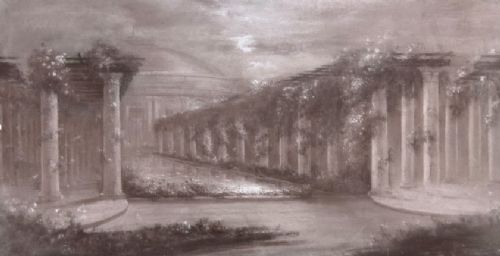
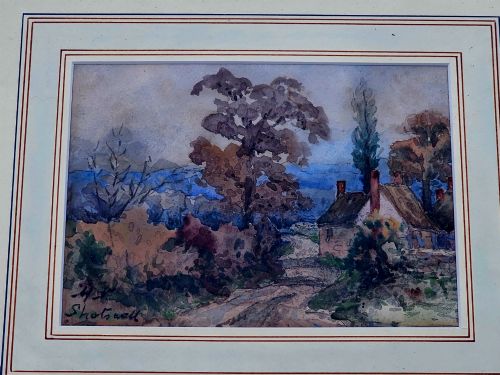
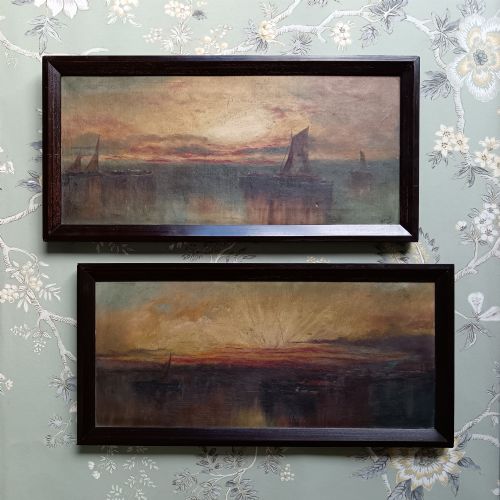
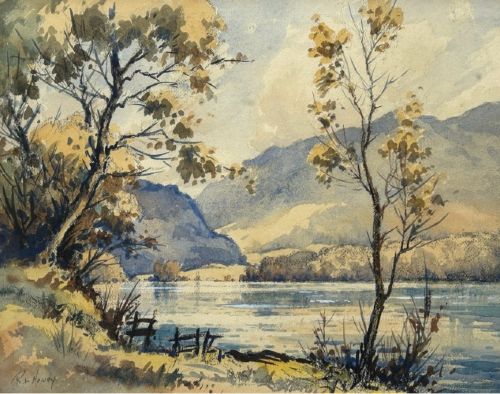
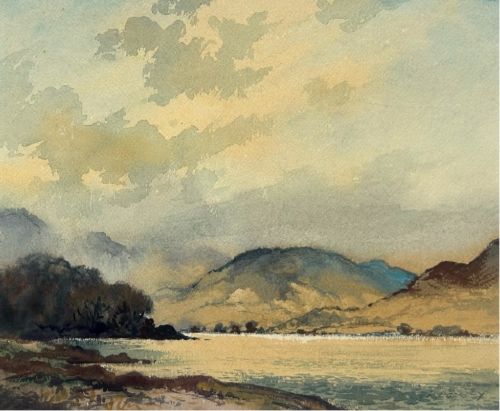
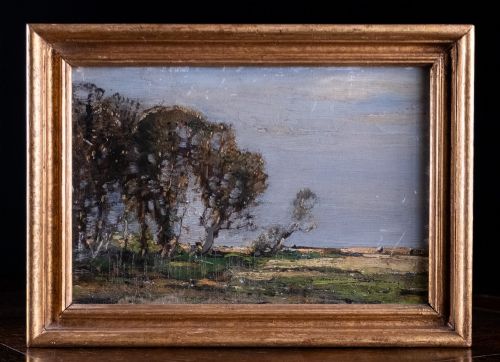
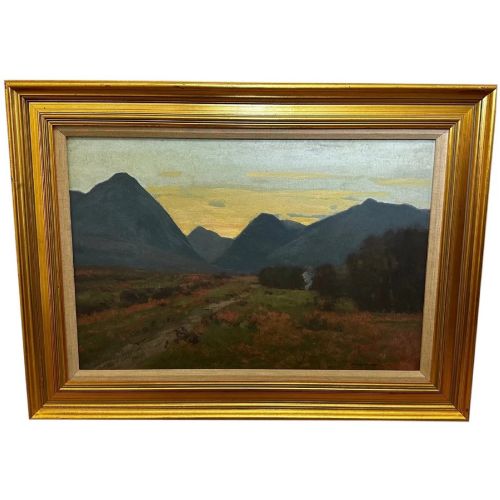
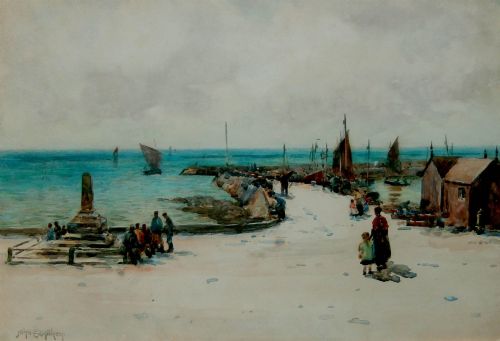
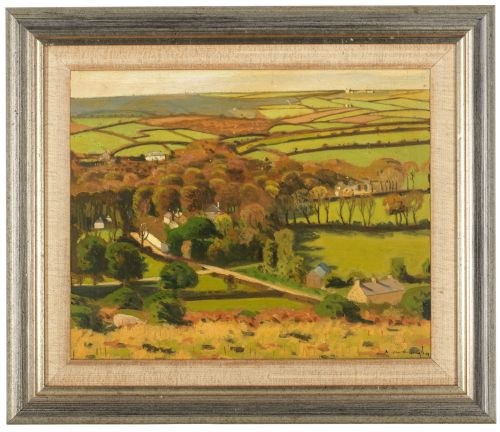
When you search for 20th century landscape artwork, you encounter pieces that record views from Edwardian scenes up to mid-century modern interpretations. These works capture pastoral fields, coastal havens, and industrial edges through the eyes of regional British and continental painters.
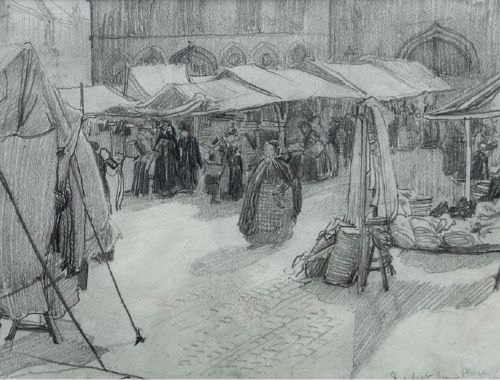
The selections span traditional oil paintings on canvas and wood panel alongside delicate watercolours and charcoal drawings on paper. Many carry specific locality details, mapping places from Cumbrian lakes to Scottish highlands and European squares.
You meet both named artists with gallery exhibitions and unsigned works attributed to period schools. The subjects range from quiet woodland cattle to broad maritime horizons under changing skies.
How these artworks were made
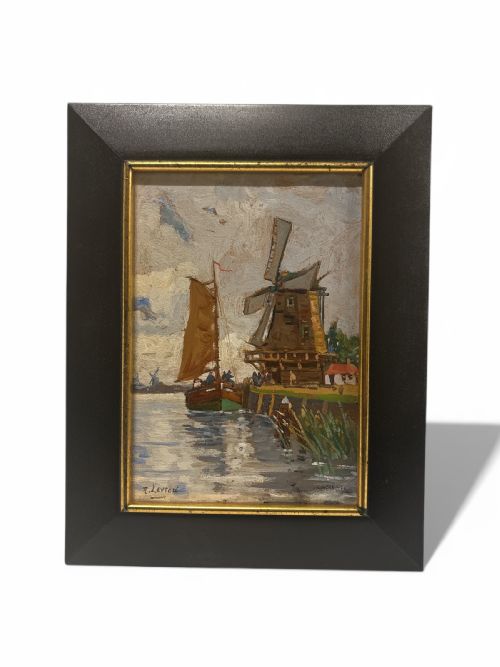
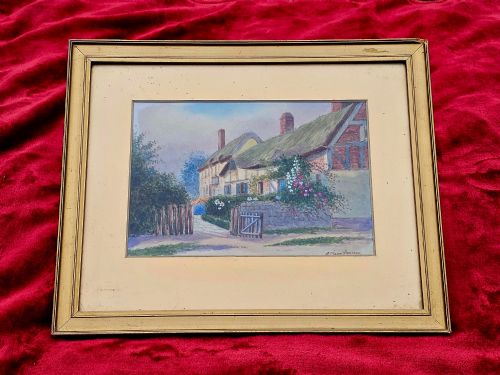
Makers utilised oil paint on canvas, board, and wood panels to build rich textures and deep colour fields. Watercolour pigment on paper allowed artists to capture swift atmospheric effects outdoors.
Support materials varied from stretched canvas and heavy art paper to wooden panels and charcoal attached to canvas stretchers. Ink and pencil were frequently employed for preliminary lines or finished linear drawings.
20th Century Landscape Artwork Retail Price Guide 2026
Typical asking prices for 20th century landscape artwork among the pieces listed under this phrase on Sellingantiques today, from the lower quarter to the upper quarter. They describe what is for sale here now, not the wider market.
Materials span paper, wood, canvas, and board, supporting media from pencil and ink to oil and watercolour.
What varies in quality
The strength of the composition and the confidence of the brushwork set individual pieces apart. A skilled hand captures light and spatial depth with economy, whereas weaker works rely on heavy formulaic outlines.
Condition of the physical support and pigment stability influence the piece. Intact original framing, preserved paper surfaces, and well-maintained oil layers without excessive cracking represent higher preservation levels.
Kenneth Cozens·Henry Percy Huggill·Tom Campbell·Percy Lancaster·A Marie Parsons·B Nash·Robert Leslie Howey·Kershaw Schofield·George Houston·John E Aitken·Robert Morson Hughes·Arthur Gué·Muriel Metcalfe·Fred Lawson·Clive Browne·Peter Brannan·Ethel Sands·Francisco Sancha·Cyril Walduck Edwards·Eric Brown·Ernest Higgins Rigg·Harry Kluge·Thomas Maidment·Christine Nesbit·Brian Shields Braaq
The 20th Century Landscape Artwork Glossary
- Watercolour
- A paint method using water-soluble pigments applied to paper. It yields transparent washes well-suited to capturing shifting light in landscapes.
- Oil on board
- A painting technique where oil colours are applied directly to a rigid wooden or composite board. This surface provides a firm resistance for vigorous brushwork.
- Impressionism
- A style focused on accurate depiction of light and its shifting qualities. Artists often used small, thin yet visible brush strokes.
- Charcoal painting
- A drawing medium made from organic carbonaceous material that produces deep blacks and subtle tonal gradations. It is often fixed to paper or canvas supports.
- Wood panel
- A flat wooden support used instead of canvas for paintings. It offers a completely rigid ground for detailed application.
20th Century Landscape Artwork: Frequently Asked Questions
What periods do these artworks cover?
The listings span from the Edwardian era through the 1960s, covering early modern developments.
Most pieces concentrate in the decades between 1900 and 1950, showing shifting artistic approaches.
How do I identify a watercolour?
Watercolours use translucent pigments on paper supports, often showing the grain of the sheet beneath.
They are typically displayed under glass to protect the delicate paper surface from moisture.
Where were these landscapes painted?
Makers recorded scenes across British locations including Cumbria, Cornwall, Yorkshire, and Scotland.
Continental views from France and Belgium also appear among the works.
How should I display a panel painting?
Wood panel works benefit from stable indoor environments away from direct heat sources.
Framing should allow the wood natural movement without restricting the edges.