
Post Impressionist Landscape Art
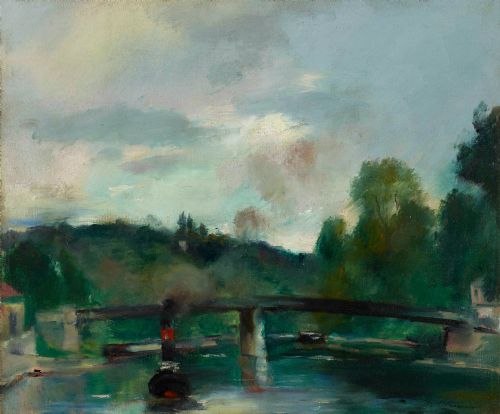
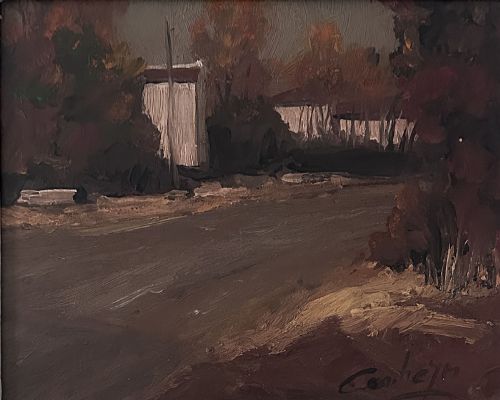
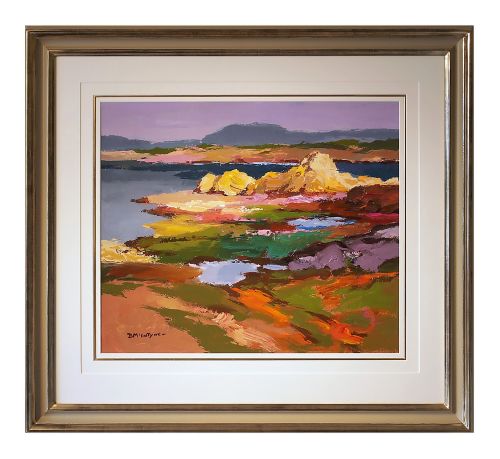
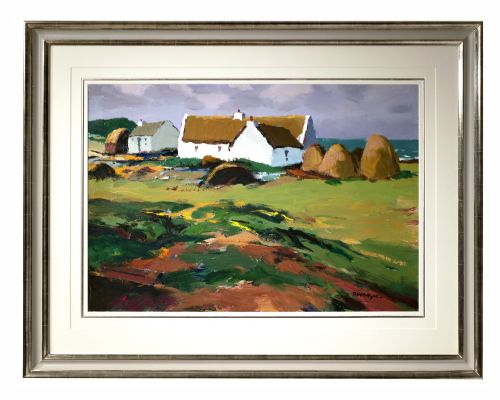
Post impressionist landscape art captures rural views and valleys through expressive brushwork and rich colour palettes that transform everyday scenes into vibrant studies.
What post impressionist landscape art is
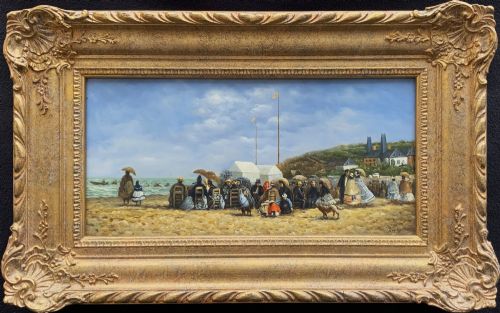
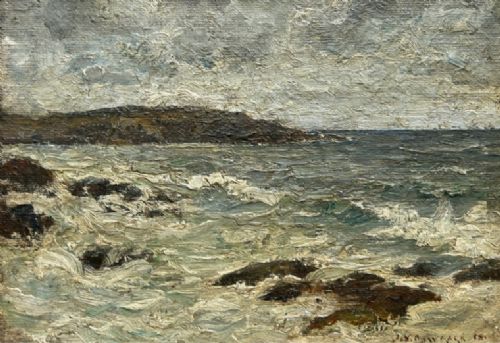
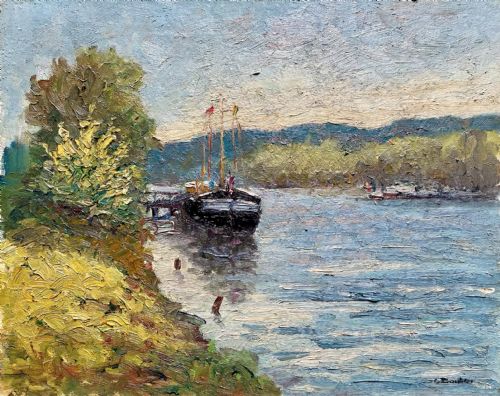
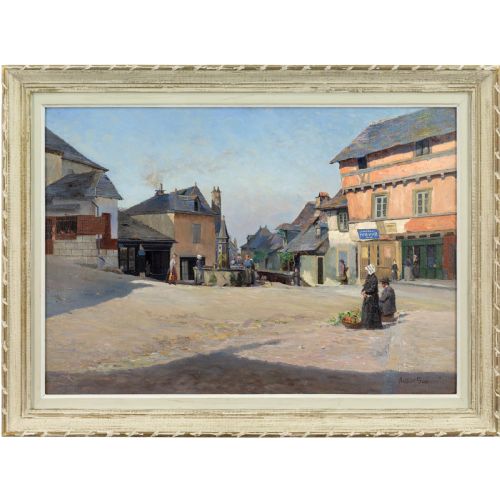
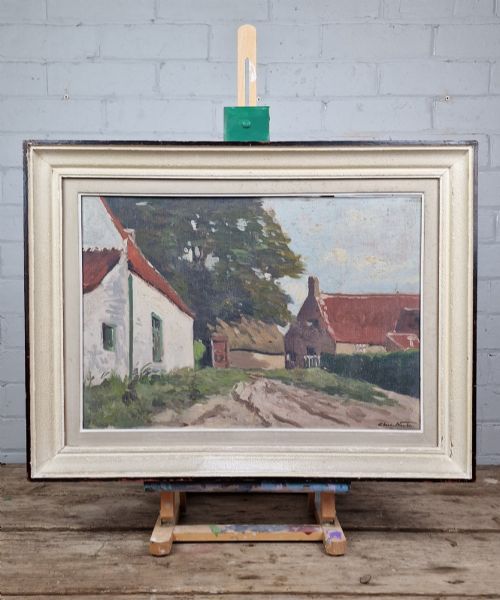
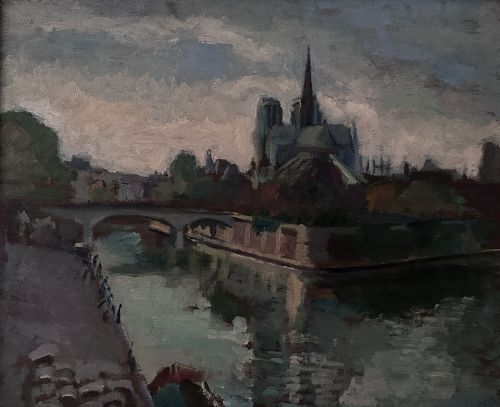
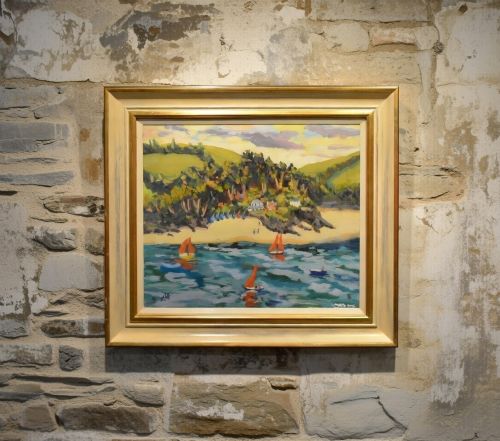
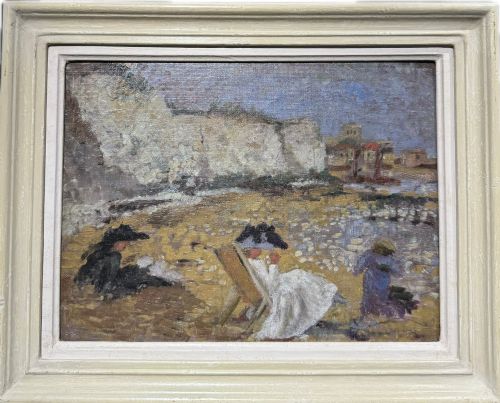
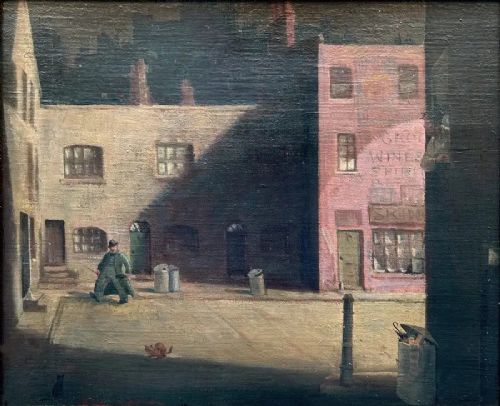
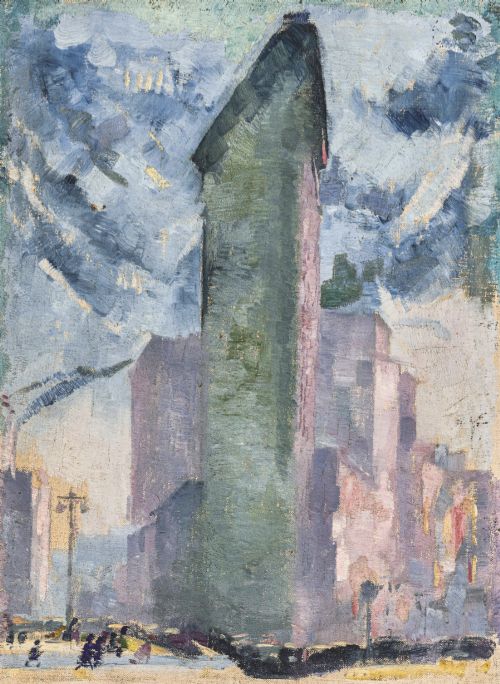
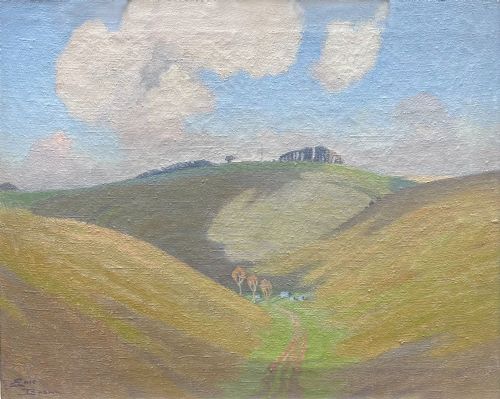
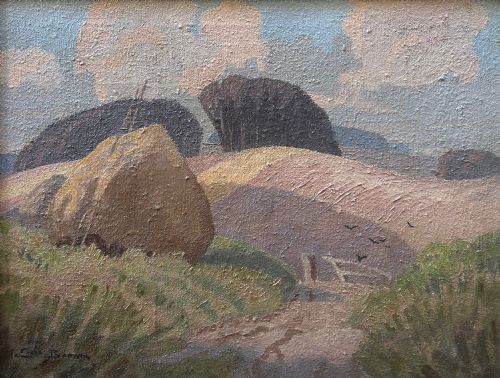
When you search for post impressionist landscape art, you encounter oil paintings on canvas, board, wood and wood panel dating from the Edwardian era through the mid-twentieth century. The selection spans works created across the decades from nineteen twenty to nineteen sixty, capturing scenes from Welsh valleys to French courtyards and Italian villages.
You are most likely to meet original oil paintings reflecting Modern British and British Impressionist traditions alongside pure Post-Impressionism. These works frequently depict rolling hills, courtyards and encampments through distinct regional perspectives.
How they were made
Artists painted primarily with oil paint applied directly to stretched canvas, wooden panels, board or card. These supports provided a stable and textured surface for thick application and layered brushwork.
Frames often incorporated wood and gesso finished with glass protection to preserve the painted surfaces over generations.
Retail Price Guide 2026
Typical UK retail prices for post impressionist landscape art, calculated from the Sellingantiques database of over a million retail prices indexed since 2003. This retail price guide relies exclusively on Sellingantiques data; no external sources or auction records are used, so the figures do not describe the wider market.
Listings feature oil paintings created across six decades, from the Edwardian era through nineteen sixty.
What varies in quality
Quality rests in the sureness of the brushwork and how decisively the painter translates light and form across the landscape. Works by trained artists with documented exhibition histories show a confident command of colour and composition.
The choice of support and the integrity of the original framing also influence the overall character and preservation of each piece.
Donald McIntyre·Paul Élie Gernez·Hubert Wellington·Majorie Hoare·Henri Therme·Philip Naviasky
The Post Impressionist Landscape Art Glossary
- Oil paint
- A slow-drying paint made by combining pigment particles with a drying oil, typically linseed. This medium allows for rich texture and deep colour saturation.
- Wood panel
- A rigid wooden support used instead of canvas, providing a firm surface for oil application. It was favoured by artists seeking a completely stable ground.
- Gesso
- A primer mixture consisting of a binder mixed with chalk, pigment, or gypsum, used to prepare wood or canvas surfaces for painting.
- Board
- A stiff flat sheet of compressed material utilised as an alternative support for oil paintings during the twentieth century.
Frequently Asked Questions
What periods do these paintings date from?
The available works span the Edwardian period through the nineteen twenties, nineteen thirties, nineteen fortunes, and nineteen fifties up to nineteen sixty.
This broad timeline encompasses movements like British Modernism and Post-Impressionism.
What materials were used for these landscapes?
Painters utilised oil paint applied to canvas, wood panels, and stiff boards.
Frames frequently combined wood and gesso, often paired with protective glass.
Where do the landscape scenes originate?
The subjects include Welsh valleys, French provincial courtyards, and Italian villages.
Each location reflects the specific travels and sketching grounds of the individual artist.
How should I care for an oil painting on wood panel?
Keep the artwork away from direct sunlight and damp environments to protect the wood and paint.
Maintain stable room temperatures to prevent the wooden support from expanding or contracting.