




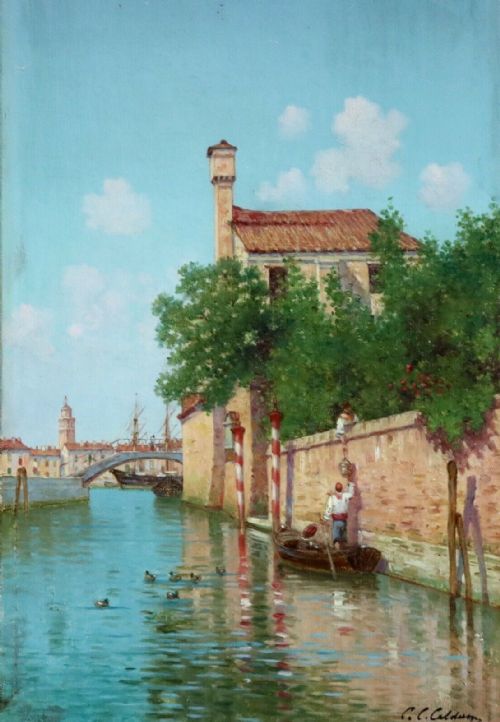


Antique Italian View Painting
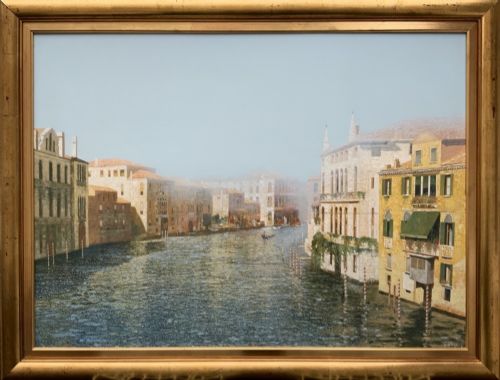
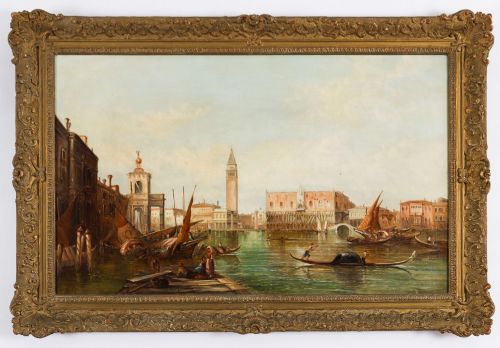
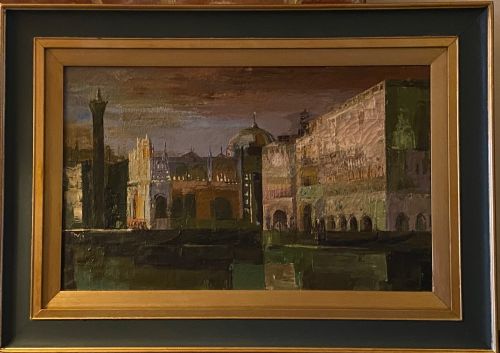
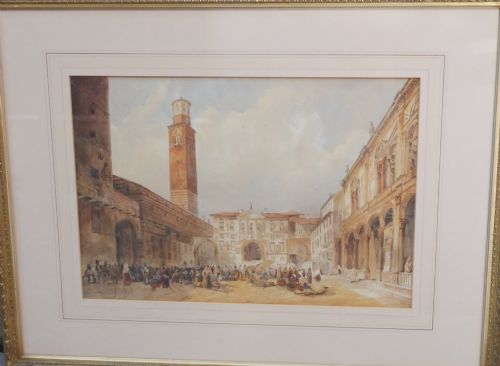
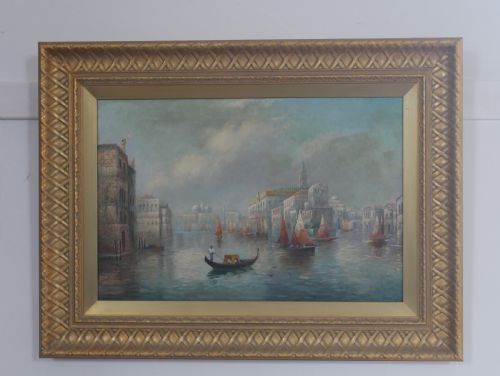
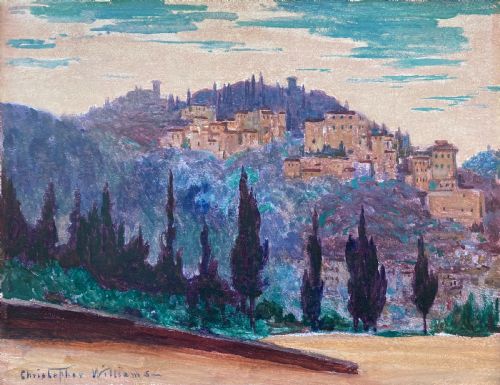
These antique italian view painting works capture sunlit canals and hillsides, offering a timeless window into Mediterranean light.
Antique Italian View Painting
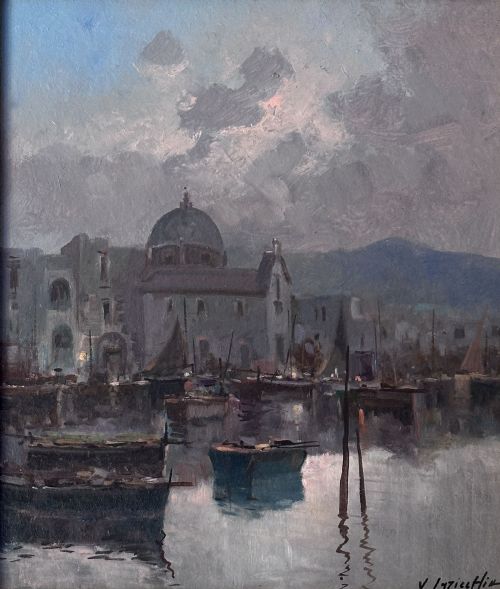
An antique italian view painting brings the light and atmosphere of southern Europe straight into a room through oil and watercolour. These works typically capture notable landmarks, waterways, and rural settlements across the peninsula.
The pieces appearing on this page mostly date from the nineteenth century and the Edwardian era. Artists such as William Raymond Dommersen, Jane Vivian, and Hercules Brabazon Brabazon recorded these Mediterranean scenes with distinct artistic sensibilities.
How they were made
Makers utilised oil paint on canvas or watercolour on paper to capture these sun-drenched vistas. The handling ranges from precise nineteenth century realism to looser impressionistic brushwork.
Finished works often found their home within traditional gilt and giltwood frames. Glass frequently protected delicate works on paper from atmospheric damage.
Antique Italian View Painting Retail Price Guide 2026
Typical asking prices for italian view painting among the pieces listed under this phrase on Sellingantiques today, from the lower quarter to the upper quarter. They describe what is for sale here now, not the wider market.
Current listings feature oil on canvas and watercolour on paper, housed within wood and giltwood frames.
What varies in quality
Quality rests upon the artist's ability to render the specific quality of Mediterranean light and atmospheric depth. The handling of water reflections in Venetian lagoon scenes or the clarity of distant hills separates accomplished hands from standard topographical recording.
The integration of the painting with its period frame contributes significantly to the overall presence of the piece. Superior examples retain their original giltwood surrounds which complement the palette of the canvas.
The Antique Italian View Painting Glossary
- Giltwood
- Wood carved and coated with gold leaf or a metallic substitute. This material was frequently chosen for traditional picture frames.
- Watercolour
- A paint consisting of pigment suspended in a water-soluble vehicle. Applied to paper, it creates translucent washes of colour.
- Impressionism
- A nineteenth century painting style characterised by relatively small, thin yet visible brush strokes. It prioritises an accurate depiction of light in its changing qualities.
- Canvas
- A closely woven heavy fabric used as a surface for oil painting. It is typically stretched across a wooden frame before work begins.
Antique Italian View Painting: Frequently Asked Questions
What periods do these paintings come from?
The available selection primarily spans the nineteenth century and the Edwardian period. Artists working during these decades travelled south to record Italian architecture and landscapes.
Such pieces reflect both traditional academic training and the emerging looser brushwork of later impressionistic movements.
Which materials were used by the artists?
Makers relied upon oil paint applied to stretched canvas alongside watercolour pigments on paper. Wood and giltwood feature heavily in the surrounding frames.
Glass is also utilised to protect vulnerable works executed on paper supports.
How should I hang these framed works?
Select a spot away from direct sunlight to protect both the oil pigments and the delicate gilt surfaces of the frames. Stable indoor humidity prevents the wooden stretchers and canvas from warping over time.
Ensure the wall fixings can comfortably bear the combined weight of the painting and its heavy period frame.
Can I identify the specific locations shown?
Many works explicitly name their settings in the titles or inscriptions, highlighting famous locations such as Venice or general Italian villages. Landmarks like the Grand Canal offer immediate geographical context for the viewer.
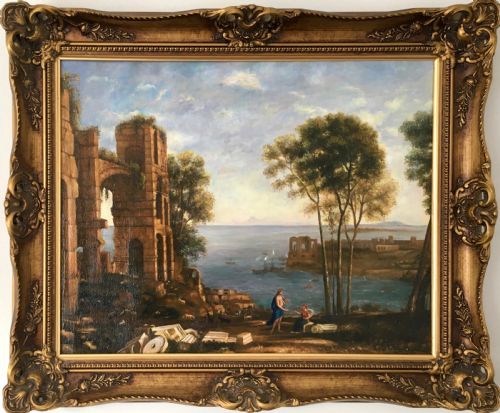
Other compositions present broader rural vistas and hillside scenes characteristic of nineteenth century travel itineraries.