


19th Century Italian Landscape
These 19th century italian landscape works capture sunlit Mediterranean views and atmospheric architecture that collectors prize for historical character.
What these pieces are
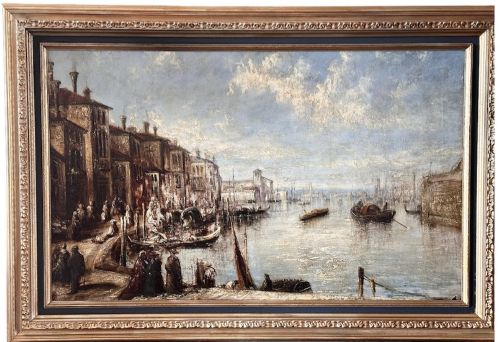
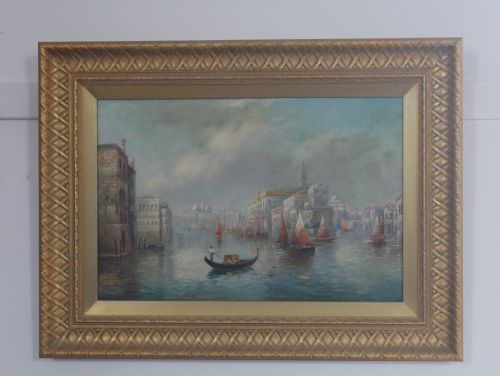
A 19th century italian landscape brings the topography and sunlight of the Mediterranean directly into an interior through painted views of Venice, Rome, Naples, and regional lakes.
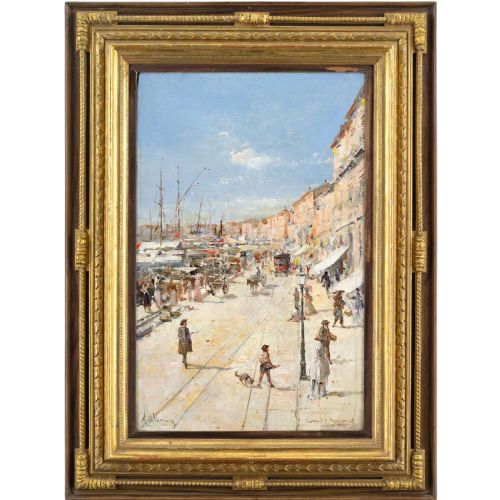
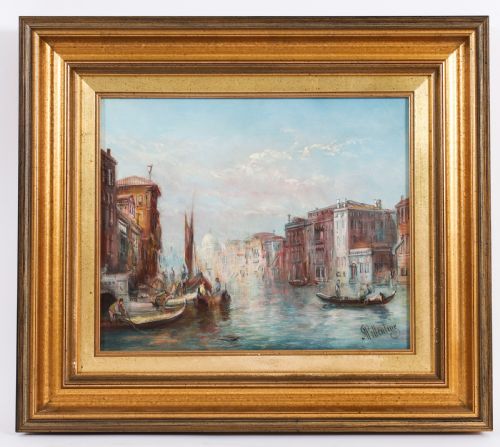
Buyers on this page most frequently encounter framed oil paintings on canvas and delicate watercolours on paper depicting iconic locations like the Doge's Palace, the Bay of Naples, and local canals.
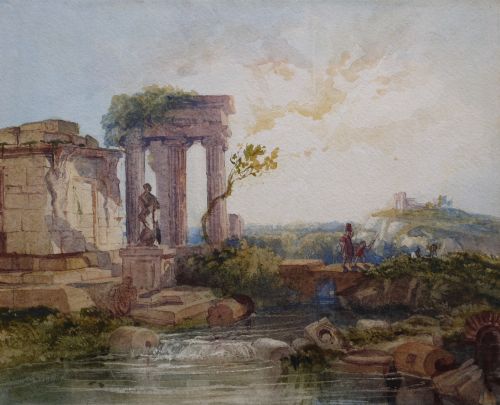
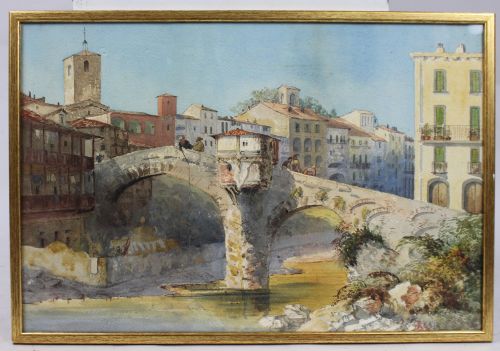
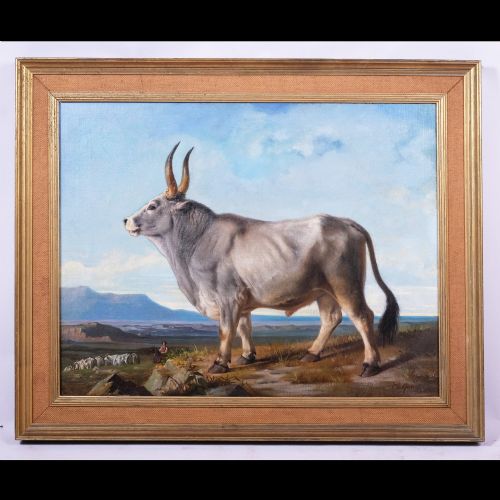
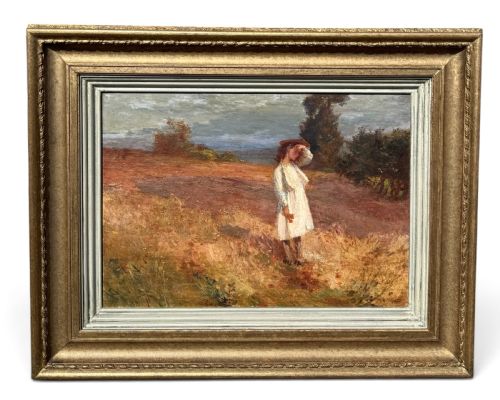
The selection ranges from detailed architectural townscapes to intimate river scenes and picturesque ruins set against distant mountains.
Works appear from various periods within the nineteenth century, including specific decades such as eighteen seventy, eighteen eighty, and eighteen ninety, alongside pieces attributed to the School of Posillipo.
How they were made
Artists utilised oil paint applied to canvas, wood panels, or boards, alongside watercolour and ink wash on paper to build up depth, light, and texture.
Many surviving pieces retain their original wooden frames, often finished in giltwood or gilt paint that complements the warm palettes of the compositions.
Retail Price Guide 2026
Typical UK retail prices for 19th century italian landscape, calculated from the Sellingantiques database of over a million retail prices indexed since 2003. This retail price guide relies exclusively on Sellingantiques data; no external sources or auction records are used, so the figures do not describe the wider market.
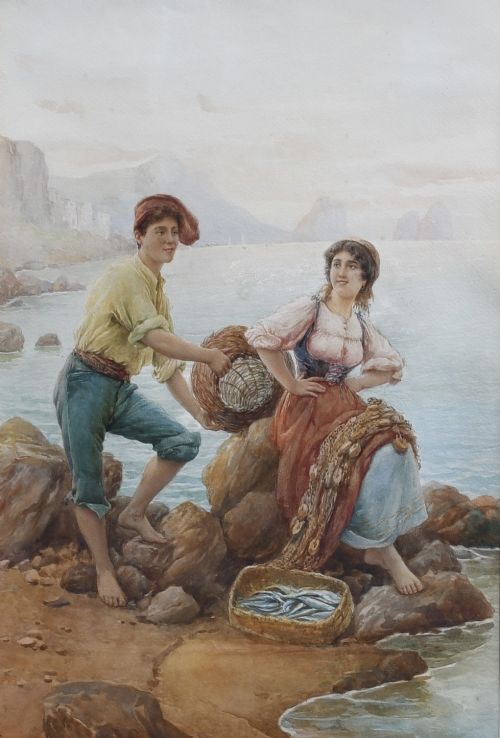
Fishermen cast lines and boats navigate Italian rivers while Vesuvius quietly smokes in the distance across these centuries-old views.
What varies in quality
Quality separates through the precision of architectural rendering and the artist's ability to handle natural light across water and stone.
The sophistication of the composition and the preservation of the original paint layer or paper support determine the distinction between standard works and exceptional examples.
William Raymond Dommersen·Jane Vivian·Alfred Pollentine·Consalvo Carelli·Benedetto Salviati·David Law·Hugh Vane Turner·Thomas L Rowbotham·William Page
The 19th Century Italian Landscape Glossary
- School of Posillipo
- An artistic movement focused on landscape painting in the Naples region during the nineteenth century. Practitioners emphasised direct observation of local light and coastal topographies.
- Capriccio
- An architectural fantasy placing imaginary or real buildings, ruins, and other architectural elements in a fictional combination. Artists utilised this genre to compose picturesque Italian scenes.
- Giltwood
- Wood carved and covered with a thin layer of gold leaf or gilt paint. Frames finished in this material frequently accompany nineteenth-century paintings.
- Watercolour
- A painting method where the pigments are suspended in a water-based solution on paper supports. This technique was widely employed for luminous topographical studies.
Frequently Asked Questions
How do I display a 19th century italian landscape?
Hang these works away from direct sunlight to protect delicate watercolours and oil pigments from fading over time.
Pair them with traditional wooden frames that match the original gilt or wood finishes found across the period.
What subjects appear in these paintings?
Common subjects include Venetian canals, Roman ruins, the Bay of Naples with Vesuvius, and quiet Italian river views.
Artists also depicted architectural landmarks such as the Ducal Palace and bridge structures alongside local figures.
How do I tell watercolours from oils here?
Waterworks utilise paper supports, often showing translucent washes of pigment and ink lines beneath the colour.
Oil paintings present heavier textures with visible brushstrokes applied directly to canvas, wood panels, or boards.
What periods do these artworks represent?
The selection spans the nineteenth century, including specific dated works from eighteen seventy, eighteen eighty, and eighteen ninety.
Styles range from Victorian romanticism and realism to regional movements like the School of Posillipo.