



Impressionist Female Portrait
Impressionist female portrait works capture the subtle play of light upon a sitter, offering a tangible link to past eras through expressive brushwork.
Understanding Impressionist Female Portrait Pieces
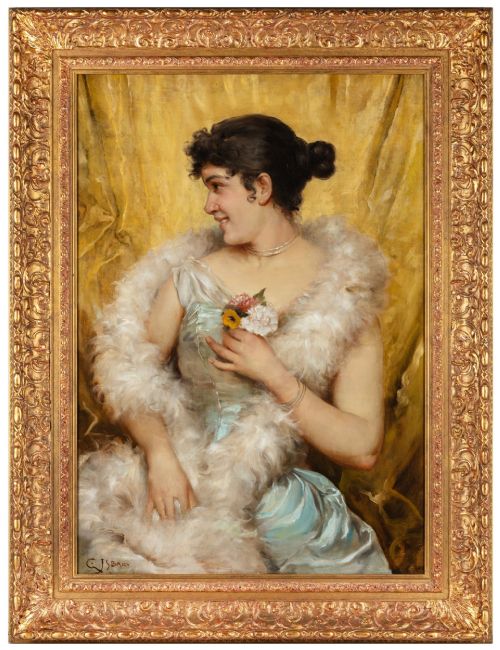
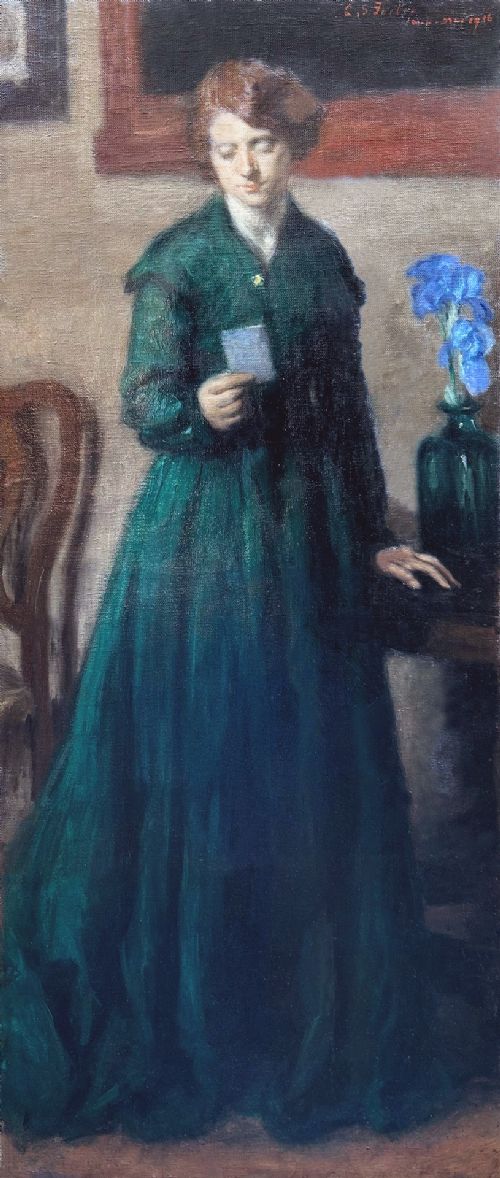
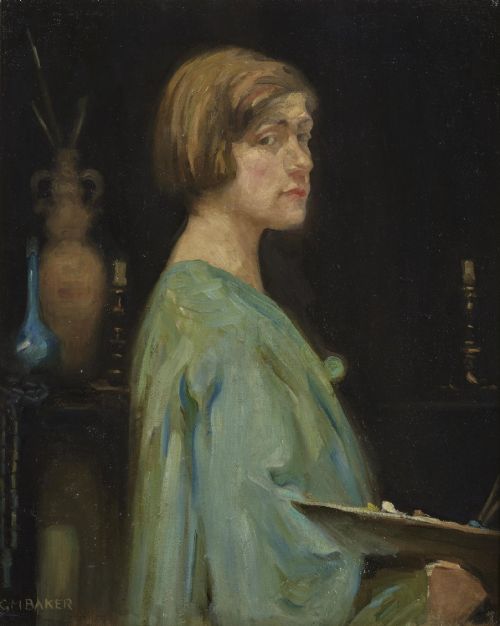
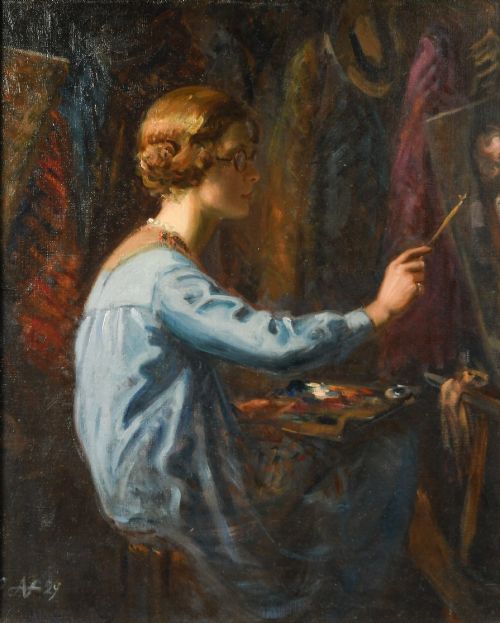
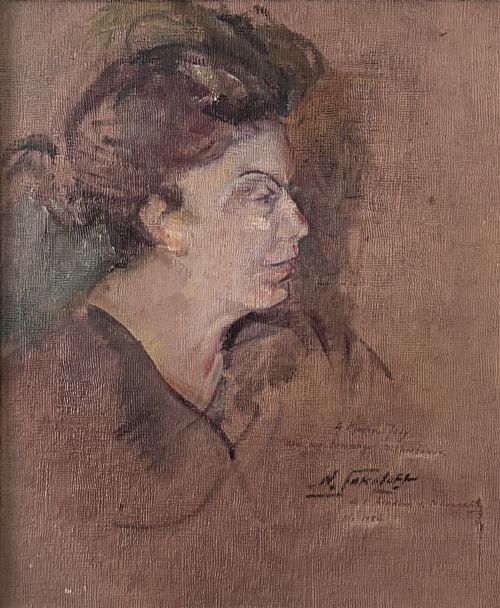
An impressionist female portrait depicts women through fluid brushwork and atmospheric lighting, capturing fleeting moments rather than rigid likenesses. These works span from the late nineteenth century through the mid-twentieth century, showing diverse interpretations of female subjects.
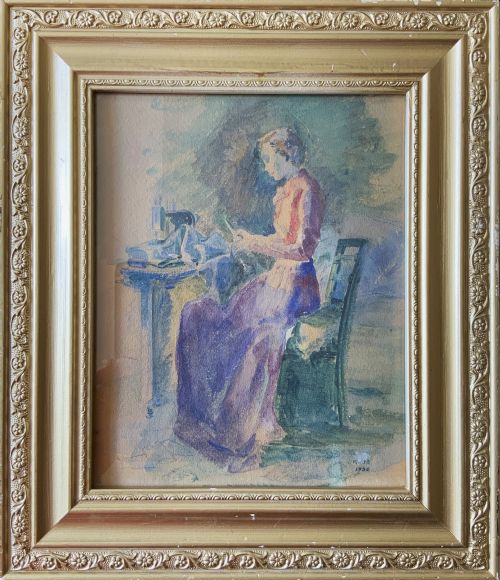
The selections available here include oil on canvas and watercolour on paper, frequently housed within period gilt wood frames. Buyers encounter various movements such as post-impressionism, British impressionism, and mid-century impressionism alongside nineteenth-century realism.
Subjects range from formal depictions in satin evening dresses and kimonos to intimate domestic scenes like a seamstress at work. Each piece reflects the stylistic conventions of its specific decade, from eighteen-ninety through nineteen-fifty.
Materials and Construction
Artists utilise oil paint on canvas or watercolour on paper to build up the luminous surfaces characteristic of these movements. Pigments are applied with visible, energetic strokes that prioritise overall mood and light over microscopic detail.
Framing is an integral component of the construction, utilising gilt wood and giltwood frames that complement the tonal palette of the paintings. These period frames provide structural support and enhance the visual depth of the artwork.
Retail Price Guide 2026
Typical UK retail prices for impressionist female portrait, calculated from the Sellingantiques database of over a million retail prices indexed since 2003. This retail price guide relies exclusively on Sellingantiques data; no external sources or auction records are used, so the figures do not describe the wider market.
The inventory spans from the nineteenth century up to nineteen-fifty, featuring oil on canvas and watercolour on paper.
Assessing Artistic Quality
The upper tier of works demonstrates confident handling of light and shadow, where the economy of brushstrokes successfully conveys the sitter's presence and atmosphere. Weaker examples rely on flat application and uninspired colour harmony.
Framing integrity also influences the overall standard, as original or period-appropriate gilt wood frames preserved in sound condition elevate the piece. The relationship between the painted surface and its housing determines the aesthetic cohesion.
Charles Stuart Forbes·Paul Schier·Gaston Bouy·Antonio Ribas Y Oliver·Harry John Pearson
The Impressionist Female Portrait Glossary
- Oil on Canvas
- A traditional painting medium consisting of pigment suspended in drying oil, applied to a stretched woven fabric support. This combination allows for rich colour blending and textured impasto effects.
- Watercolour on Paper
- A method where water-soluble pigments are applied to paper, creating luminous, transparent washes. It requires swift execution, aligning closely with impressionist ideals of capturing fleeting moments.
- Gilt Wood Frame
- A wooden moulding coated with a thin layer of gold leaf or metallic gilt, designed to enclose and protect a picture. These frames often reflect the decorative tastes of the artwork's period.
- Post-Impressionism
- An art movement extending impressionist techniques while rejecting its limitations, favouring more symbolic content and geometric forms. Artists in this tradition pushed colour and brushwork towards greater expressiveness.
- Impressionism
- A nineteenth-century art movement characterised by relatively thin, small, yet visible brush strokes and an emphasis on accurate depiction of light. The focus remains on ordinary subject matter presented from an unusual visual angle.
Frequently Asked Questions
What defines an impressionist female portrait?
These works focus on capturing the transient effects of light and atmosphere upon a female subject rather than producing a photographic likeness. Artists use loose, visible brushwork to convey movement and emotion.
Subjects range from formal seated portraits in evening attire to domestic scenes involving everyday activities.
How do I date these artworks?
Dating relies on stylistic clues, framing materials, and artist signatures recorded across the canvas or paper support. Works span from the late nineteenth century through to nineteen-fifty.
Mid-century examples often exhibit bolder brushwork, while nineteenth-century pieces lean closer to traditional realism combined with impressionist light handling.
What framing is typical?
Many works are housed in period gilt wood or giltwood frames that match the aesthetic of the painting era. These frames enhance the visual impact of the canvas.
Collectors often value pieces retaining their original framing, as it preserves the historical context of the artwork.
How should I care for these paintings?
Protect oil and watercolour works from direct sunlight and stable humidity levels to prevent canvas degradation or paper fading. Dust gilt wood frames gently with a dry, soft cloth.
Avoid hanging these pieces in damp environments or areas prone to drastic temperature fluctuations.