



Edwardian Style Wall Mirror
An edwardian style wall mirror brings period character to a room, offering decorative wooden and gilded frames suited to traditional interiors.
Edwardian Style Wall Mirror
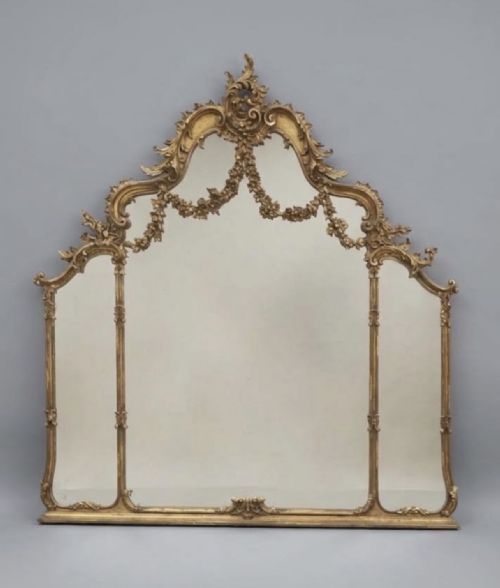
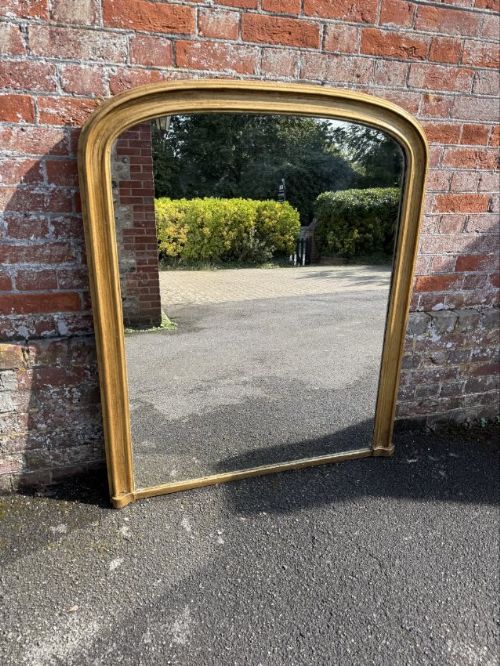
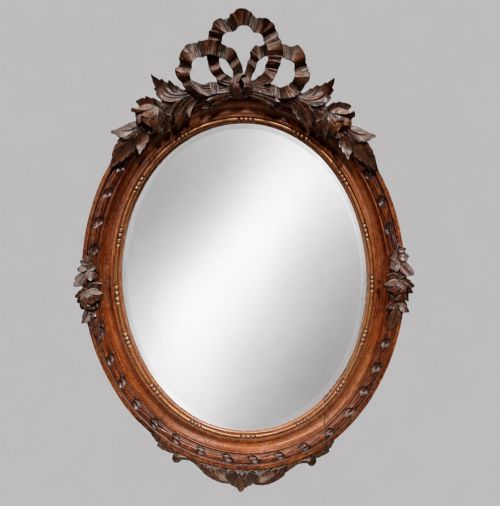
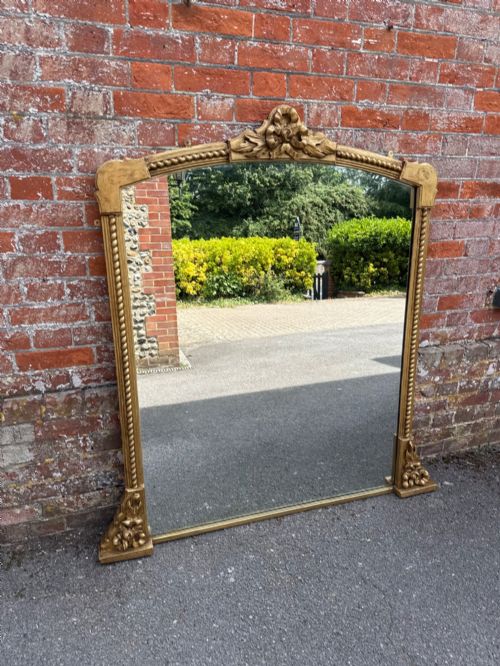
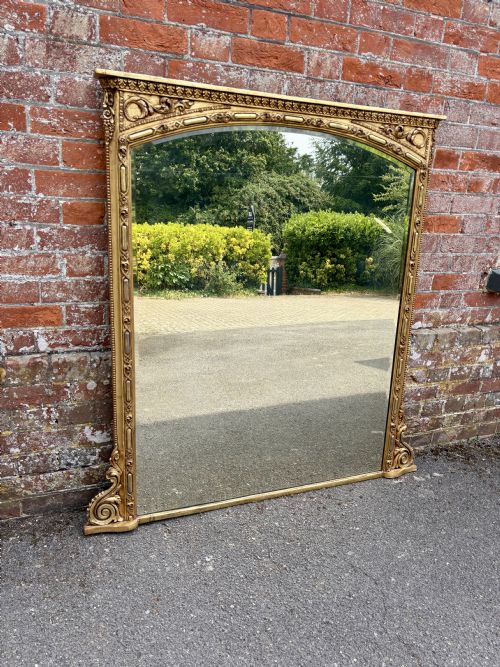
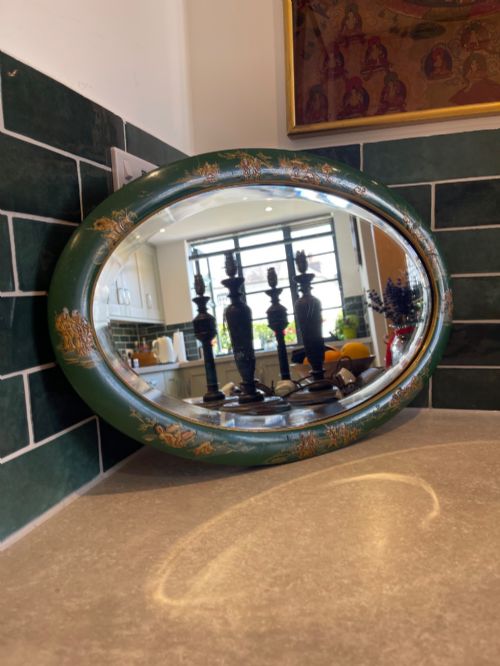
When searching for an edwardian style wall mirror, buyers encounter a selection spanning the Edwardian period, the Victorian era, and the early twentieth century. The inventory on this page consists mainly of wall mirrors, overmantel mirrors, and oval wall mirrors.
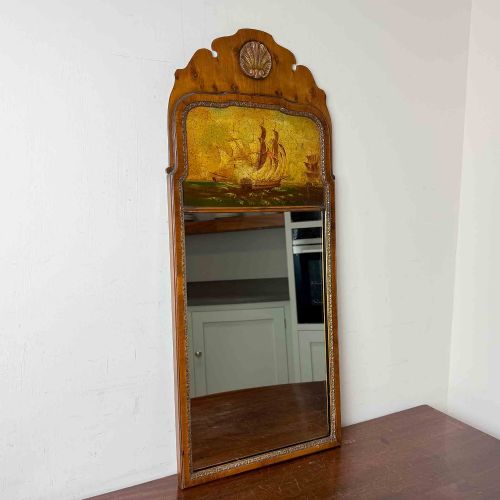
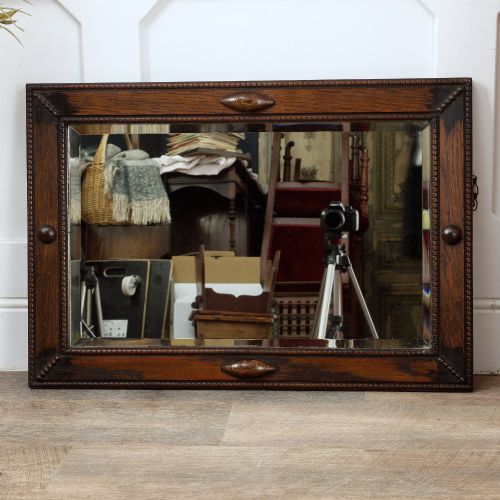
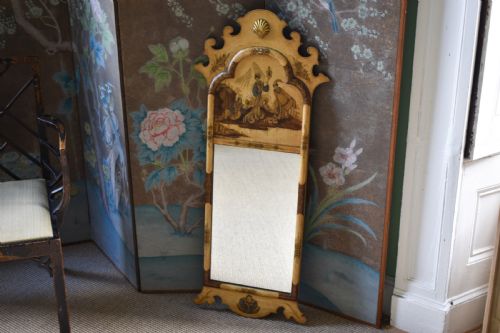
Makers drew on diverse design revivals, producing pieces in Queen Anne, Regency, Chippendale, and Adam styles alongside Arts and Crafts designs. Materials range from traditional giltwood and carved gesso to mahogany, oak, yew wood, and repoussé copper.
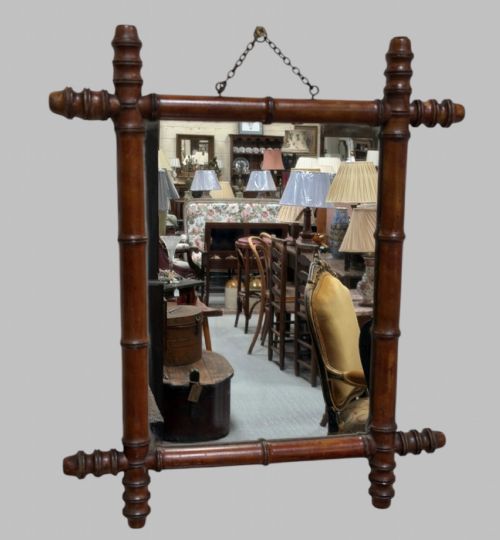
Most items reflect domestic interiors of the late nineteenth and early twentieth centuries, though some examples incorporate exotic elements like faux bamboo, bone, and mother of pearl inlay.
How They Were Made
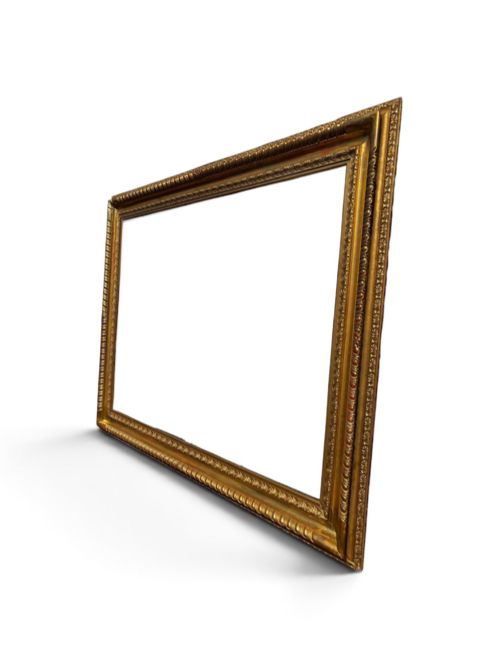
Craftsmen built timber frames using woods such as mahogany, oak, and yew, frequently applying carved wood and gesso to create ornamented surfaces. Giltwood pieces utilised gold leaf layered over prepared grounds to achieve a reflective metallic finish.
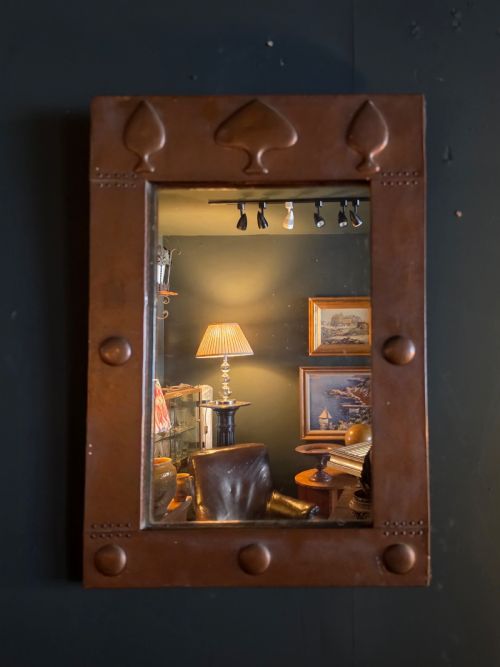
Metal elements in Arts and Crafts examples involved hammered copper with repoussé decoration, showcasing stylised motifs, Celtic knots, and dragon designs. Specialised workshops also produced inlaid work, combining bone and mother of pearl within wooden frames.
One extraordinary piece pairs a stately mirror frame with leaping dolphins and a mythical dragon.
What Varies in Quality
The standard of a mirror often depends on the depth and crispness of the hand-carving applied to the wooden or gesso frame. Elaborate mouldings and finely executed gilding indicate higher workshop standards than simpler pressed decoration.
Material selection and secondary joinery further distinguish the pieces, with solid hardwoods and complex fretwork commanding greater attention from collectors than basic construction.
Liberty and Company
The Edwardian Style Wall Mirror Glossary
- Giltwood
- Wood that has been coated with gold leaf or gold paint. This technique gives the frame a bright metallic appearance.
- Gesso
- A plaster-like material applied to wood frames and carved before gilding. It provides a smooth base for intricate surface ornamentation.
- Overmantel mirror
- A large mirror designed to hang above a fireplace mantelpiece. These pieces frequently feature arched or shaped tops.
- Repoussé
- A metalworking technique where metal is hammered from the reverse side to form a raised design. It appears frequently on Arts and Crafts copper frames.
- Fretwork
- Ornamental design created by cutting patterns through thin wood using a scroll saw. It adds delicate openwork detail to mahogany frames.
Edwardian Style Wall Mirror: Frequently Asked Questions
Where should I hang an overmantel mirror?
These large mirrors are traditionally placed directly above a fireplace mantelpiece to reflect light and anchor the room. They also function effectively on principal living room walls.
Ensure the wall fixings match the substantial weight of carved wood and gesso frames before mounting.
How do I identify an Arts and Crafts mirror?
Arts and Crafts mirrors typically feature hand-hammered copper frames with repoussé decoration, stylised motifs, or Celtic knots. Oak is frequently used as the primary timber in these designs.
They reflect a shift away from mass production toward handcrafted artistic expression.
What is a Chinoiserie mirror?
Chinoiserie mirrors incorporate European interpretations of Chinese artistic motifs, often displayed through painted or lacquered decoration on the frame. They reflect eighteenth-century revival tastes popular in later periods.
These pieces suit rooms featuring patterned wallpapers and antique furnishings.
Can these mirrors be used in hallways?
Smaller oval wall mirrors and console table combinations fit well in narrow entrance halls. They help brighten darker corridors by reflecting available natural light.
Choose lighter wood frames or gilded finishes to maximise the sense of space.