


Vintage Gilded Wood Mirror
A vintage gilded wood mirror brings warmth and reflective depth to a room, carrying the weight of centuries in its carved frame.
Vintage Gilded Wood Mirror
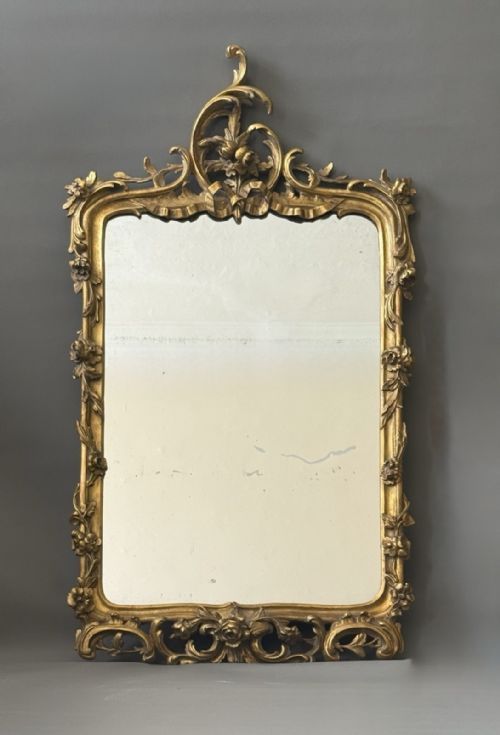
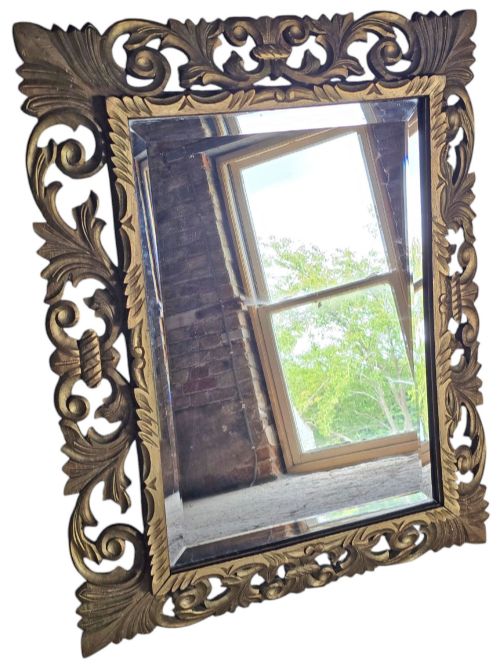
When searching for a vintage gilded wood mirror, buyers encounter a diverse selection of wall mirrors, overmantel mirrors, and girandoles spanning the eighteenth, nineteenth, and early twentieth centuries. These pieces emerge from English, French, and Italian traditions, encompassing styles from Georgian symmetry to exuberant Rococo Revival curves.
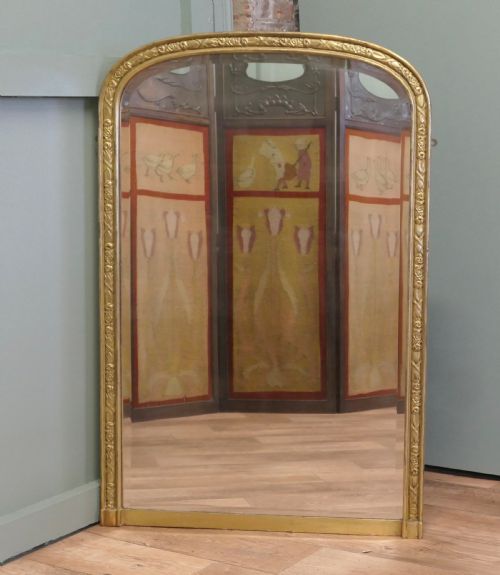
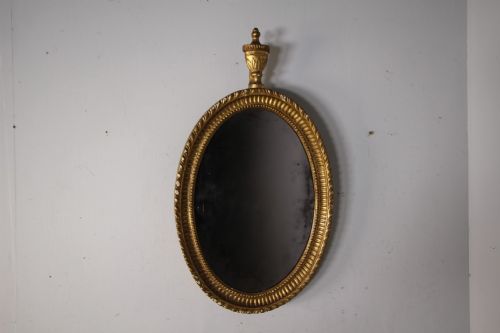
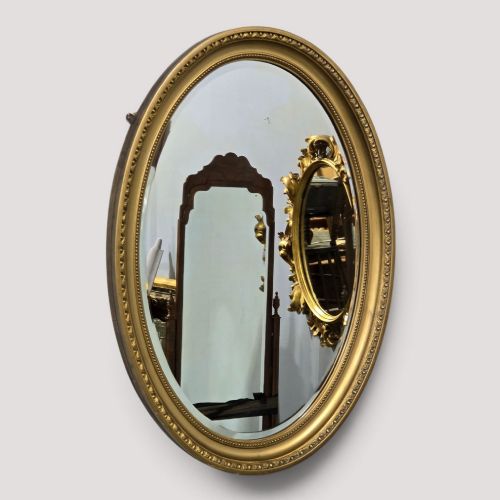
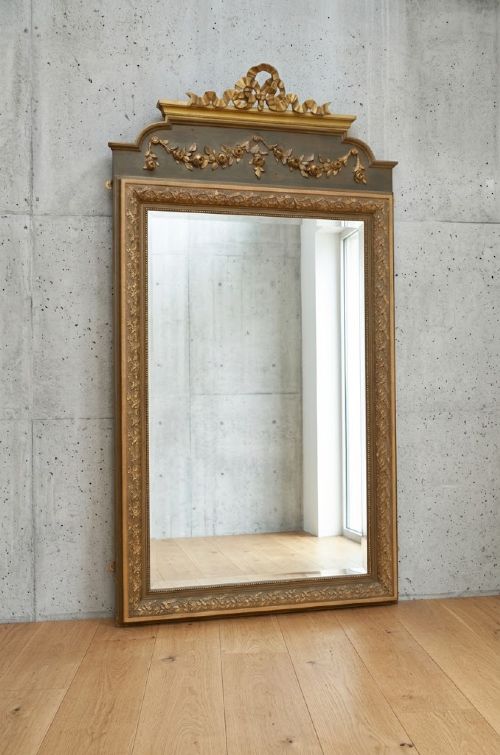
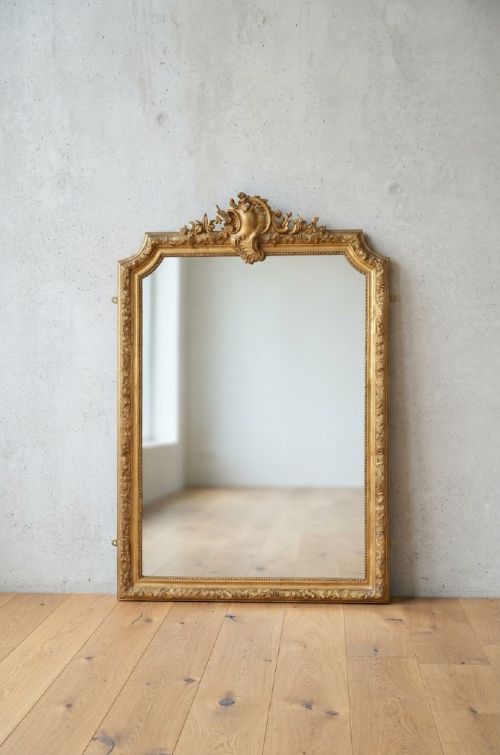
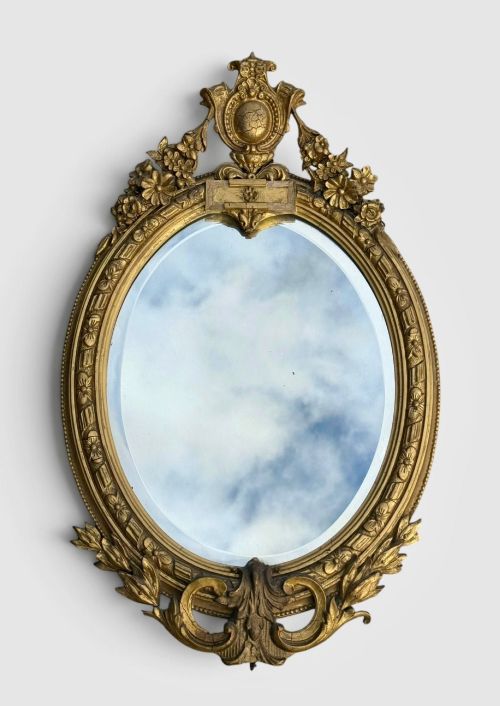
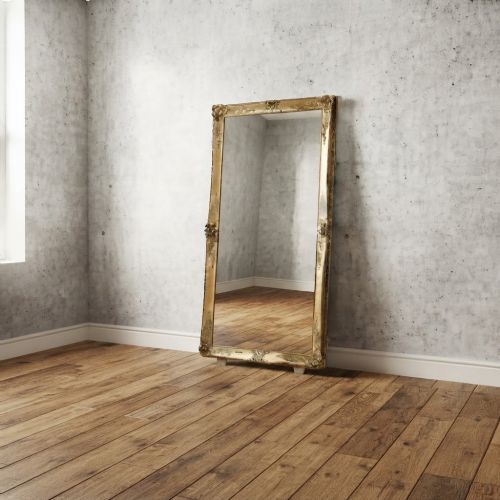
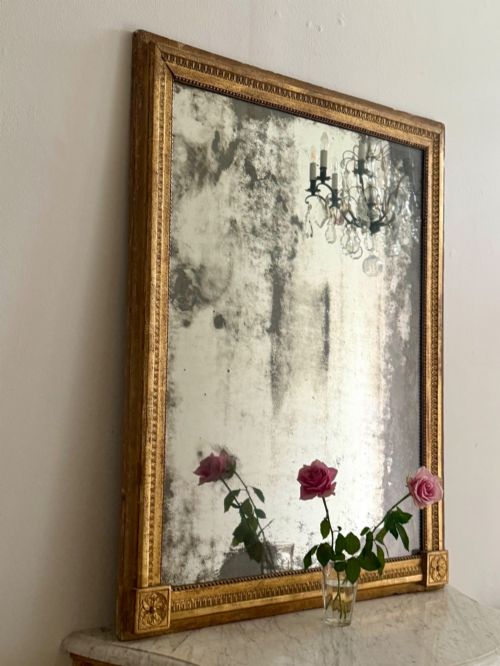
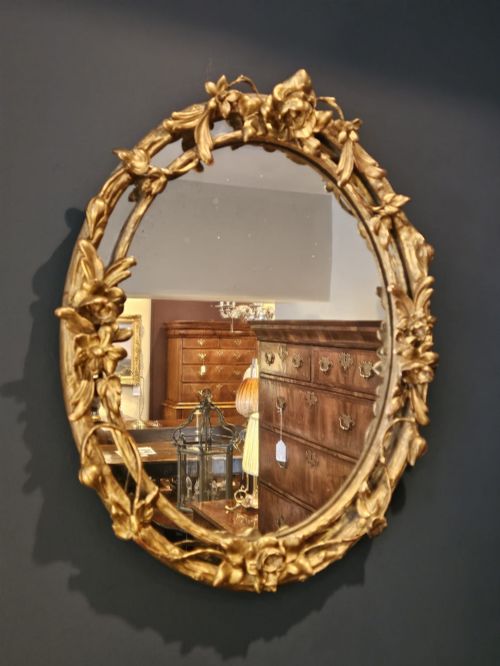
The inventory on this page showcases large statement overmantels, tall leaner mirrors, and intimate oval frames, often bearing the characteristic marks of age such as foxed mercury glass. Whether French chateau or English country house in origin, each object serves as a functional looking glass and a decorative centrepiece.
Materials and construction
Maker's hands shaped these objects from timber such as mahogany and walnut, frequently applying a layer of gesso to create smooth surfaces for intricate relief carving. Artisans then applied gold leaf or liquid gilding over the prepared wood base, achieving a luminous finish that catches natural light.
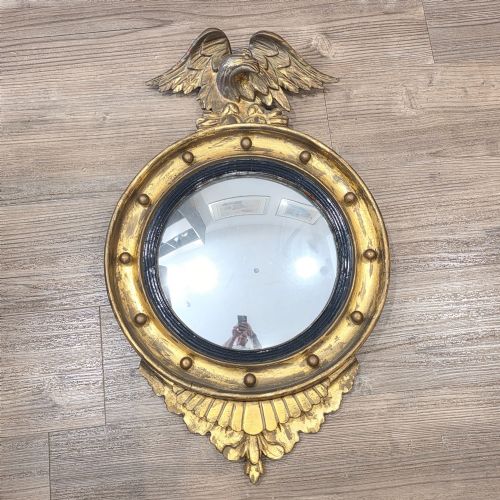
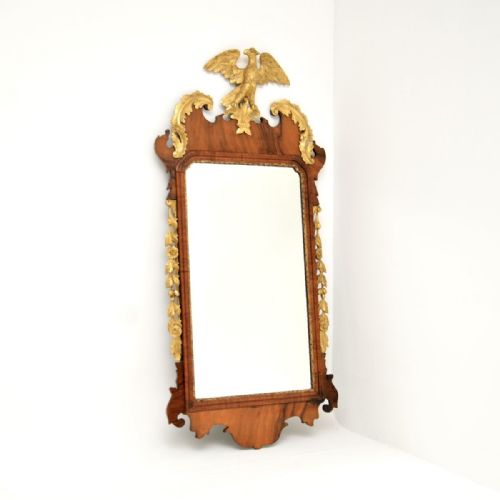
Mirror plates were set into the frames by hand, sometimes utilising antique or mercury glass that develops characteristic dark spots and oxidation over time. Structural joinery and carved crests, including ribbon motifs or spread eagles, demonstrate traditional cabinet-making and gilding techniques.
Listings span from the 18th century through the Victorian era to the 1930s, utilising giltwood, gesso, mahogany, and antique mirror glass.
Distinctions in quality
The calibre of a piece rests primarily on the depth and crispness of the hand-carving within the wood and gesso, where sharper contours signal superior artisan skill. Early surfaces finished with genuine gold leaf age differently and reflect light with greater warmth than later applied metallic paints.
Proportion and architectural balance also divide standard items from exceptional ones, particularly in large overmantel and leaner mirrors where frame distortion must be minimal. Original mirror plates that retain their historic foxing add considerable character compared to modern replacement glass.
The Vintage Gilded Wood Mirror Glossary
- Giltwood
- Wood that has been coated with gold leaf or gold powder. This surface method creates the signature reflective warmth seen on period frames.
- Gesso
- A plaster mix applied to wood frames to provide a smooth base for carving and gilding. Artisans built up this layer before applying gold leaf.
- Overmantel Mirror
- A large mirror designed to hang above a fireplace mantel. These horizontal formats frequently anchor principal reception rooms.
- Girandole
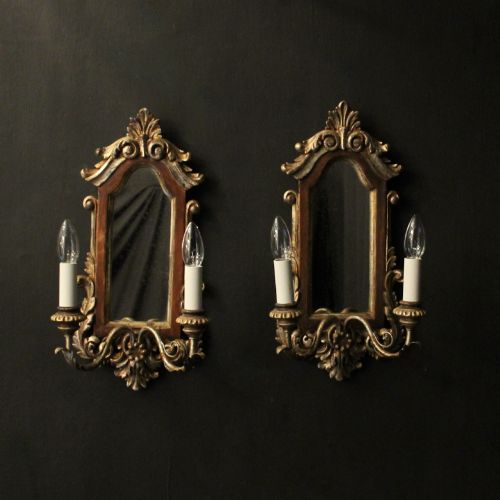
- A decorative wall mirror fitted with candle sconces attached to the frame. The polished metal arms reflect candle flame across the room.
- Foxed Glass
- Mirror glass marked by small dark spots and oxidation caused by age. This natural degradation is valued by collectors for authenticity.
Vintage Gilded Wood Mirror: Frequently Asked Questions
How do I hang a heavy overmantel mirror?
Large overmantel mirrors require secure wall fixings anchored directly into masonry or substantial timber studs to support their considerable weight safely. Professional installation ensures the frame remains stable against the wall.
Position the mirror at a height that reflects eye level or architectural elements like chandeliers, enhancing the sense of space within the room.
What is the difference between gesso and carved wood?
Carved wood forms the structural frame itself, shaped directly using gouges and chisels by the cabinet maker. Gesso is a plaster mixture applied over the wood base to build up fine details and relief ornaments.
Examining the edges of the decoration reveals whether fine floral and scroll motifs are sculpted from solid timber or moulded in gesso.
Can I clean the original mirror glass?
Original mirror glass and antique silvering require gentle maintenance using a soft, dry cloth to remove dust. Avoid harsh chemical cleaners that can seep behind the plate and damage the historic backing.
Preserving the existing patina safeguards the character and historic integrity of the glass.
How do I identify a Rococo style mirror?
Rococo style mirrors feature asymmetrical scrolls, C-scrolls, shell motifs, and naturalistic plant forms inspired by eighteenth-century French design. The frames avoid strict symmetry in favour of flowing, organic curves.
Revival versions from the nineteenth and twentieth centuries adopted these same theatrical flourishes and carved crests.