
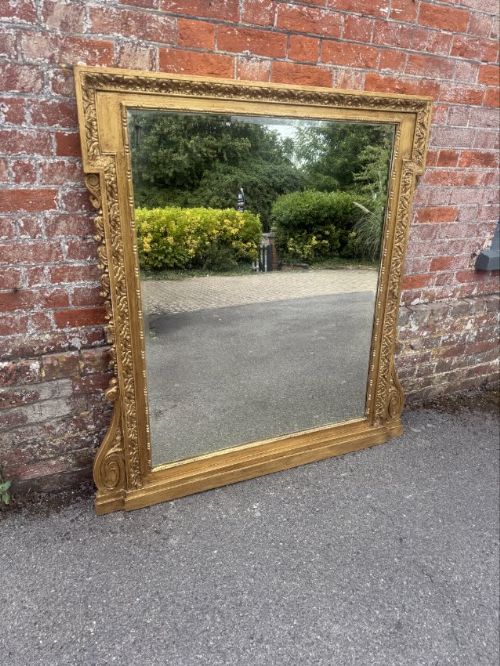
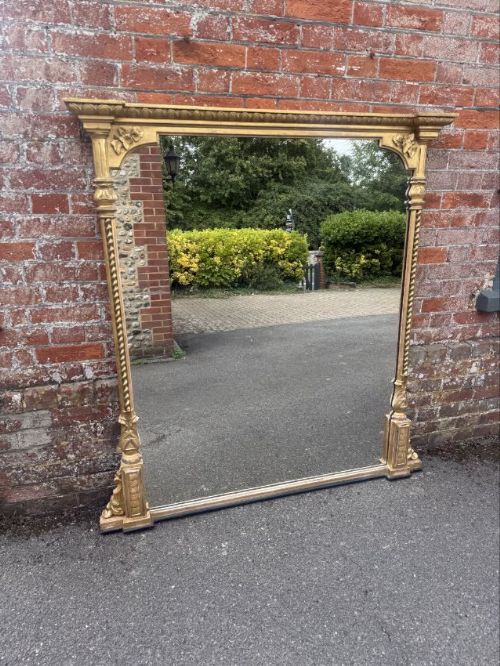
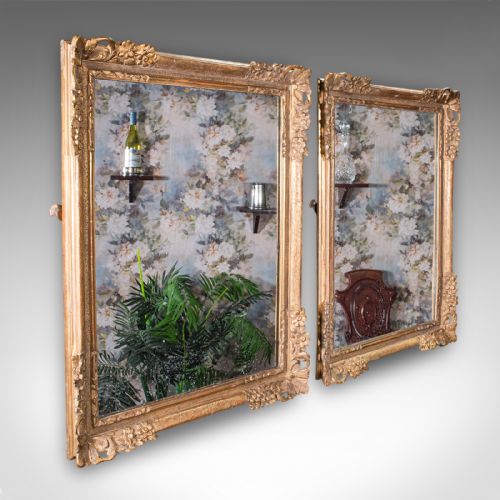
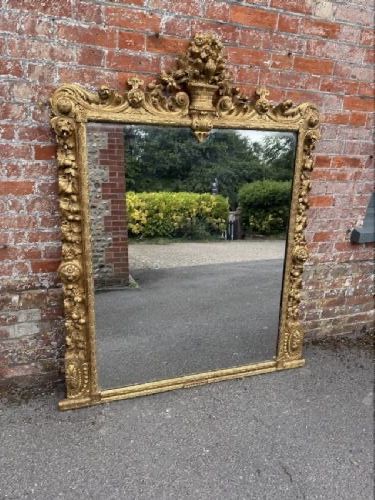
English Framed Mirror
An English antique framed mirror brings period presence and reflected light to a room through centuries of skilled joinery and gilding.
English Framed Mirror
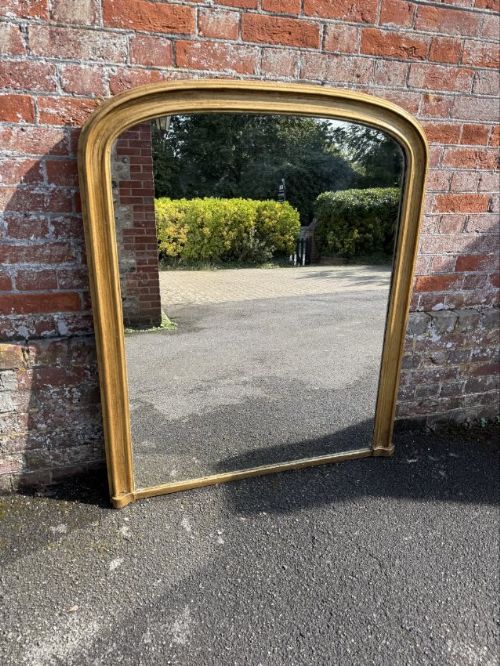
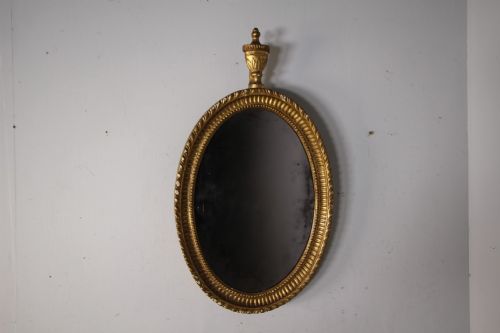
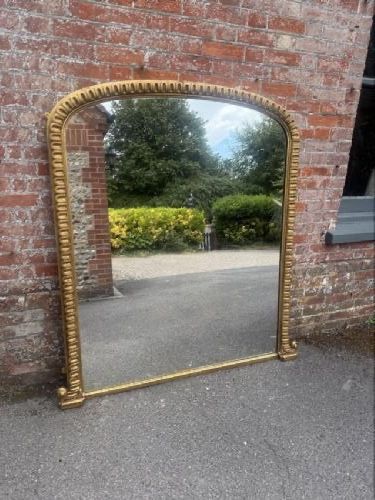
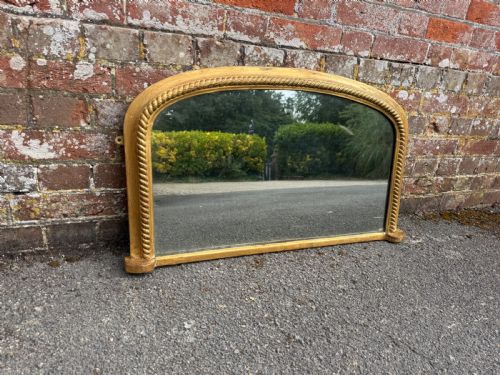
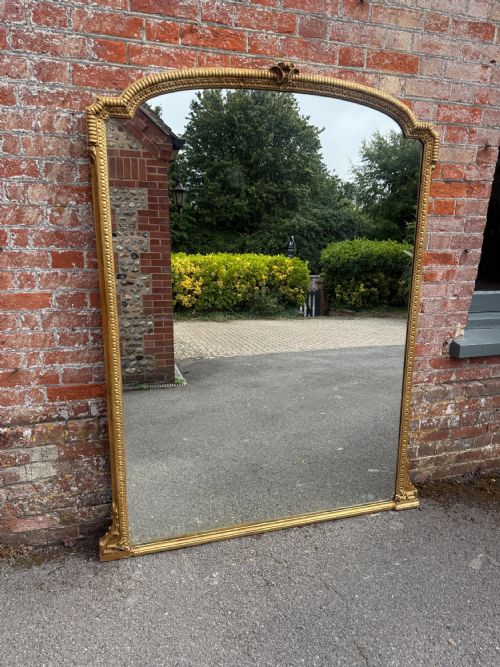
Originating largely from Georgian, Regency, and Victorian periods, these items span styles from ornate rococo revival to clean neoclassical lines. Makers utilised traditional timber frames shaped with arched, shaped, or rectangular tops to anchor domestic interiors.
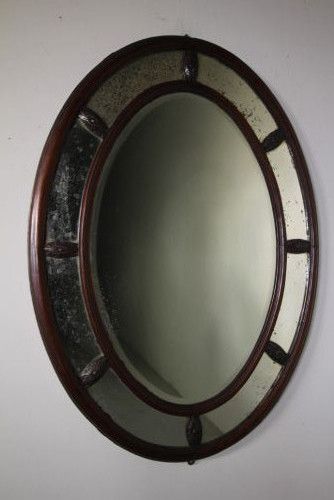
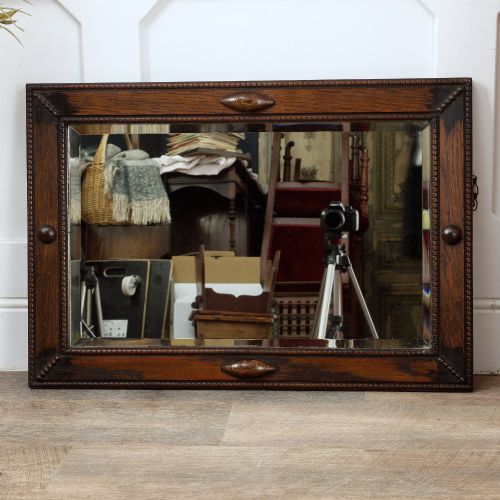
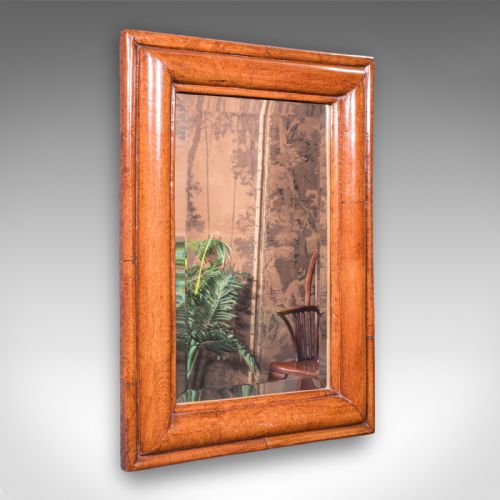
Country house variants in mahogany or walnut sit alongside heavily gilded gesso pieces originally intended for formal reception rooms. Buyers also find smaller vanity mirrors and specialised pub mirrors featuring acid-etched glass plates.
How They Were Made
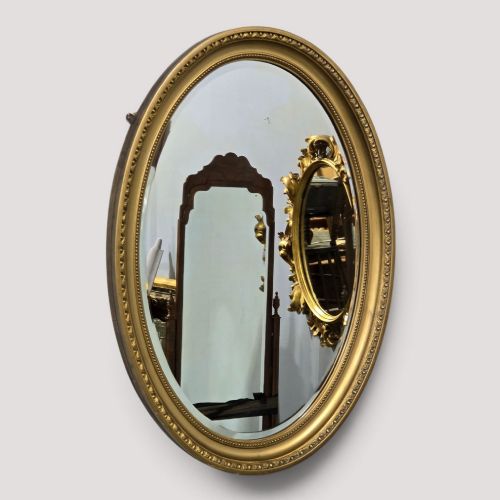
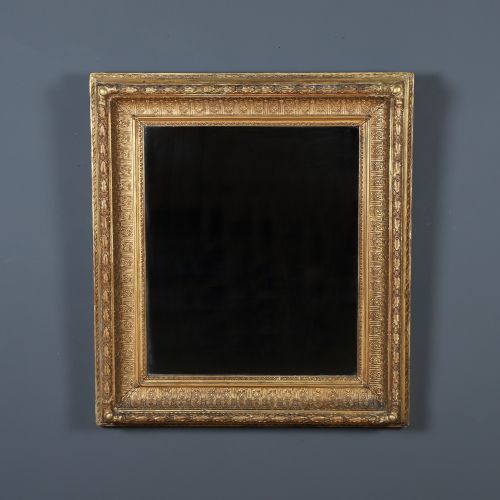
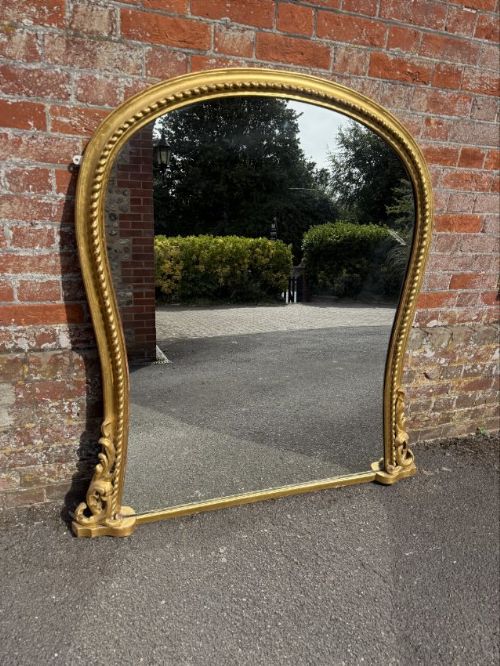
Makers constructed the structural frames from solid timbers such as mahogany, oak, and walnut, frequently applying a layer of gesso over carved softwoods to build up intricate relief details. Composition ornament, moulded from a paste of whiting, resin, and glue, was often applied to wooden carcases to create repetitive motifs like rope twists and leaf borders.
Gilt finishes were achieved by applying gold leaf over bole to prepared gesso grounds, allowing artisans to burnish specific areas for contrast. Mirror plates were traditionally silvered using mercury or silver nitrate solutions, often resulting in natural foxing and oxidation over time.
Listings feature items spanning the Georgian, Regency, Victorian, and Edwardian periods, utilising materials including giltwood, mahogany, walnut, and gesso.
What Varies In Quality
Quality rests significantly on the depth and crispness of the hand-carved woodwork and the integrity of the applied gesso ornamentation. Crisp undercut carving and sharp architectural mouldings distinguish superior pieces from softer, mass-produced alternatives.
The originality of the components determines long-term merit, particularly whether the mirror plate retains its original silvering and foxed character. Frames that preserve their primary gold leaf or oil gilt surfaces without extensive later overpainting command greater regard.
The English Framed Mirror Glossary
- Gesso
- A plaster-like mixture applied to wooden frames as a smooth base for gilding or painting. Artisans carved intricate decorative details directly into this dried compound.
- Giltwood
- Timber that has been coated with gold leaf or gold paint to produce a rich metallic finish. It forms the primary visual signature of many formal nineteenth-century frames.
- Overmantel Mirror
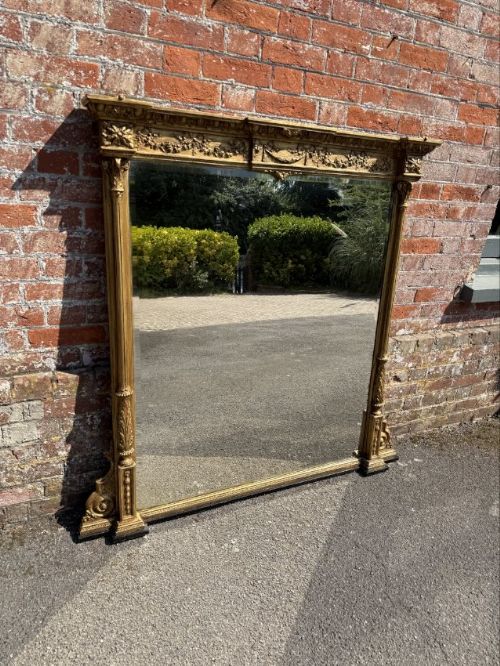
- A large mirror specifically proportioned to hang on the wall directly above a fireplace mantelpiece. These pieces frequently feature arched or shaped tops to mirror architectural openings.
- Foxing
- The natural age-related spotting, browning, and oxidation occurring within the reflective backing of antique mirror glass. Collectors often prize this characteristic for authentic period visual texture.
- Composition
- A pliable moulded compound of chalk, resin, and oil pressed into metal dies to form decorative reliefs. It offered a cost-effective alternative to hand-carving complex framing borders.
English Framed Mirror: Frequently Asked Questions
How do I hang a heavy overmantel mirror safely?
Large nineteenth-century overmantel frames carry substantial weight due to their dense timber and gesso construction. Secure installation requires professional wall anchors fixed directly into structural masonry or heavy studwork rather than standard plasterboard.
Weight distribution brackets or integrated mirror plates should be inspected prior to hanging to ensure the wooden frame can support the vertical load safely.
What causes foxing on antique mirror glass?
Foxing develops when atmospheric moisture slowly breaches the protective backing of the mirror plate, interacting chemically with the silver or mercury layer. This process creates distinctive dark spots and cloudy patches across the glass over many decades.
Rather than a defect, this natural ageing confirms the antiquity of the glass plate and adds distinct visual character to period interiors.
How do I tell a Regency mirror from a Victorian one?
Regency mirrors frequently display neoclassical restraint, featuring giltwood frames ornamented with ball drops, reeded columns, and classical motifs inspired by ancient Rome and Greece. Victorian pieces tend toward heavier proportions, incorporating elaborate rococo revival scrolls, deep architectural mouldings, and intricate rope twist gesso details.
Examining the construction methods, backboards, and fastener types helps confirm the specific manufacturing period.