
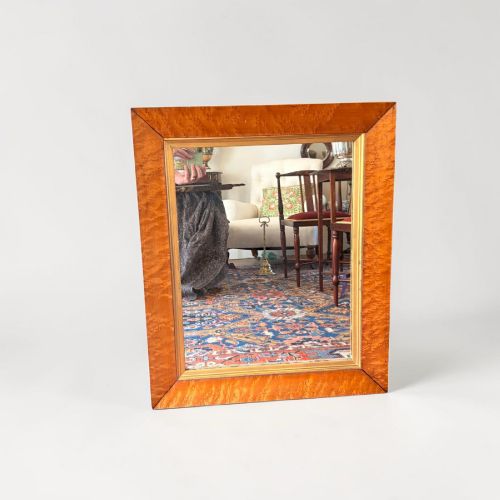
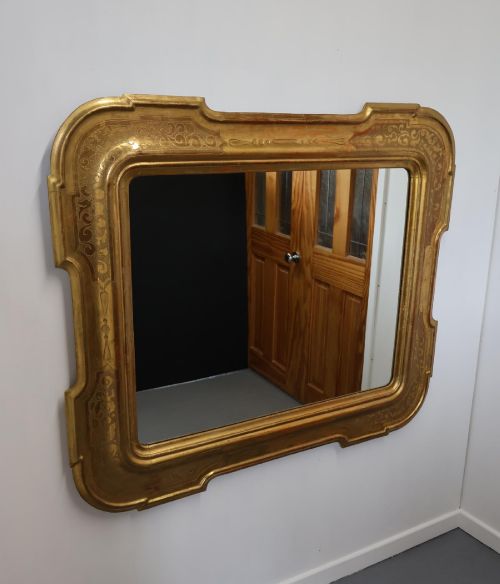
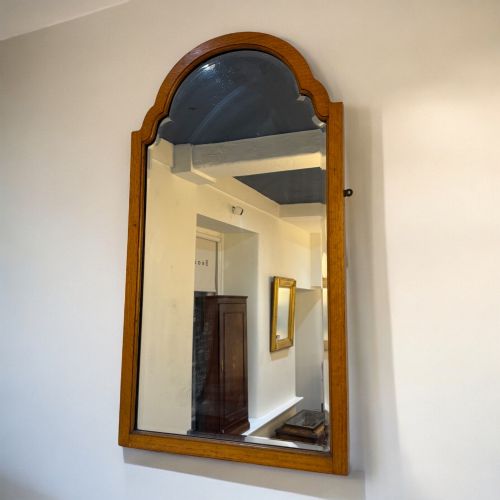
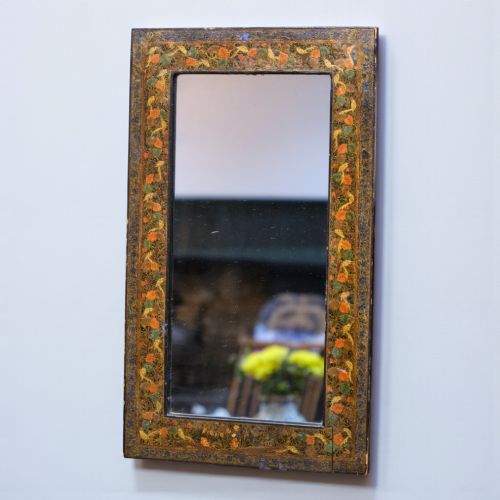
Vintage Framed Mirror
A vintage framed mirror brings historical depth and reflective light to a room, spanning periods from the eighteenth century to the early twentieth.
Vintage Framed Mirror
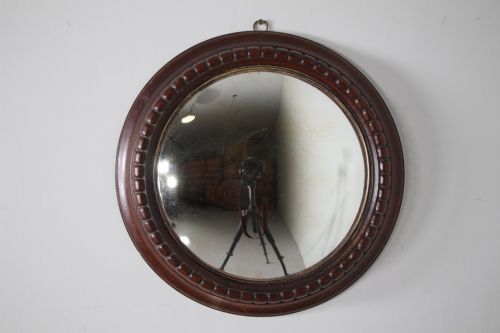
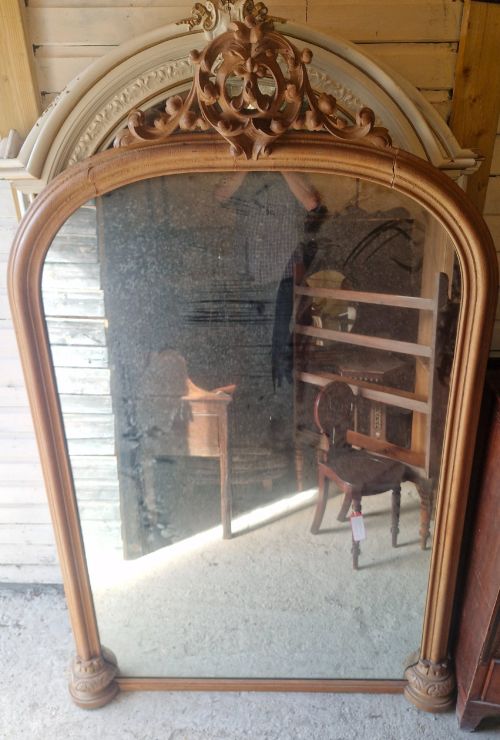
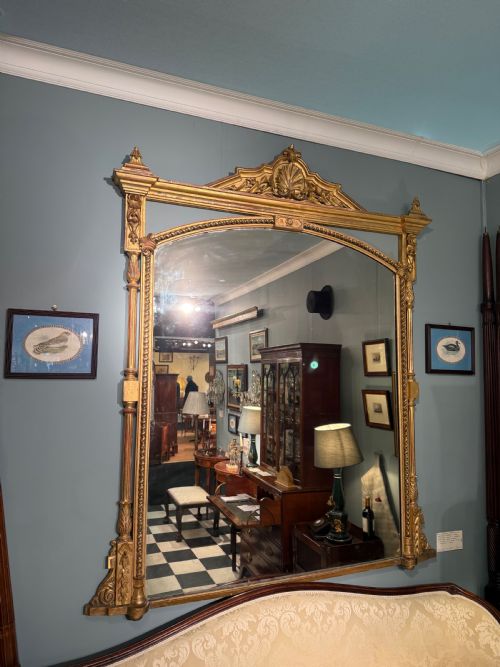
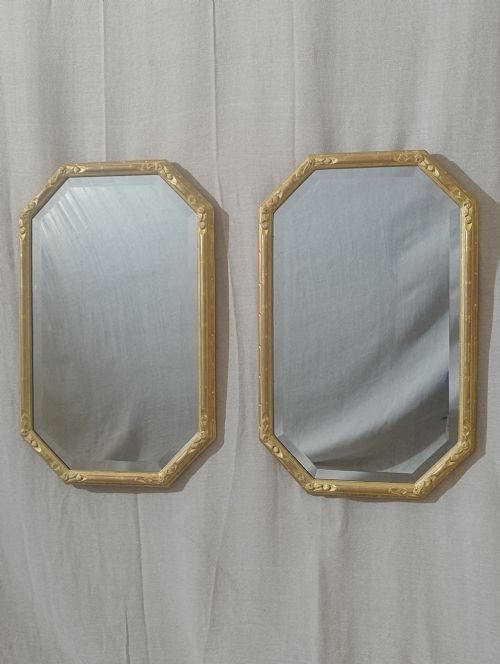
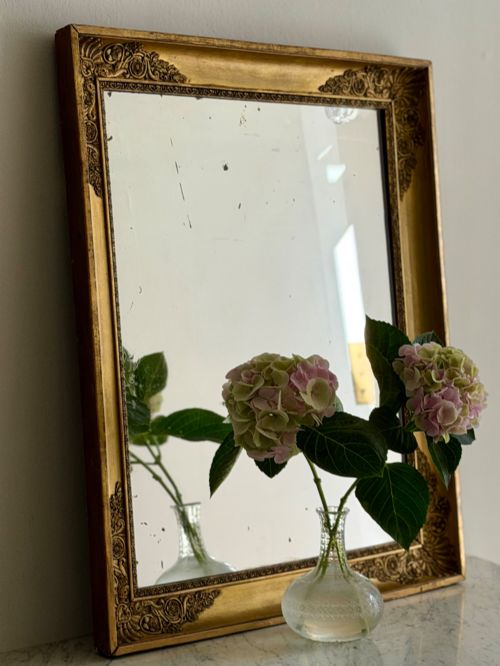
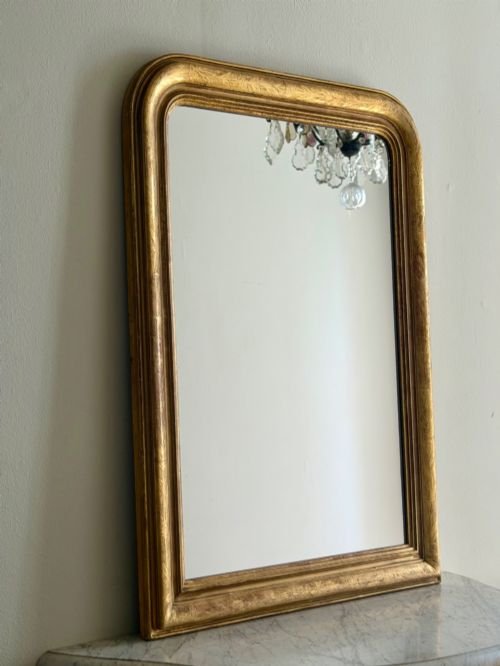
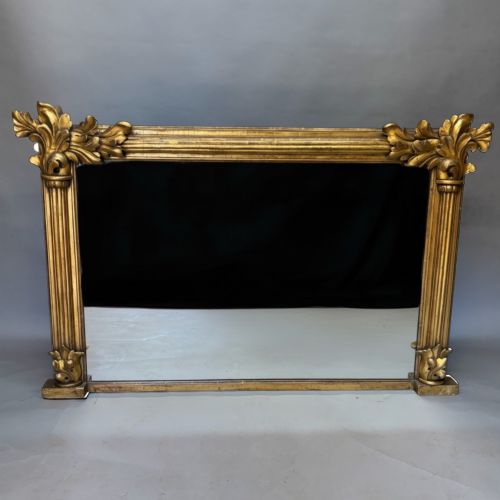
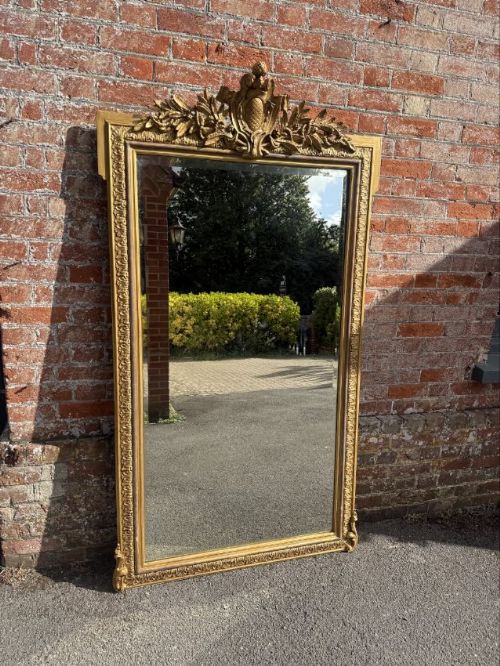
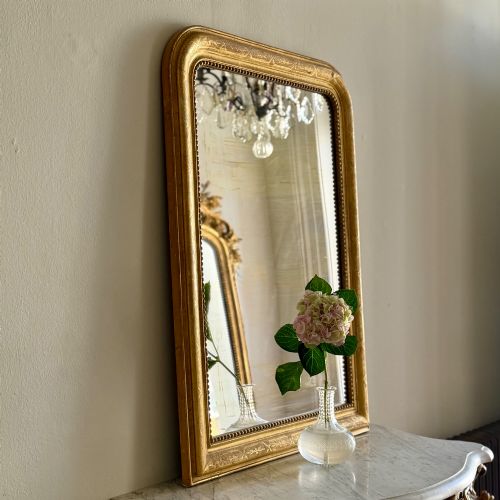
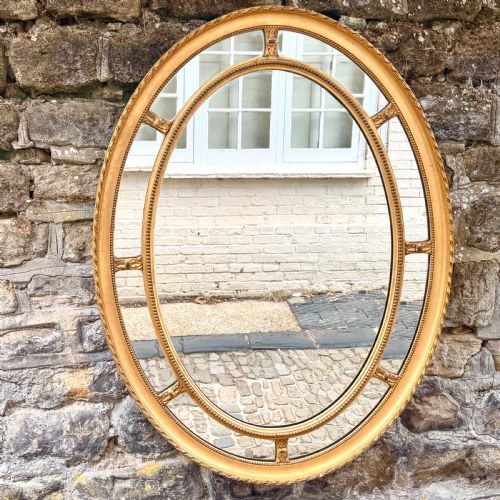
When searching for a vintage framed mirror, buyers encounter a diverse selection of wall hanging, overmantel, and dressing table forms originating from British, French, and Italian workshops. The inventory spans the eighteenth, nineteenth, and early twentieth centuries, encompassing Victorian, Edwardian, and Regency eras alongside revival styles such as Louis Philippe and Rococo.
The most common formats on this page are wall-mounted rectangular and oval pieces, often featuring ornate carved woodwork or simpler timber mouldings. Overmantel mirrors and smaller swing dressing table mirrors appear frequently, constructed from materials ranging from heavy giltwood to polished oak and mahogany.
How they were made
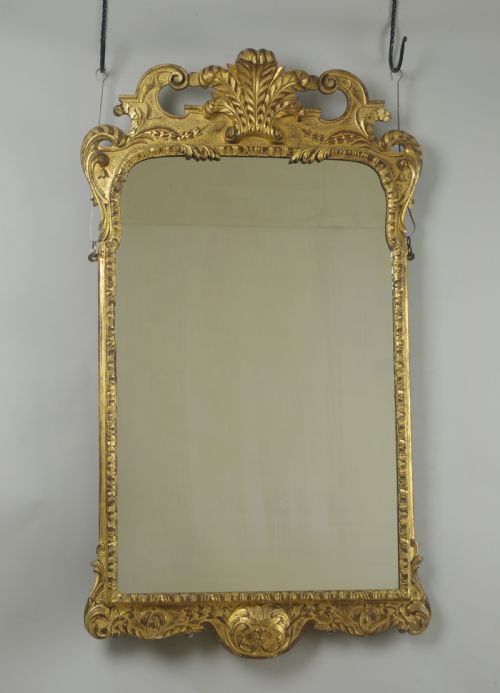
Frames are constructed from foundational hardwoods such as oak, walnut, mahogany, and pine, which are then carved, painted, or finished with gesso and gold leaf. Giltwood and gesso pieces utilise traditional layering techniques where chalk or plaster is applied over wood before gilding to create raised decorative motifs and ribbon crests.
Glass plates vary by period, with older examples featuring mercury glass or hand-bevelled edges set into the wooden or cast frames. Cabinetmakers and gilders employed joinery methods appropriate to each era, from pegged mortise and tenon joints in earlier oak frames to precise mitred corners in later decorative pieces.
Listings feature eighteenth-century pieces alongside Victorian and Edwardian examples, utilising materials such as giltwood, gesso, mahogany, and oak.
What varies in quality
The distinction between standard and superior pieces lies in the depth and crispness of the hand-carved ornamentation on the wood and gesso frames. Finer examples display meticulous detailing in scrollwork, floral motifs, and gilding application, whereas lesser pieces rely on simpler moulded compositions.
Integrity of the materials also dictates value, with original mercury glass plates and robust, uncompromised structural joinery elevating a piece. The harmony between the original frame finish and the glass plate reflects the skill of the original maker.
Waring & Gillow·P & MA Nicholson
The Vintage Framed Mirror Glossary
- Gesso
- A plaster-like mixture applied to wood frames to create a smooth surface for gilding or painting. It is frequently moulded into ornate relief patterns.
- Overmantel mirror
- A large horizontal mirror designed specifically to hang on the wall above a fireplace mantel. These pieces often serve as central focal points in a room.
- Mercury glass
- An early type of mirror plate produced by pouring a silvering mixture of mercury and tin behind double-walled glass. It often develops characteristic foxing spots over time.
- Trumeau mirror
- A tall wall mirror incorporating a painted or carved panel above the glass plate. Originating in France, these pieces were designed to fit between windows.
- Girandole
- A decorative wall mirror featuring attached candle sconces or arms extending from the frame. The polished glass reflects the candlelight to brighten the interior.
Vintage Framed Mirror: Frequently Asked Questions
How do I hang a heavy overmantel mirror?
Heavy overmantel mirrors require secure wall fixings anchored directly into masonry or substantial timber studs to support the weight of the wood and glass frame safely.
Professional mirror hangers often utilise heavy-duty wall brackets or French cleats distributed evenly across the back structure to ensure stability.
What is foxed glass on old mirrors?
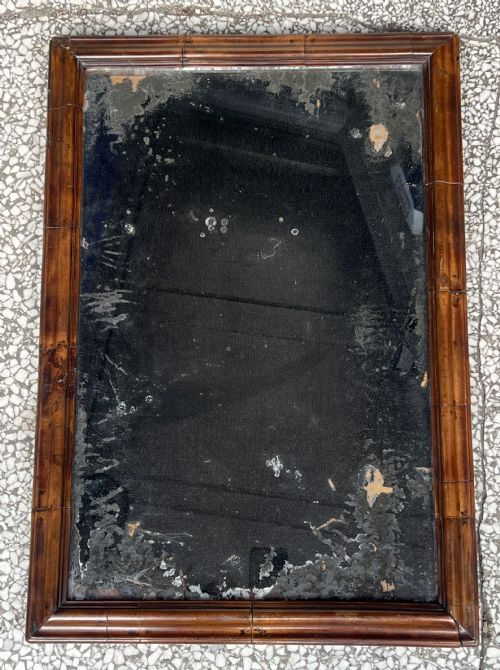
Foxing refers to the natural age spots and discoloration that develop behind the glass plate as the silvering degrades over decades. This oxidation process creates a mottled, atmospheric reflection valued by collectors for authenticity.
Older mercury plates and early nineteenth-century silvered glass are particularly prone to this characteristic spotting.
Can I place these mirrors in a bathroom?
Humidity and moisture in bathrooms can damage historic gesso, vulnerable wood finishes, and the original silver backing of antique mirror plates. Placing them in dry living areas, hallways, or bedrooms preserves the materials.
If positioned near a sink or bath, ambient steam accelerates the degradation of both the frame and the reflective surface.