
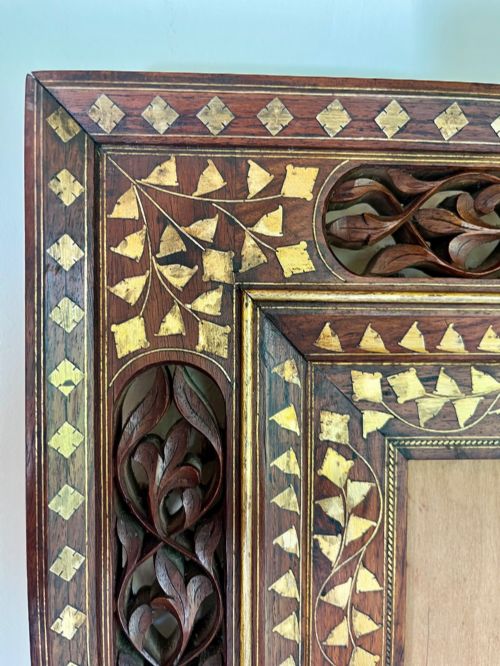


Rosewood Frame Mirror
A rosewood frame mirror brings rich grain and deep colour to a room, offering both a functional glass and a striking decorative presence.
Rosewood Frame Mirror
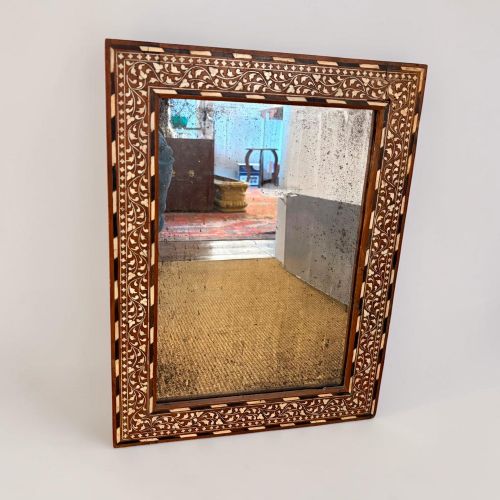
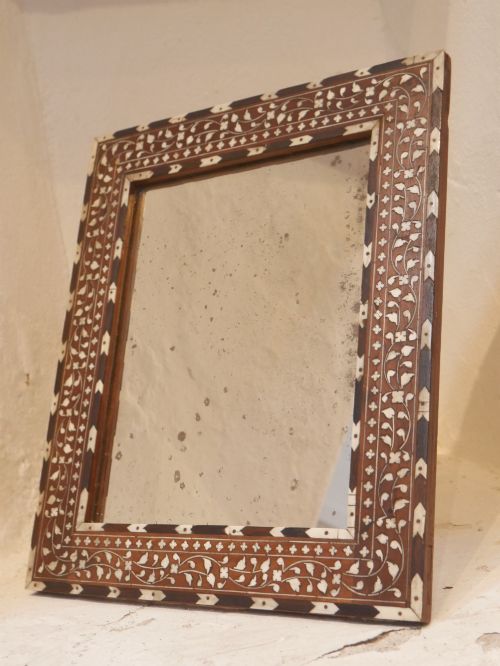
When you search for a rosewood frame mirror, you encounter pieces spanning the Regency, Victorian, and Edwardian periods, alongside specialised regional styles such as Anglo-Indian and Indo-Portuguese work. The selection ranges from compact hanging wall mirrors to large overmantel and pier mirrors designed to anchor a principal reception room.
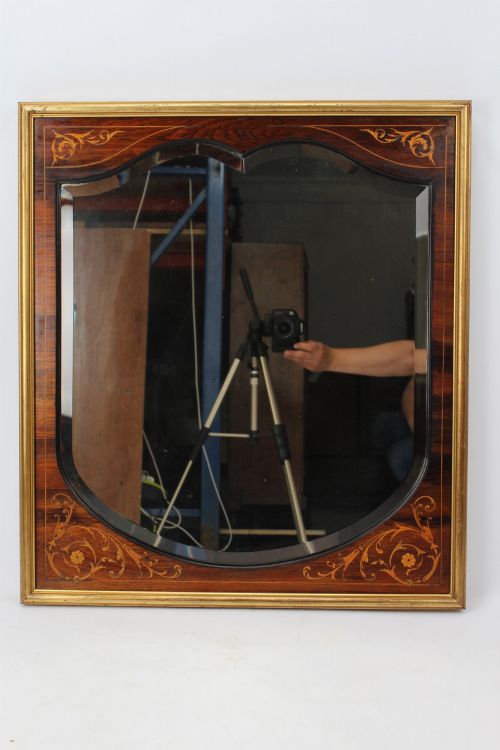
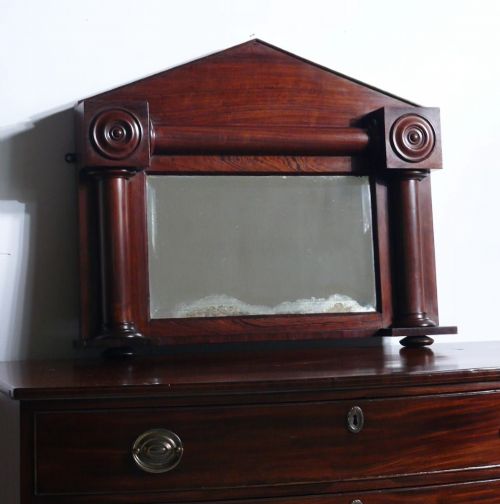
The most common formats you will meet on this page are Victorian wall and overmantel mirrors, frequently incorporating marquetry, gilt details, or architectural proportions. Regency examples also appear regularly, often defined by clean cushion frames or gilt accents that reflect the neoclassical taste of the era.
What varies in quality
The standard of a rosewood frame mirror rests upon the crispness of its joinery, the depth and figuring of the timber veneer, and the complexity of any inlay work. Superior examples display seamless mitred corners, perfectly flat mirror plates, and hand-carved relief that retains sharp undercut edges without softening.
Lesser pieces often rely on simpler geometric shapes with plain surrounds, heavier secondary woods, or machine-cut elements that lack the tactile precision of earlier workshops. The integration of auxiliary materials like brass wire or bone inlay also indicates the maker's investment of time and specialised skill.
Some nineteenth-century makers hid intricate bone inlay within dark timber so dense it sank straight to the bottom of a bucket.
The Rosewood Frame Mirror Glossary
- Overmantel mirror
- A large horizontal looking glass designed specifically to hang above a fireplace mantelpiece. These pieces often feature architectural cornices or arched tops to echo the surround.
- Cushion frame
- A convex profile framing member that slopes gently outward from the glass to the outer edge, creating a volumetric border popular during the Regency period.
- Marquetry
- The art of applying decorative veneer pieces in various woods to form geometric or pictorial patterns. It provides surface contrast against the dark rosewood ground.
- Pier mirror
- A tall, narrow looking glass designed to hang on the wall space between two windows. They frequently sat above console tables to maximise reflected light in nineteenth-century interiors.
- Hoshiarpur
- A region in India renowned for intricate woodwork involving dense bone and wooden inlay. Pieces from this tradition exhibit elaborate overall surface pattern.
Rosewood Frame Mirror: Frequently Asked Questions
How do I hang a heavy overmantel mirror?
Large overmantel mirrors require secure fixing directly into structural wall studs or masonry using heavy-duty brackets suited to the weight of the timber and glass. Professional installation is strongly recommended to support the load safely.
Ensure the hanging wire or integrated D-rings are robust and inspected before mounting to prevent shifting over time.
How do I clean a antique rosewood frame?
Dust the rosewood frame gently with a dry, soft cloth to remove surface particles without disturbing the aged patina or dry wax finish. Avoid commercial liquid polishes that can seep into grain and loosen old veneer.
Apply a light application of quality beeswax periodically if the timber appears dry, buffing it gently with a clean cloth.
How do I distinguish Regency from Victorian mirrors?
Regency mirrors tend to feature restrained neoclassical lines, cushion mouldings, and gilt slip details with a focus on simple geometry. Victorian pieces frequently introduce heavier proportions, extensive marquetry, and architectural arch tops.
Examining the construction methods, backboards, and secondary timbers helps clarify the period of manufacture.