



Georgian Rosewood Mirror
A georgian rosewood mirror brings deep grain and architectural presence to a room, offering the refined proportions collectors seek.
Georgian Rosewood Mirror
A georgian rosewood mirror is a framed looking glass produced during the Georgian and Regency eras, defined by rich timbers and structured forms. These pieces serve as functional wall hangings or pier glasses, bringing depth and traditional design to domestic interiors.
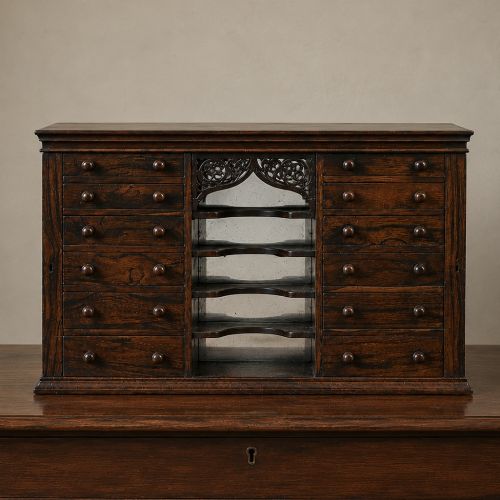
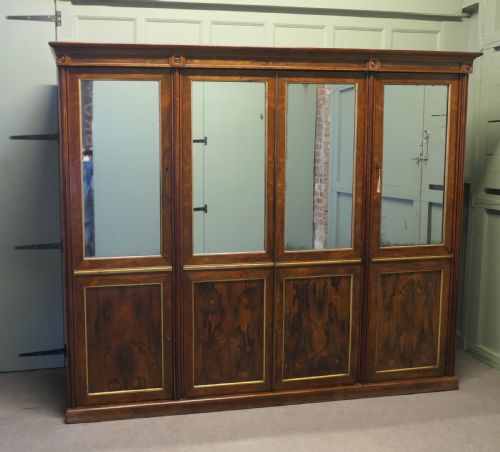
On this page, you are most likely to meet pieces from the Regency period, alongside general 19th Century and 18th Century examples. The forms vary from hanging wall mirrors to pier glass mirrors combined with cabinets, reflecting the versatile output of the era.
How they were made
Cabinetmakers utilised dense rosewood veneers applied to solid secondary timbers, often incorporating contrasting brass inlay to accentuate the grain. These surfaces were hand-polished to a warm sheen that highlights the natural figuring of the wood.
Mirror glass of the period was set within rebated frames, sometimes accompanied by giltwood slips or carved decorative elements. Construction relied on traditional joinery methods appropriate for hanging and standing furniture.
Georgian Rosewood Mirror Retail Price Guide 2026
Typical asking prices for georgian rosewood mirror among the pieces listed under this phrase on Sellingantiques today, from the lower quarter to the upper quarter. They describe what is for sale here now, not the wider market.
Listings feature rosewood, brass, glass, giltwood, and mahogany across various Georgian, Regency, and nineteenth-century forms.
What varies in quality
The quality of a georgian rosewood mirror rests in the selection of the timber veneer and the precision of any brass inlay. Finer examples display balanced grain patterns and crisp carving that complements the architectural lines of the frame.
Proportion and originality dictate the standing of a piece within its period. Refined mouldings and undisturbed surfaces separate standard production items from pieces executed by top workshops.
Gillows
The Georgian Rosewood Mirror Glossary
- Rosewood
- A dense, heavily figured timber valued for its rich dark colour and striking grain patterns. It forms the primary visible surface on these mirrors and associated cabinetry.
- Pier glass
- A tall mirror designed to hang on the wall between windows, frequently placed above a matching console table or pier cabinet. These pieces maximise light in a Georgian room.
- Giltwood
- Wood that has been treated with gold leaf or gold paint to create a bright metallic finish. It appears on slip mounts and decorative mouldings within the frame.
- Regency
- A stylistic period spanning the early nineteenth century, characterised by classical revival motifs and architectural symmetry. Pieces from this era often incorporate bold brass details.
- Chiffonier
- A low cabinet with shelves or drawers, occasionally surmounted by a mirror. Makers combined these functions to provide display and storage space in smaller reception rooms.
Georgian Rosewood Mirror: Frequently Asked Questions
What periods do these mirrors cover?
The selection spans the eighteenth century through to the Regency period and nineteenth century. Each era brings distinct proportions and decorative details.
Buyers will find that earlier pieces lean towards understated classical lines, while Regency examples often feature bolder brass inlay and architectural framing.
Where should I hang a wall mirror?
These mirrors suit principal reception rooms, hallways, or above mantelpieces where they can reflect natural light. Their dark timber frames provide a strong focal point against neutral walls.
Ensure the wall construction supports the weight of the dense rosewood frame and glass securely before hanging.
How do I care for rosewood furniture?
Keep rosewood pieces away from direct sunlight and steady heat sources to prevent the timber and veneers from drying out. Dust regularly with a soft, dry cloth without using heavy silicone polishes.
Maintaining a stable room humidity preserves both the wooden frame and the underlying structure of the mirror.
Are the mirror plates original?
Mirror glass in antique pieces varies, with some retaining early mercury glass plates and others featuring later replacements. Original plates often show characteristic foxing and minor age spots.
Examining the backing boards and the way the glass sits in the rebate helps determine the age of the plate relative to the frame.