
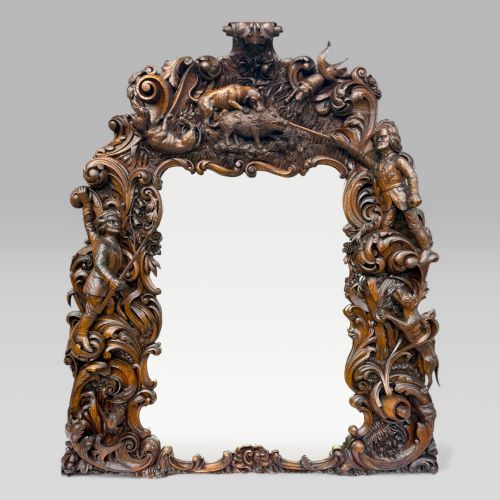
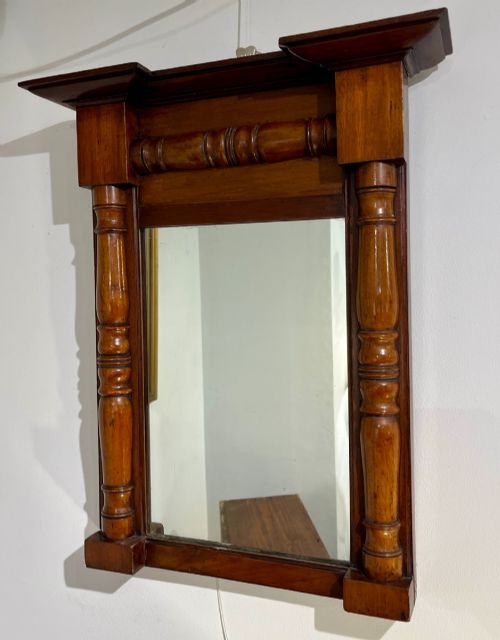
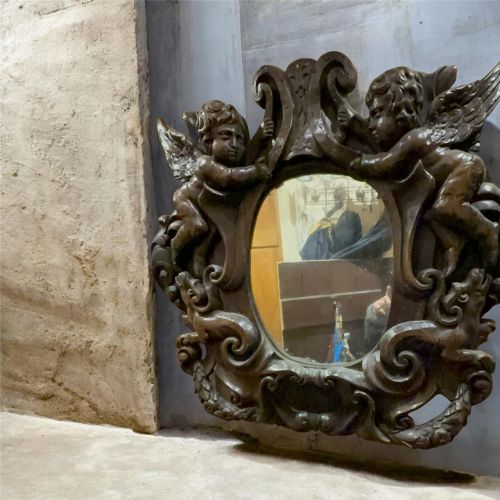
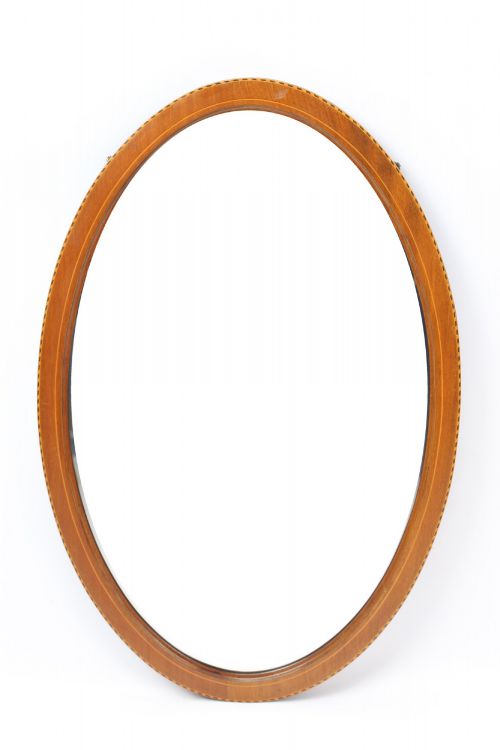
Brown Wooden Framed Mirror
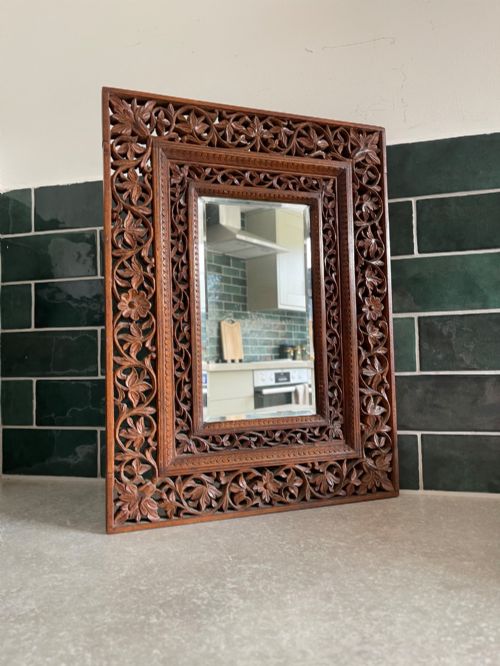
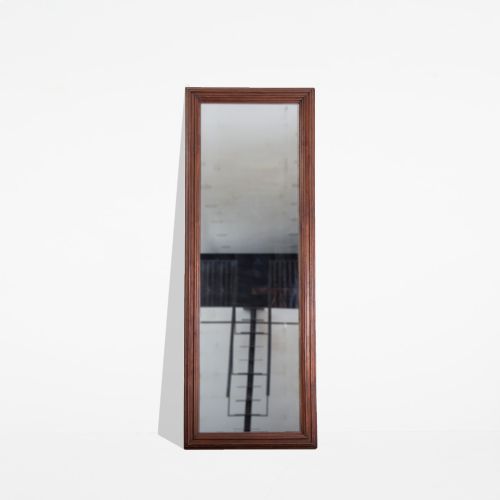
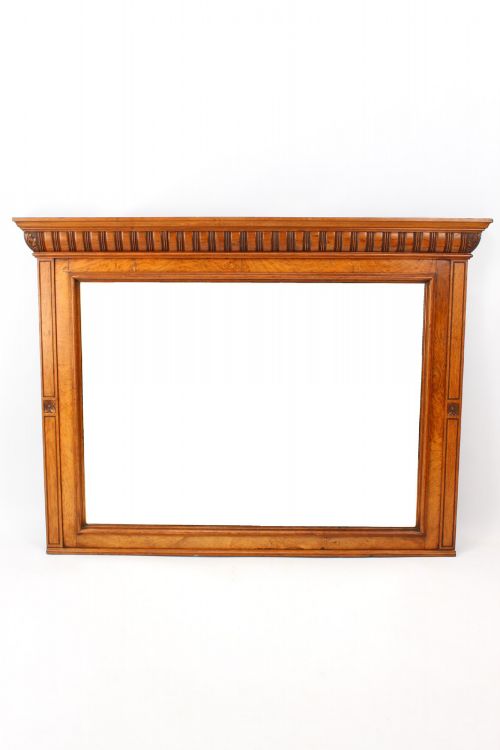
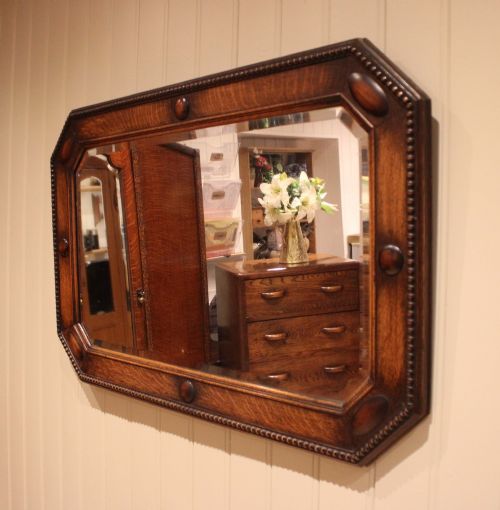
A brown wooden framed mirror brings warmth and depth to a room, ranging from simple oak wallhangings to grand mahogany overmantels.
Brown Wooden Framed Mirror
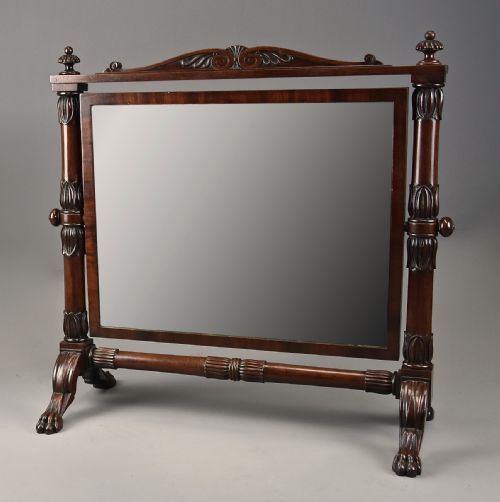
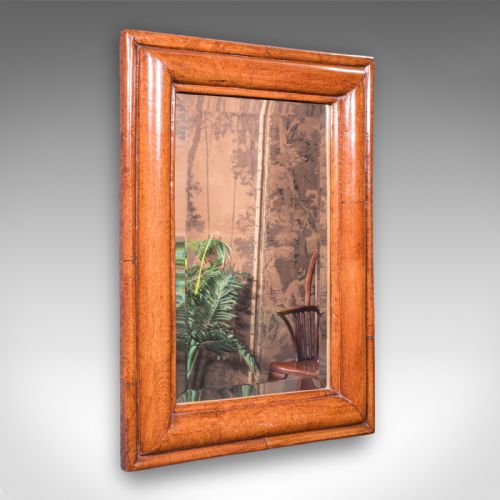
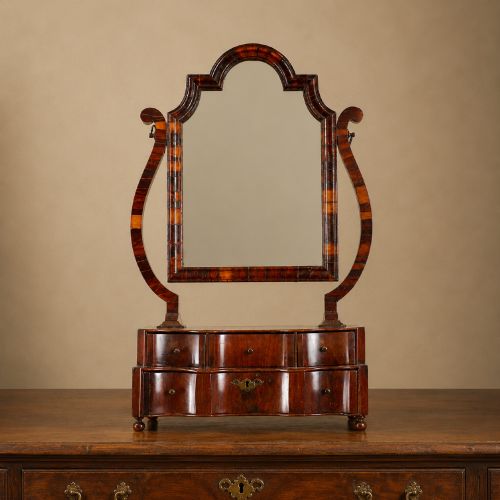
A brown wooden framed mirror covers a wide spectrum of functional and decorative glass, from modest dressing table pieces to large overmantels designed for a fireplace. You will encounter numerous oak and mahogany examples spanning the eighteenth, nineteenth, and early twentieth centuries.
The selection includes regional English styles alongside French provincial items, Georgian and Queen Anne walnut pieces, and more exotic finds such as Anglo-Indian inlaid work. Wall mirrors, pier mirrors, and cheval mirrors make up the core of what is available.
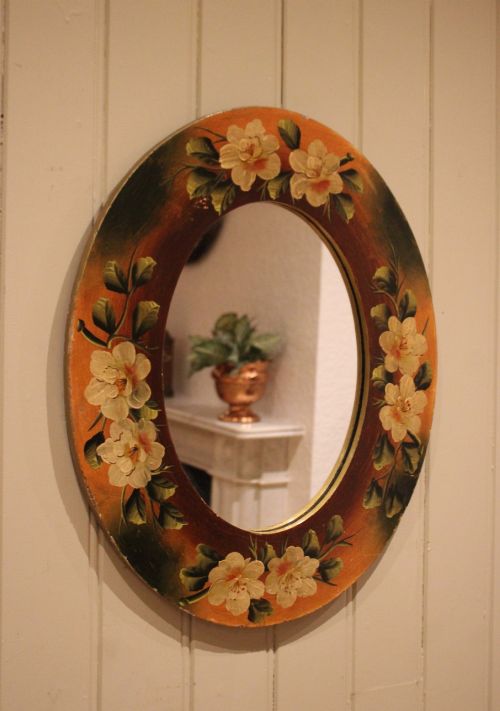
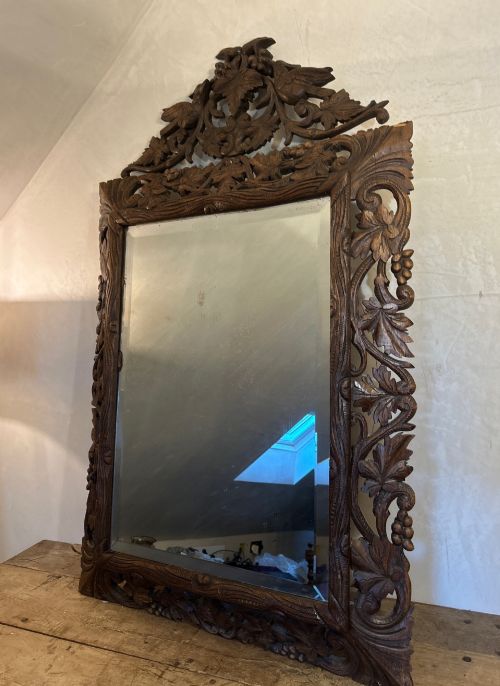
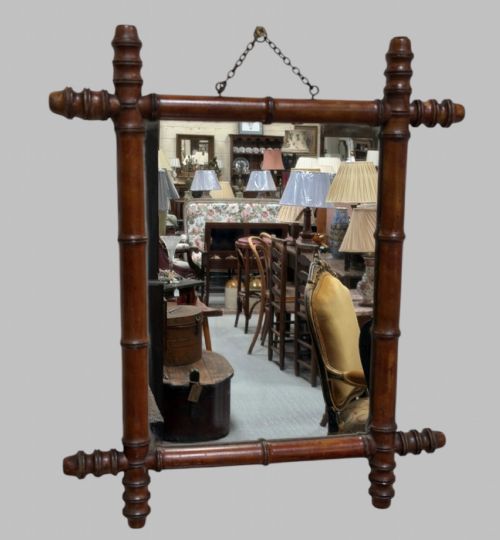
Simpler domestic forms sit alongside heavily carved hunting lodge mirrors and painted or faux bamboo wall pieces. Each era brought distinct proportions and timber selections to the traditional brown wooden frame.
Materials and construction methods
Frames rely heavily on native and imported timbers such as oak, mahogany, walnut, and shisham, often worked into solid mouldings or applied veneers like burr walnut and laburnum. Brass fixings, ivory inlay, and giltwood accents frequently appear on finer examples from the Georgian and Victorian periods.
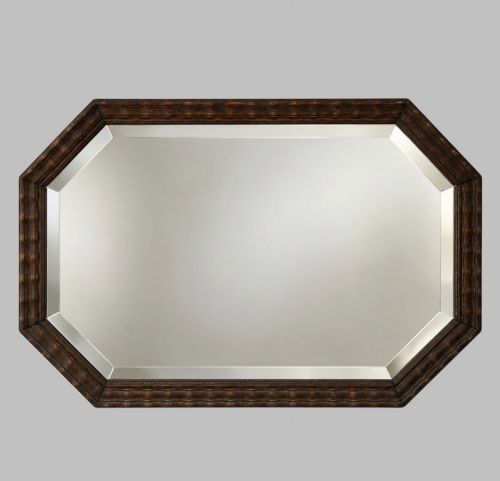
Glass plates are set within rebated wooden frames, with bevelled edges characteristic of later nineteenth and early twentieth-century production. Carving, turning, and faux bamboo shaping demonstrate the diverse carpentry techniques employed across different workshops.
The listings show a strong representation of 19th-century and Edwardian pieces, utilising oak, mahogany, and walnut alongside glass.
What separates the finest examples
The distinction between ordinary and exceptional pieces rests upon the crispness of hand-carving, the choice of figured timber veneers, and the depth of the frame construction. Richly grained Cuban mahogany or burr walnut displays a natural lustre that simpler deal or plain oak lacks.
Proportion and execution elevate certain mirrors, where precise joinery, original bevelled mirror glass, and harmonious decorative details like inlaid brass or floral painted accents indicate superior workshop standards.
Waring & Gillow·P & MA Nicholson
The Brown Wooden Framed Mirror Glossary
- Cheval mirror
- A freestanding full-length mirror suspended on a pivoting frame between two vertical posts. This allows the glass to tilt at various angles.
- Overmantel mirror
- A large mirror designed specifically to hang on the wall directly above a fireplace mantelpiece. They often feature horizontal proportions to match the hearth below.
- Pier mirror
- A tall, narrow mirror traditionally hung on the pier of wall space between two windows. They reflect additional light into darker parts of historic rooms.
- Trumeau
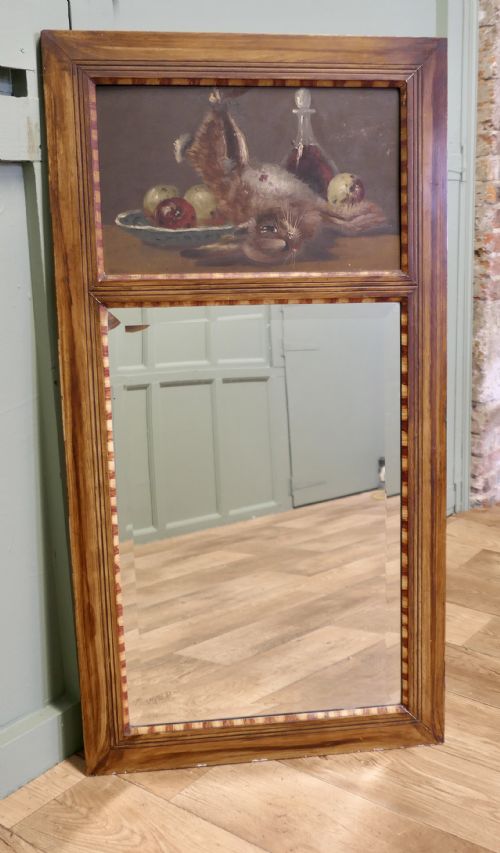
- A decorative wall mirror incorporating a painted panel or oil painting above the glass plate. Originating in France, these pieces served as permanent architectural fittings.
- Shisham
- An Indian hardwood, also known as Indian rosewood, frequently used in intricate inlaid furniture and mirror frames. It provides a dense, durable dark base for decorative work.
Brown Wooden Framed Mirror: Frequently Asked Questions
How do I date a wooden frame?
Dating relies on observing timber choices, construction joints, and decorative motifs characteristic of periods like the Georgian, Victorian, or Edwardian eras. Secondary woods at the back often provide further clues to age.
Changes in mirror glass manufacturing, such as the introduction of bevels and machine polishing, also help narrow down the decade of production.
What is a cheval mirror used for?
A cheval mirror is a freestanding dressing glass that allows a person to view their entire outfit from head to toe. The pivoting frame makes adjustment simple in a bedroom or dressing room setting.
Originating in the eighteenth century, these large mirrors remained popular through the Victorian and Edwardian periods as practical furniture.
Where should I hang an overmantel mirror?
An overmantel mirror traditionally hangs above a fireplace, anchoring the room's main focal point and reflecting light across the space. Their wide proportions suit the expanse of a chimney breast.
They also work effectively on large blank walls in reception halls or dining rooms where a substantial statement piece is required.
How do I distinguish French provincial from English styles?
French provincial and French country mirrors often feature softer floral painted details, carved crests, or faux bamboo framing associated with lighter decorative schemes. English pieces from similar eras frequently favour heavier oak or mahogany structures with formal Georgian or Victorian lines.
Regional variations in timber preparation and hardware further separate continental workshops from British cabinetmakers.