


Oak Overmantel Mirror Frame
An oak overmantel mirror frame anchors a hearth with substantial timber presence and period character, offering durable craftsmanship for interior spaces.
Oak Overmantel Mirror Frame
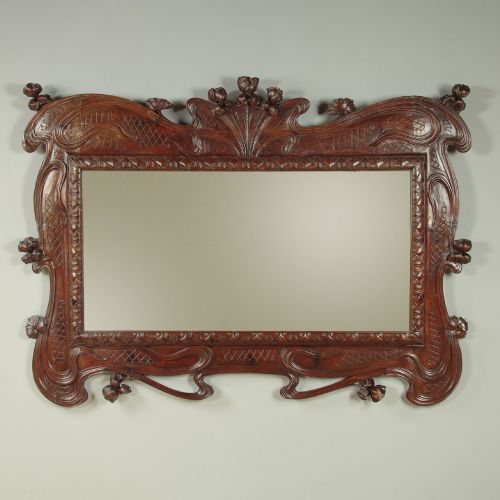
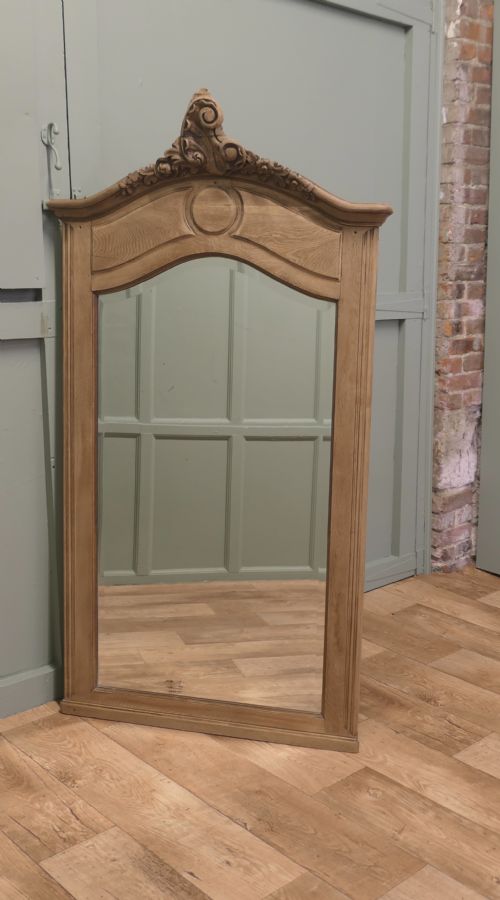
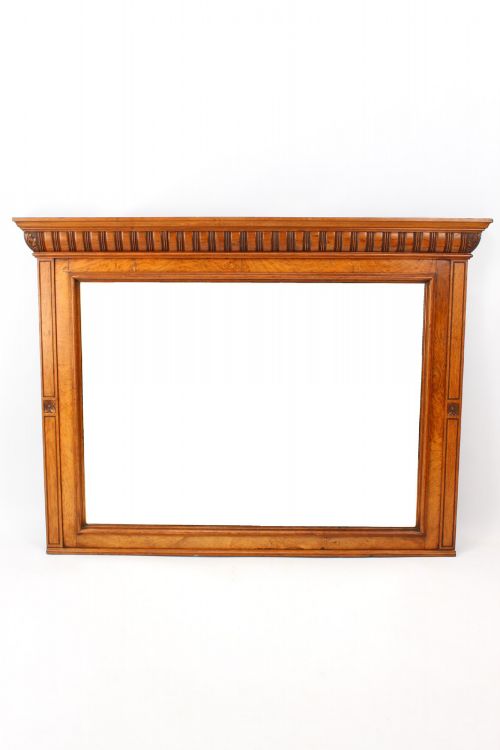
An oak overmantel mirror frame is designed to mount above a fireplace or serve as a substantial wall mirror, bringing architectural weight to a room. Buyers searching for an oak overmantel mirror frame encounter pieces originating primarily from the nineteenth century through the early twentieth century, spanning Victorian, Edwardian, and Arts and Crafts eras.
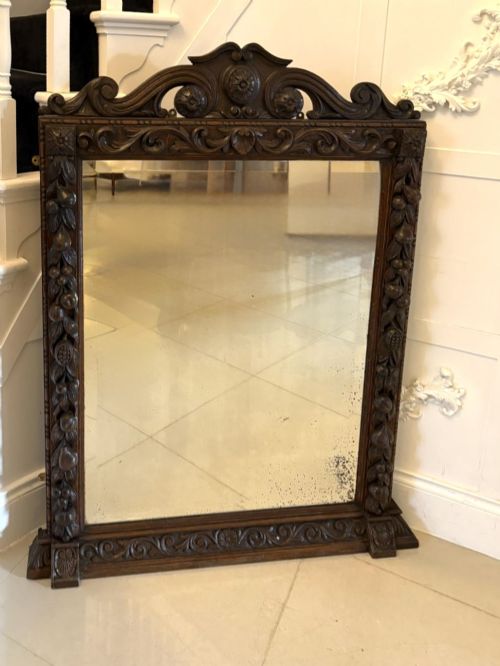
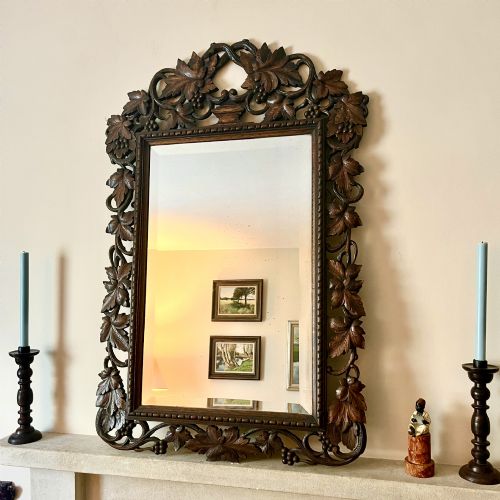
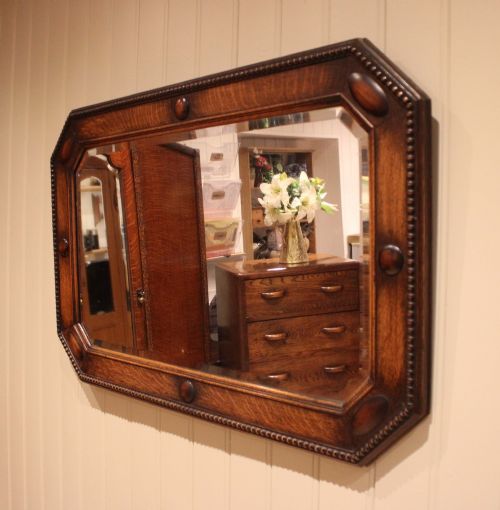
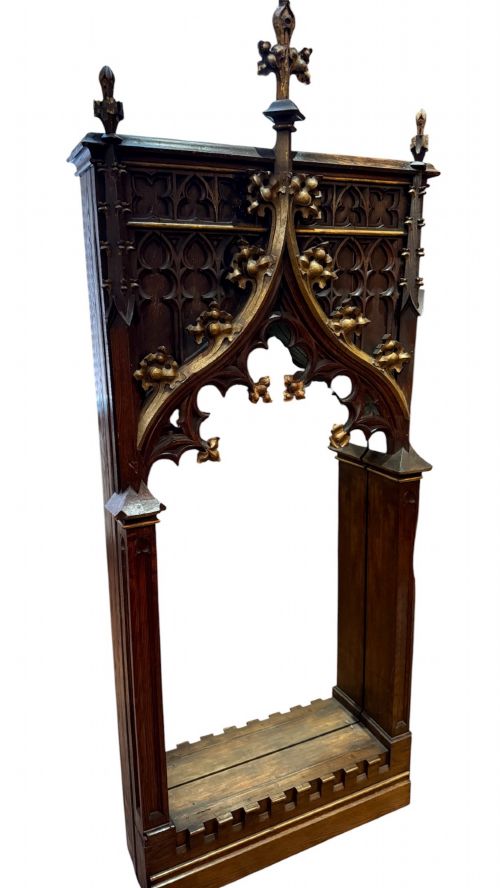
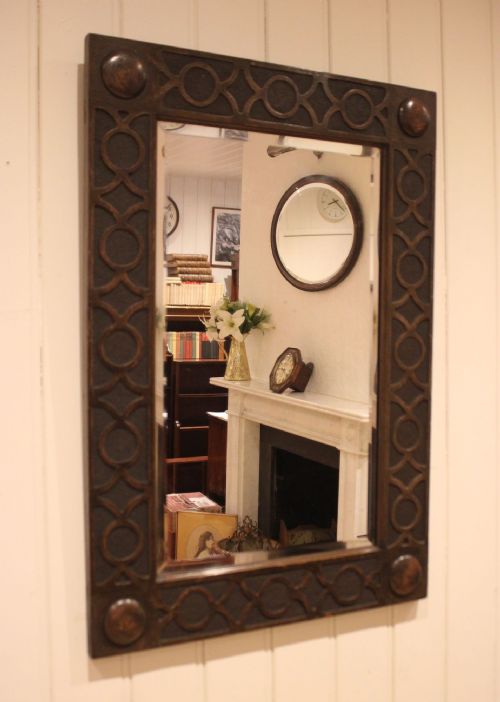
Most items combine solid oak timber with mirror glass, sometimes incorporating carved wood details, side columns, or parcel-gilding. The forms range from plain rectangular formats to arched tops and ornate cushion frames.
Assessing Quality and Execution
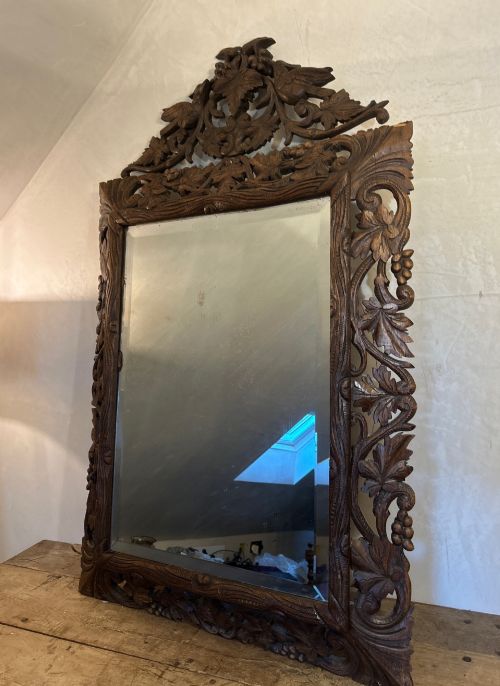
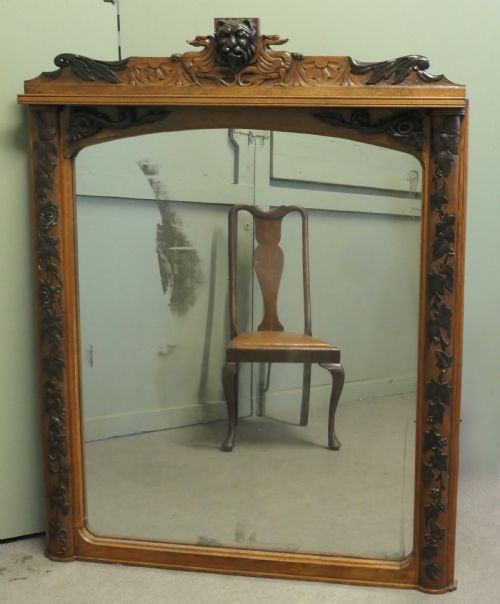
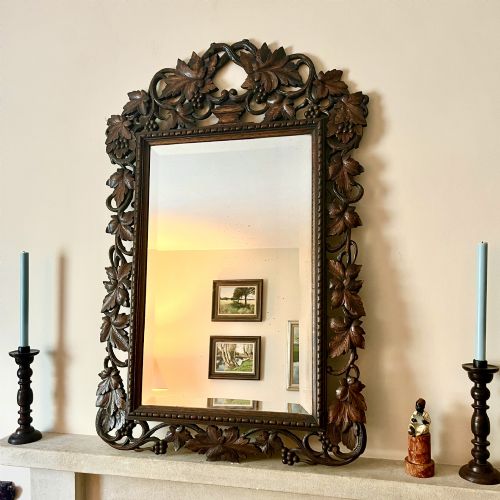
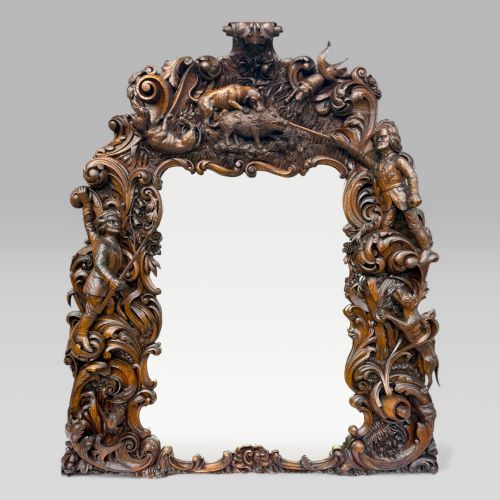
The depth and clarity of hand-carving distinguish standard production from exceptional pieces, particularly in Victorian Gothic or French Renaissance revival items. Crisp details in foliate motifs, columns, or cushion framing indicate superior workshop execution.
The integrity of the timber and the condition of the original mirror glass significantly influence the character of the piece. Superior examples maintain substantial solid oak construction without compromise to the heavy frames required for overmantel placement.
One notable piece originates from a hunting lodge and carries the proud attribution to the King of Bavaria.
Waring and Gillow·Rowley Gallery
The Oak Overmantel Mirror Frame Glossary
- Overmantel
- A mirror or frame specifically proportioned to hang on the wall directly above a fireplace mantelpiece. These pieces often feature wide horizontal or tall arched proportions to balance the hearth below.
- Cushion Frame
- A framing style where the timber profile swells outward in a rounded, convex shape toward the outer edge. This creates a bold volumetric appearance common in nineteenth-century joinery.
- Gothic Revival
- An architectural and decorative style drawing on medieval ecclesiastical forms. Pieces from this movement display pointed arches, tracery, and heavy carved oak ornamentation.
- Parcel-Gilt
- Partially gilded woodwork where thin gold leaf highlights specific carved details or mouldings against an oak base. This technique adds contrast to dark nineteenth-century frames.
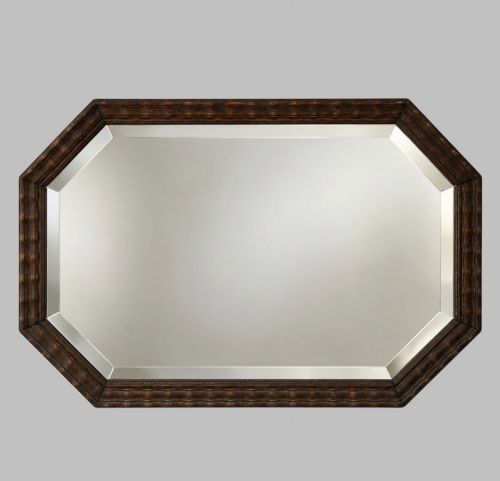
- Bevelled Glass
- Mirror glass with edges cut and polished at an angled slope. This method refracts light and adds a finished decorative border to the glass plate.
Oak Overmantel Mirror Frame: Frequently Asked Questions
How do I hang a heavy oak overmantel mirror?
Due to the substantial weight of solid oak frames and mirror glass, secure wall fixings into masonry or direct wooden studs are essential. Professional mirror brackets or French cleats distribute the load safely across the wall structure.
Ensure the hanging hardware matches the weight capacity specified by the maker or restorer. Placing the frame securely above a fireplace mantel requires proper vertical alignment with the surround.
What rooms suit an oak overmantel mirror frame?
While traditionally designed for fireplaces in living rooms or dining rooms, these large frames function effectively as wall mirrors in hallways or bedrooms. The heavy timber presence grounds large wall spaces and reflects ambient light.
Pairing a Gothic or Victorian carved oak frame with period architectural details enhances traditional interiors. Clean Arts and Crafts or Edwardian variants complement simpler, understated spaces.
How do I clean and maintain antique oak frames?
Dust the carved oak timber regularly with a soft, dry cloth to prevent buildup in recessed details. Avoid silicone-based sprays or harsh polishes that can damage antique wood finishes over time.
Clean the mirror glass using a mild glass cleaner applied to a cloth rather than directly onto the glass, preventing moisture from seeping behind the antique silvering or frame joints.
How can I tell Victorian frames from Edwardian ones?
Victorian oak frames tend to feature heavier, deeper carving with Gothic, Renaissance revival, or ornate architectural influences. They frequently incorporate dark finishes, parcel-gilding, or elaborate crests and side columns.
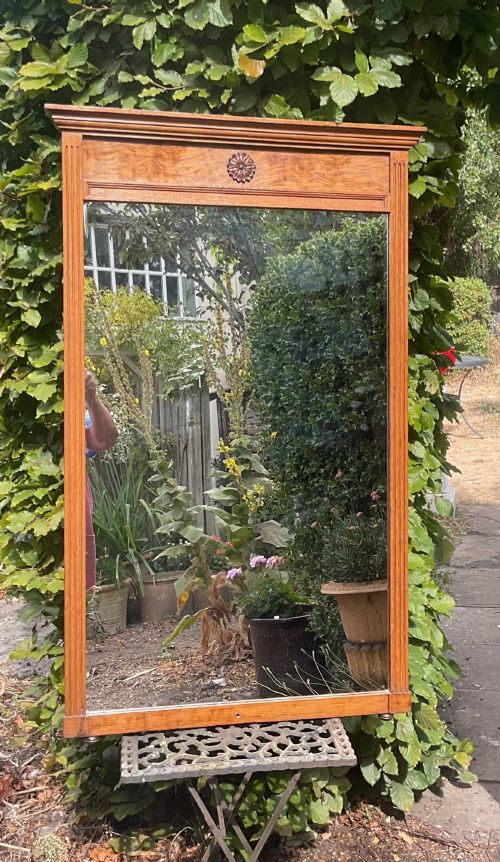
Edwardian and later pieces often display lighter oak tones, cleaner lines, and influences from the Arts and Crafts movement or Art Deco period. The carving becomes more stylised and less encumbered by heavy historical revivals.