

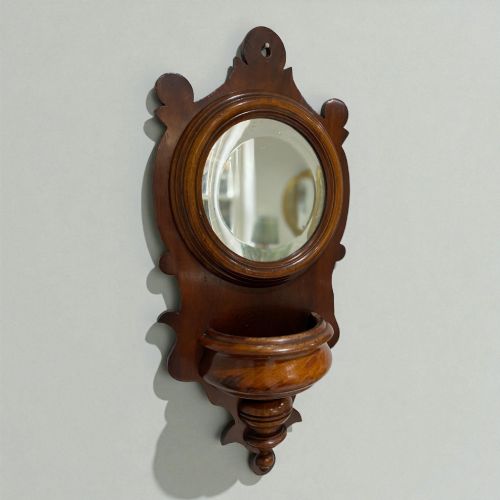
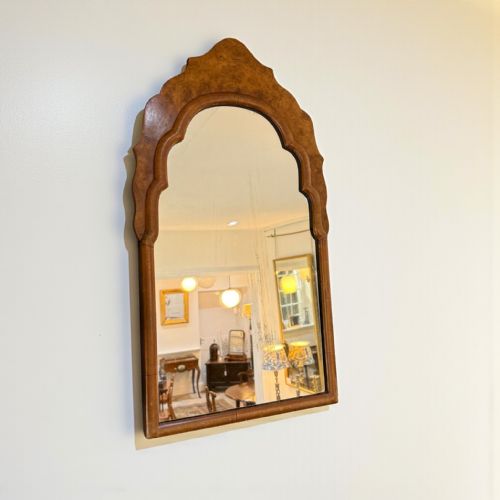
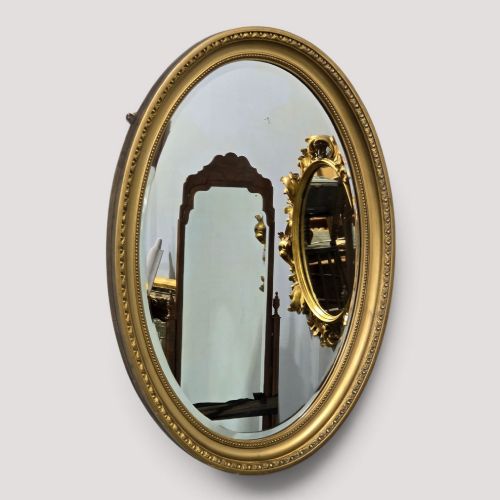
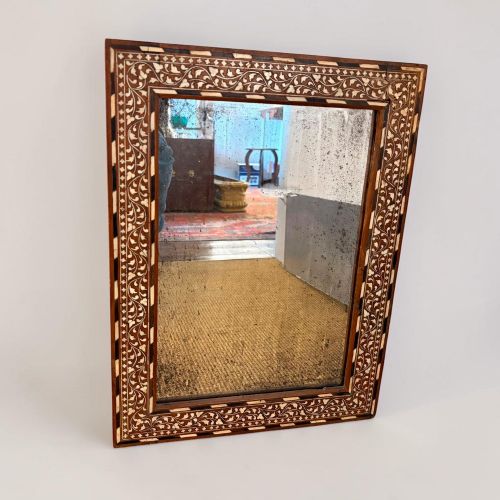
Edwardian Carved Wall Mirror
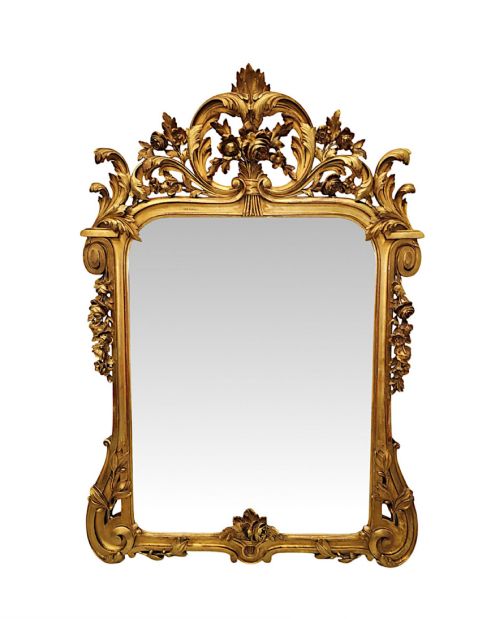
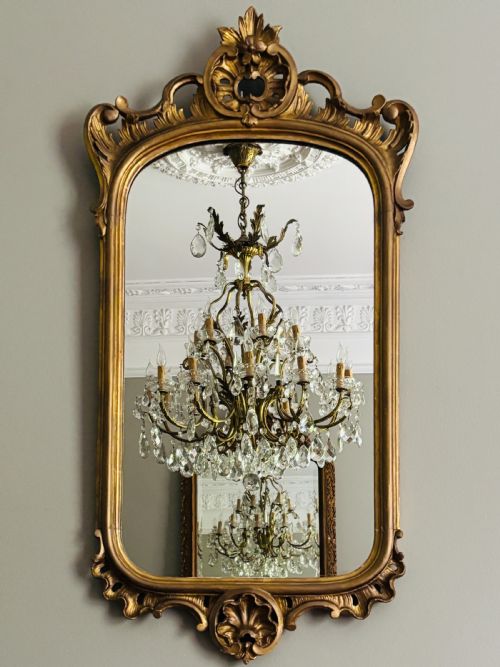
An edwardian carved wall mirror brings texture and reflection to a room, combining period joinery with decorative carving.
Edwardian Carved Wall Mirror
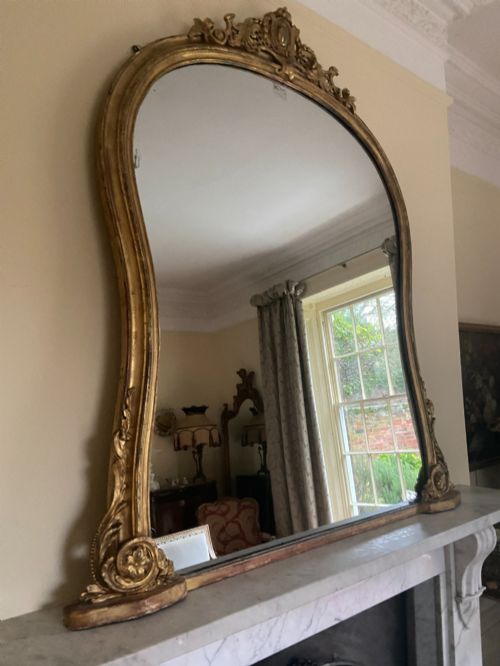
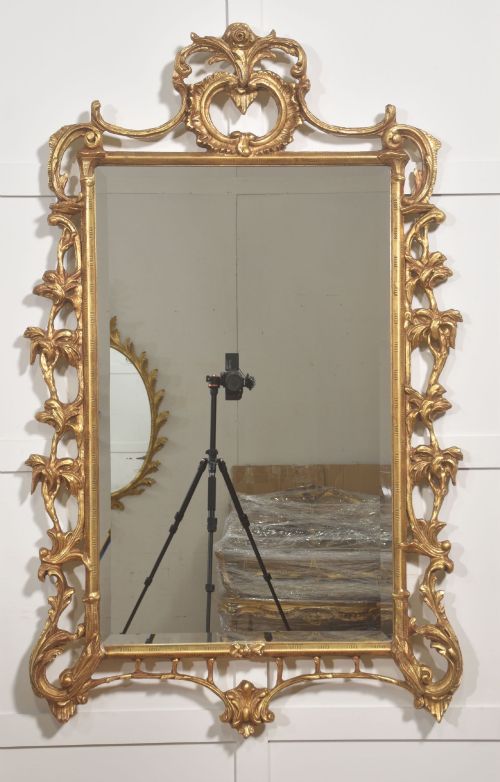
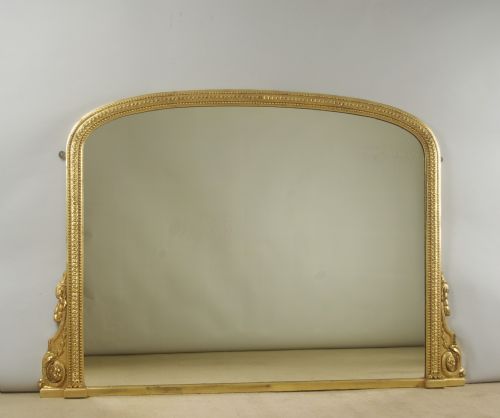
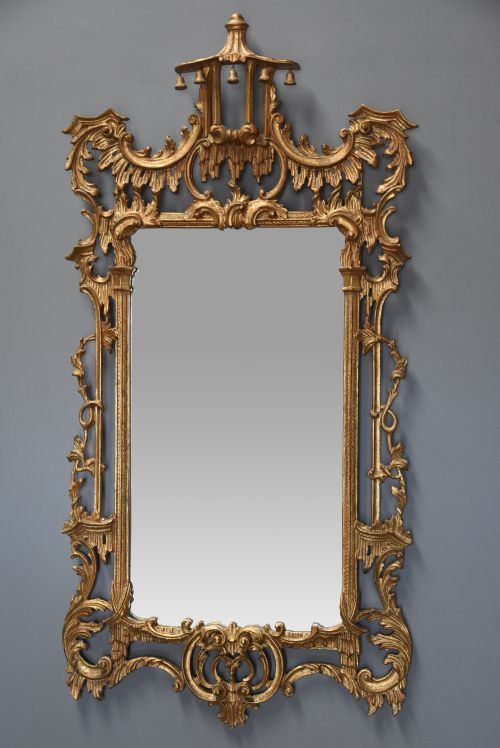
An edwardian carved wall mirror represents a substantial group of domestic looking glasses spanning the early twentieth century and late nineteenth century, appearing primarily in wall mirrors and overmantel mirrors.
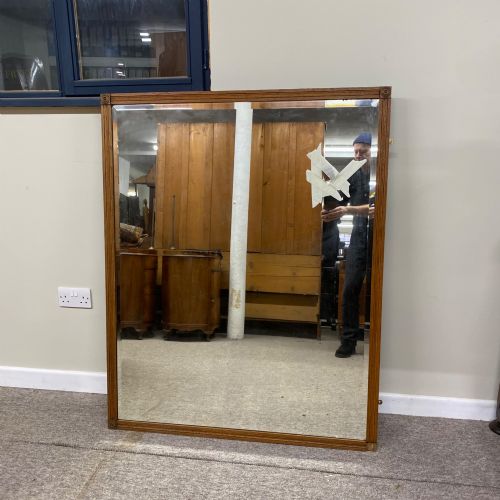
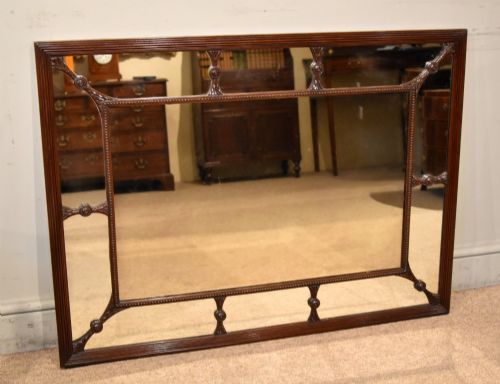
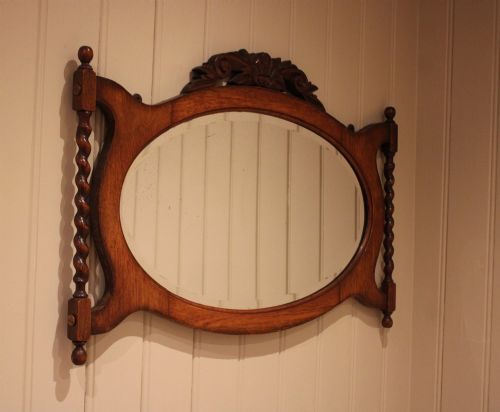
The pieces listed here showcase a range of regional and formal variations, from carved oak Welsh wall mirrors to mahogany fret carved wall mirrors and ovular walnut examples.
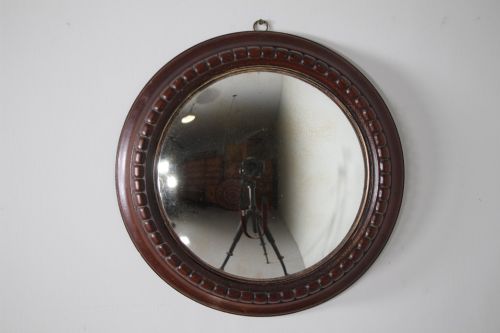
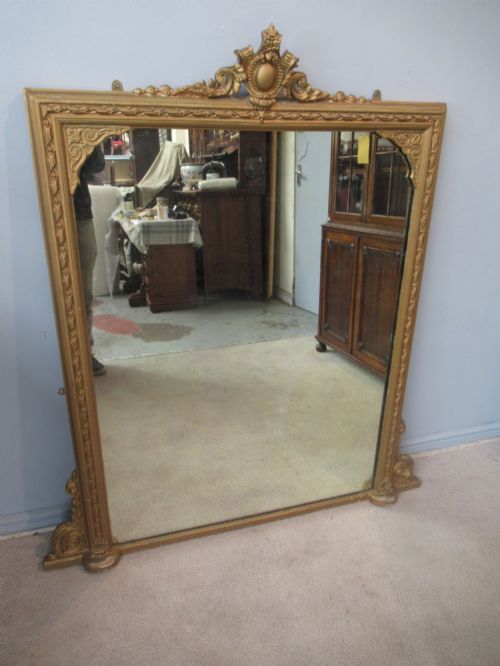
Buyers will encounter both compact last look mirrors designed for hallways and large overmantel mirrors intended to anchor a principal reception room.
How they were made
Makers constructed these frames from solid timbers including oak, mahogany, walnut, and satinwood inlay, finished with carved wood and gesso ornament.
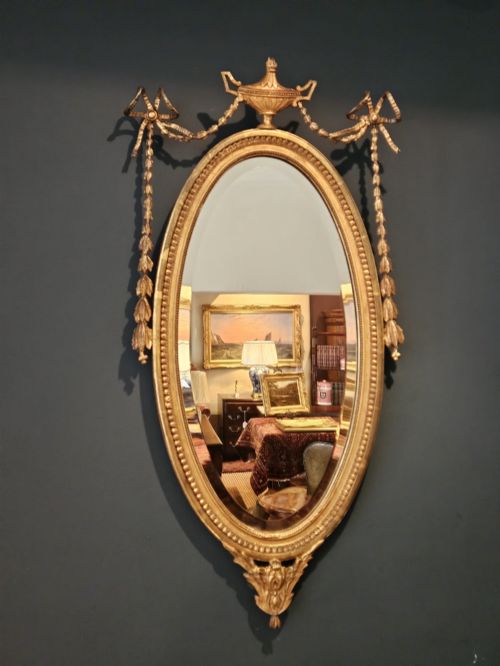
Gilt and painted surfaces frequently overlay the structural wood, while selected examples incorporate original mercury glass or standard mirror glass plates.
Edwardian Carved Wall Mirror Retail Price Guide 2026
Typical asking prices for edwardian carved wall mirror among the pieces listed under this phrase on Sellingantiques today, from the lower quarter to the upper quarter. They describe what is for sale here now, not the wider market.
The listings combine Edwardian pieces with nineteenth century and early twentieth century items in oak, mahogany, walnut, and giltwood.
What varies in quality
The standard of carving defines the upper tier of these pieces, distinguishing crisp, deep relief work from simpler mechanical shaping on the frame.
Material selection and surface preservation dictate overall distinction, with intact original gilding, burr walnut veneers, and mercury glass elevating the integrity of the piece.
The Edwardian Carved Wall Mirror Glossary
- Overmantel mirror
- A large wall glass designed to be hung specifically above a fireplace mantelpiece. These substantial pieces frequently anchor the proportions of a principal reception room.
- Gesso
- A plaster-like material applied to wood frames to create a smooth surface for subsequent gilding and painting. Intricate raised ornaments are often moulded in this medium.
- Mercury glass
- A double-walled blown glass type containing a silvering solution sealed inside, common in earlier pieces before modern vacuum silvering.
- Fret carved
- Woodwork pierced and cut with a fretsaw to create intricate geometric or scroll patterns. This technique yields lightweight yet decorative frame borders.
- Satinwood inlay
- Contrasting blonde timber inserted into darker primary woods to form decorative borders or motifs. It provides a crisp tonal contrast on mahogany and walnut surfaces.
Edwardian Carved Wall Mirror: Frequently Asked Questions
Where should I hang an overmantel mirror?
These large glasses are traditionally positioned directly above a fireplace mantelpiece to reflect light and anchor the proportions of the room.
They also function effectively on any principal wall where a strong focal point is required.
How do I identify an Edwardian mirror?
Edwardian pieces typically combine lighter timbers, such as satinwood inlay and mahogany, with refined carving styles derived from earlier decorative traditions.
Construction details and glass characteristics often point toward the early twentieth century or late nineteenth century.
What is a last look mirror?
A last look mirror is a compact wall-hanging glass traditionally placed near an entrance hall or doorway.
It allowed occupants to check their appearance before stepping out of the house.
Can I hang these mirrors on modern walls?
These frames are substantial and require secure fixings into wall studs or appropriate masonry anchors to support their weight safely.
Professional hanging is recommended due to the heavy timber and glass construction.