
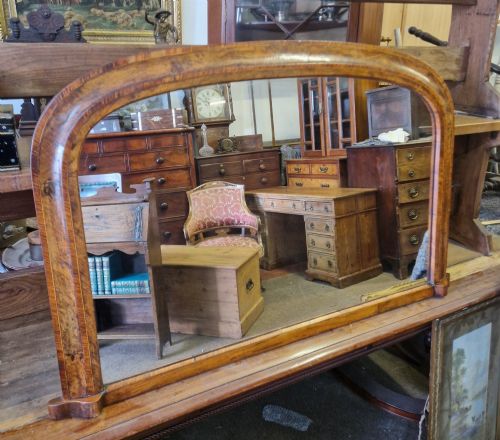
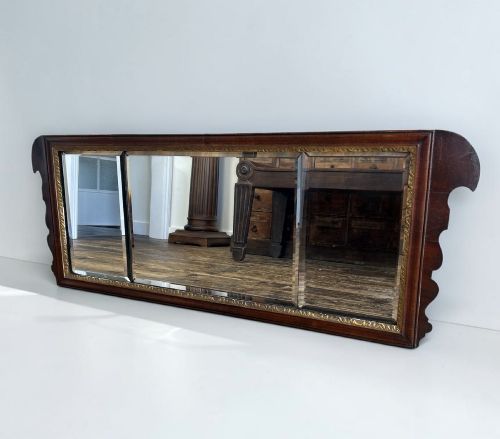
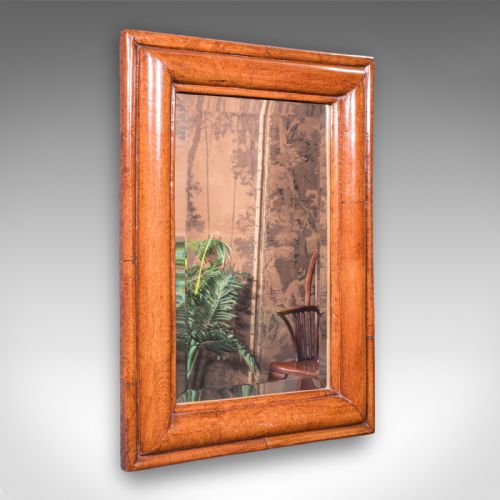
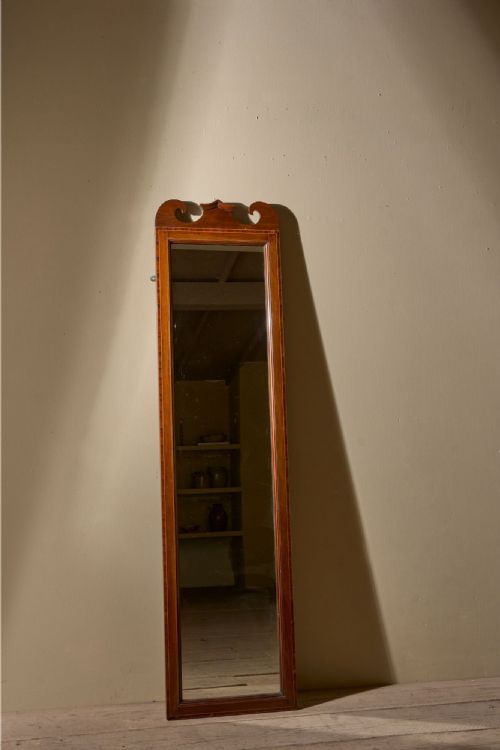
Brown Wall Mirror
A brown wall mirror anchors a room with rich timber tones and reflective depth, bringing warmth and period character to any wall.
Brown Wall Mirror
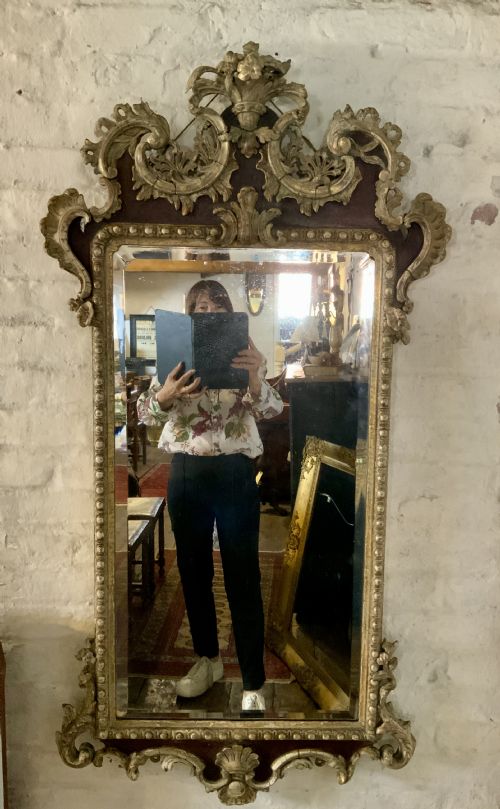
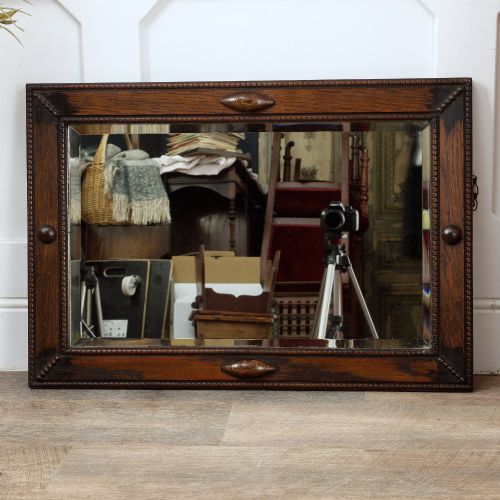
A brown wall mirror encompasses functional looking glasses and decorative overmantels framed in timbers such as mahogany, oak, walnut, and yew wood. These pieces span centuries of design, reflecting regional cabinet-making traditions from Georgian fretwork frames to Edwardian hall mirrors.
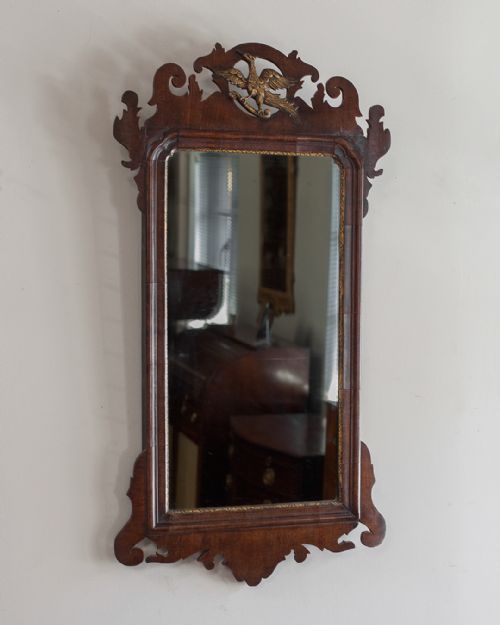
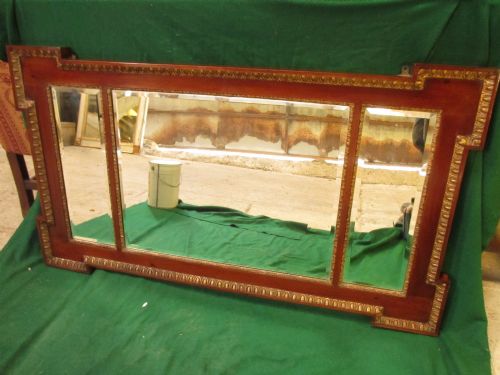
The selections available here lean heavily toward nineteenth-century walnut and mahogany examples, alongside eighteenth-century Georgian and George III styles. Buyers frequently encounter overmantel mirrors and tall pier mirrors designed to sit above fireplaces or between windows.
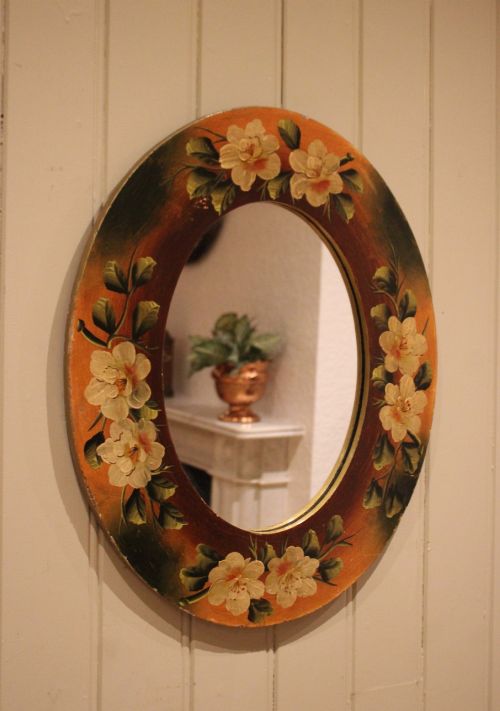
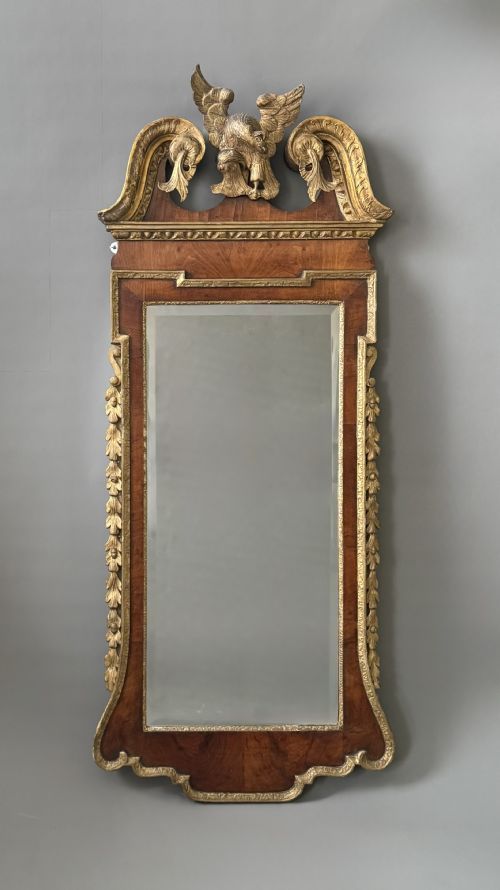
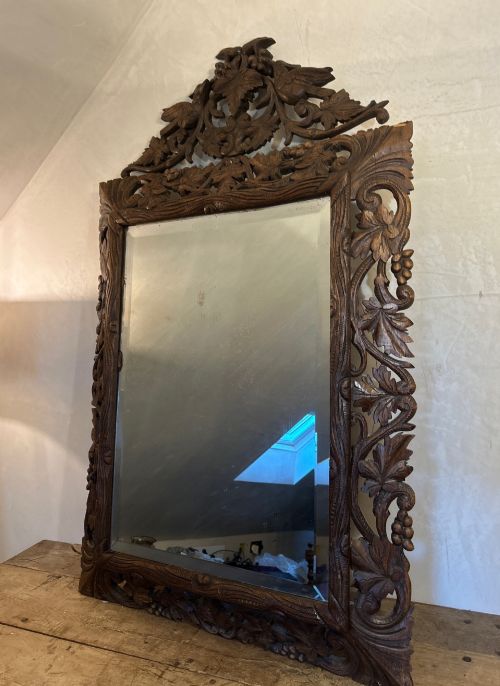
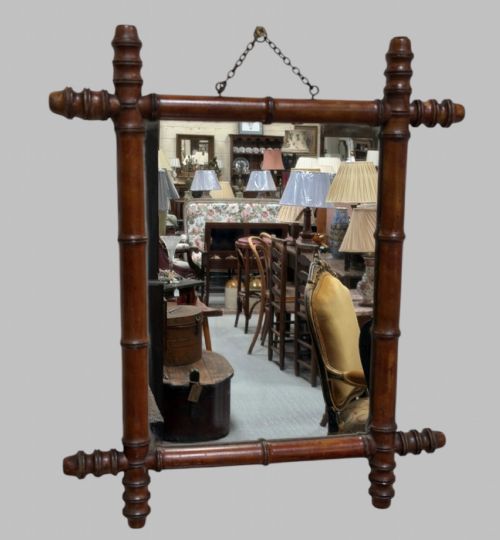
The physical presence of these pieces relies on the natural grain of the wood, whether left understated or highlighted with parcel gilding, marquetry, or floral paintwork. Each frame type carries the proportion and ornament of its respective period, from Victorian oak to early twentieth-century oak framing.
How they were made
Cabinet-makers constructed these frames using solid hardwoods and veneers, applying techniques like fretwork carving, marquetry inlay, and ripple moulding. Timber selection defined the character of the piece, with walnut, mahogany, and oak serving as the primary structural mediums.
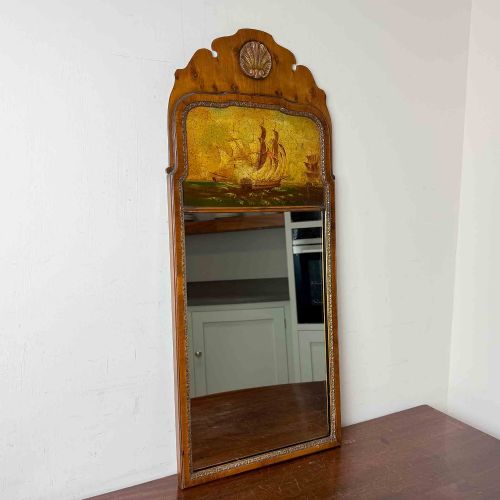
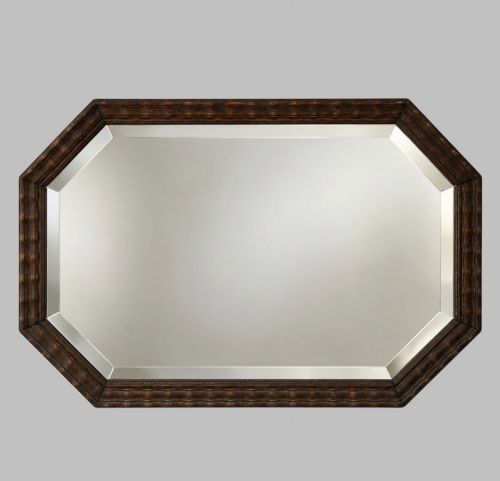
Reflective surfaces utilised silvered mirror glass, frequently featuring bevelled edges that caught the light differently than modern float glass. Secondary decorative elements incorporated giltwood slips, parcel gilding, bone, mother of pearl, and occasional oil paintings set directly into the wooden frame.
Materials span mahogany, oak, walnut, yew wood, and giltwood, alongside specialist frames in tortoiseshell and cork tramp art.
What varies in quality
The caliber of a brown wall mirror rests in the crispness of the timber carving and the integrity of the original wood grain. Fretwork frames show distinction in the depth and precision of the pierced work, while larger overmantels rely on the balanced proportion of their architectural mouldings.
Originality of components dictates the standing of a piece, particularly the retention of early mirror glass and secondary backboards. Subtle details like hand-applied parcel gilding, tortoiseshell ripple framing, and period brass fixings elevate the refinement of the construction.
Waring & Gillow
The Brown Wall Mirror Glossary
- Pier mirror
- A tall mirror designed specifically to hang on the wall space between two windows. These pieces often feature elongated proportions to match the verticality of the room.
- Overmantel mirror
- A wide mirror made to sit directly above a fireplace mantelpiece. They frequently incorporate landscape orientations and substantial wooden frames.
- Parcel gilt
- Woodwork partially decorated with thin layers of gold leaf. This technique highlights specific carved details against the dark background of walnut or mahogany.
- Fretwork mirror
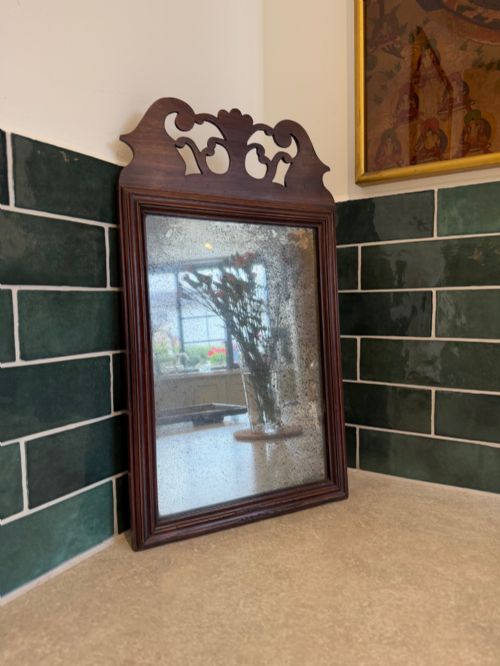
- A frame formed from thin boards pierced with decorative fret patterns using a fretsaw. Eighteenth-century examples often display intricate scrollwork and rococo outlines.
Brown Wall Mirror: Frequently Asked Questions
Where should I hang a brown wall mirror?
These mirrors suit spaces above mantelpieces, in reception hallways, or positioned between windows as traditional pier mirrors. Their timber frames bring warmth to neutral walls and complement existing wooden furniture.
Ensure the wall construction supports the weight of denser hardwood frames, particularly larger Victorian and Edwardian overmantel versions.
How do I identify an eighteenth-century mirror?
Eighteenth-century examples often feature hand-carved mahogany or walnut fretwork, pegged joints, and older mirror plates with slight distortions or foxing. Styles correspond to Georgian periods, including George III fret mirrors and parcel gilt designs.
Examine the backboards and construction fixings for signs of period hand-tooling rather than modern machine production.
What is a trumeau mirror?
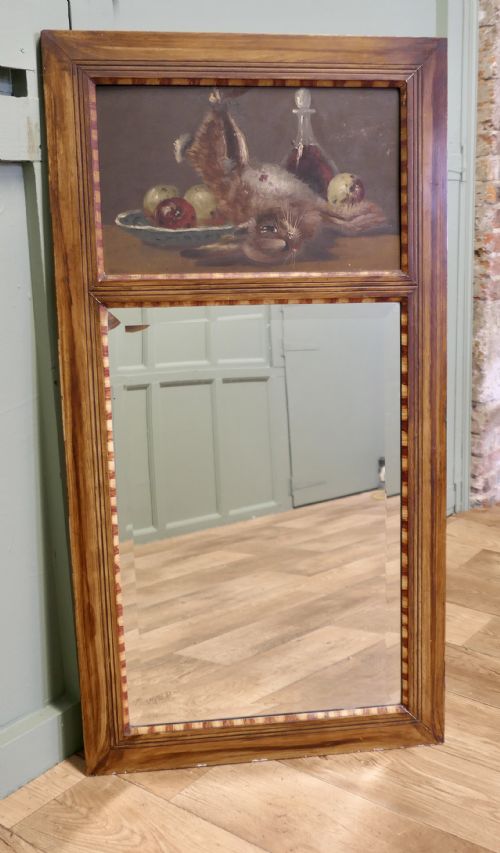
A trumeau mirror combines a looking glass with an upper panel containing a painted scene or carved decoration. French country examples from the nineteenth century often utilise this format.
They were traditionally built into the wood panelling of historic rooms to balance light and decoration across a wall.
How do I care for antique mirror glass?
Clean the glass gently using a soft cloth and minimal moisture, avoiding harsh chemical cleaners that can seep behind the frame and damage the silvering. Preserve the original wooden frame with appropriate beeswax suited to mahogany, oak, or walnut.
Keep the mirror away from direct sunlight and damp environments to protect both the timber and the historical mirror plate.