


Victorian Coat Hooks
These Victorian coat hooks bring sturdy utility and distinct period charm to entrance halls through solid woods and heavy brass work.
Victorian Coat Hooks
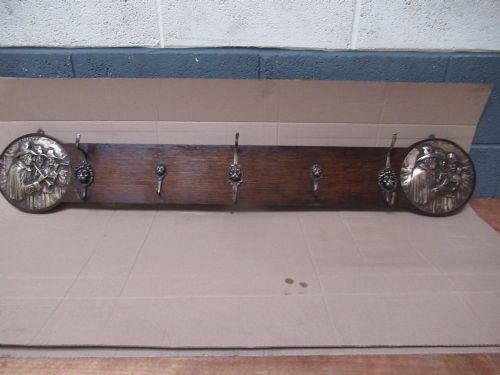
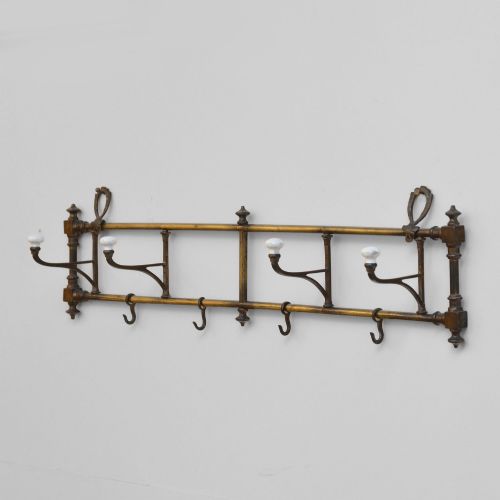
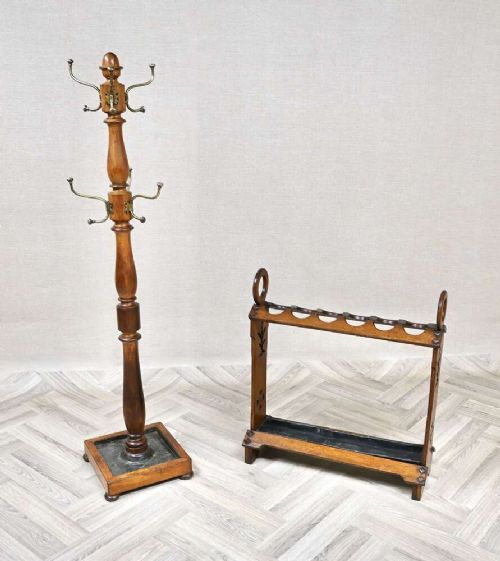
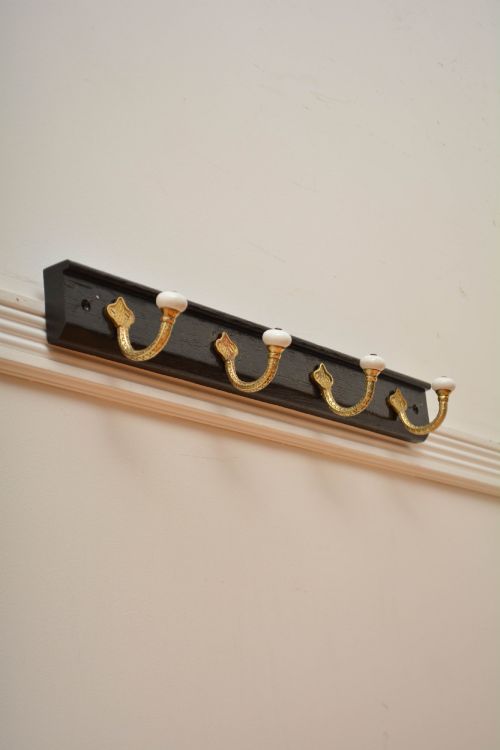
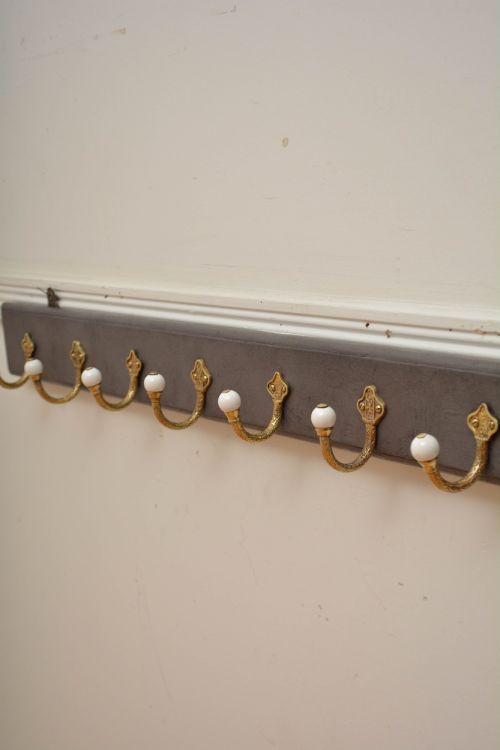
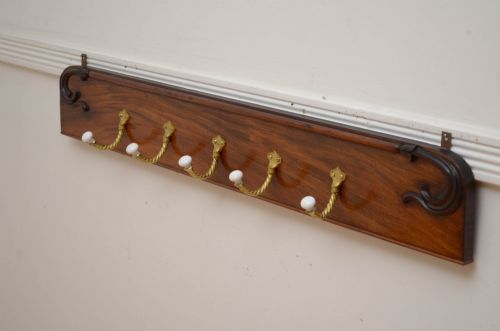
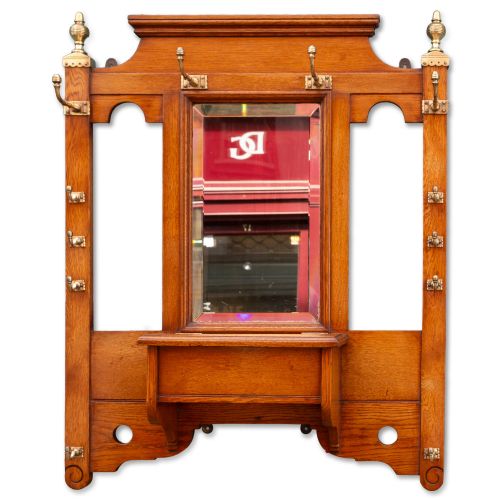
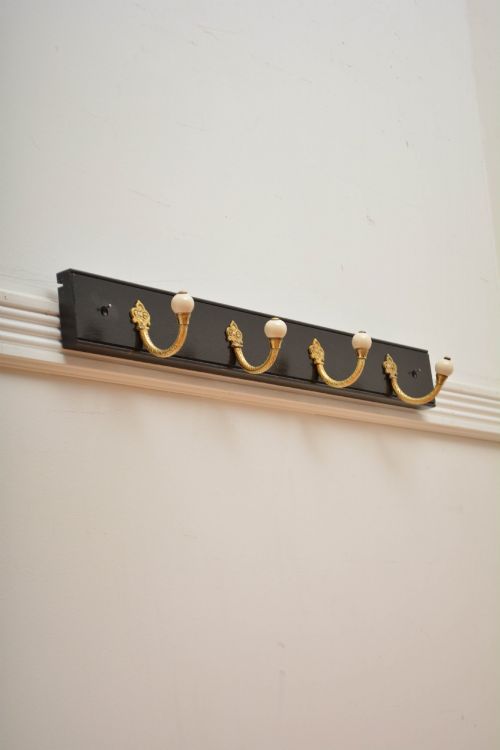
When searching for victorian coat hooks, a buyer encounters everything from single wall-mounted fixtures to substantial oak and mahogany hall stands featuring mirrors and umbrella holders. The most frequent items on this page are wall-mounted racks combining wooden backboards with brass and ceramic hooks.
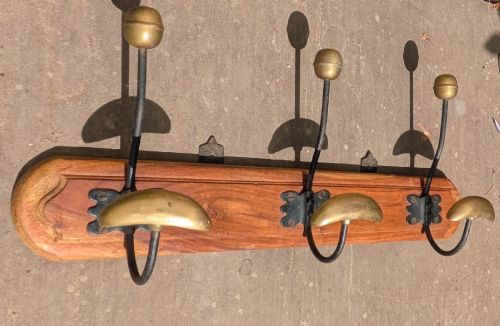
The objects stem from the nineteenth century and the early twentieth century, taking forms such as coat racks, wall hooks, and hanging hooks. Many utilise backboards made of ebonised wood, pine, or walnut to support multiple hooks.
Makers and styles span domestic English designs, Arts and Crafts pieces, Black Forest carvings, and French fixtures. Larger formats incorporate hats shelves and bevelled mirrors, serving the reception hall or cloakroom.
How they were made
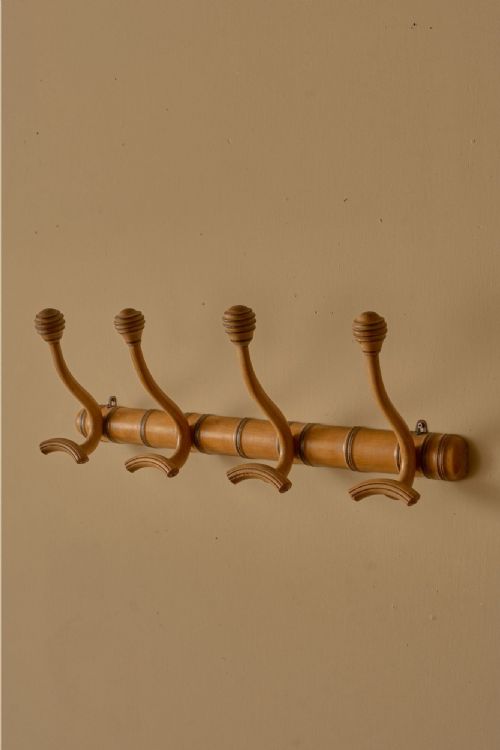
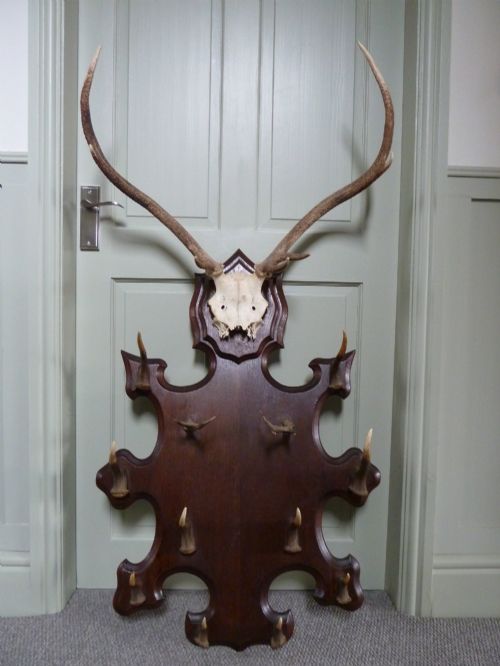
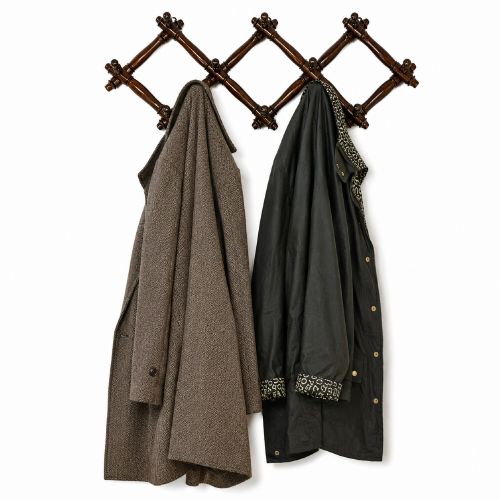
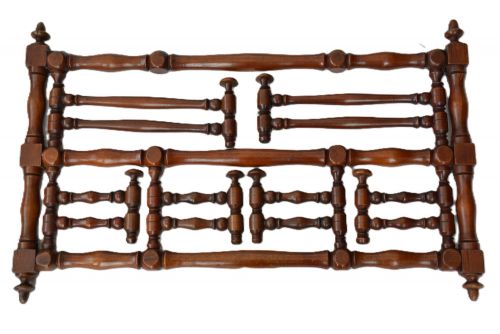
Construction relies heavily on durable timbers like mahogany, oak, and walnut, frequently mounted on solid backboards of pine or ebonised wood. Some items incorporate bentwood or specialised elements such as stags horn and taxidermy.
Metal components typically consist of cast brass, bronze, or iron, often featuring chased detailing. These metal hooks are regularly paired with porcelain, ceramic, or glass knobs.
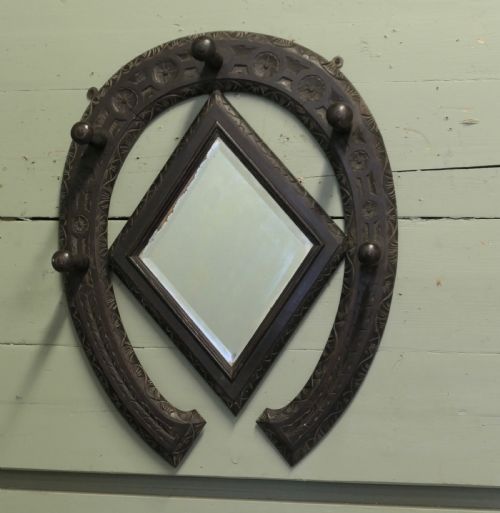
Carving and joinery define the decorative elements, seen in Black Forest animal carvings, gothic horseshoe motifs, and Aesthetic Movement designs. Backboards are shaped and bevelled to accommodate wall mounting.
Victorian Coat Hooks Retail Price Guide 2026
Typical asking prices for victorian coat hooks among the pieces listed under this phrase on Sellingantiques today, from the lower quarter to the upper quarter. They describe what is for sale here now, not the wider market.
Listings feature woods like mahogany, oak, walnut, and pine alongside brass, glass, and ceramic elements.
What varies in quality
Quality rests in the weight and casting of the metalwork, where heavily cast brass plates and neatly chased hooks outlast lighter stamped alternatives. The integration between metal fixtures and solid wood backboards dictates structural integrity.
Material selection separates standard utility pieces from finer examples, such as those using solid walnut, carved oak, or decorative elements like porcelain knobs and bevelled mirror plates. The presence of makers or distinct stylistic movements elevates the piece.
The preservation of original finishes on woods like mahogany and ebonised timber influences the overall integrity. Substantial backboards and complete sets of matched hooks retain greater cohesion than assembled combinations.
Jas. Shoolbred
The Victorian Coat Hooks Glossary
- Ebonised
- Wood finished to resemble ebony through staining or painting. This dark treatment was popular for nineteenth-century wall racks and frames.
- Backboard
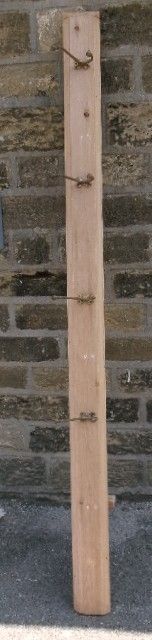
- The horizontal or vertical wooden plank that supports mounted hooks. It distributes weight across the wall fixings.
- Black Forest
- A style of wood carving originating from central Europe featuring naturalistic animals and foliage. These pieces often include detailed figures.
- Hall Stand
- A large piece of hall furniture combining coat hooks, a mirror, and umbrella storage. Many include a central shelf or small drawer.
- Aesthetic Movement
- A late nineteenth-century design style prioritising visual beauty over narrative function. Pieces from this movement often combine ebonised wood with bright brass.
Victorian Coat Hooks: Frequently Asked Questions
What is a hall stand?
A hall stand is a substantial piece of furniture designed for entranceways to hold outdoor garments and accessories. They typically integrate coat hooks, a central mirror, and umbrella stands into one unit.
Many examples include glove boxes or umbrella drip trays at the base. They were constructed in woods like oak and walnut during the nineteenth and early twentieth centuries.
How were coat racks mounted?
Coat racks were generally secured directly to hallway or cloakroom walls using pre-drilled screw holes in the wooden backboard. This distributed the weight of heavy winter garments across the structural support.
Heavier stands relied on a combination of floor placement and wall attachment to prevent tipping when loaded with coats and hats.
What materials are common on these hooks?
Cast brass is the most frequent metal found on these pieces, often paired with ceramic, porcelain, or glass knobs. Backboards utilise domestic hardwoods such as oak, mahogany, and walnut.
More unusual variations incorporate materials like stags horn, bronze, and carved woods. The combination of solid timber backplates and heavy metal hooks ensured long-term durability.
How do I care for wooden coat racks?
Wooden backboards and frames benefit from occasional treatment with appropriate furniture wax to preserve the finish. Avoiding placement in areas of high moisture prevents warping of the timber.
Metal hooks can be gently dusted, taking care around aged brass surfaces. Ensuring the wall fixings remain secure protects the structural integrity of the wood.