




Art Nouveau Wall Mirror
An art nouveau wall mirror brings organic line and metallic warmth into a room, combining functional glass with decorative metalwork or carved timber.
Art Nouveau Wall Mirror
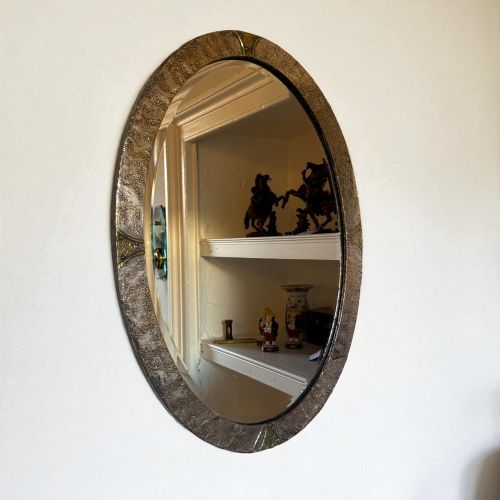
When you search for an art nouveau wall mirror, you encounter pieces spanning from the late nineteenth century into the Edwardian period and the early twentieth century. The forms range from round and oval wall hanging pieces to larger overmantle mirrors designed to sit above a fireplace. Many pieces incorporate related aesthetics such as Arts and Crafts hand beaten metalwork or Glasgow School brass framing.
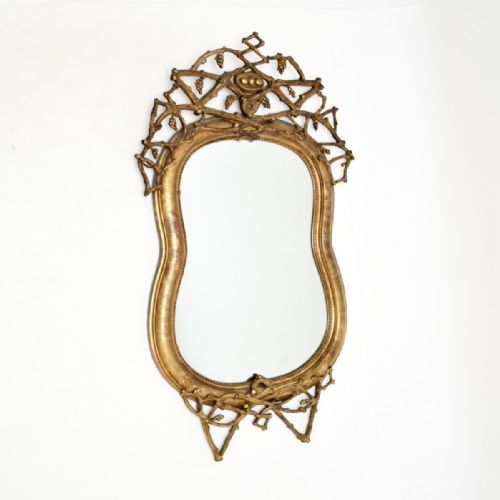
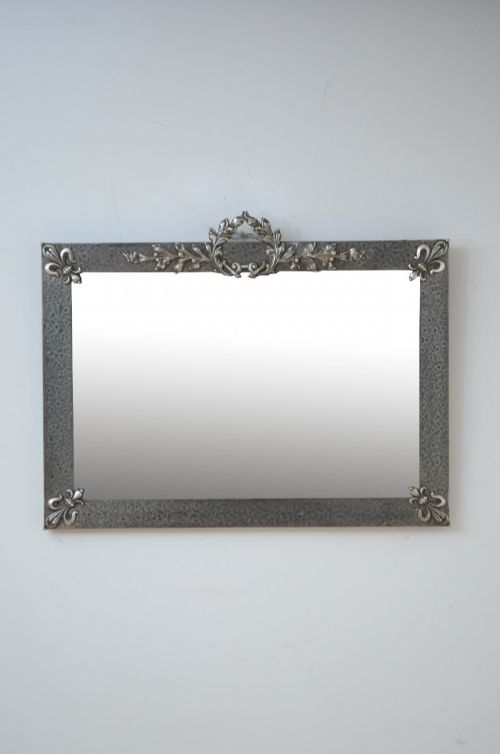
The materials you find on this page reflect the period's preference for tactile surfaces, combining glass with copper, brass, pewter, and various woods. Frames appear in solid copper, hammered metal, carved timber, and gilt gesso, often displaying the signature flowing lines characteristic of the style. Certain examples attribute their manufacture to known firms or showcase specific regional traits like French gilding or English marquetry.
How they were made
Makers utilised metals such as copper, brass, and pewter through hand beating and repoussé techniques to create textured frames with organic motifs. Metal panels were worked from the reverse to push floral and figurative designs forward into relief before being polished or left with a patinated finish.
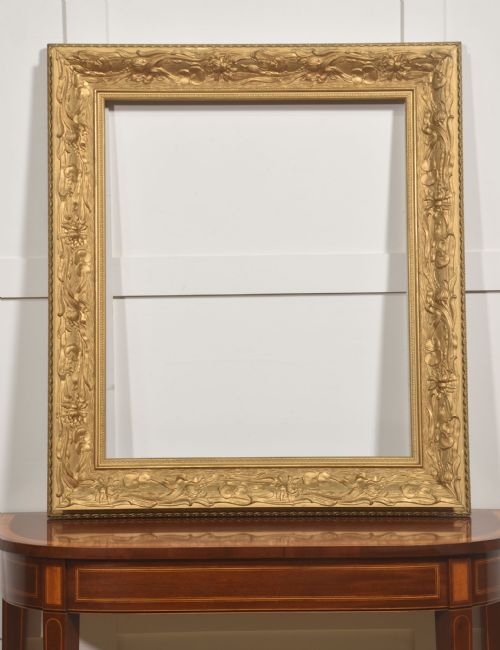
Timber frames were shaped using carving, marquetry inlay, and gesso moulding over wood. Craftsmen employed beech, mahogany, and walnut, frequently applying gold leaf or lacquer to highlight the fluid contours of the woodwork.
Art Nouveau Wall Mirror Retail Price Guide 2026
Typical asking prices for art nouveau wall mirror among the pieces listed under this phrase on Sellingantiques today, from the lower quarter to the upper quarter. They describe what is for sale here now, not the wider market.
What varies in quality
The distinction between standard production pieces and finer examples lies in the depth and hand manipulation of the metalwork or the crispness of the wood carving. Hand beaten copper and repoussé panels show individual tool marks and deliberate modeling rather than uniform machine stamping.
Quality also rests in the integration of materials, such as the inclusion of original bevelled glass plates, subtle marquetry work, and the presence of maker attribution or specialised decorative elements like flanking figures.
Liberty & Co·Gabriel Viardot·Daum·A J Rowley
The Art Nouveau Wall Mirror Glossary
- Repoussé
- A metalworking technique where the artisan hammers metal from the reverse side to form a raised design on the front. This method creates tactile relief work commonly found on copper and brass mirror frames.
- Gesso
- A plaster mixture applied to wood surfaces as a base for gilding or painting. It allows craftsmen to mould intricate, flowing scrollwork and relief details around the glass.
- Overmantle
- A large mirror specifically proportioned to hang on the wall directly above a fireplace mantel. These pieces often feature extended frames or integrated display shelves.
- Marquetry
- The art of applying small pieces of veneer to a structure to form decorative patterns and pictures. It appears on wooden frames to add contrasting tones and naturalistic scenes.
- Bevelled glass
- A mirror glass pane with edges cut and polished at an angle to create a framed border effect. This treatment catches the light and adds depth to the reflection.
Art Nouveau Wall Mirror: Frequently Asked Questions
How do I hang a heavy metal mirror safely?
Heavy copper or brass framed mirrors require secure wall fixings suited to the weight of the timber backing and glass. Ensure the fixings attach directly to wall studs or use appropriate heavy duty cavity anchors.
Check that the hanging wire or integrated brackets on the reverse are structurally sound before mounting the piece at eye level.
How should I clean an antique copper frame?
Dust the frame gently with a dry, soft cloth to remove surface particles without disturbing the aged patina. Avoid modern chemical metal polishes that strip away the historical oxidation characteristic of period pieces.
If the metal requires attention, consult a professional conservator to preserve the original surface finish and hand beaten texture.
How do I distinguish art nouveau from arts and crafts mirrors?
Art nouveau designs prioritize asymmetrical, whiplash lines inspired by natural plant stems and floral forms. These frames often feature flowing curves executed in repoussé copper or cast brass.
Arts and crafts pieces tend to emphasise visible construction, honest materials, and simpler geometric or medieval motifs, though the two movements frequently overlap in British metalwork.
Can these mirrors be placed in bathrooms?
High humidity environments like bathrooms can damage antique wood, gesso, and the silver backing behind the glass. Moisture causes silvering to degrade, resulting in dark spots or foxing on the mirror plate.
Keep these pieces in dry living areas, hallways, or bedrooms where temperature and humidity remain stable.