



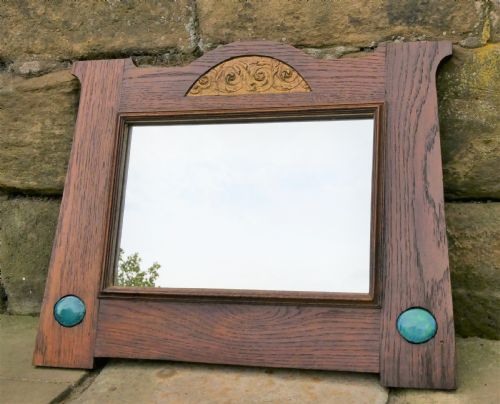


Rustic Oak Wall Mirror
A rustic oak wall mirror brings warmth and tangible texture to a room, grounding the space with solid timber grain.
Rustic Oak Wall Mirror
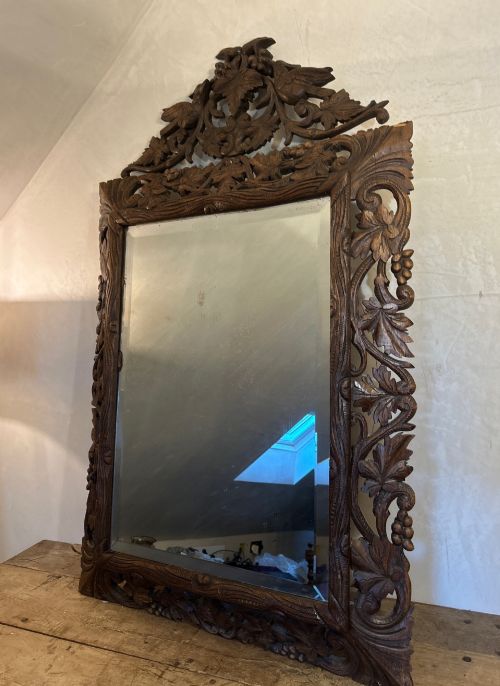
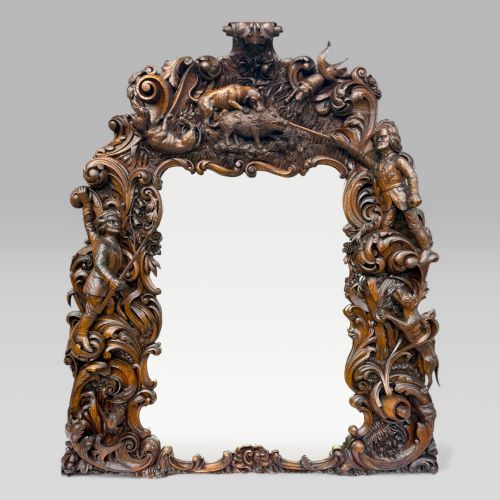
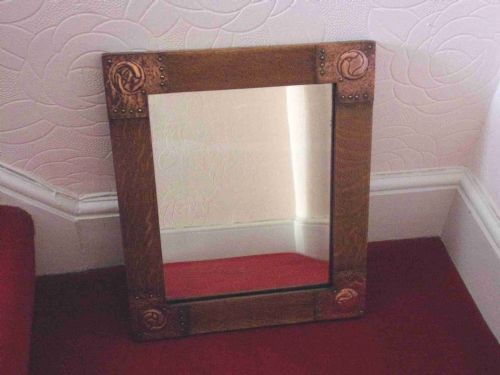
A rustic oak wall mirror combines sturdy oak frames with decorative carving, fret cut work, or metal accents, forming a practical and decorative focal point for hallways, bedrooms, or living spaces. These pieces range from restrained Arts and Crafts designs with copper details to ornate French Renaissance Revival overmantles.
The versions most commonly found here date from the nineteenth century through the Edwardian period, often reflecting regional European styles such as Black Forest carving or English country joinery. Buyers encounter formats varying from compact cloakroom mirrors with integrated shelves to large leaner mirrors.
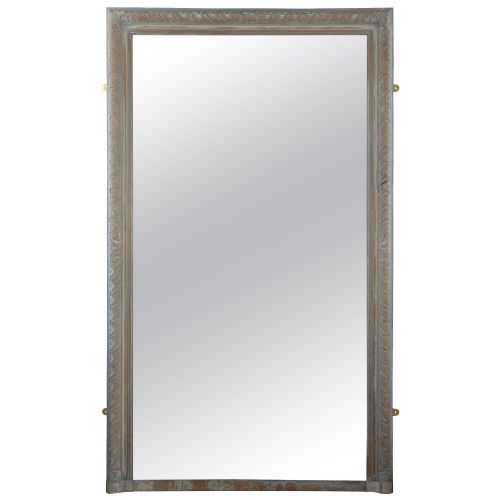
Some examples incorporate unexpected materials alongside oak, including brass, copper, and bleached or scrubbed timber surfaces. This variety allows the mirrors to fit seamlessly into both traditional period interiors and modern rustic schemes.
How they were made
Makers constructed these frames from solid oak, sometimes utilising bleached, scrubbed, or dark-finished wood to achieve particular tonal qualities. Carved elements were worked directly into the timber by hand, creating deep relief patterns ranging from foliage to geometric knotwork.
Metal components such as copper and brass frequently appeared as decorative strapwork, decorative bosses, or framing in Arts and Crafts pieces. Mirror glass was bevelled or flat-set into the timber rebates, secured at the back with traditional wooden slips or backing boards.
Listings feature oak combined with materials such as copper, brass, giltwood, and bleached wood across the nineteenth and early twentieth centuries.
What varies in quality
The depth and crispness of the hand carving dictate the artistic merit of the frame, distinguishing routine workshop production from superior sculptural work. Timber selection also plays a significant part, with well-figured grain and harmonious timber matching elevating the overall presence.
The integration of secondary materials, such as hand-hammered copper or applied brass highlights, shows the maker's attention to detail. Original mirror glass with authentic foxing differs markedly from later replacements, altering the visual character of the piece.
The Rustic Oak Wall Mirror Glossary
- Overmantle
- A large mirror designed to hang above a fireplace mantelpiece. These pieces often feature extended horizontal proportions and substantial carved frames.
- Arts and Crafts
- A design movement valuing handcraftsmanship, simple forms, and local materials. Pieces from this style frequently display exposed construction and metalwork highlights.
- Black Forest
- A regional style of wood carving originating in Germany and Switzerland, known for naturalistic animal and foliage motifs. The carving is typically deep and highly detailed.
- Fret cut
- A technique where timber is pierced and cut into intricate patterns using a fine saw. This creates light, openwork designs within the wooden frame.
- Scrubbed oak
- Timber that has been thoroughly washed and scrubbed to reveal the pale, natural grain without heavy varnish or polish. This finish offers a clean, matte appearance.
Rustic Oak Wall Mirror: Frequently Asked Questions
Where should I hang a rustic oak wall mirror?
These mirrors suit entrance halls, above mantelpieces, or in cloakrooms where the combination of timber frame and practical glass serves daily routines.
Larger formats function effectively as leaner mirrors in bedrooms or living areas to reflect light and expand the visual space.
How do I care for the oak frame?
Dust the timber regularly with a soft, dry cloth to prevent the buildup of dirt within the carved recesses and grain.
Avoid using silicone-based polishes, opting instead for a traditional beeswax applied sparingly to nourish the dry oak.
Are the mirror plates original?
Many period pieces retain their original glass, which often exhibits light ageing, spotting, or foxing that confirms its age.
Some mirrors feature replacement glass installed during their long history to ensure a clear reflection.
How do I date a carved oak mirror?
Stylistic clues such as Celtic knotwork point towards the Arts and Crafts movement around nineteen-ten, while heavy figural carving often suggests nineteenth-century European workshops.
Construction methods at the back of the frame, including hand-sawn boards and early fixings, also help establish the period.