


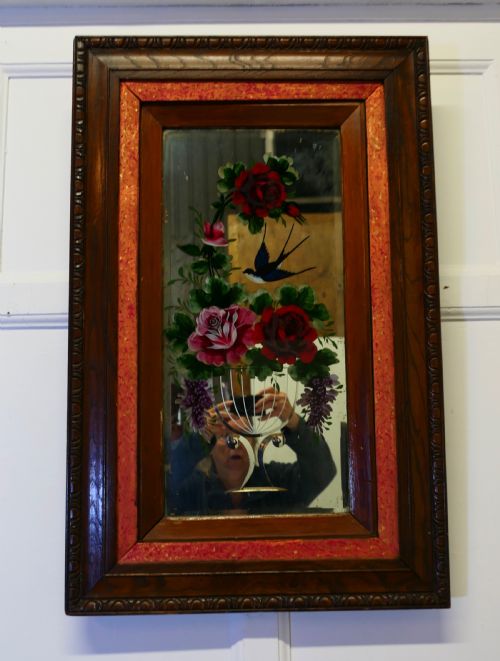

Hand Carved Oak Mirror
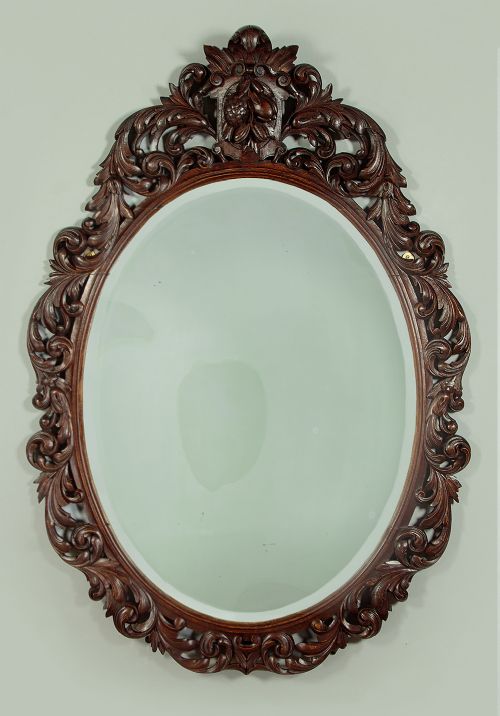
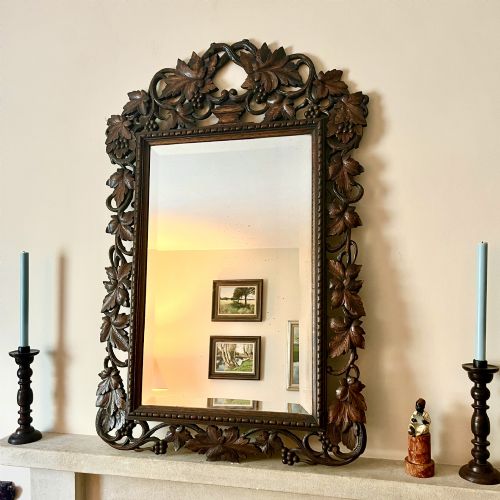
A hand carved oak mirror brings deep grain and robust joinery into a room, offering both functional reflection and striking relief work.
Hand Carved Oak Mirror
A hand carved oak mirror combines sturdy timber framing with intricate chisel work, serving as a focal point for domestic interiors. When exploring a hand carved oak mirror, buyers encounter wall mirrors and overmantel mirrors fashioned from solid hardwood. These pieces span from the eighteenth century through to the early twentieth century, reflecting shifting tastes in domestic decoration.
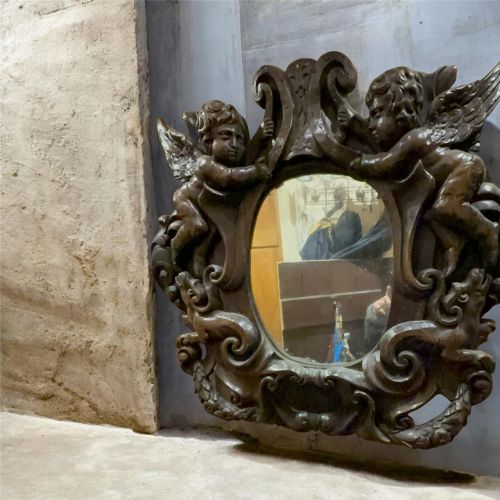
The selection on this page relies heavily on nineteenth-century examples alongside Victorian works. Pieces range from straightforward wall mirrors to elaborate forms featuring dragons, foliate motifs, and reverse painted panels. Most items demonstrate the enduring appeal of carved wood within traditional British and continental interiors.
How they were made
Maker's hands shaped these objects using solid oak and mixed hardwoods, relying on traditional hand chisels to cut deep relief patterns into the timber. Frames often incorporate mirror glass secured within heavy wooden rabbets, sometimes accompanied by etched or reverse painted glass panels decorated with floral motifs.
Joinery techniques varied from pegged mortise and tenon corners to simpler secured frames designed to bear the considerable weight of dense timber and glass. Surface finishes typically include natural waxed oak or darkened patination, highlighting the natural grain and the crisp edges of the carving.
Hand Carved Oak Mirror Retail Price Guide 2026
Typical asking prices for hand carved oak mirror among the pieces listed under this phrase on Sellingantiques today, from the lower quarter to the upper quarter. They describe what is for sale here now, not the wider market.
One particularly spirited dragon keeps a permanent wooden watch over its carved oak domain.
What varies in quality
Quality in a hand carved oak mirror rests upon the depth, clarity, and ambition of the woodworking. Superior examples display undercut relief carving with crisp details in the foliage or figural elements, whereas lesser pieces rely on shallow stamping or repetitive machine routing.
The integrity of the timber frame and the originality of the mirror glass further separate standard items from superior works. Heavier overmantel pieces require sound structural joinery to prevent warping under the tension of the wood and the weight of the plate.
L Blondie
The Hand Carved Oak Mirror Glossary
- Overmantel mirror
- A large mirror designed to be hung specifically above a fireplace mantelpiece. These often feature extended horizontal proportions to match the width of the hearth below.
- Black Forest
- A regional style of wood carving originating from the mountainous forests of central Europe. Pieces in this tradition often showcase naturalistic animals, deep foliage, and three-dimensional creatures.
- Reverse painting
- A technique where an artist paints directly onto the back of a glass pane so that the image is viewed correctly through the front. This method often appears alongside etching on Victorian decorative glass.
- Gothic Revival
- An architectural and decorative style drawing inspiration from medieval forms. Such pieces frequently incorporate pointed arches, quatrefoils, and heavy structural oak moulding.
Hand Carved Oak Mirror: Frequently Asked Questions
Where should I hang a heavy oak mirror?
Heavy carved timber frames require secure fixing directly into wall studs or masonry rather than relying solely on standard plasterboard anchors. Ensure the hanging wire or brackets on the rear match the substantial weight of the piece.
Positioning the frame at eye level or directly above a substantial piece of furniture helps anchor its visual weight in the room.
How do I care for antique oak frames?
Maintain the timber by applying a microcrystalline wax sparingly to nourish the dry oak without building up sticky layers. Avoid using modern aerosol polishes containing silicone, which can penetrate and degrade historic finishes.
Keep the mirror away from direct heat sources and strong sunlight to prevent the wood from splitting and the original backing from failing.
How do I date an old oak mirror?
Examine the construction methods visible on the reverse, noting hand-cut joints, original fixings, and the type of wood backing used. Tool marks left by hand chisels often point toward nineteenth-century or earlier production.
The characteristics of the mirror glass, such as slight bevels or subtle foxing, also help corroborate the period of the frame.
Are these mirrors suitable for damp rooms?
Solid oak and antique mirror glass react poorly to high humidity and moisture found in bathrooms or unheated spaces. Moisture can cause the wooden frame to warp and the silver backing on the glass to degrade.
Keep these pieces in dry living areas, hallways, or dining rooms where temperature and humidity remain relatively stable.