

Antique Wooden Vanity Mirror
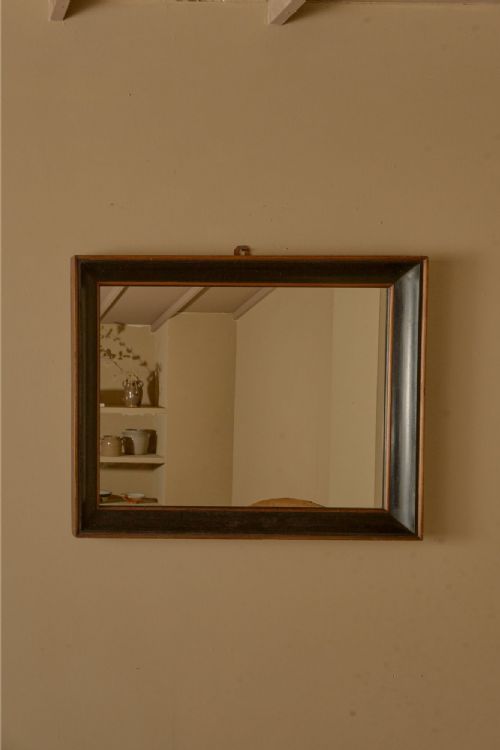
An antique wooden vanity mirror brings warmth and practicality to a dressing space, offering clear reflection framed in period timber.
Antique Wooden Vanity Mirror
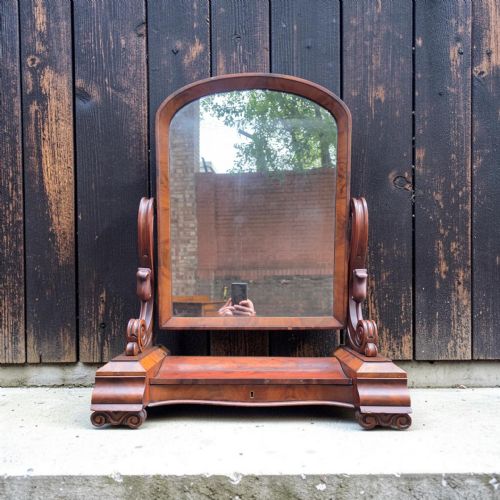
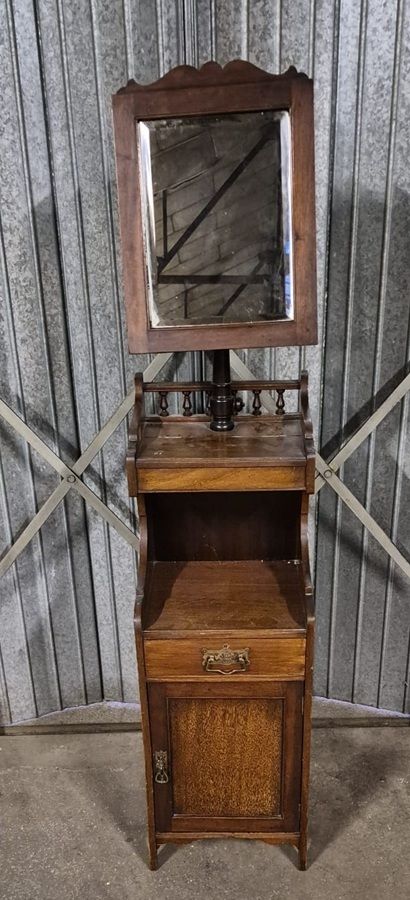
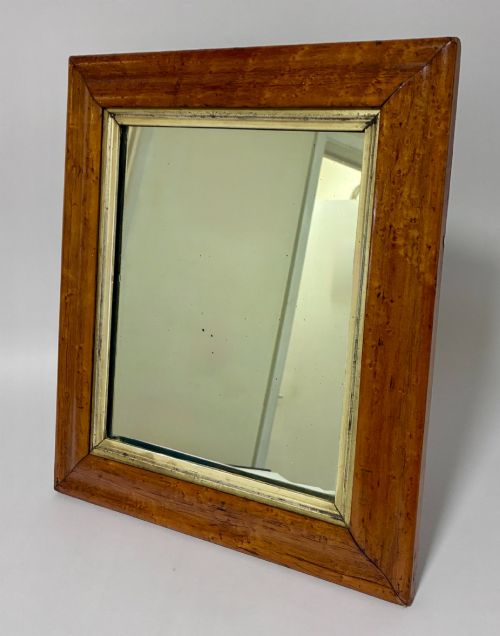
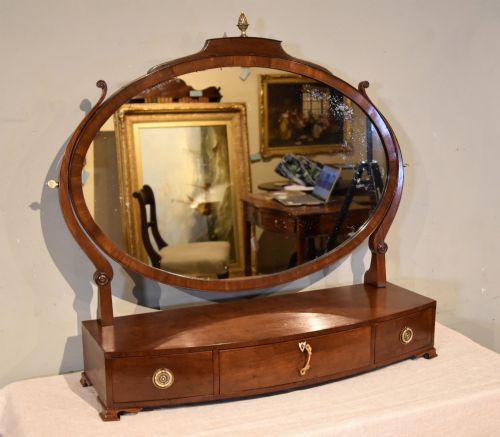
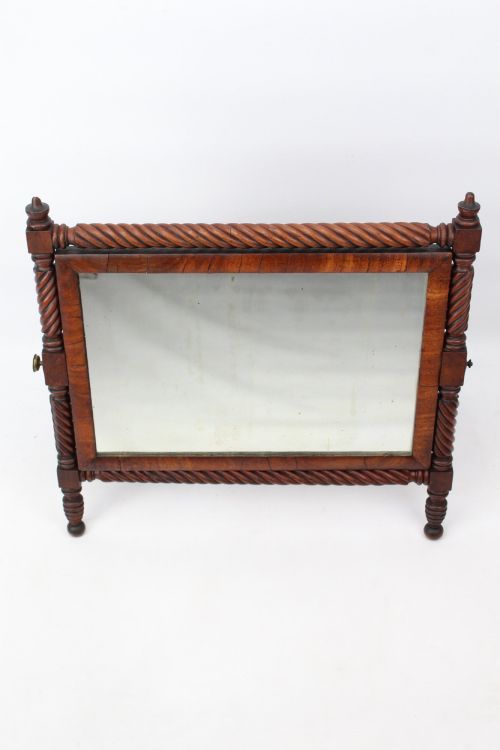
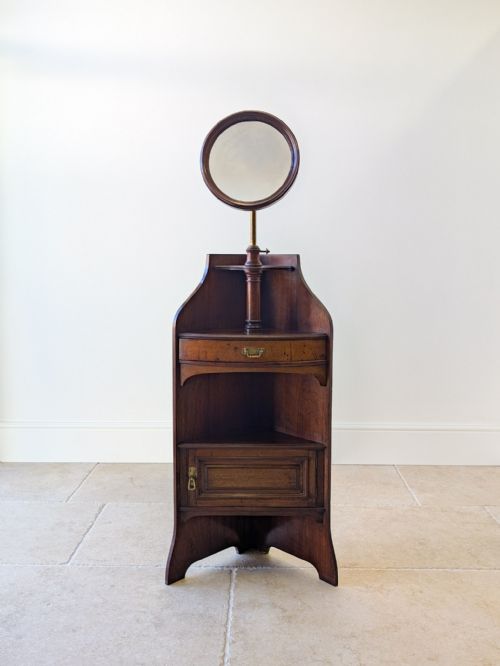
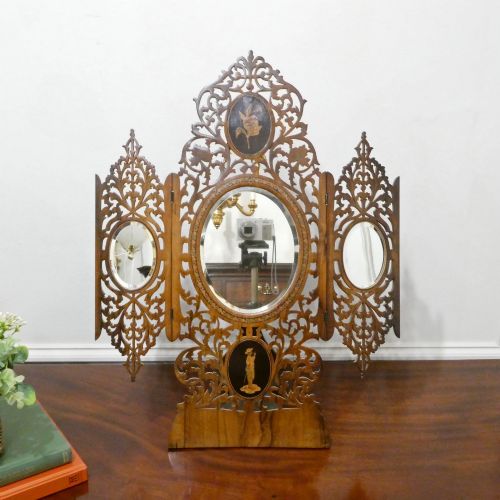
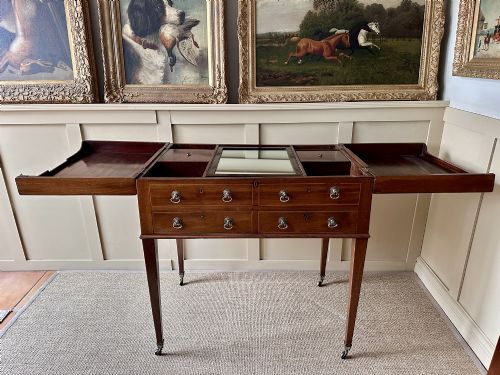
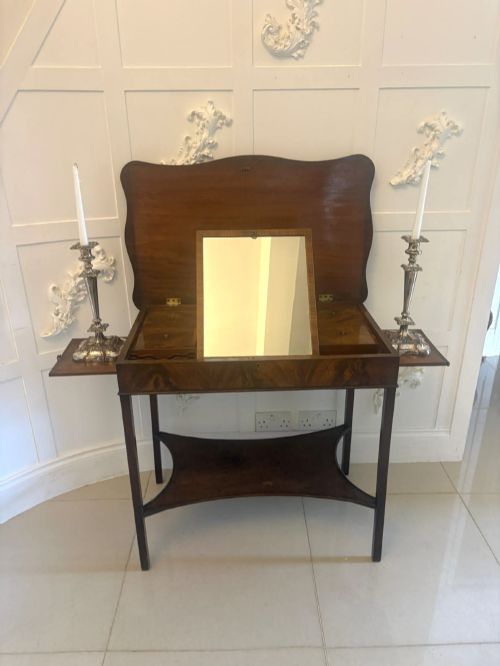
When buyers search for an antique wooden vanity mirror, they encounter a range of dressing table, toilet, and table mirrors designed for personal grooming. These pieces sit atop chests, washstands, and dedicated dressing furniture, offering adjustable angles for daily use.
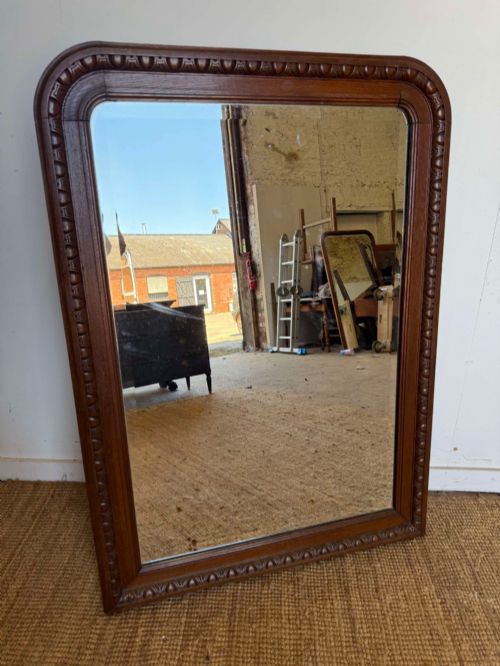
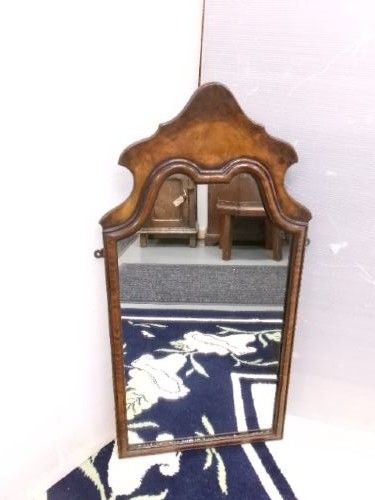
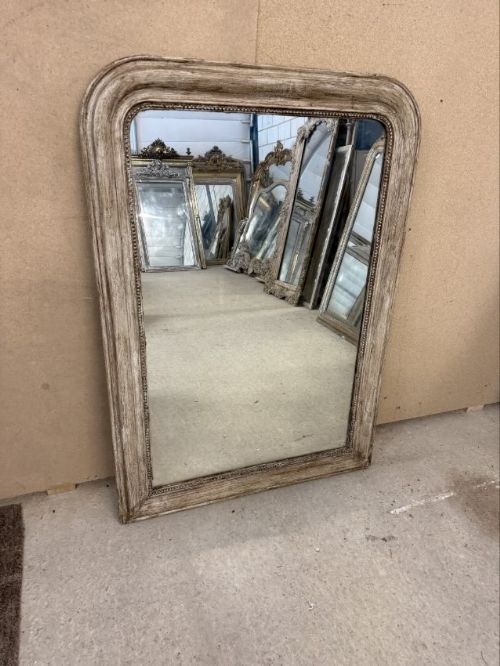
The selections span from simple Georgian and Regency mahogany toilet mirrors with box bases to elaborate Edwardian and Art Deco designs in walnut and oak. Smaller table mirrors and cheval mirrors also appear, alongside occasional wall-mounted variations suited to similar interior spaces.
Originating across English, French, Dutch, and Scottish workshops, these items reflect the changing domestic habits and interior styles of the eighteenth, nineteenth, and early twentieth centuries.
Materials and construction methods
Cabinet makers utilised dense native and imported timbers, notably mahogany, walnut, and oak, often figured with distinctive grains or veneers. Structural stability relied on traditional joinery techniques such as dovetailed box bases and mortise and tenon frames.
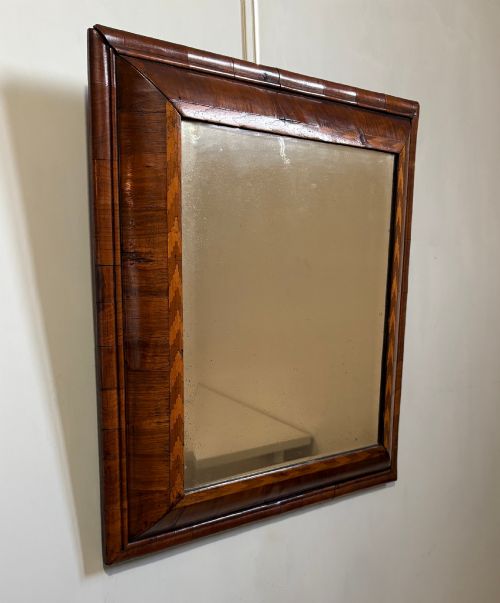
Reflecting surfaces typically consist of silvered glass, sometimes bevelled at the edges, held securely within rebated wooden frames or attached to pivoting brass arms and pivots for adjustable positioning.
Antique Wooden Vanity Mirror Retail Price Guide 2026
Typical asking prices for wooden vanity mirror among the pieces listed under this phrase on Sellingantiques today, from the lower quarter to the upper quarter. They describe what is for sale here now, not the wider market.
Travellers in the Georgian era carried folding Tunbridge ware mirrors equipped with hidden compartments for secret notes.
Distinctions in craftsmanship and design
Quality rests in the crispness of carved details, the choice of timber figuring, and the integration of brass hardware such as adjustable arms and box fittings. Finer examples display meticulous attention to proportion, subtle inlay work, and balanced proportions.
Secondary woods used in drawer linings and backboards, alongside the preservation of original mirror glass and polish, separate standard utilitarian pieces from workshop items of higher artistic ambition.
Heal & Sons·P & MA Nicholson
The Antique Wooden Vanity Mirror Glossary
- Toilet mirror
- A small mirror mounted on a box base with drawers, designed to sit upon a table or dressing chest. These pieces gained popularity during the Georgian period for personal grooming.
- Cheval mirror
- A full-length dressing mirror supported on a freestanding vertical frame with four legs. The glass pivots freely between side posts.
- Tunbridge ware
- Small wooden decorative items adorned with mosaic patterns built from tiny blocks of various coloured woods. This technique created geometric or pictorial motifs on travelling mirrors and boxes.
- Mashrabiya
- An architectural element utilising intricate wooden lattice work combined with bone and mother of pearl inlay. It appears on decorative mirrors from the Middle East.
- Giltwood
- Timber carved and coated with a thin layer of gold leaf or gesso. This finish creates a bright decorative surface found on revival and easel mirrors.
Antique Wooden Vanity Mirror: Frequently Asked Questions
What is the difference between a toilet mirror and a dressing mirror?
Toilet mirrors specifically refer to smaller glass plates mounted on box bases containing small drawers for cosmetics or jewellery. They were traditionally placed on top of tables or chests.
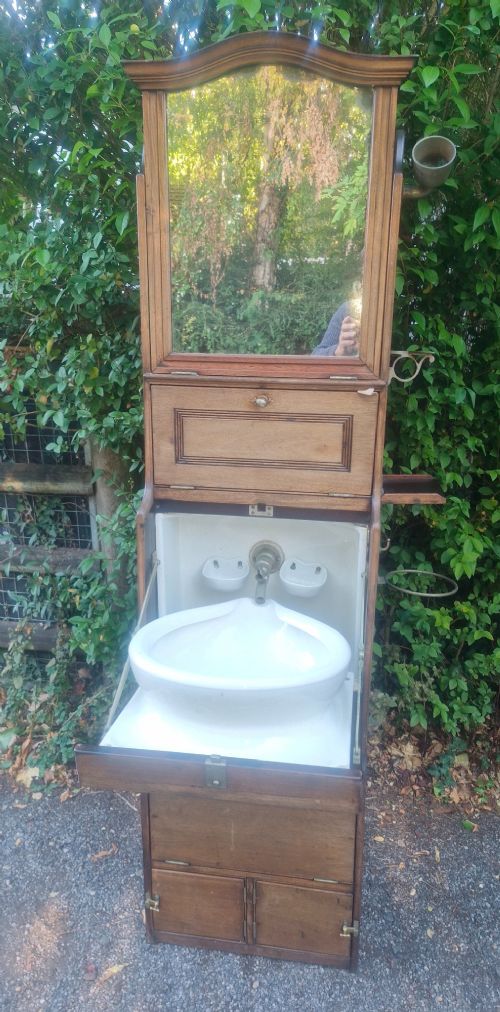
Dressing mirrors encompass a broader category that includes larger table-top versions, cheval stands, and mirrors attached directly to dressing chests or washstands.
How do I identify a Georgian vanity mirror?
Georgian examples often feature solid mahogany or walnut frames with simple architectural lines or gently shaped crests. Their box bases frequently utilise fine dovetail joints and small ogee bracket feet.
Hardware on these pieces typically includes brass handle drops and simple pivoting screw adjustments for the glass frame.
Where should I place an antique vanity mirror?
These mirrors suit dressing tables, chest of tops, and console tables in bedrooms or reception hallways. Their compact footprints allow them to add reflective light and period character to modest spaces.
Ensure the supporting surface is stable and level, particularly when adjusting the angle of heavy framed glass.
Are the mirror plates original?
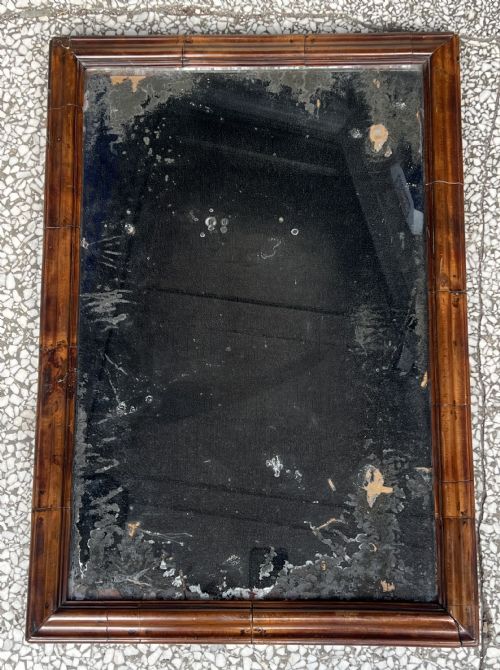
Many surviving pieces retain their original mirror glass, which often exhibits subtle foxing, minor silver loss, or slight distortion. These characteristics reflect the age and manufacturing methods of historical silvering processes.
Replacements do occur where older glass has deteriorated beyond utility, so inspection of the backing and silvering provides clues to its history.