

Victorian Dressing Table Mirror
When hunting a victorian dressing table mirror, you seek a functional piece of bedroom furniture designed to sit upon a dressing table or chest.
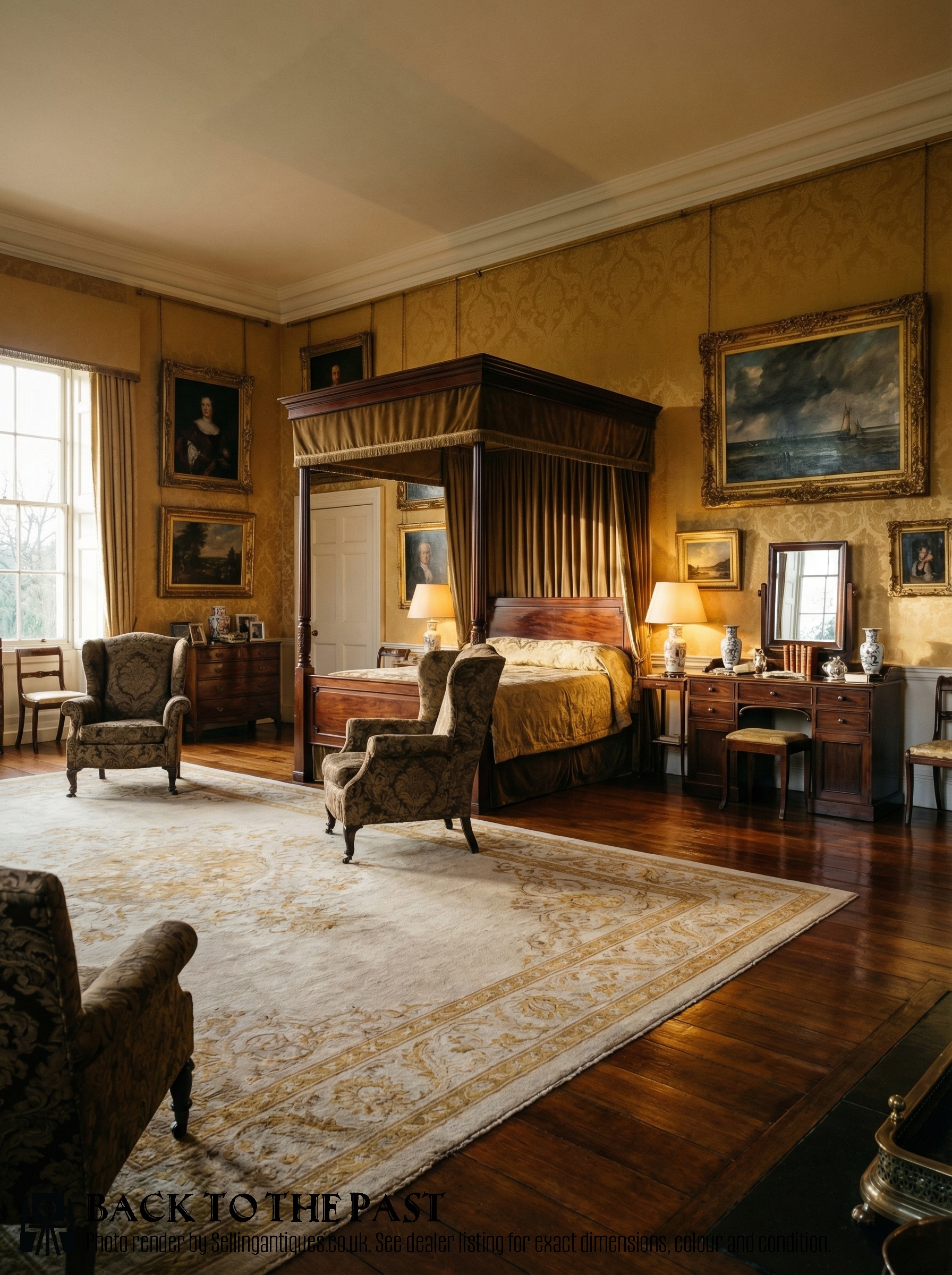
Victorian Dressing Table Mirror
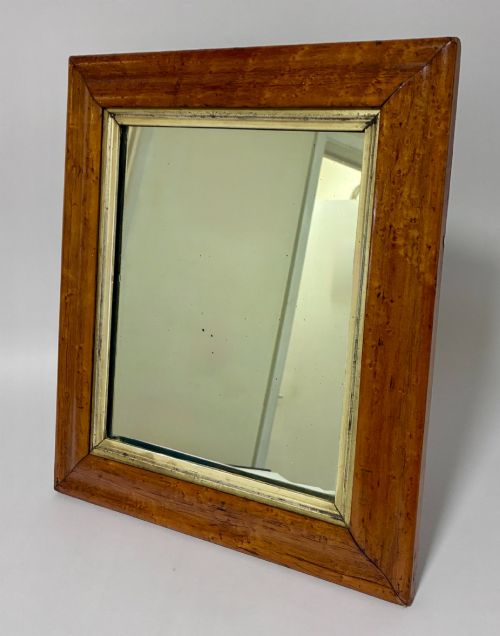
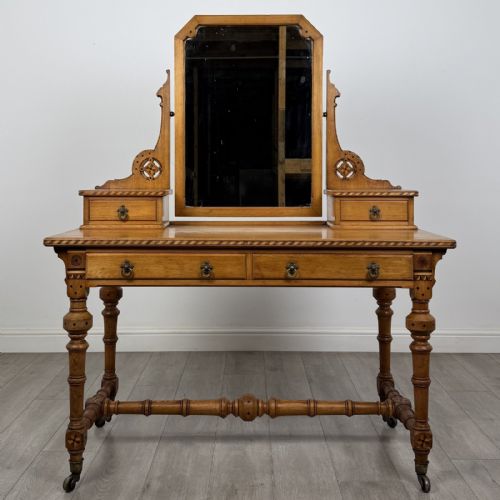
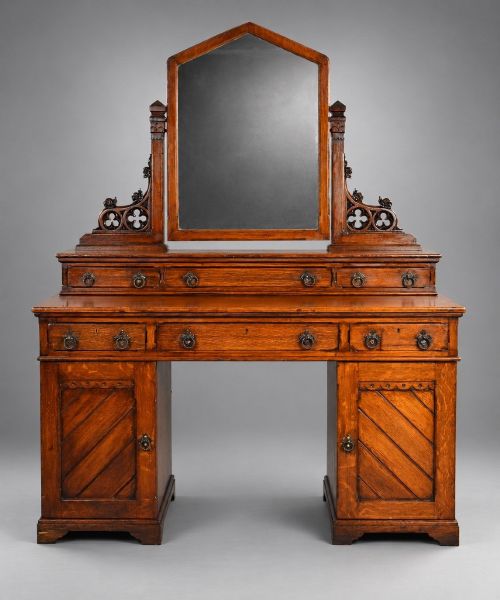
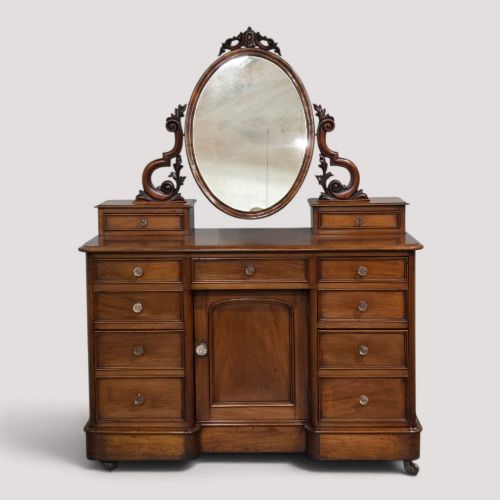
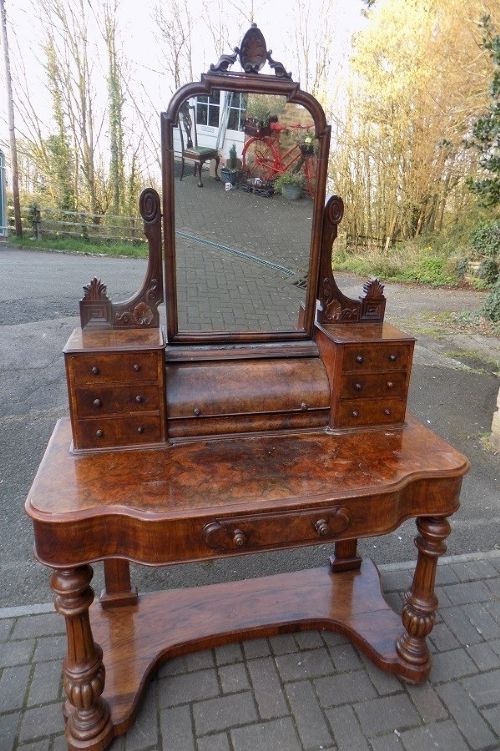
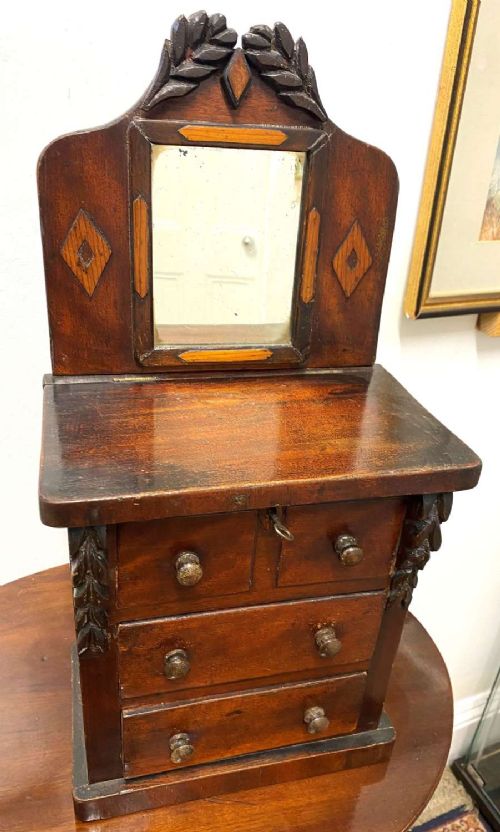
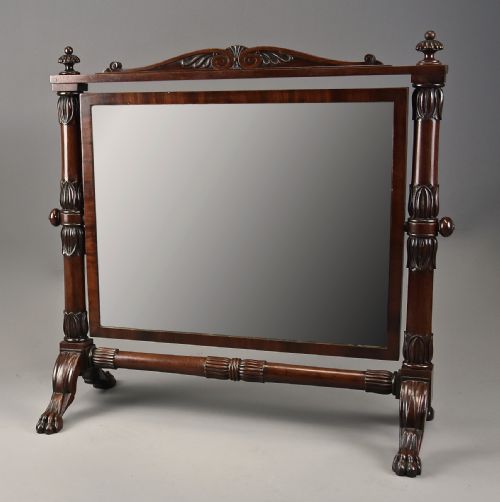
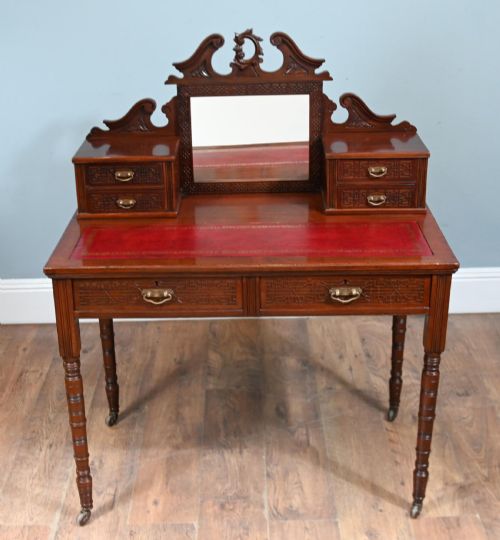
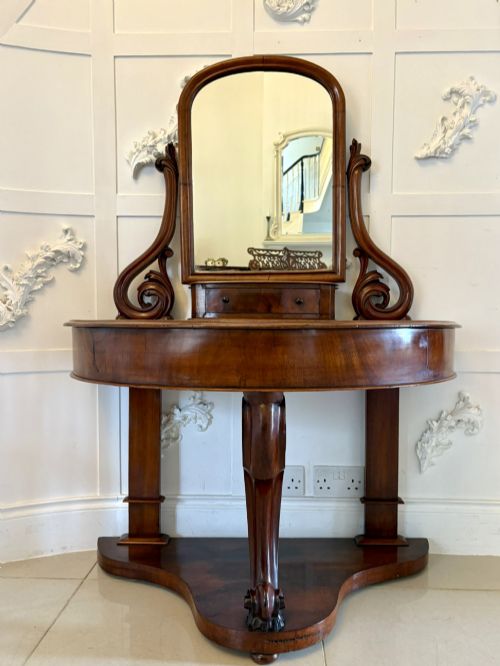
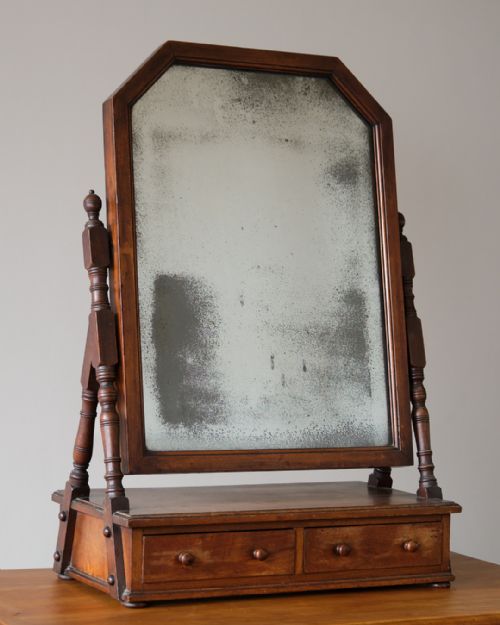
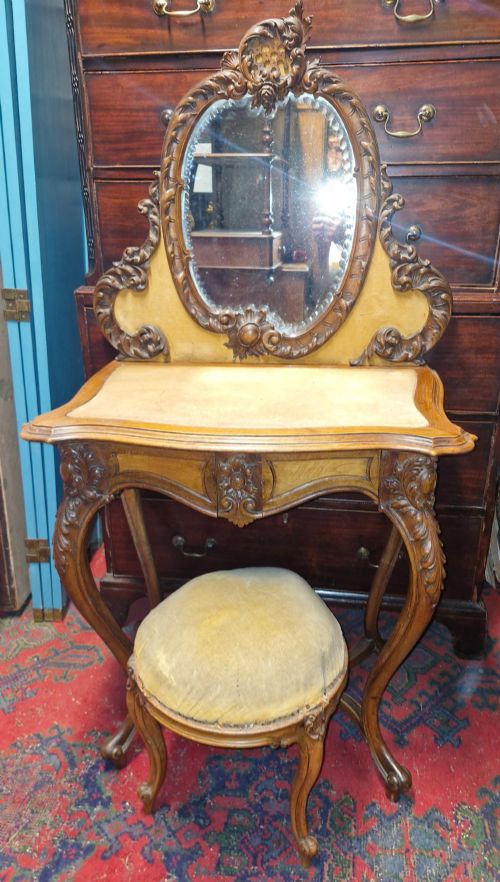
A victorian dressing table mirror comprises a pivoting glass plate held within a wooden frame, supported by upright arms atop a shaped base or small set of trinket drawers. These objects facilitated personal grooming in nineteenth-century bedrooms, often accompanying larger duchess dressing tables or standing independently on chests of drawers.
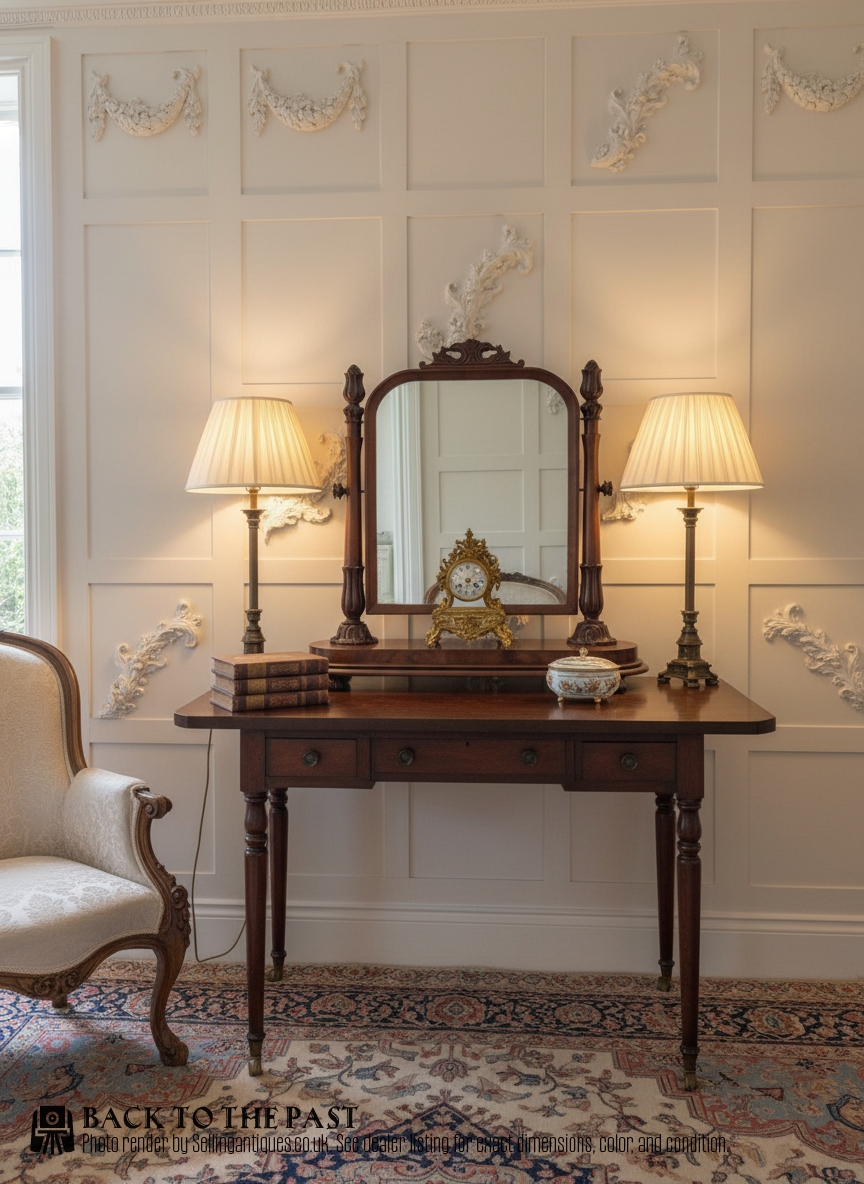
How they were made
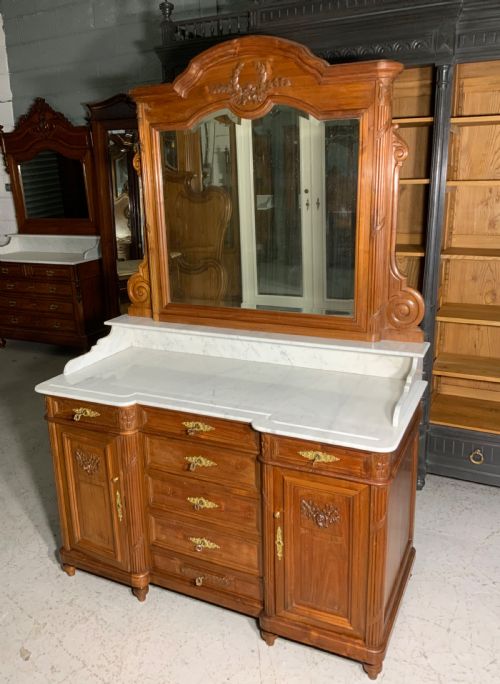
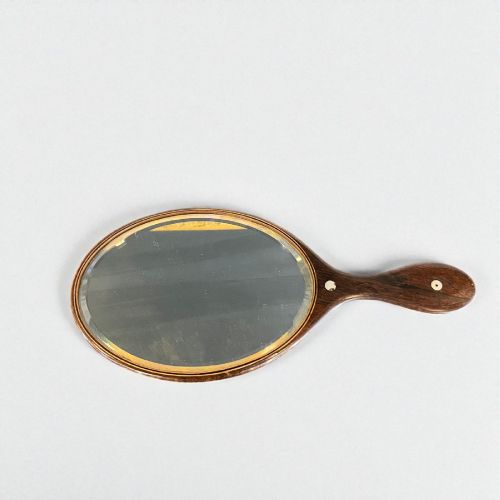
Cabinet makers utilised dense hardwoods such as mahogany, walnut, and oak, often selecting burr veneers or flame grains to create decorative surfaces on the base and frame. Brass pins, swing arms, and sometimes champleve bronze or ormolu mounts were employed to secure the pivoting mirror plate.
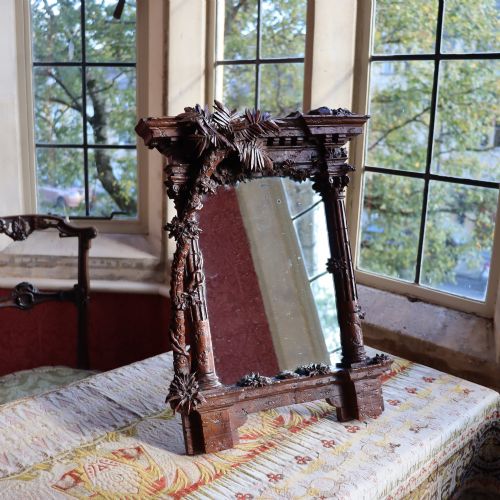
Carved details, ebonised accents, and inlaid banding frequently decorate the structural uprights and drawer fronts. Glass plates were bevelled or flat, set securely into rebated wooden frames or metal easel backs.
Victorian Dressing Table Mirror Retail Price Guide 2026
Typical asking prices for victorian dressing table mirror among the pieces listed under this phrase on Sellingantiques today, from the lower quarter to the upper quarter. They describe what is for sale here now, not the wider market.
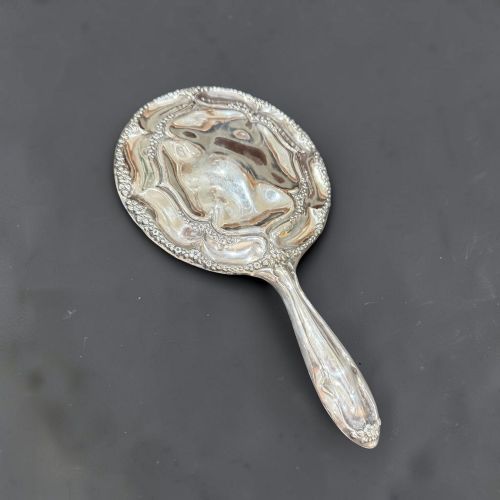
Listings feature mahogany, walnut, and oak alongside decorative brass and silver elements across the Victorian and Edwardian periods.
What varies in quality
The choice of timber underpins the distinction between standard and superior pieces, with figured burr walnut and flame mahogany commanding greater visual depth than plain pine or oak. Construction finesse also separates examples, seen in the smoothness of the drawer joints and the stability of the pivoting mechanism.
Carving depth and the integration of secondary materials, such as champleve bronze or sterling silver frames, elevate certain items from simple utility objects to decorative works. The original condition of the glass plate and the retention of matching drawer pulls further influence the standing of each piece.
Heal And Sons·Waring And Gillows·P And MA Nicholson·Harrods·Maple And Co·Henry Matthews·William Comyns
The Victorian Dressing Table Mirror Glossary
- Swing mirror
- A glass plate mounted on vertical pivots allowing the user to tilt the reflection angle. This form is central to traditional dressing furniture.
- Duchess dressing table
- A large vanity desk featuring a central attached mirror surrounded by small trinket drawers. These grand pieces define late nineteenth-century bedroom suites.
- Trinket drawers
- Small storage compartments built into the base of a table mirror for holding jewellery and pins. They often feature delicate brass knobs.
- Cheval mirror
- A full-length standing dressing glass supported by a independent frame with four legs. These tall mirrors allowed full view of attire.
- Ormolu
- Gilded bronze ornamentation applied to furniture frames and mounts. It adds metallic contrast to wood surfaces.
Victorian Dressing Table Mirror: Frequently Asked Questions
How were dressing mirrors used daily?
These mirrors sat atop a dressing table or chest to provide a clear reflection for morning grooming and adjusting attire. Users tilted the glass plate on its side pivots to catch optimal light.
Smaller tabletop versions held personal items in built-in drawers beneath the glass. They served as essential fixtures in Victorian bedrooms before fitted wardrobes became standard.
How do I distinguish walnut from mahogany?
Mahogany displays a reddish-brown tone with straight or subtly figured grain patterns that darken gracefully over time. Walnut exhibits a richer, dark brown colour with pronounced swirling patterns and burrs.
Examining the grain under good light reveals these distinct timber characteristics. Makers often polished both woods to a high gloss.
What is a duchess dressing table?
A duchess table is a large Victorian vanity featuring a fixed or swinging mirror backed by numerous small drawers. These elaborate pieces formed the centrepiece of high-status bedroom suites.
They combine generous surface space with ornamental wood carving and curved pedestals. The design remained popular through the middle and late nineteenth century.
Are shaving stands different from table mirrors?
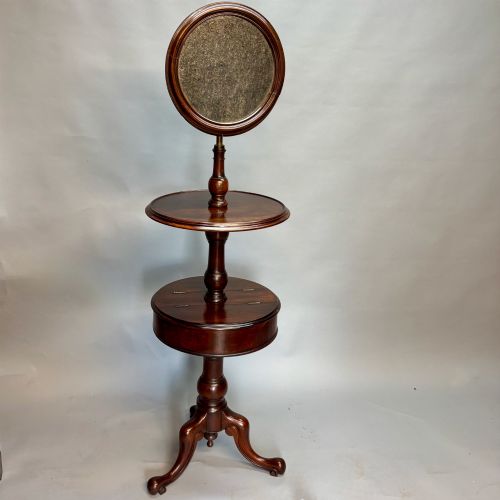
Shaving stands are specialised Victorian pieces featuring adjustable telescopic mirrors mounted on tripod bases or sturdy columns. They were designed specifically for men's grooming routines.
Table mirrors sit broadly on rectangular or serpentine drawer bases for general vanity use. Shaving stands prioritize adjustable height over surface storage.
How do I care for antique mirror glass?
Clean the glass gently using a soft cloth and mild cleaning solution without harsh chemicals. Avoid letting moisture seep behind the silvered backing of the old glass.
Place the mirror away from direct sunlight to protect the wood polish and veneers. Regular dusting preserves the aged patina of the timber frame.