
Vintage Tabletop Vanity Mirror
These vintage tabletop vanity mirror pieces bring practical dressing surfaces and period craft into daily domestic spaces.
What vintage tabletop vanity mirror pieces are
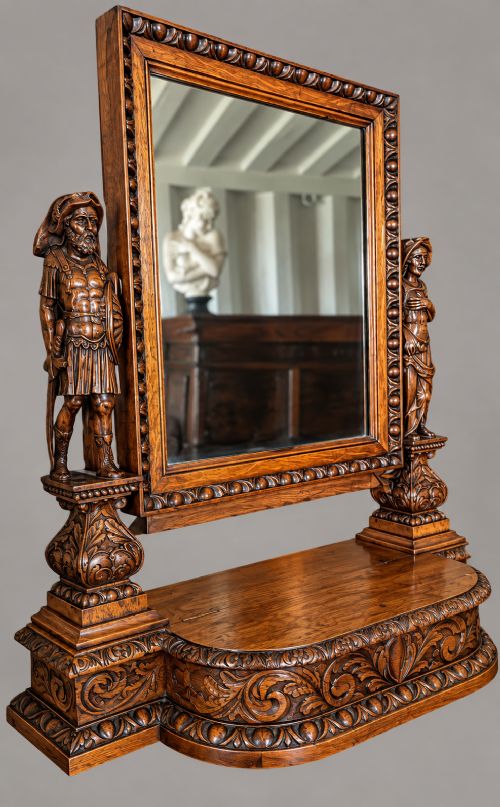
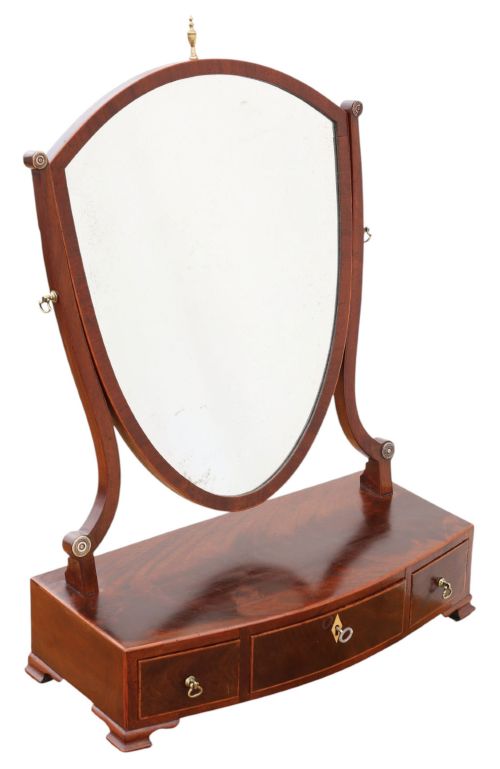
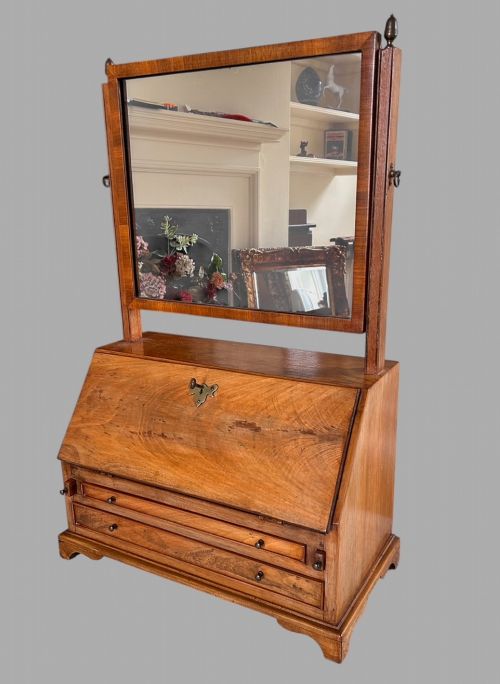
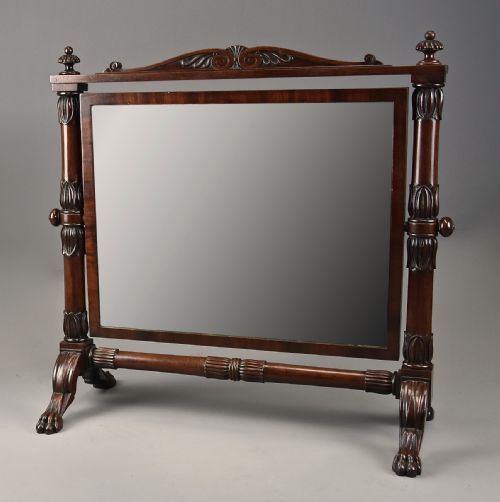
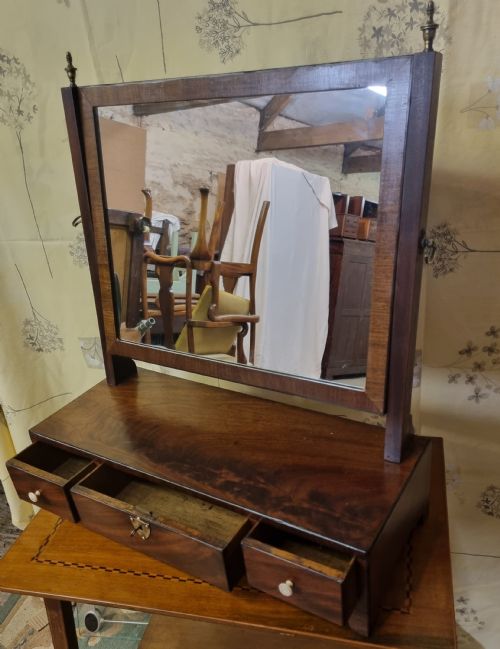
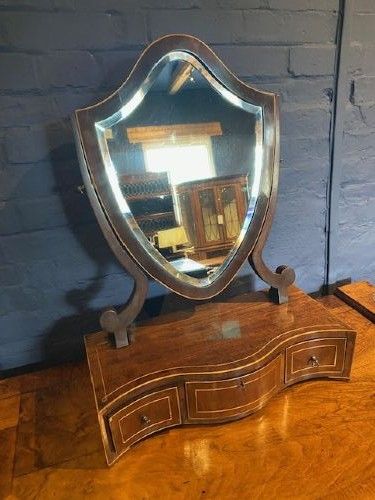
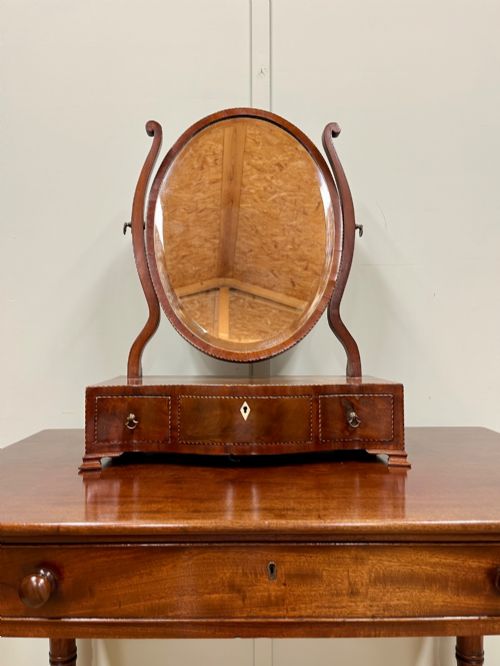
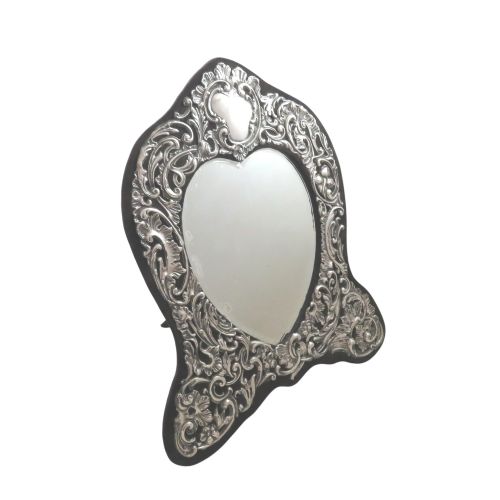
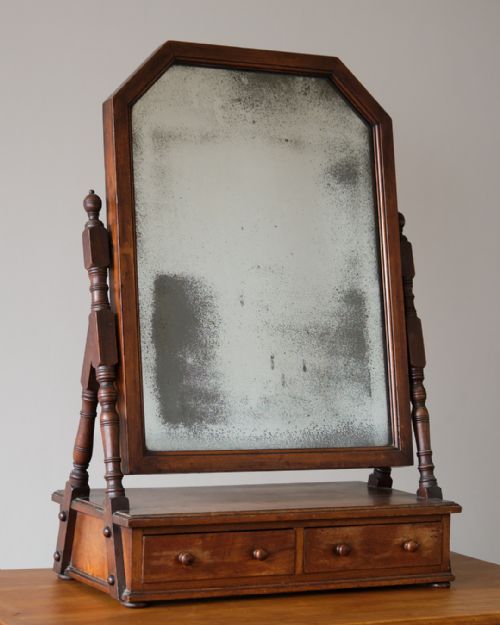
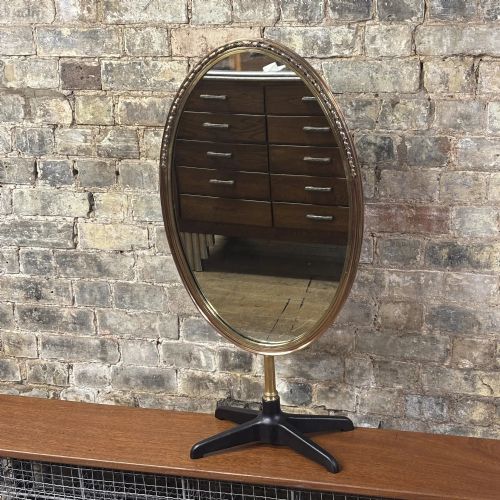
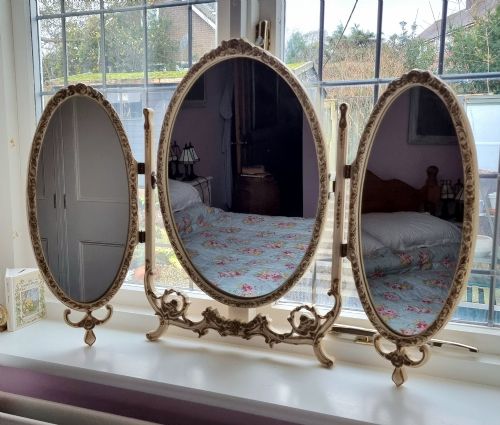
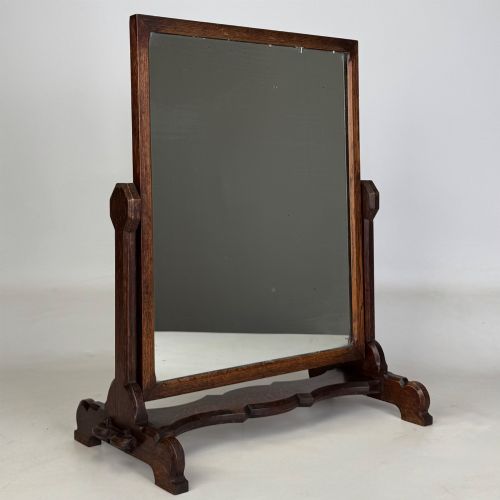
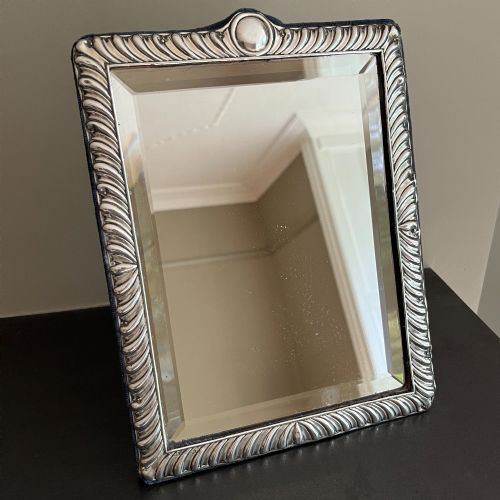
A vintage tabletop vanity mirror serves as a functional dressing accessory, designed to sit upon chests and tables while reflecting light and assisting with personal grooming. The selection spans distinct eras from the eighteenth century to the twentieth century, encompassing pieces from the Regency, Victorian, and Art Deco periods.
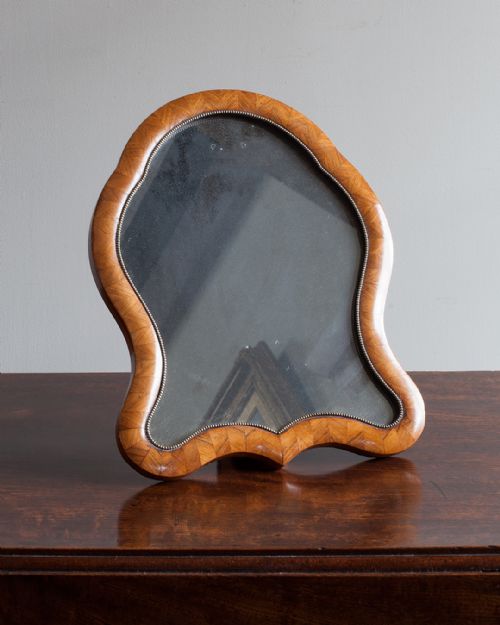
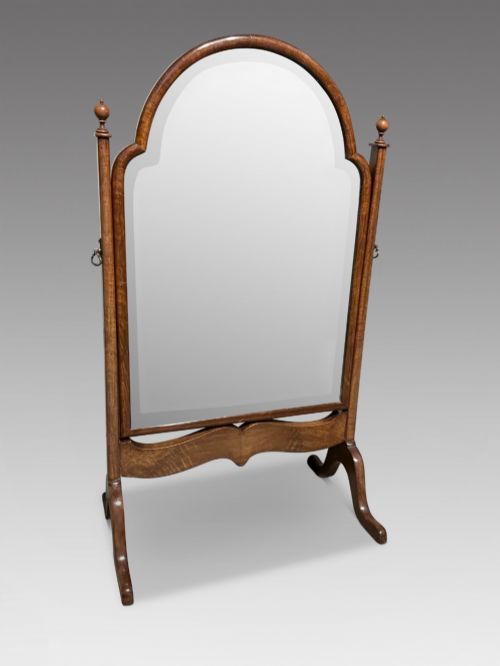
Buyers most frequently encounter forms described as toilet mirrors, dressing table mirrors, and vanity mirrors. These pieces vary in scale from compact kingwood examples to large scale inlaid toilet mirrors and cheval designs.
Origins stretch from early Georgian walnut creations to French Rococo Revival and Grand Regency interpretations. Each object demonstrates the domestic requirements of its respective period.
How they were made
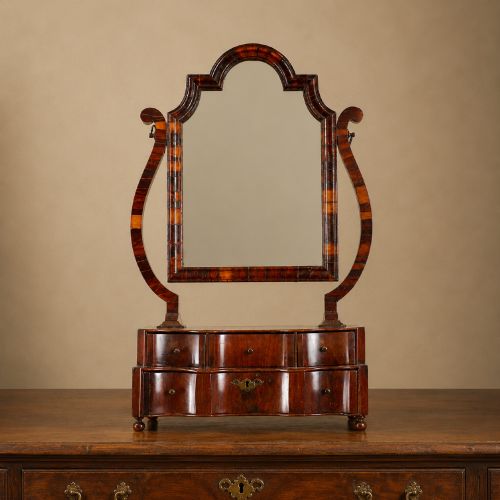
Cabinetmakers utilised a range of dense timbers including mahogany, Cuban mahogany, walnut, kingwood, and laburnum. Inlaid details and mirror glass form the primary visual components across these works.
Construction techniques involve careful timber selection and joinery suited to supporting adjustable glass panels on tabletop stands or easel backs.
Retail Price Guide 2026
Typical UK retail prices for vintage tabletop vanity mirror, calculated from the Sellingantiques database of over a million retail prices indexed since 2003. This retail price guide relies exclusively on Sellingantiques data; no external sources or auction records are used, so the figures do not describe the wider market.
Some early mirrors feature tiny hidden drawers for secret tokens.
What varies in quality
The distinction between standard examples and superior pieces rests upon the choice of timber and the sophistication of its grain. Highly figured Cuban mahogany or contrasting laburnum veneers elevate the visual weight of a mirror.
Refinement in proportion and subtle inlay work separate ambitious cabinetmaking from simpler utilitarian items.
P and MA Nicholson
The Vintage Tabletop Vanity Mirror Glossary
- Toilet mirror
- A small mirror designed for placement on a dressing table or chest of drawers during the eighteenth and nineteenth centuries.
- Cheval mirror
- A full length dressing glass supported by a freestanding frame, often scaled up for floor placement though related to tabletop forms.
- Cuban mahogany
- A dense, dark timber prized by cabinetmakers for its rich grain and deep colour during the Georgian and Regency eras.
- Kingwood
- An exotic hardwood utilised for veneering luxury furniture and small decorative objects due to its distinctive figuring.
- Laburnum
- A timber valued for its contrasting dark heartwood and pale sapwood, frequently employed in oyster veneering on early pieces.
Frequently Asked Questions
What is a toilet mirror?
A toilet mirror is a portable dressing glass designed to sit on top of a table or chest. It provided a dedicated surface for grooming before built-in bedroom wardrobes became standard.
These pieces typically feature a pivoting mirror plate mounted within upright arms on a small base containing drawers.
How do I date a mirror?
Dating relies on timber choices, construction methods, and prevailing design styles across the centuries. Georgian and Regency pieces often show specific joinery and veneer types characteristic of their era.
Later Victorian and Art Deco examples introduce alternative materials and simpler easel supports reflecting changing domestic interiors.
Where should I place it?
These mirrors suit placement on top of low chests of drawers, sideboards, or dedicated dressing tables. They require a stable surface where the pivoting glass can be adjusted safely.
Positioning them near natural light enhances their original purpose while adding depth to room interiors.
What woods were used?
Cabinetmakers selected durable hardwoods such as mahogany, walnut, and kingwood for their structural stability and finish. Exotic timbers like Cuban mahogany and laburnum provided decorative surfaces.
Inlays and contrasting veneers further defined the appearance of high quality pieces.