

Antique Bedroom Mirror
When sourcing an antique bedroom mirror, you are looking at centuries of functional glass mounted in mahogany, walnut, or oak for personal grooming.
Antique Bedroom Mirror
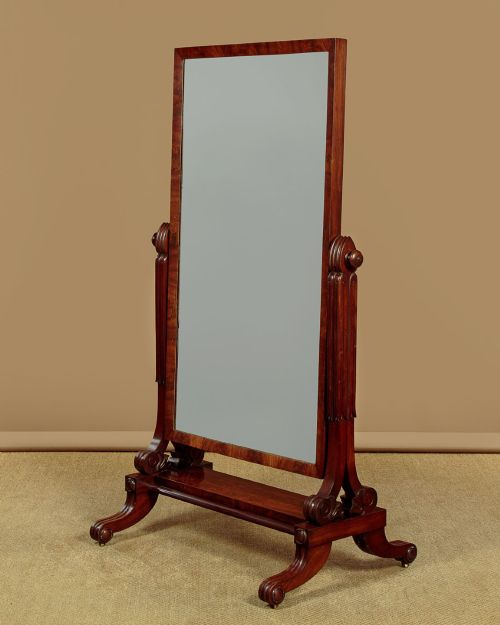
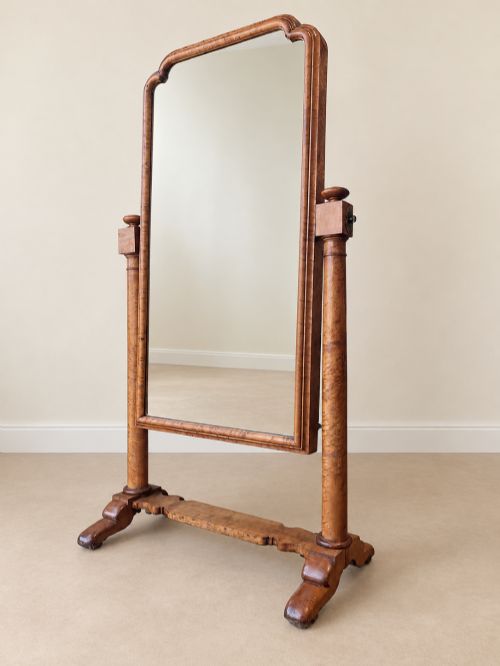
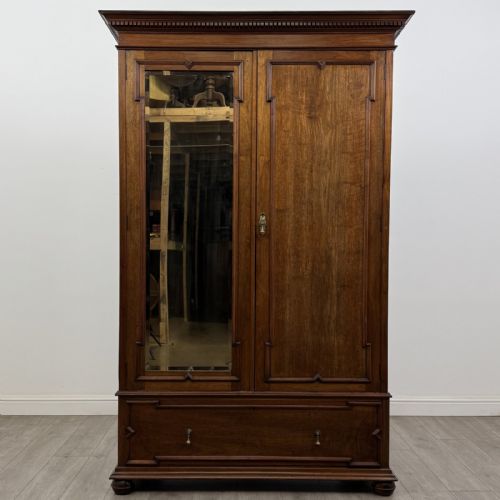
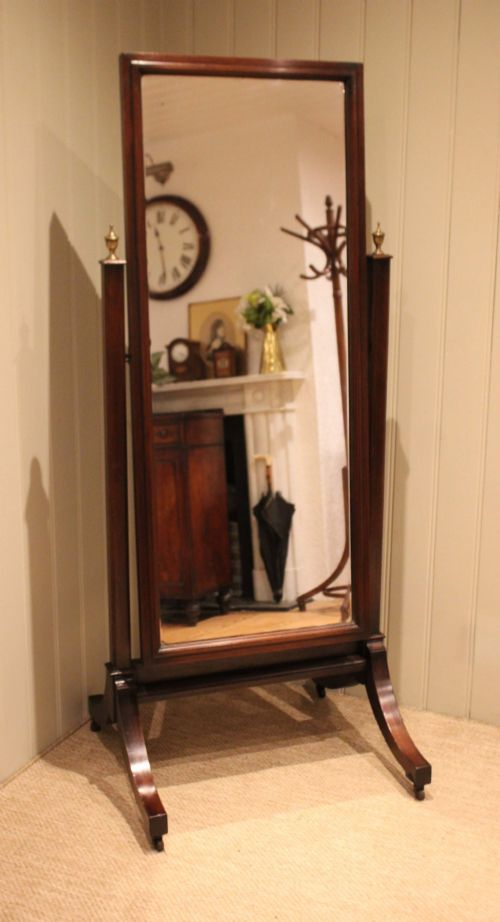
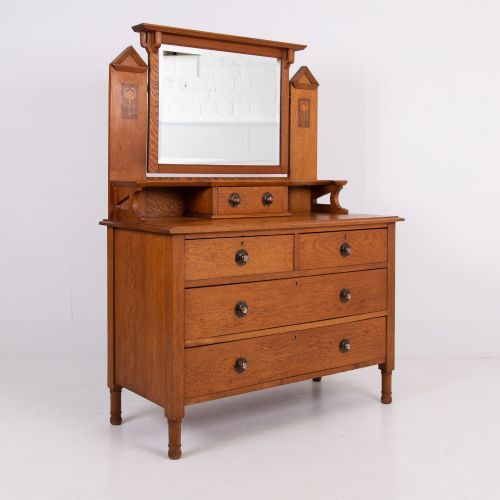
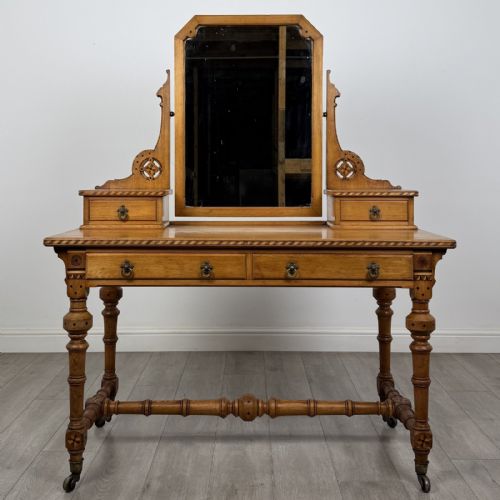
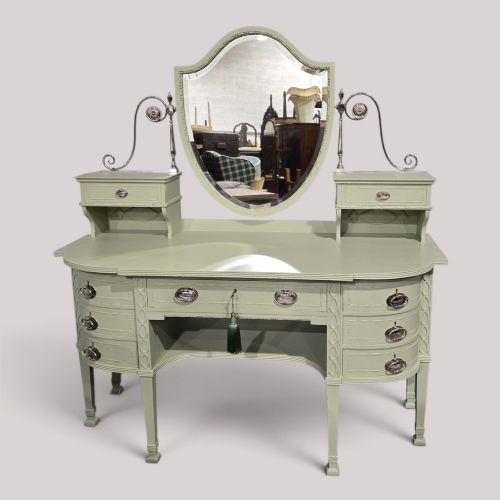
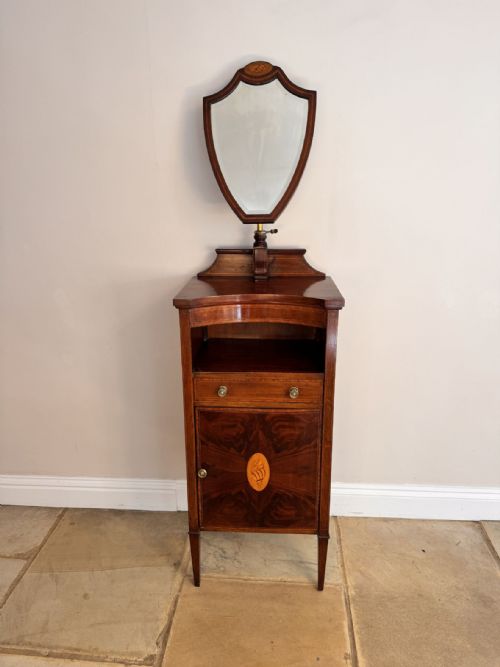
An antique bedroom mirror encompasses various forms designed for personal dressing and grooming within domestic spaces. Buyers encountering this phrase will find everything from small swing toilet mirrors intended for dressing chests to large floor-standing cheval glasses and triple-mirrored wardrobe doors.
The selection ranges across the nineteenth and twentieth centuries, taking shape through Victorian dressing tables, Edwardian wardrobes, and Art Deco vanity units. These pieces originate from English workshops as well as French ateliers, reflecting diverse regional tastes in domestic furniture.
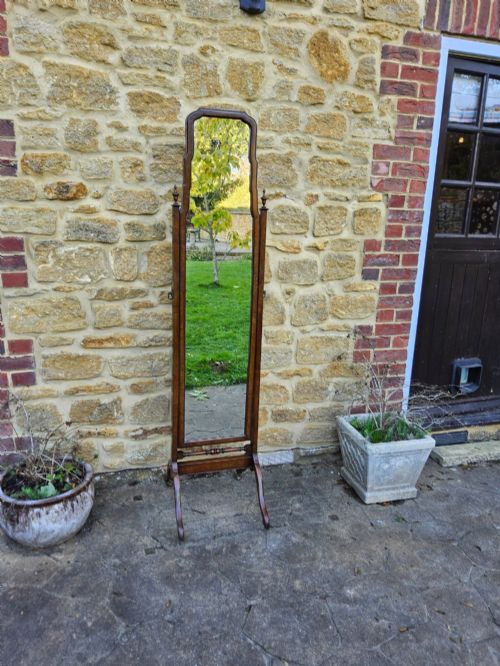
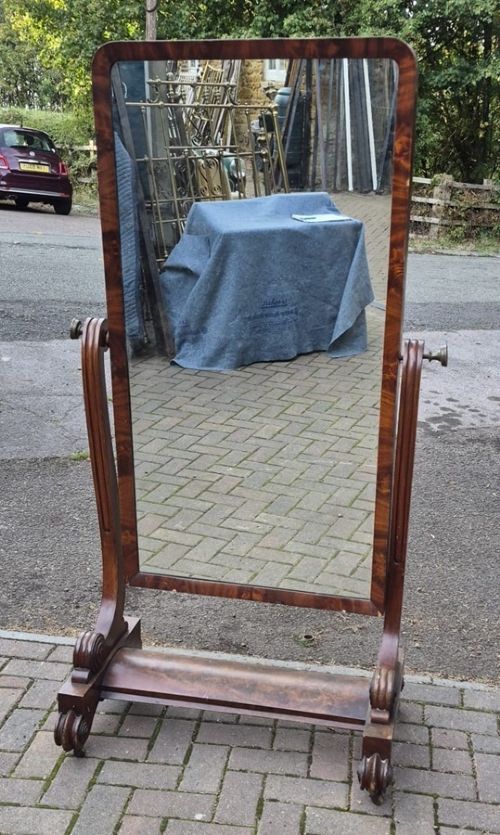
Freestanding cheval mirrors and smaller table-top toilet glasses dominate the offerings, often surviving as individual items or components of larger bedroom suites. Their forms dictated daily routines of grooming and attire verification in period chambers.
How They Were Made
Cabinetmakers utilised dense hardwoods such as mahogany, walnut, and oak to construct stable frames and housing structures, frequently embellishing surfaces with burr walnut veneers, boxwood stringing, or marquetry inlay. Timber selection governed the structural integrity and aesthetic weight of dressing chests and wardrobe doors holding the glass.
Glass plates were bevelled or flat-set into adjustable brass or wooden pivoting arms on swing mirrors, whilst larger floor-standing cheval frames relied on substantial heavy hinges and side standards for balance. Joinery methods included traditional dovetailing for small drawer boxes and mortise and tenon joints for major wardrobe housings.
Antique Bedroom Mirror Retail Price Guide 2026
Typical asking prices for bedroom mirror among the pieces listed under this phrase on Sellingantiques today, from the lower quarter to the upper quarter. They describe what is for sale here now, not the wider market.
Listings feature woods spanning mahogany, walnut, satinwood, oak, burr walnut, ash, maple, and rosewood across the nineteenth and twentieth centuries.
What Varies in Quality
Construction methods signal the distinction between standard commercial output and workshop pieces, visible in the choice of secondary timbers inside drawers and the precision of hand-cut dovetails. Superior examples display carefully matched burr veneers and substantial brass hardware rather than plated base metals.
The clarity and depth of the original glass plate differentiate tiers of manufacture, alongside the integrity of the pivoting mechanism or supporting stand. Refined carving, subtle inlay work, and robust framing indicate higher levels of craftsmanship from makers and retail establishments.
Edwards and Roberts·Maples of London and Paris·Heals
The Antique Bedroom Mirror Glossary
- Cheval mirror
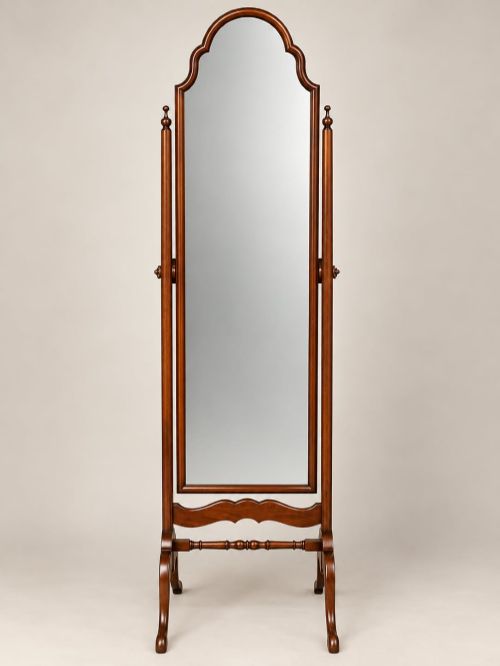
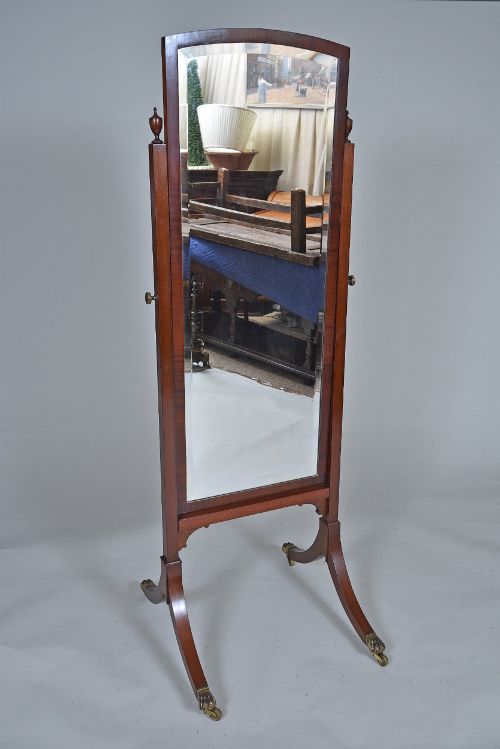
- A large floor-standing mirror mounted in a frame that allows it to tilt back and forth on vertical pivots. These tall glasses enabled full-length viewing in nineteenth-century dressing rooms.
- Toilet mirror
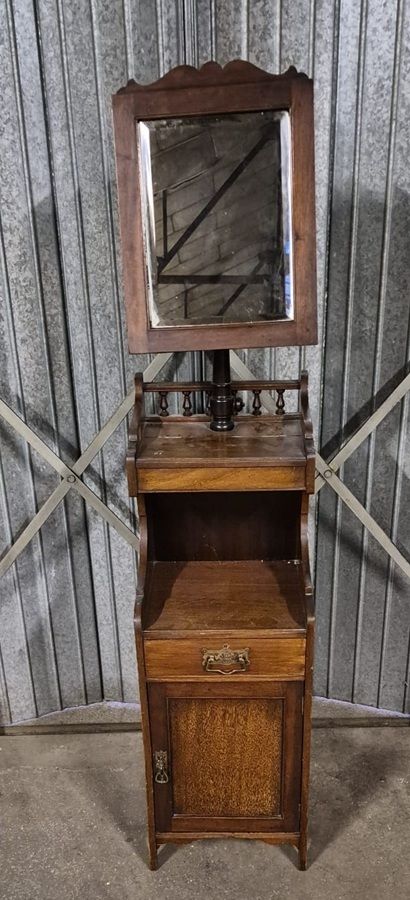
- A smaller swing mirror designed to sit atop a dressing chest, table, or washstand for close-up grooming. They usually feature small storage drawers in the base plinth.
- Compactum
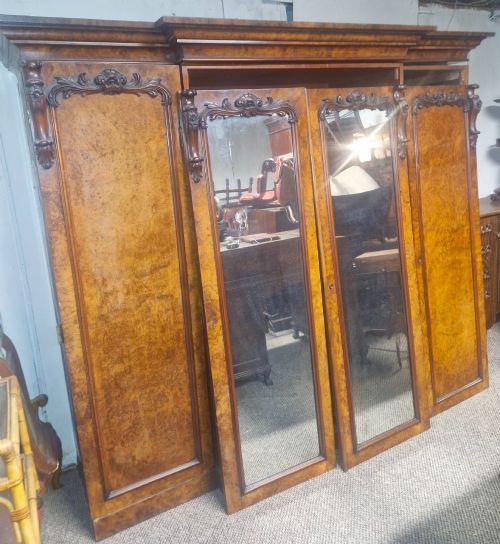
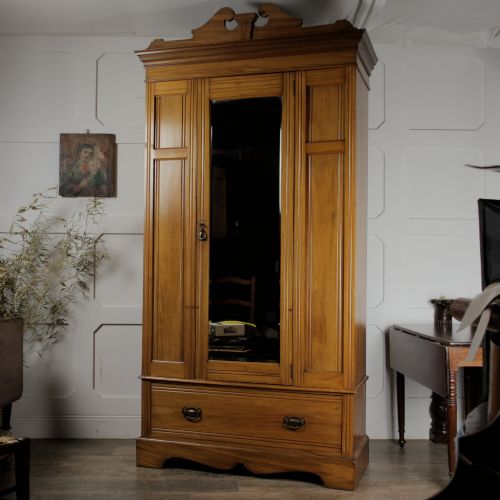
- A large fitted wardrobe combining hanging space, shelving, and internal drawers within a single piece of furniture. They often incorporate central mirrored doors flanked by panelled compartments.
- Inlay
- A decorative technique where contrasting woods, shell, or brass are fitted into recesses carved into the primary surface timber. This ornamentation frequently defines Edwardian and Victorian pieces.
Antique Bedroom Mirror: Frequently Asked Questions
What is a cheval mirror?
A cheval mirror is a full-length glass mounted in a freestanding frame supported by four legs and vertical pivots. This design allows the user to tilt the glass angle freely.
First appearing in the Georgian period and remaining popular through the Victorian and Edwardian eras, these pieces stood independently in dressing rooms without requiring wall attachment.
How do I date an antique mirror?
Dating relies on examining the timber species, joinery construction, and the characteristics of the glass plate itself. Earlier pieces often utilise hand-bevelled glass set in solid mahogany or oak frames with pegged joinery.
Later Victorian and Edwardian examples introduce machine-processed glass, satinwood stringing, and elaborate marquetry, while 1930s pieces favour streamlined walnut or maple veneers without heavy ornamentation.
Where were these mirrors placed?
These mirrors were positioned in bedrooms, dressing rooms, and boudoirs to assist with personal grooming, hair dressing, and verifying attire. Smaller toilet mirrors sat upon dressing chests while larger cheval glasses stood directly on the floor.
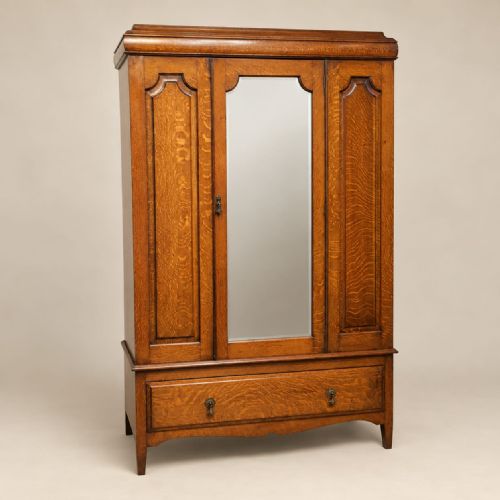
Many were also integrated directly into the central doors of large wardrobes and compactums to maximise usable floor space in period chambers.
Are dressing table mirrors removable?
On most nineteenth-century dressing tables and chests, the mirror assembly lifts clear of the base structure easily. The side uprights typically slot into drop-in sockets secured by wooden thumbscrews or brass pins.
This removable construction allowed for easier transport and repositioning within the home during household moves or seasonal redecoration.