





19th Century Toilet Glass
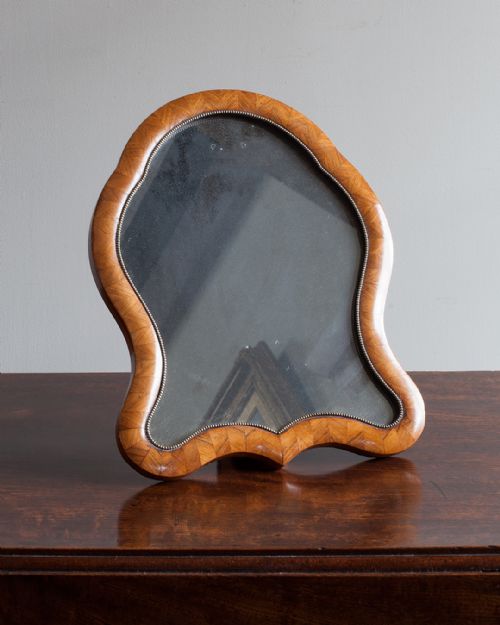
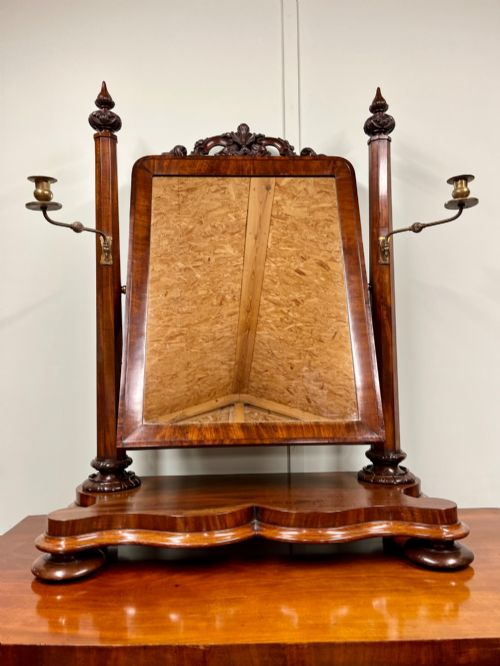
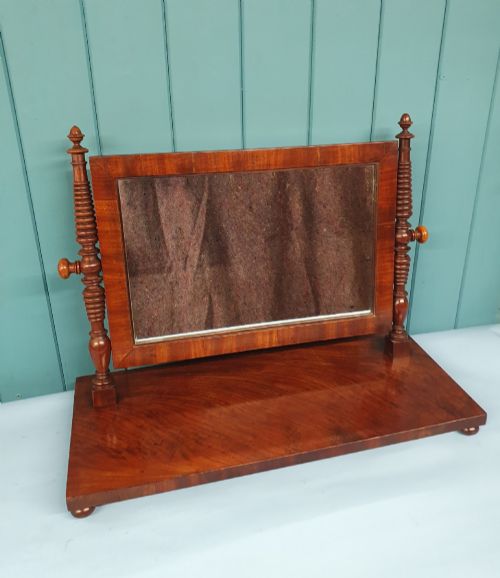
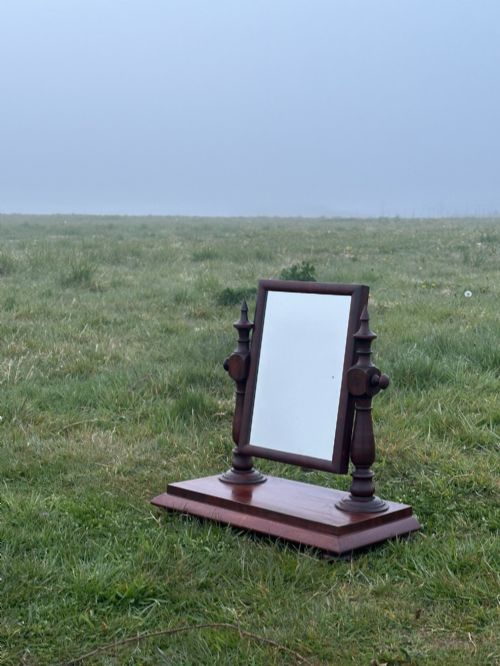
A 19th century toilet glass sits upon a dressing chest to hold a reflection for morning routines with quiet poise.
19th Century Toilet Glass
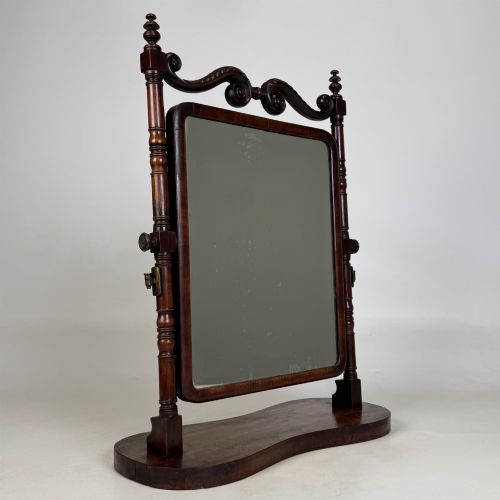
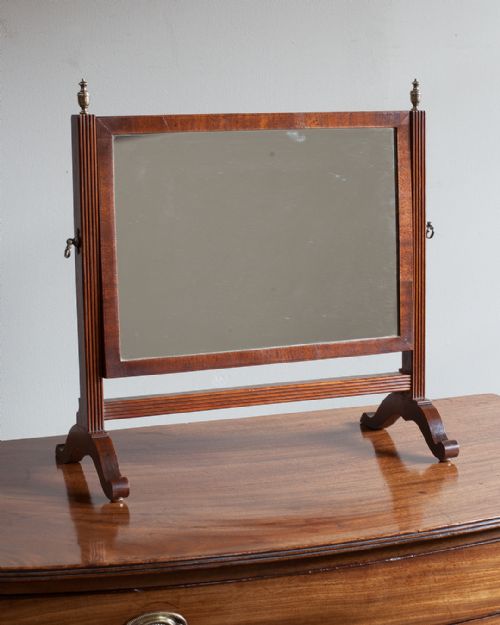
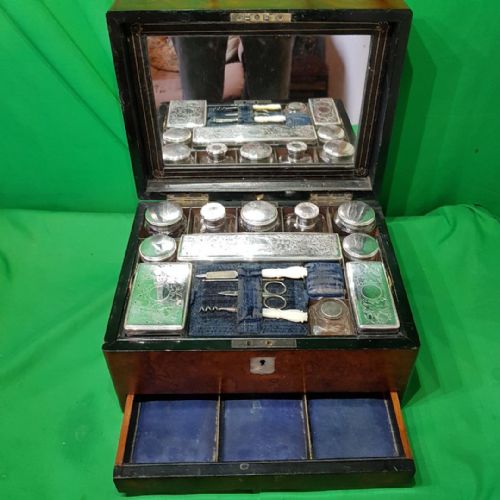
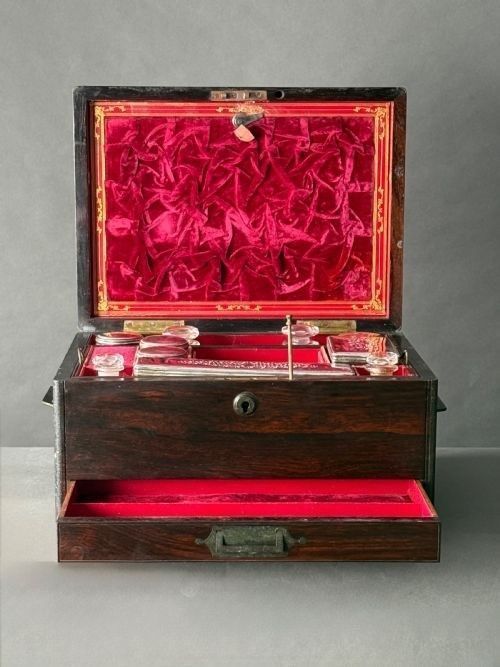
A 19th century toilet glass comprises portable tabletop mirrors, swing mirrors, and cheval glasses designed for bedrooms and dressing rooms. Buyers find various forms here, ranging from simple mahogany swing frames to elaborate vanity boxes and dressing sets.
Smaller tabletop variations dominate the category, though larger cheval mirrors and fitted vanity boxes appear frequently. Each piece reflects the domestic habits and craftsmanship of the nineteenth century.
How they were made
Cabinet makers utilised dense hardwoods such as mahogany, rosewood, walnut, and kingwood to construct the structural frames and tabletop boxes. Brass fittings, silver elements, and inlay techniques added decorative contrast to the timber surfaces.
The mirror plates themselves consist of traditional silvered glass held within adjustable swing frames supported by upright arms. Marquetry, veneer work, and gilt decoration further distinguished the output of period workshops.
What varies in quality
The choice of timber and veneer selection separates standard examples from superior pieces. Figured mahogany, burr walnut, and intricate satinwood or Dutch marquetry indicate higher workshop standards.
Hardware execution and structural joinery define the upper tier of the range. Original brass mountings, tight joints, and well-balanced swing mechanisms show greater care in original production.
Jean Gille·Tonnel Paris
The 19th Century Toilet Glass Glossary
- Toilet glass
- A period term for a dressing table mirror designed to sit on a chest or table. These items typically feature an adjustable swing frame mounted on a small base or box.
- Cheval mirror
- A full-length swing mirror supported by a standing frame with four feet. This form allows a person to view their entire outfit.
- Swing mirror
- A mirror plate hung on pivots between two upright posts, allowing the glass to tilt. This mechanism permits the user to adjust the angle of reflection.
- Marquetry
- Decorative veneer work forming intricate patterns using various coloured woods. Dutch examples frequently display floral and scroll motifs executed in this manner.
- Vanity box
- A portable wooden box fitted with compartments for cosmetics, brushes, and bottles. Many include secret drawers and silver-mounted glass jars.
19th Century Toilet Glass: Frequently Asked Questions
What is a toilet glass?
A toilet glass is a tabletop dressing mirror used during the nineteenth century for grooming and styling.
These pieces sit upon tables or chests, usually featuring an adjustable frame that tilts to the desired angle.
How do I date a mirror?
Dating relies on timber choices, construction methods, and stylistic cues from periods like Regency or Victorian.
Examining the mirror plate, backing boards, and brass hardware helps determine the manufacturing era.
Were these mirrors portable?
Many smaller table mirrors and vanity boxes were designed for travel or easy relocation between rooms.
Larger cheval mirrors remained stationary in primary bedchambers due to their substantial weight and size.
How do I clean the wood?
Maintenance requires gentle dusting with a soft, dry cloth to protect the antique polish and timber surface.
Avoid modern chemical sprays and excessive moisture, which can damage nineteenth-century finishes and veneers.