

19th Century Vanity Mirror
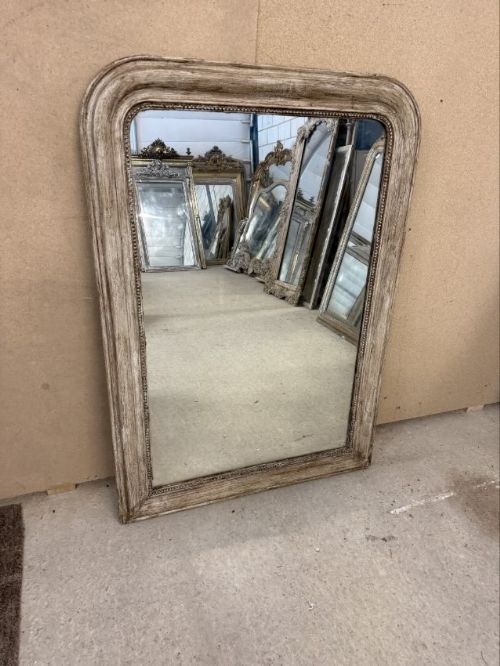
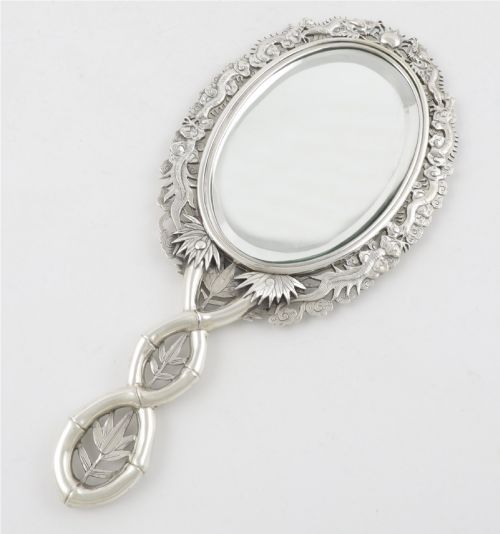
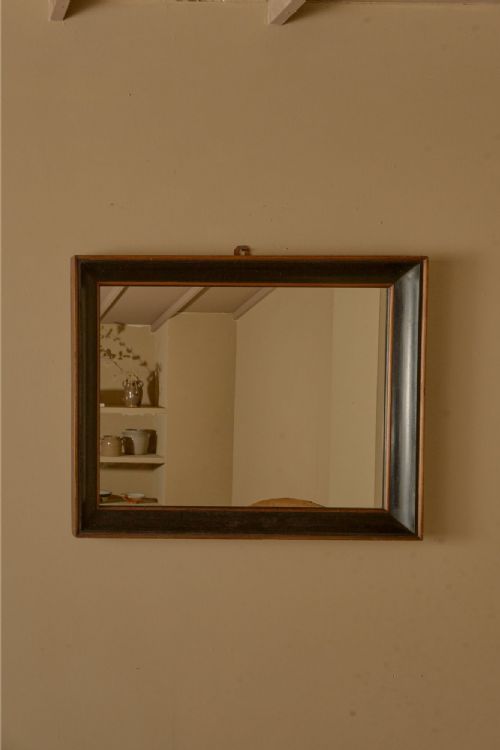
A 19th century vanity mirror is a dressing table essential that brings period elegance and practical reflection to any room.
19th Century Vanity Mirror
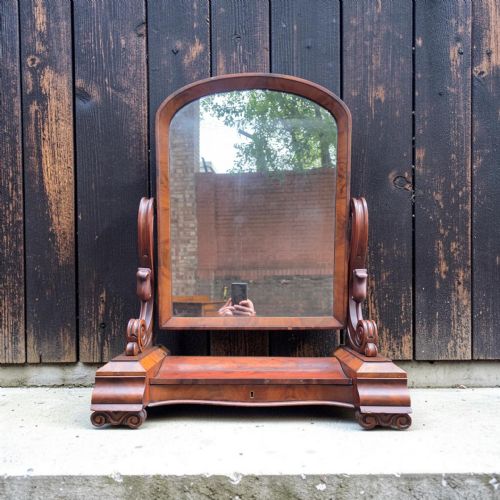
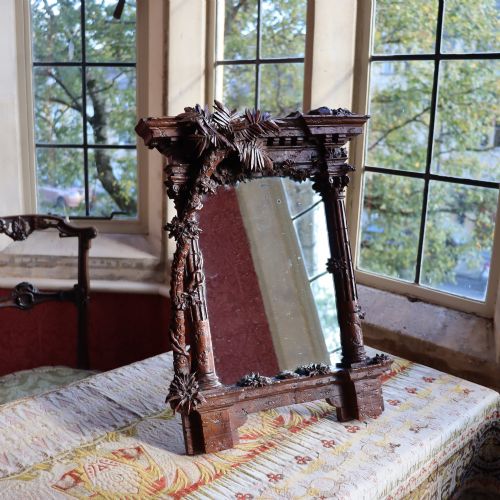
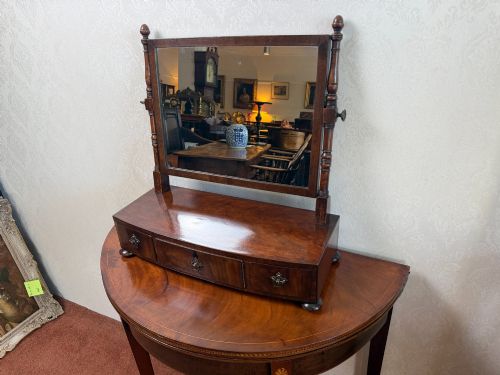
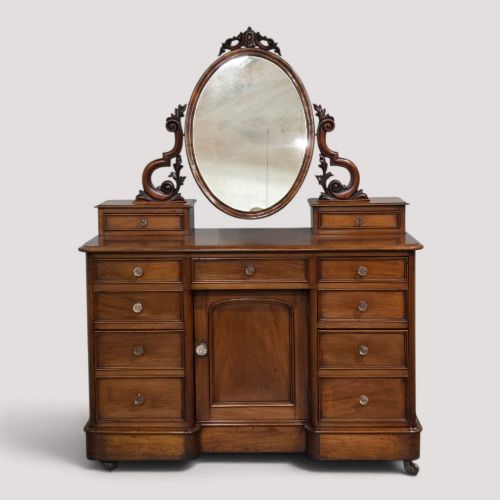
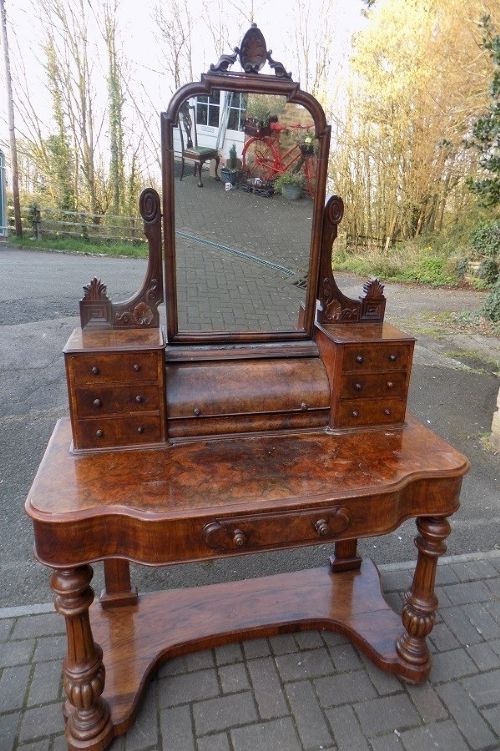
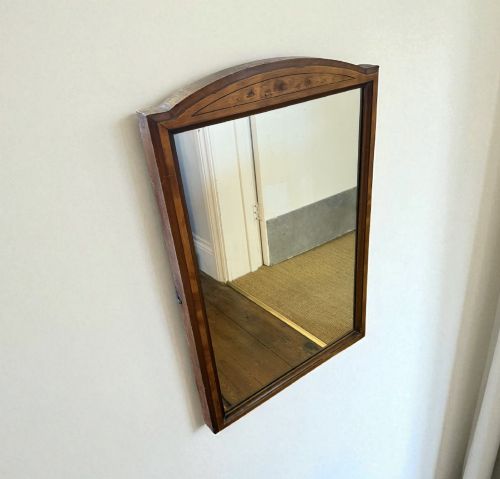
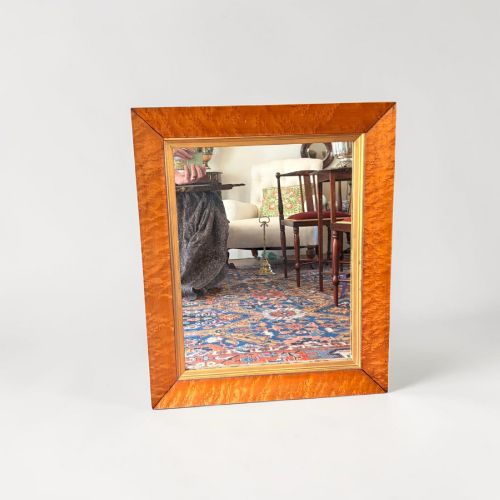
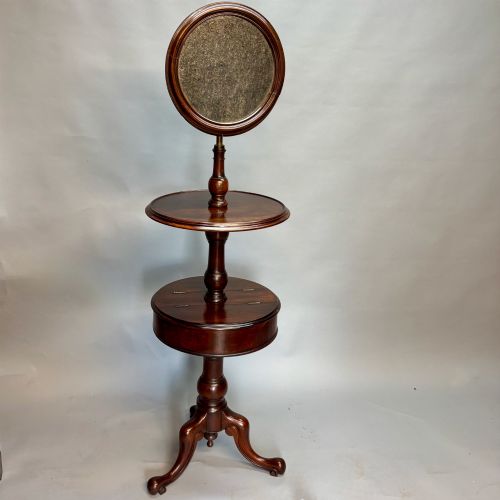
A 19th century vanity mirror sits on top of a dressing table or chest of drawers to aid with grooming and personal reflection. These pieces are often referred to as dressing mirrors, toilet mirrors, or swing mirrors because the glass plate tilts within a supporting frame.
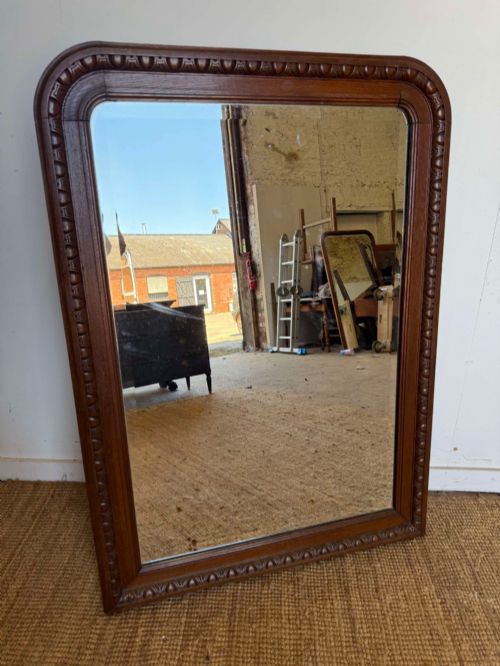
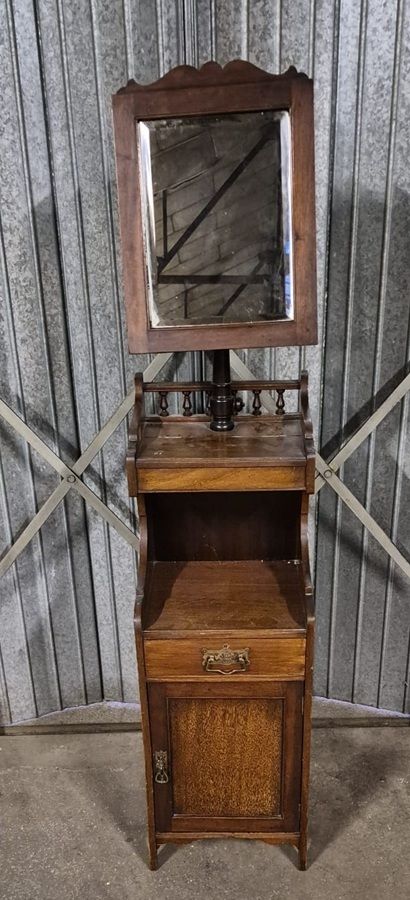
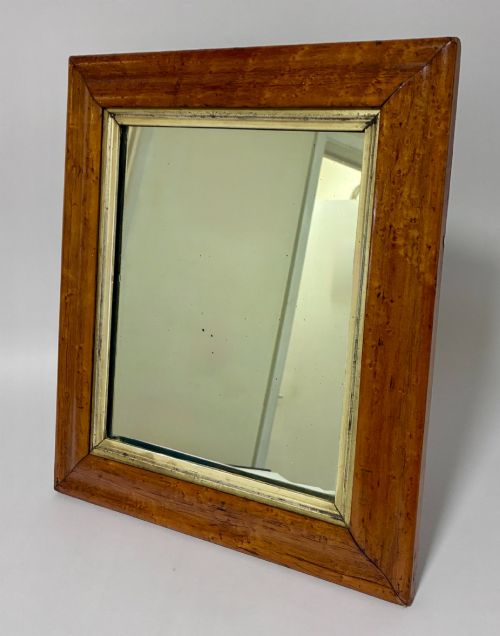
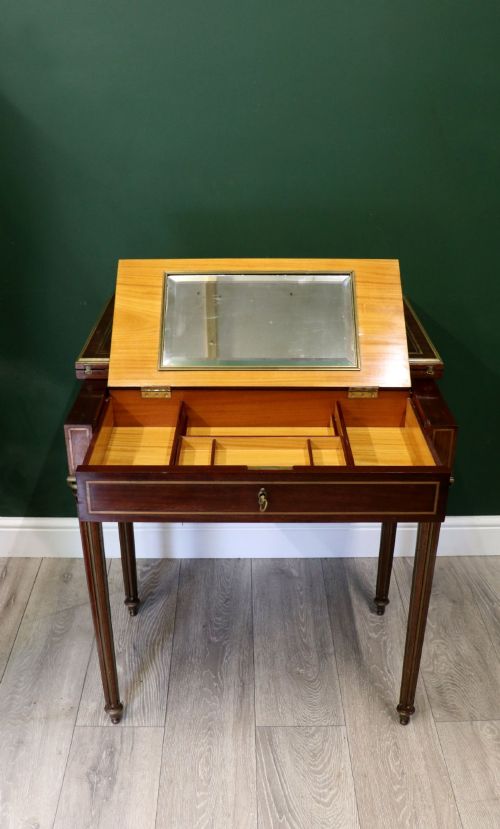
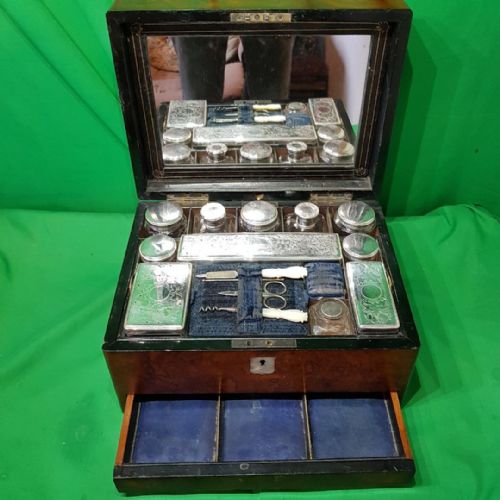
The versions you meet on this page span the Victorian and Georgian eras, along with French Empire and Arts and Crafts examples. They take the form of table mirrors and dressing stands, with some pieces incorporating small drawers in their bases.
Origins vary across English and French workshops, utilising woods like mahogany and satinwood alongside metals such as bronze, ormolu, and brass. Whether you prefer a simple mahogany swing frame or an elaborate French Empire bronze design, each piece reflects the domestic habits of the nineteenth century.
Materials and construction
Cabinetmakers constructed these frames using timber such as mahogany, satinwood, walnut, and exotic veneers. Joinery techniques varied from traditional dovetailing in drawer boxes to secure tenon joints in the upright supports.
Metal components like brass, ormolu, bronze, and gilt metal formed hinges, adjusting screws, and decorative mounts. Glass mirror plates were fitted into rebated frames, sometimes accompanied by marble bases and hand-painted Chinoiserie decoration.
Specialist makers utilised specialist stamps and maker marks, as seen on stamped drawer linings from workshops like J. Shoolbred. Carved details, such as angels on Gothic walnut models, were executed by hand directly into the solid wood.
19th Century Vanity Mirror Retail Price Guide 2026
Typical asking prices for 19th century vanity mirror among the pieces listed under this phrase on Sellingantiques today, from the lower quarter to the upper quarter. They describe what is for sale here now, not the wider market.
Listings feature woods such as mahogany, satinwood, and walnut, alongside metals like brass, bronze, and ormolu across the 19th century.
Judging quality in a 19th century vanity mirror
Quality rests in the selection of timber grain, the crispness of any hand-carved ornament, and the integrity of the original mirror plate. Superior examples display balanced proportions where the weight of the glass matches the strength of the side arms without sagging.
Finer pieces incorporate thoughtful engineering in their pivoting mechanisms, allowing the glass to hold its angle smoothly over decades of daily use. Lesser examples rely on crude replacements or lack the harmonious wood selection seen in high-grade Victorian and Georgian workshops.
J. Shoolbred·Gillows
The 19th Century Vanity Mirror Glossary
- Swing mirror
- A glass plate mounted on pivots between two upright posts that allows the angle of reflection to change. This mechanism forms the central function of most dressing table mirrors.
- Ormolu
- Gilt bronze ornamentation applied to furniture and decorative objects during the nineteenth century. This technique creates a rich gold-coloured metallic finish.
- Chinoiserie
- European decorative style inspired by Chinese artistic traditions, featuring painted or lacquered motifs on furniture. These scenes often depict landscapes, figures, and pavilions.
- Plate
- The flat sheet of glass used for reflection in mirrors. Original plates often show subtle ageing marks and distortions characteristic of nineteenth-century manufacture.
- Satinwood
- A durable hardwood with a lustrous, golden sheen utilised by cabinetmakers for fine furniture and dressing mirrors. It provides a pale, reflective surface that contrasts with darker timbers.
19th Century Vanity Mirror: Frequently Asked Questions
What is a 19th century vanity mirror used for?
These pieces served primarily for personal grooming, hair styling, and applying cosmetics in bedrooms and dressing rooms.
Placed atop a chest of drawers or a dedicated dressing table, the pivoting glass allowed the user to adjust their view easily.
How do I date a 19th century vanity mirror?
Dating relies on identifying stylistic markers such as French Empire bronze mounts, Gothic carved details, or Arts and Crafts construction methods.
Timber choices like mahogany for early examples and satinwood or walnut for later Victorian pieces also help narrow the period.
Are mirror plates on these pieces original?
Many surviving pieces retain their original glass plates, which often display light foxing and signs of age.
Replacement glass does appear in some examples, so inspecting the silver backing and the fit within the wooden rebate helps determine originality.
Where should I place a vanity mirror at home?
They fit naturally on top of dressing tables, low sideboards, or large chest of drawers in a bedroom or hallway.
Positioning them near a natural light source enhances their reflective quality and highlights the timber grain of the frame.