


Antique Table Top Mirror
An antique table top mirror brings a reflective surface and period character to a desk, chest, or dressing table.
Antique Table Top Mirror
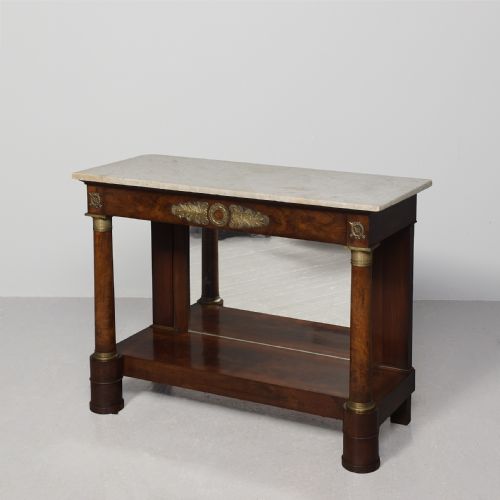
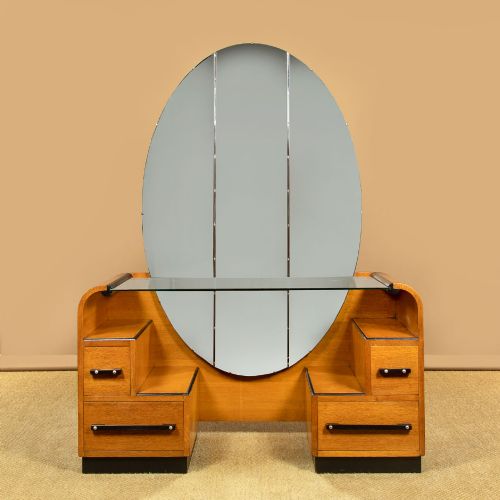
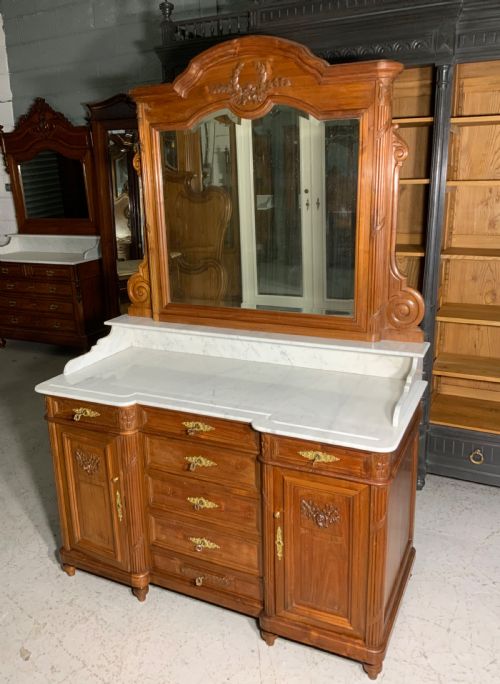
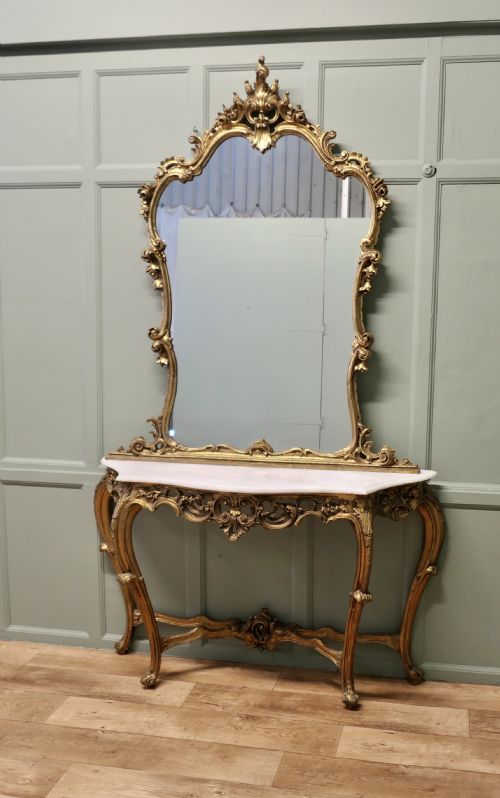
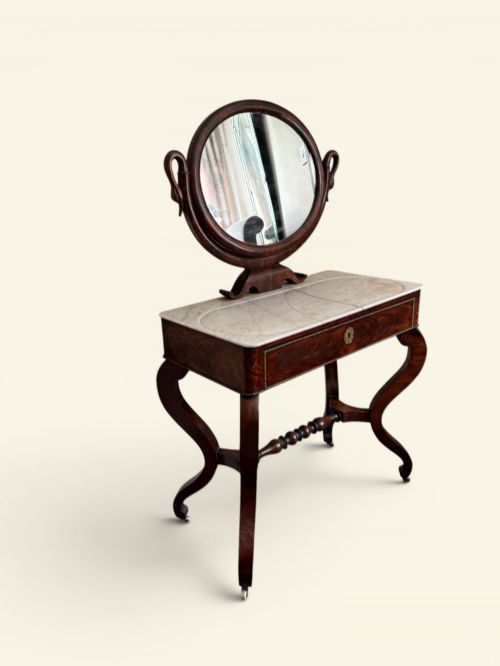
An antique table top mirror sits on a larger piece of furniture such as a dressing table, bureau, or console table. These items appear across the nineteenth and twentieth centuries, including Victorian, Edwardian, and Georgian periods.
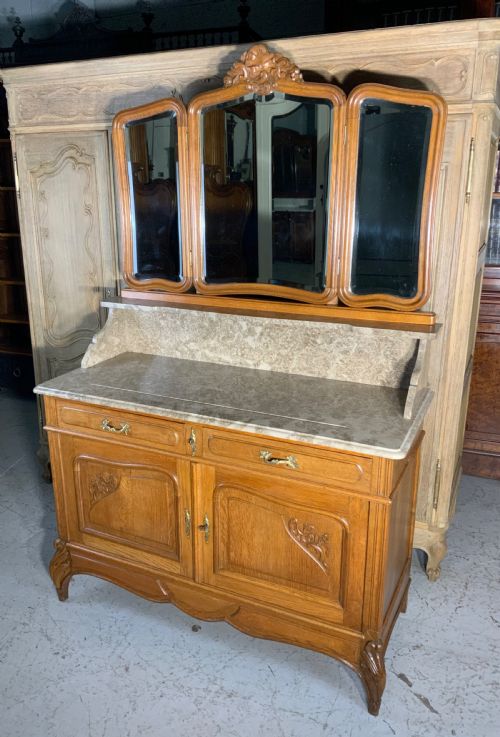
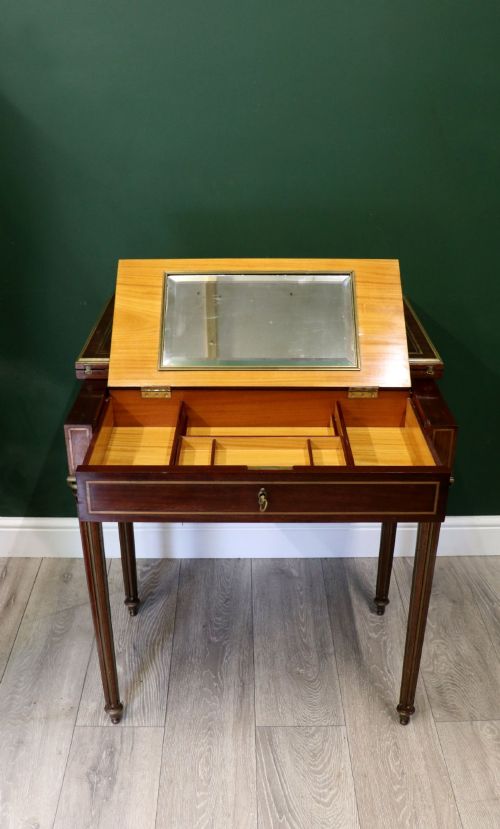
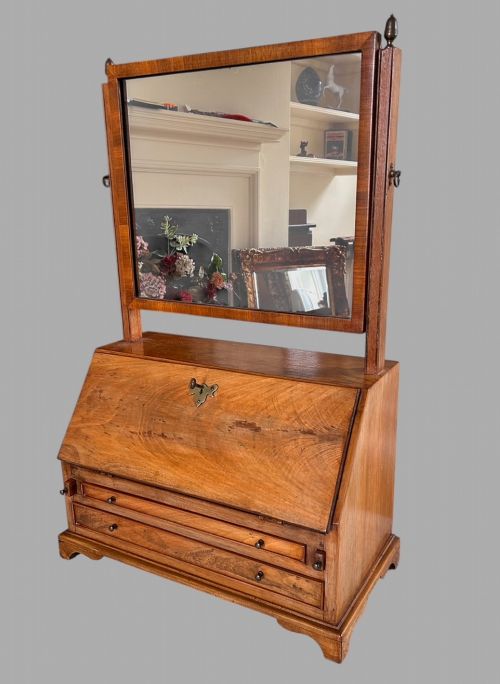
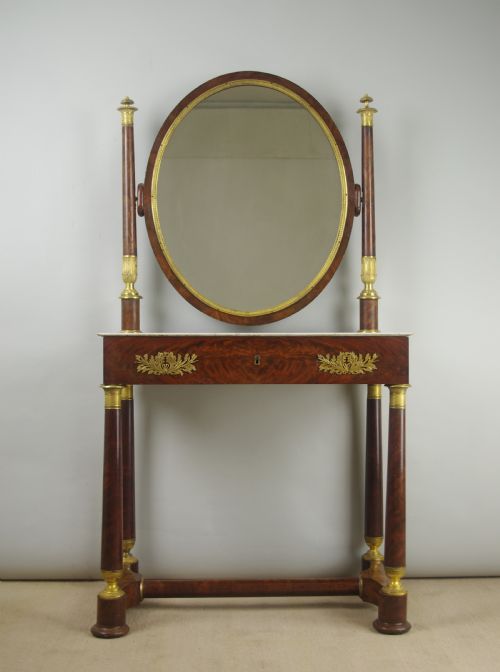
The most common forms on this page include mahogany, walnut, and satinwood dressing mirrors, often fitted with small drawers or jewellery compartments. French regional variations and inlaid Edwardian examples also frequent the selection.
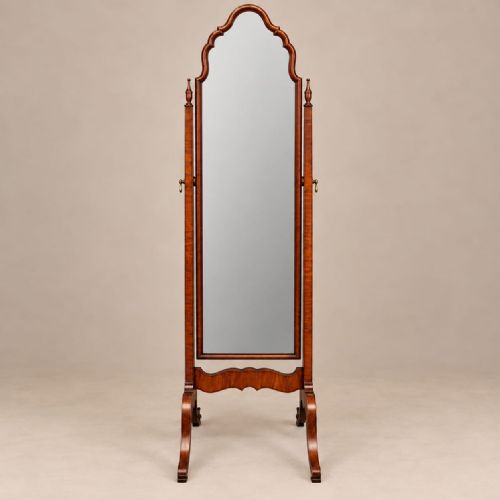
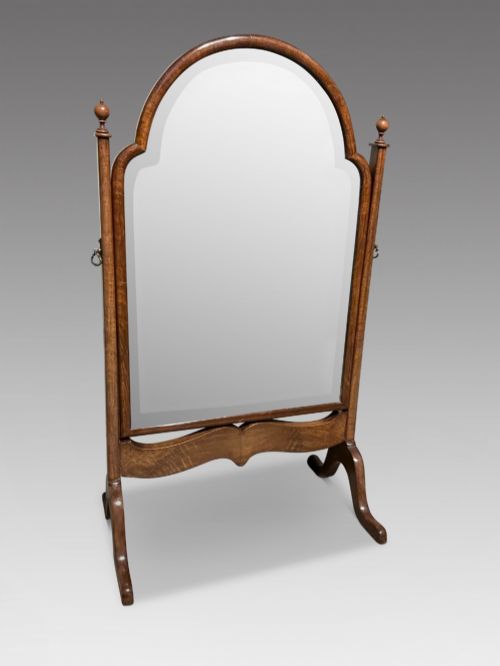
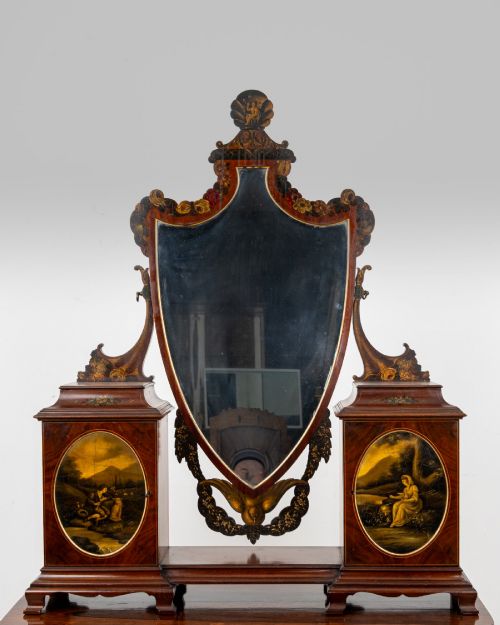
Makers and craftsmen built these mirrors to pivot or tilt within upright supports, offering adjustable angles for grooming and dressing. They range from simple mahogany frames to elaborate marquetry and cheval styles.
How they were made
Cabinet makers utilised dense hardwoods like mahogany, walnut, and satinwood, applying brass mounts, inlay, or parcel-gilding for decorative contrast. Timber selection dictated the structural integrity of the upright supports and base boxes.
Glass plates were silvered and fitted into rebated wooden frames, secured by thin slips of wood at the back. Joinery relied on traditional dovetailing for the small drawers housed within the table stands.
Antique Table Top Mirror Retail Price Guide 2026
Typical asking prices for table top mirror among the pieces listed under this phrase on Sellingantiques today, from the lower quarter to the upper quarter. They describe what is for sale here now, not the wider market.
Table top mirrors frequently incorporate small concealed drawers for storage beneath the pivoting frame.
What varies in quality
The precision of the cabinet joinery and the selection of figured timber distinguish finer examples from standard production pieces. Superior items display tight dovetails, well-matched wood grain on the drawer fronts, and solid brass pivoting hardware.
The condition and clarity of the mirror plate itself influence overall merit, alongside the retention of original backboards and turn-screws. Elaborate carving on the crest or frame also marks out the higher tier of workmanship.
Maple & Co
The Antique Table Top Mirror Glossary
- Cheval mirror
- A freestanding full-length mirror designed to swing in a frame, though smaller table top versions appear in Edwardian pieces.
- Ormolu
- Gilded bronze mounting applied to furniture frames, frequently seen on French pieces.
- Marquetry
- Decorative veneer patterns inlaid into the wooden surface of the mirror frame or base.
- Trumeau
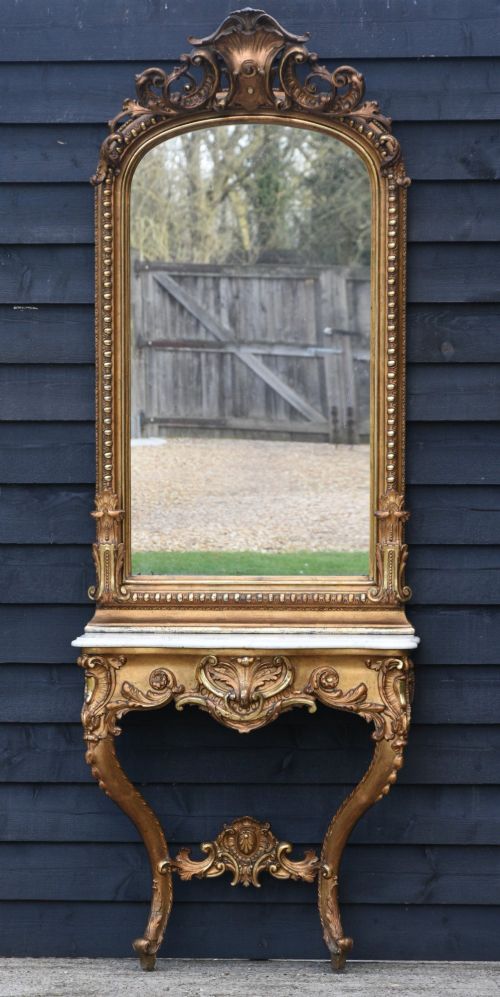
- A decorative wall mirror or panel often integrated into console table sets from the nineteenth century.
Antique Table Top Mirror: Frequently Asked Questions
How do I date an antique table top mirror?
Examine the construction of the frame, the type of timber used, and the method of silvering on the glass plate. Georgian and Victorian examples often feature hand-cut dovetails and older secondary woods.
Look for style indicators such as Edwardian string inlay or heavy Victorian walnut carving to narrow down the decade of manufacture.
Were these mirrors made to match dressing tables?
Many table top mirrors were produced as companion pieces to dressing chests, washstands, or small bureaus. They were designed to sit securely on top without permanent fixings.
Over time, mirrors and tables frequently became separated, so current pairings depend on proportional and stylistic harmony.
How should I care for an antique mirror glass?
Clean the glass gently using a soft cloth and a mild, ammonia-free cleaning solution sprayed onto the cloth rather than directly onto the mirror. This prevents moisture from seeping behind the silvering.
Avoid placing the mirror in direct sunlight or areas with high humidity to protect the wooden frame and the original backing.