



Brown Mahogany Mirror
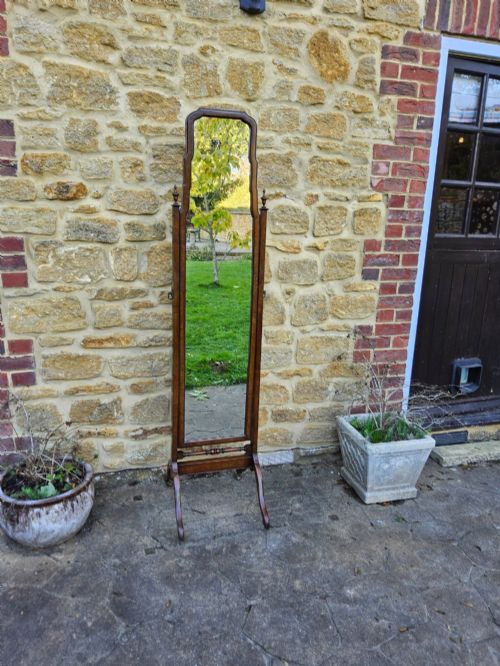
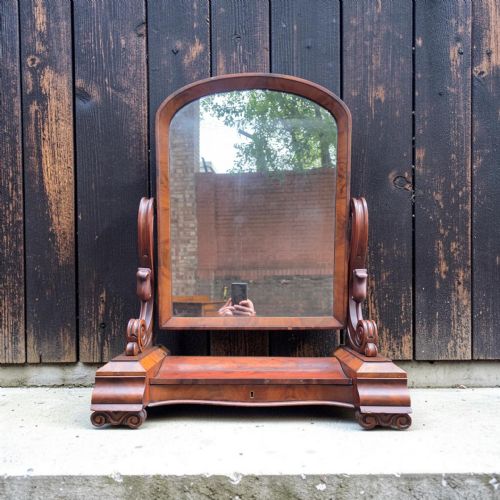
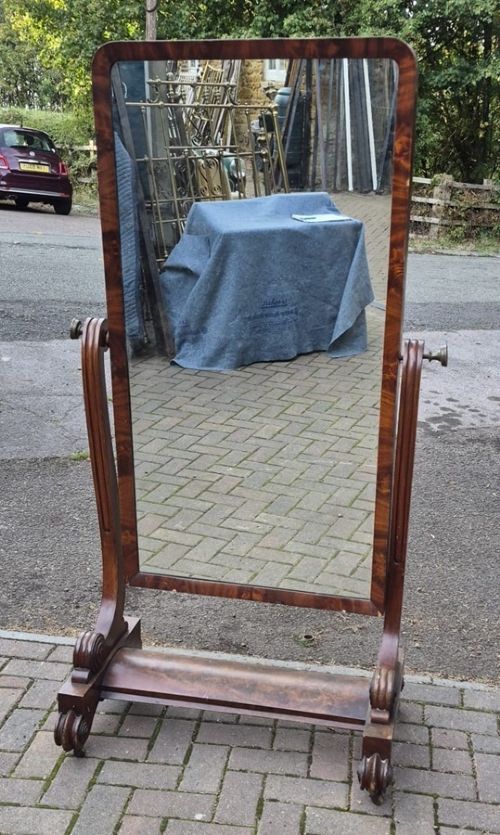
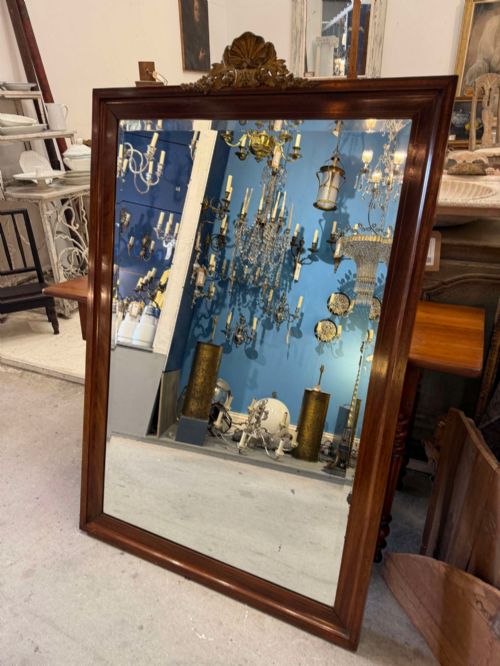
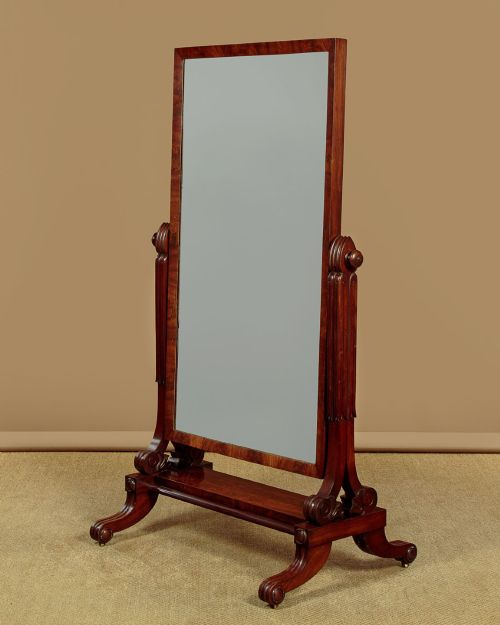
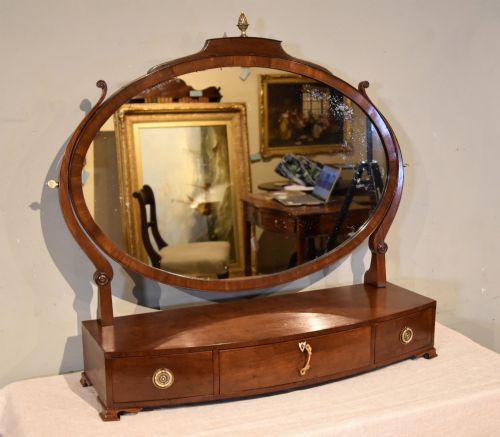
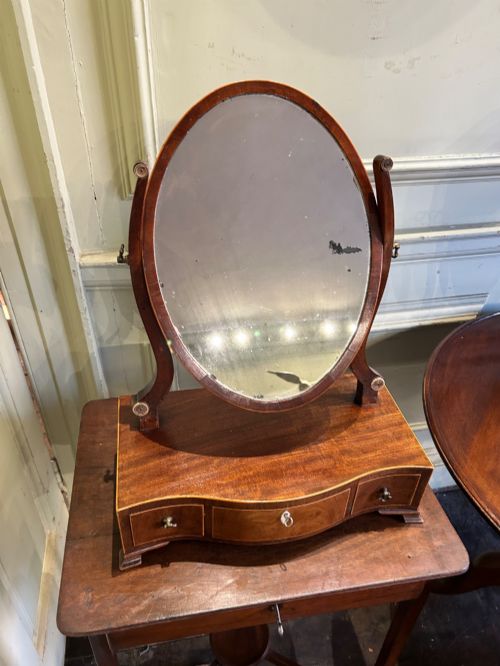
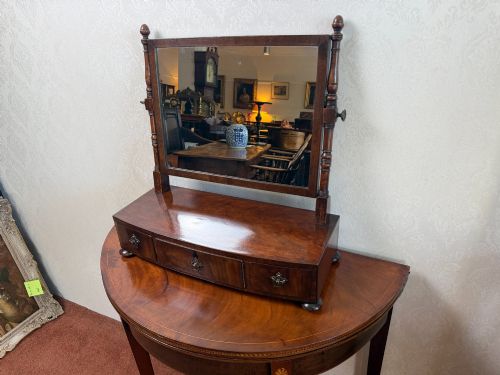
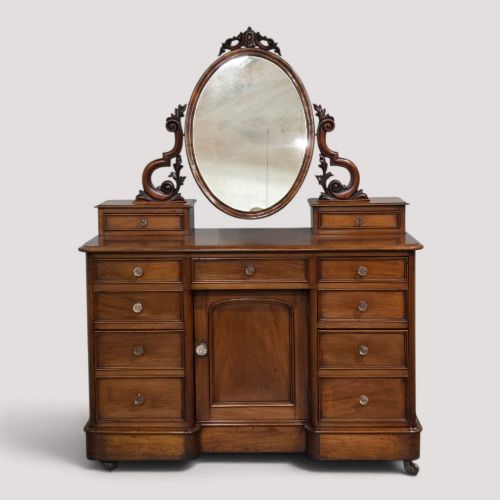
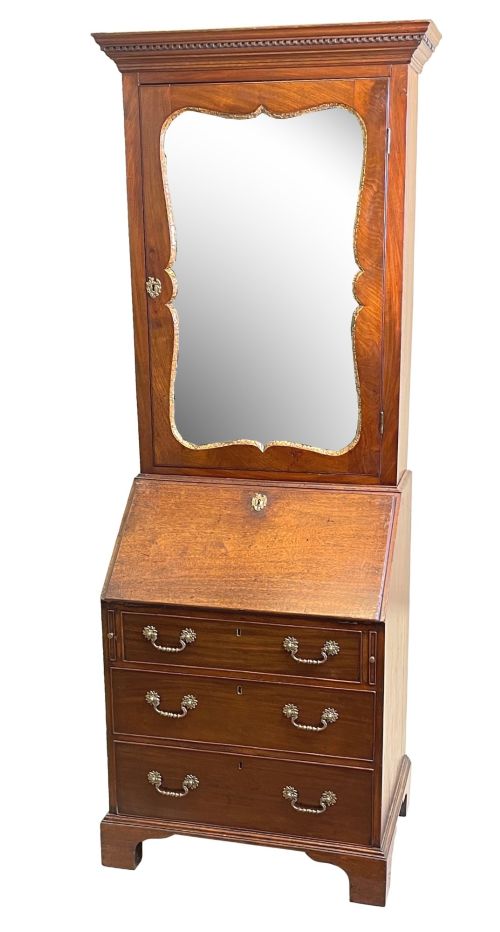
Brown mahogany mirror selections range from Georgian toilet glasses to large Victorian cheval frames.
Brown Mahogany Mirror
A brown mahogany mirror brings depth of tone and warm grain to interior spaces, drawing upon centuries of cabinet-making tradition. When searching for a brown mahogany mirror, buyers encounter various forms designed for different domestic uses, from wall hanging to floor standing.
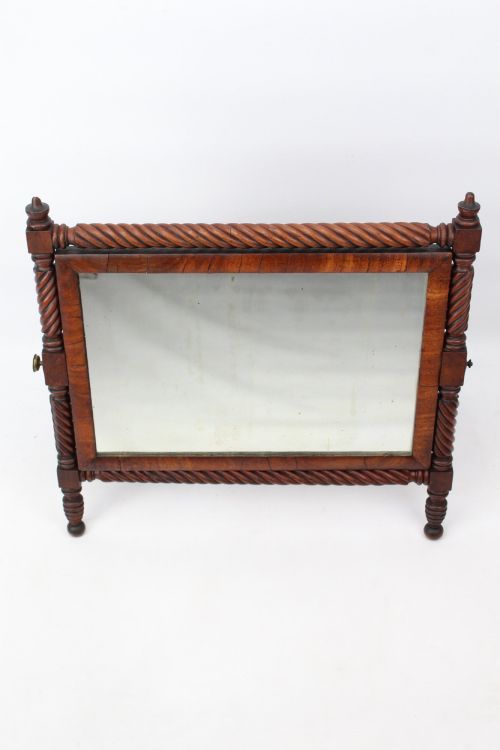
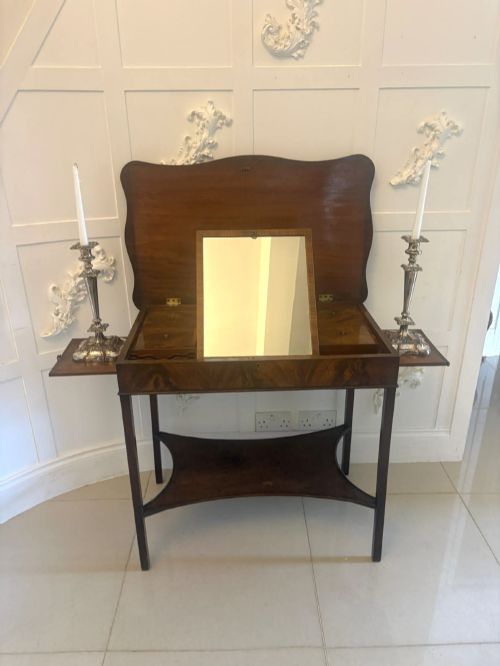
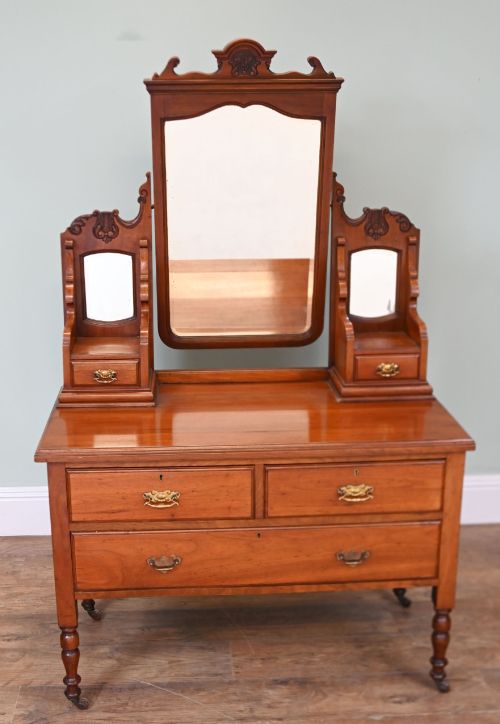
The most frequent examples on this page include dressing table mirrors, swing mirrors, and large cheval glasses dating from the Georgian, Regency, and Victorian periods. These pieces demonstrate how timber was selected and worked to highlight the natural figuration of mahogany.
Wall mirrors and pier mirrors also appear frequently, alongside occasional inlaid variants from the Edwardian era. Each style reflects the prevailing aesthetic of its decade, whether the restrained lines of the eighteenth century or the more exuberant carving of the later nineteenth.
Materials and Construction
Cabinet makers utilised solid mahogany and mahogany veneers over secondary timbers, often selecting dense Cuban varieties for superior weight and deep colour. Frames were joined using traditional methods such as mortise and tenon joints, ensuring structural stability for the swinging or hanging assemblies.
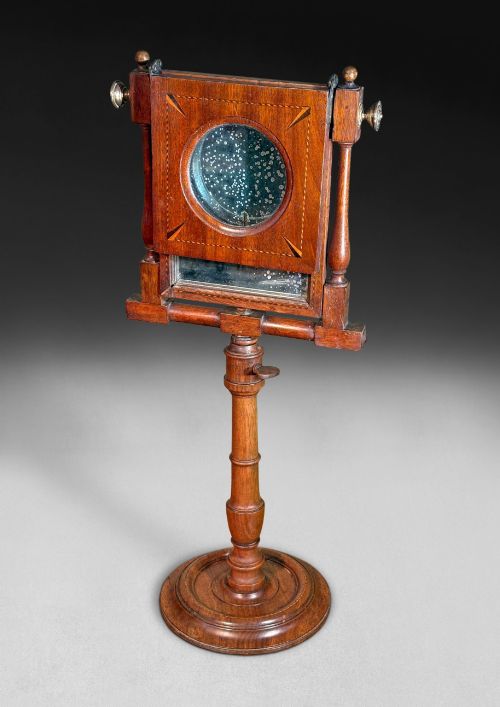
Reflective surfaces consist of silvered mirror glass, occasionally integrated with brass pivoting hardware, candle sconces, or gilt wood highlights. Inlaid pieces incorporate lighter contrasting woods like satinwood to create geometric stringing or floral motifs across the mahogany surface.
Carved details on these frames range from simple moulded edges to elaborate fretwork, scrollwork, and reeded columns executed by hand. Backboards are typically constructed from secondary softwoods or oak panels held with original hand-cut nails or screws.
Brown Mahogany Mirror Retail Price Guide 2026
Typical asking prices for brown mahogany mirror among the pieces listed under this phrase on Sellingantiques today, from the lower quarter to the upper quarter. They describe what is for sale here now, not the wider market.
Several dressing mirrors double as secret jewellery cabinets, keeping valuables tucked safely behind swinging mahogany panels.
Assessing Quality and Craftsmanship
The quality of a brown mahogany mirror depends heavily on the crispness of the hand-carved mouldings and the depth of the timber's grain. Finer examples display careful timber selection where the grain matches seamlessly across the frame joints and viewing panels.
Hardware such as original brass swing arms, counterweights, and candle brackets indicate higher grade manufacture, particularly on larger cheval and dressing mirrors. Lesser examples often feature replaced fixings or simplified construction methods without the refined secondary wood framing found in workshops of note.
The preservation of the original mirror plate, with its characteristic minor foxing or distortion, frequently distinguishes untouched period items from later restorations. Superior cabinet work ensures that swing frames move smoothly on their original pivots without sagging or twisting.
Edwards and Roberts·P & MA Nicholson·Gillow·Heal & Sons
The Brown Mahogany Mirror Glossary
- Cheval mirror
- A large floor-standing mirror mounted on a vertical frame with pivots that allow the glass to tilt. These pieces typically stood in bedrooms or dressing rooms to provide a full-length view.
- Toilet mirror
- A smaller table-top mirror, sometimes fitted with small drawers beneath the swing frame, used on dressing tables or chests of drawers.
- Pier mirror
- A tall, narrow mirror designed to hang on the wall between two windows, often placed above a pier table.
- Fret mirror
- A wall mirror featuring pierced wooden fretwork framing, frequently associated with the Georgian period.
- Cuban mahogany
- A dense, dark variety of mahogany highly prized by eighteenth and nineteenth-century cabinet makers for its rich figure and durability.
Brown Mahogany Mirror: Frequently Asked Questions
How do I date a brown mahogany mirror?
Dating relies on examining construction techniques, timber choices, and the style of the frame moulding. Eighteenth-century pieces often feature hand-cut joinery and subtle fretwork, while Victorian examples tend to be heavier with bolder carved details.
Secondary woods visible at the back, along with the type of mirror plate and screws used, provide further clues to the period of manufacture.
Where were these mirrors used in the home?
Smaller toilet and dressing mirrors sat upon tables in bedrooms for personal grooming, while large cheval mirrors stood on the floor for full-length viewing.
Wall-hung and pier mirrors were typically positioned in reception rooms and hallways to reflect light and create an impression of greater space.
Are the mirror plates original?
Many period pieces retain their original glass, which often exhibits slight foxing, minor blurring, or uneven silvering due to age. Such characteristics confirm the authenticity of the glass within its antique frame.
Some pieces have received replacement mirror plates over the decades if the original glass suffered breakage or excessive deterioration.
How do I care for a mahogany frame?
Keep mahogany frames away from direct sunlight and extreme temperature fluctuations to prevent the timber from drying out or splitting. Dust gently with a dry, soft cloth and avoid commercial silicone polishes that can damage the polish.
Occasional applications of traditional beeswax help nourish the wood and maintain its natural lustre without building up heavy residue.