

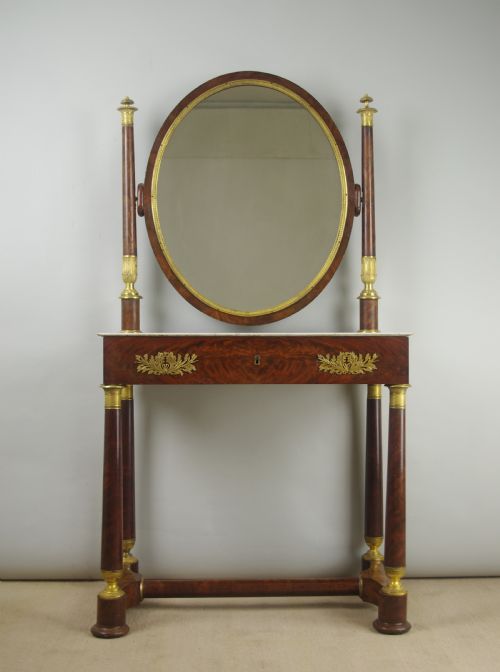
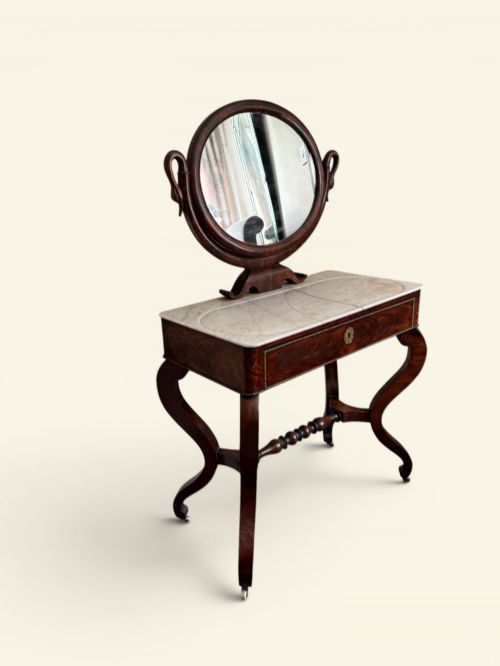


Swivel Vanity Mirror
A swivel vanity mirror sits on the dressing chest, tilting to catch the morning light just where you need it.

Swivel Vanity Mirror
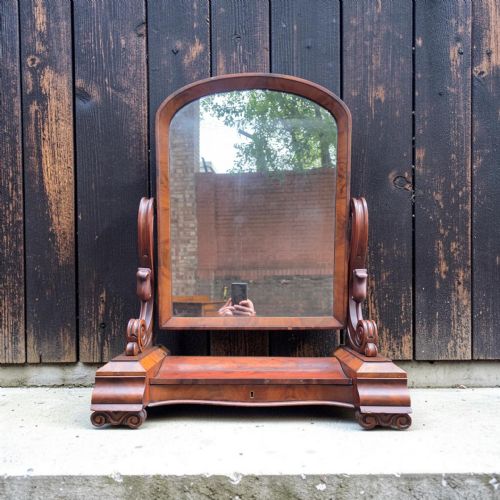
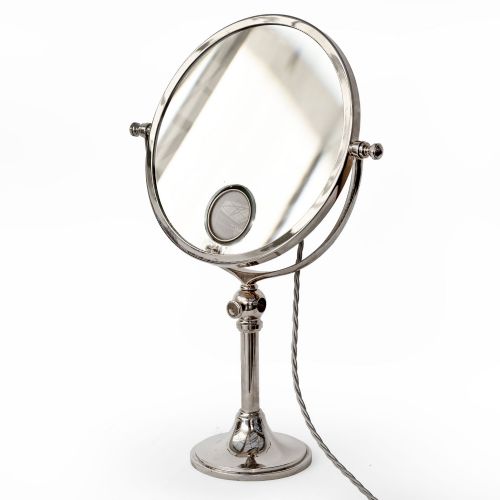
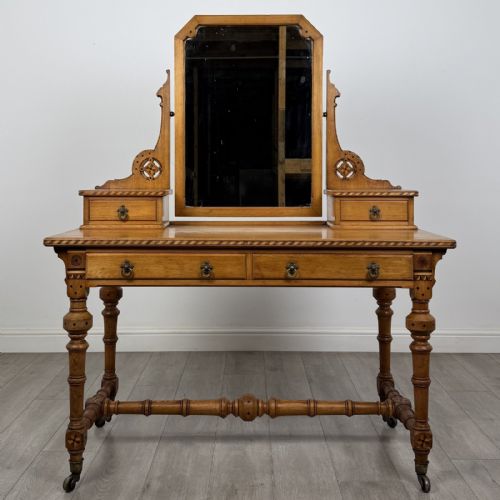
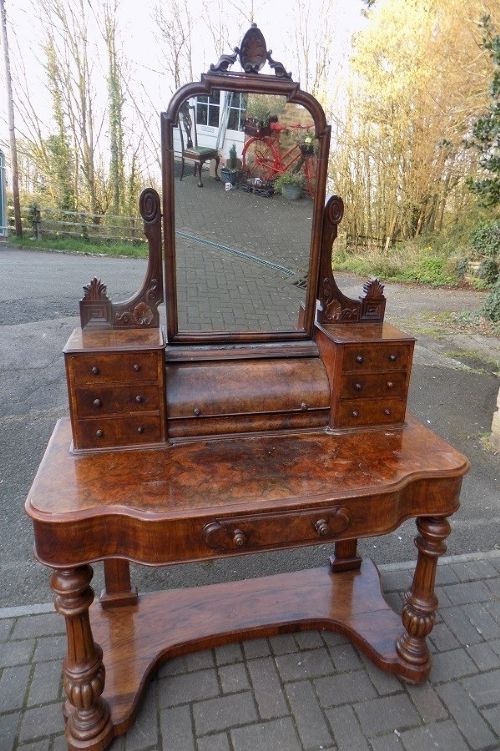
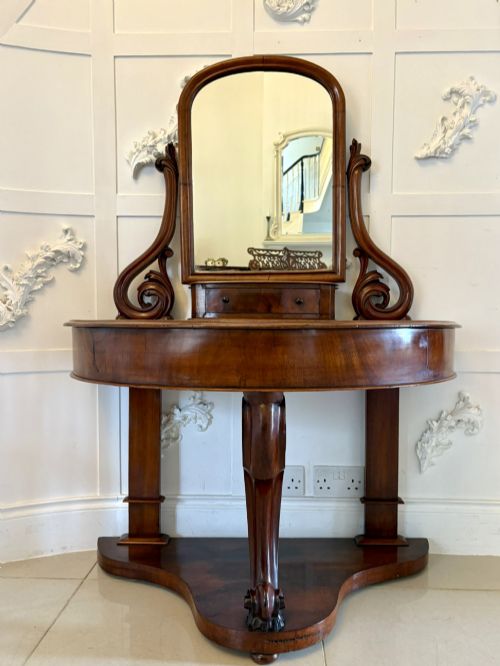
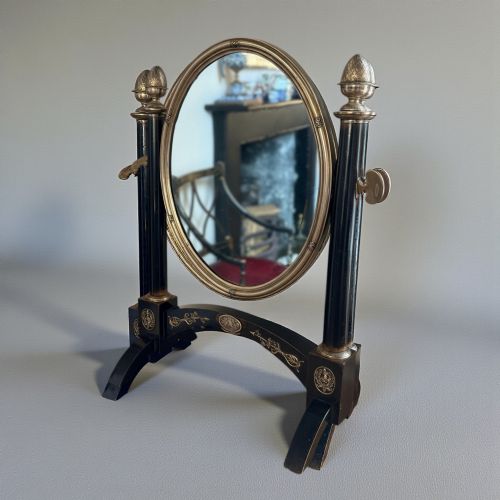
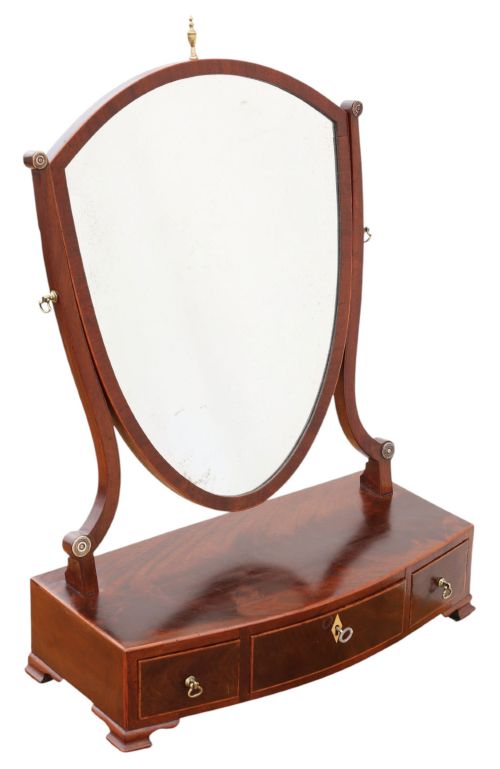
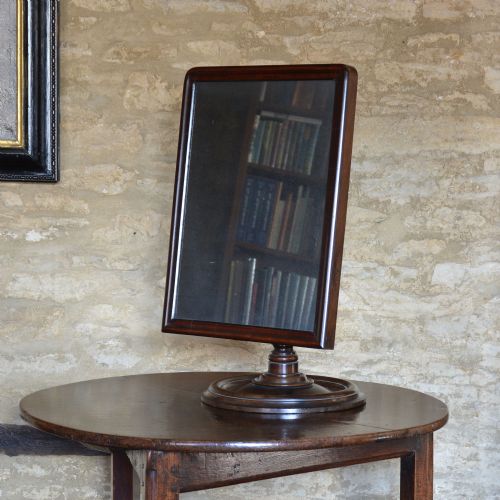
A swivel vanity mirror is designed to tilt within a small freestanding frame, offering an adjustable reflection for grooming and dressing tables. When searching for a swivel vanity mirror, buyers encounter a variety of forms including swing mirrors, toilet mirrors, and table top dressing glasses.
The pieces listed here span several centuries and styles, taking shapes from George II and Regency periods through to Victorian, Edwardian, and early twentieth-century designs. Mahogany forms the backbone of these selections, alongside walnut, oak, brass, and giltwood.
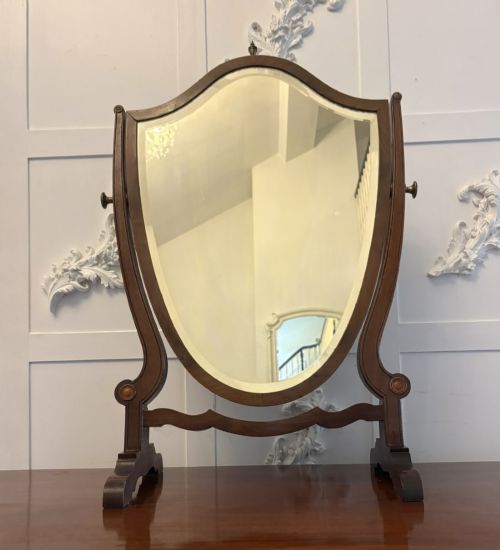
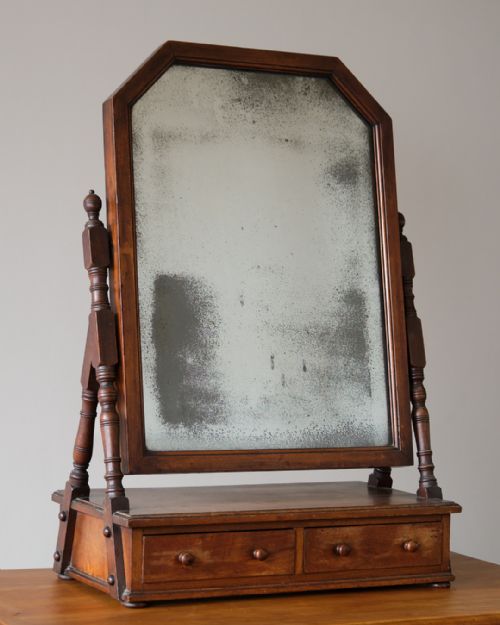
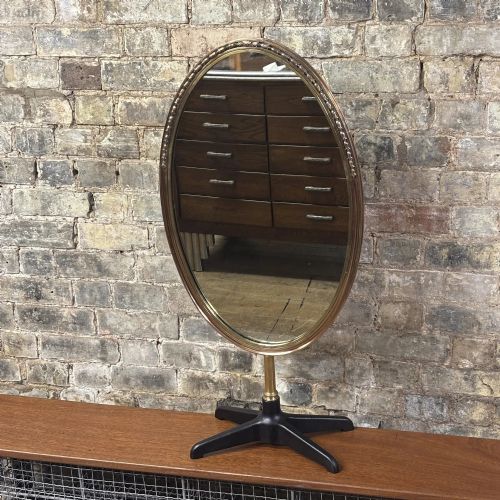
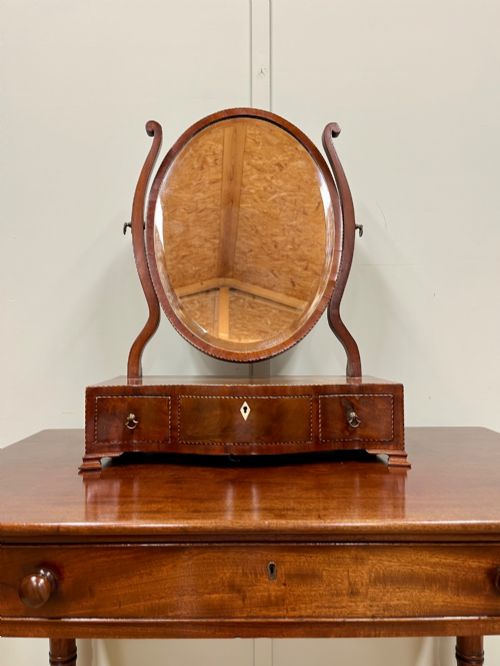
Most examples sit on small box bases, often fitted with drawers for small trinkets, while others stand on slender upright supports or heavy pedestals. You will find shields, ovals, and rectangles among the glass shapes, resting on surfaces ranging from simple timber frames to elaborate marquetry and ormolu mounts.
Distinguishing quality across the range
Quality rests on the crispness of the cabinet work, the choice of figured timber veneers, and the integrity of the pivoting mechanism. Finer examples display hand-cut dovetails within the base drawers and subtle secondary timbers like oak or pine behind the main structure.
The weight and clarity of the mirror glass, alongside the fidelity of period brass or ormolu mounts, mark out superior pieces. Simpler utility mirrors share floor space with finely carved George II and Regency iterations, where the proportion of the frame to the glass plate dictates visual balance.
Swivel Vanity Mirror Retail Price Guide 2026
Typical asking prices for swivel vanity mirror among the pieces listed under this phrase on Sellingantiques today, from the lower quarter to the upper quarter. They describe what is for sale here now, not the wider market.
The listings span from the 17th century through to the 1920s, showing woods from mahogany and walnut to oak and boxwood.
Heal And Sons·Thomas Rubergall
The Swivel Vanity Mirror Glossary
- Toilet mirror
- A small table mirror designed specifically for placement on a dressing table or washstand. These pieces usually include a set of small drawers built into the base.
- Swing mirror
- A glass plate mounted on horizontal pivots between upright posts so it can tilt back and forth. This mechanism forms the defining feature of the swivel vanity mirror.
- Parcel-gilt
- Partially gilded with thin gold leaf over wood or gesso to highlight specific carved details. This technique draws the eye to decorative mouldings.
- Cheval glass
- A full-length standing mirror in a frame that allows it to swing entirely. Unlike a tabletop glass, it stands directly on the floor.
- Ormolu
- Gilded bronze mounts applied to furniture and mirror frames for decorative effect. French Empire pieces often utilise these metallic ornaments.
Swivel Vanity Mirror: Frequently Asked Questions
How do I date a swivel vanity mirror?
Look closely at the construction methods of the base, the shape of the mirror plate, and the timber used. Earlier eighteenth-century pieces often feature box bases with ogee bracket feet and hand-bevelled glass, while Victorian and Edwardian examples show heavier proportions and machine-sawn components.
Hardware also helps narrow the period. Hand-turned brass screw knobs and subtle veneer grains point to Georgian or Regency workshops, whereas cast bronze or chromed finishes typically indicate late nineteenth or twentieth-century manufacture.
Where should I place a swivel vanity mirror?
These mirrors suit dressing tables, chest of tops, or deep windowsills where natural light can strike the glass. Because they are portable table top pieces, you can move them easily to catch the best morning illumination.
Ensure the surface is stable and level so the pivoting frame stays balanced. Avoid damp locations like unventilated bathrooms unless the piece is specifically designed for modern moisture resistance.
Are the mirror plates original?
Many older pieces have replacement mirror plates because the original silvering degraded over decades of use. Look for slight warping, tiny foxing spots, or edge darkening as signs of age.
A replacement glass does not necessarily diminish the charm or utility of a dressing mirror, provided the frame and pivoting hardware remain authentic to the period.
How do I maintain the swivel mechanism?
Check the tension screws or wooden pegs on the side uprights periodically to ensure the glass stays at your preferred angle. Avoid over-tightening, which can stress the timber arms or crack the frame.
Dust the timber with a dry cloth and clean the glass with a gentle, ammonia-free solution. Keep moisture away from the exposed edges of the mirror plate to prevent silver flaking.