

Carved Wooden Mirror Frame
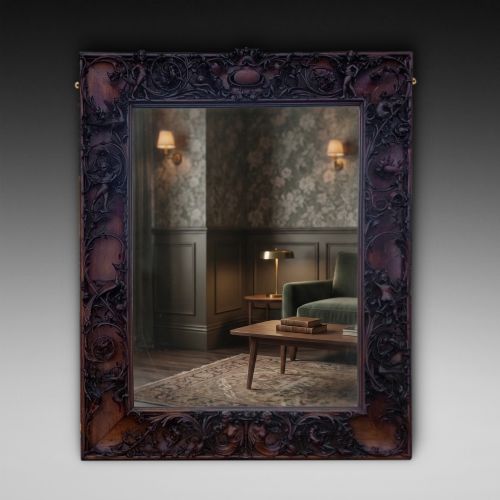
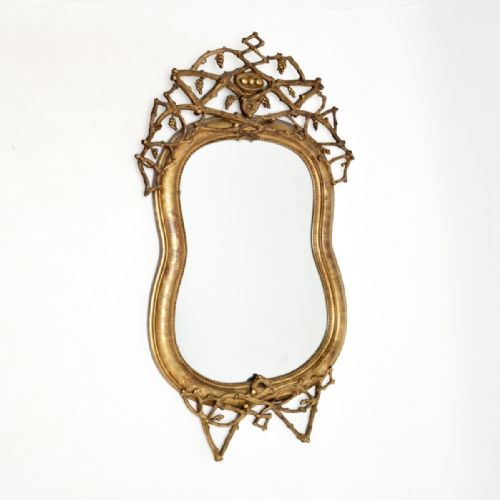
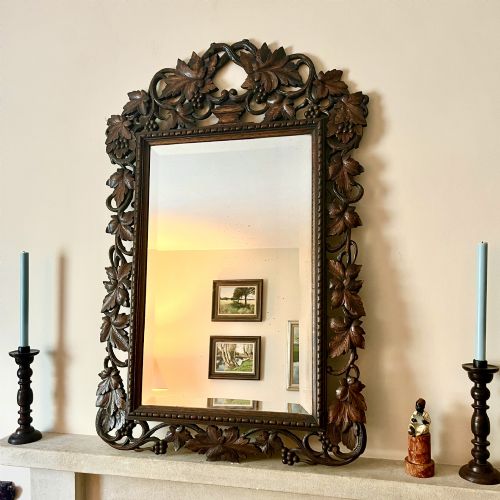
A carved wooden mirror frame brings texture and warmth to a room, offering craftsmanship that modern pieces simply cannot match.
Identifying carved wooden mirror frame pieces
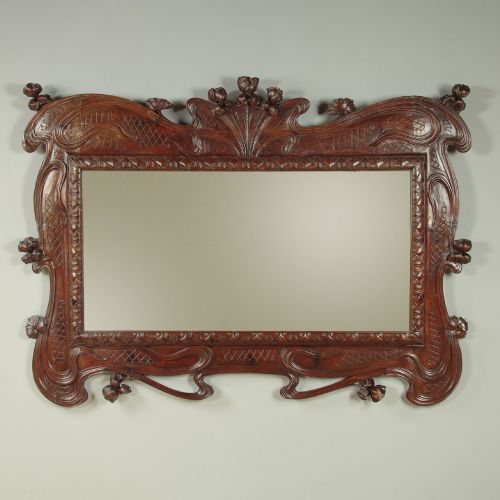
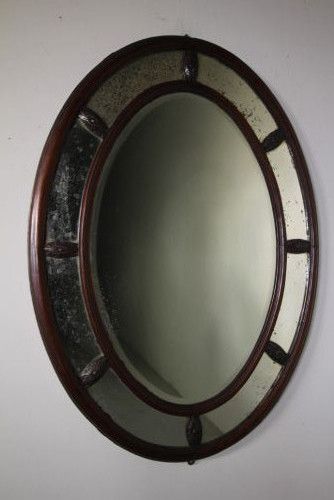
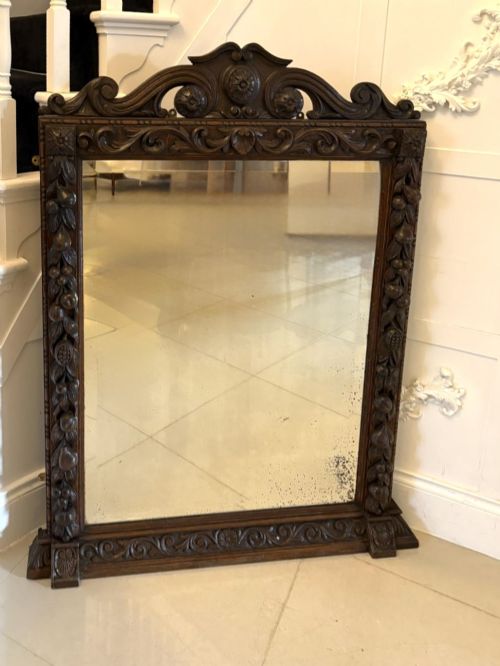
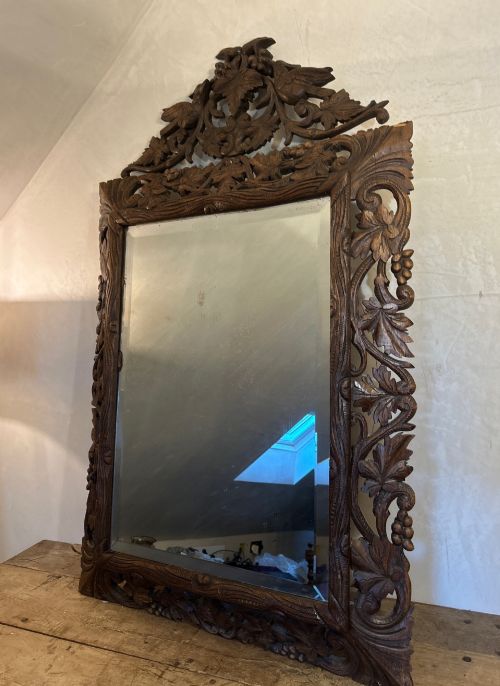
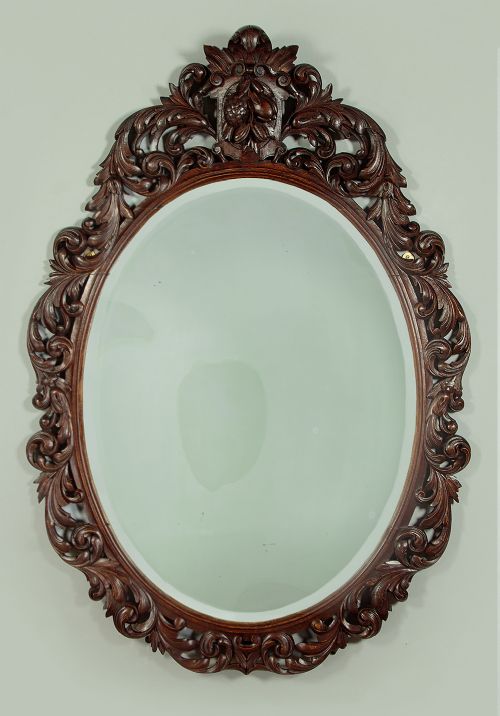
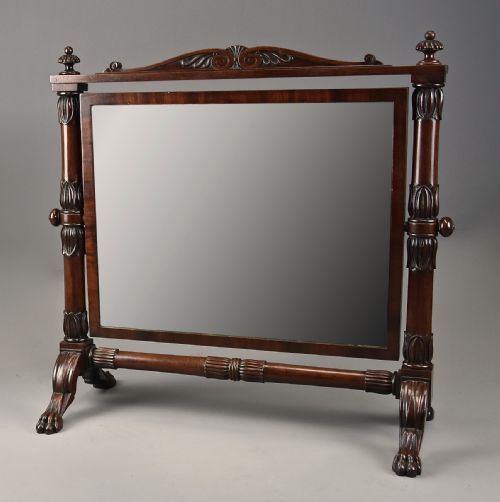
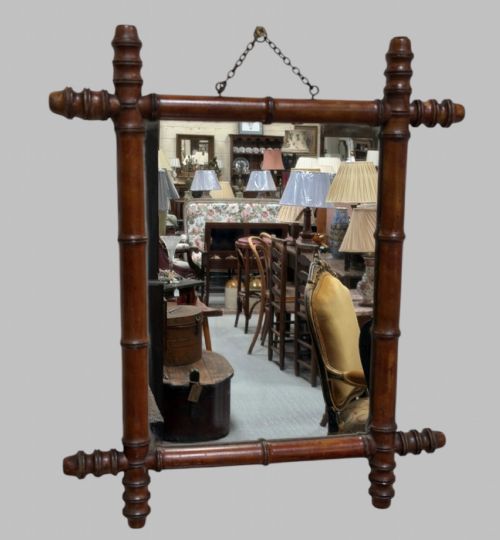
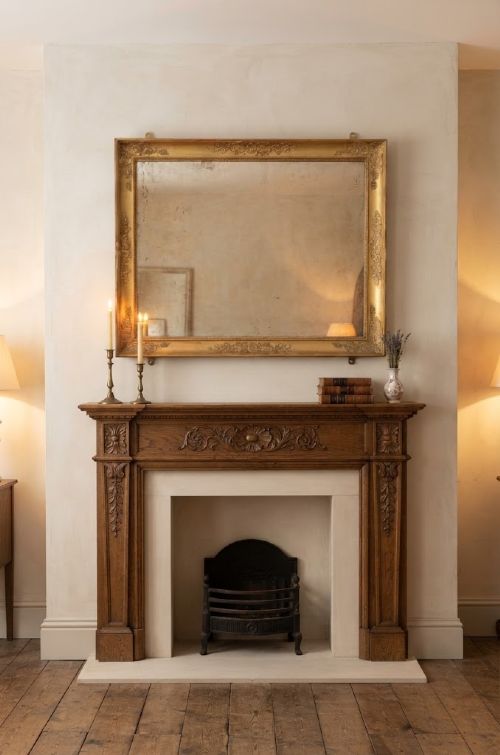
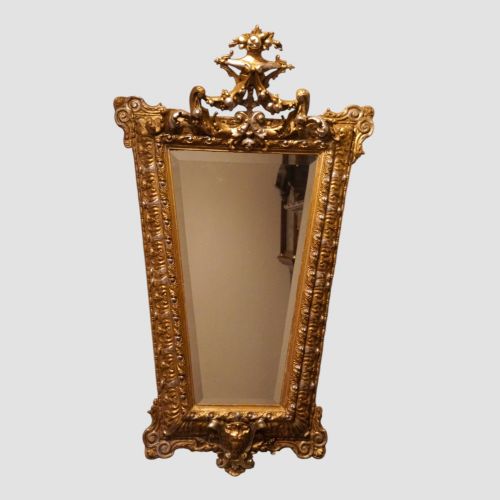
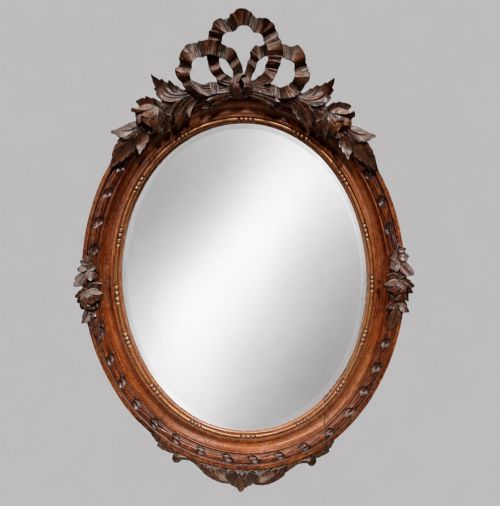
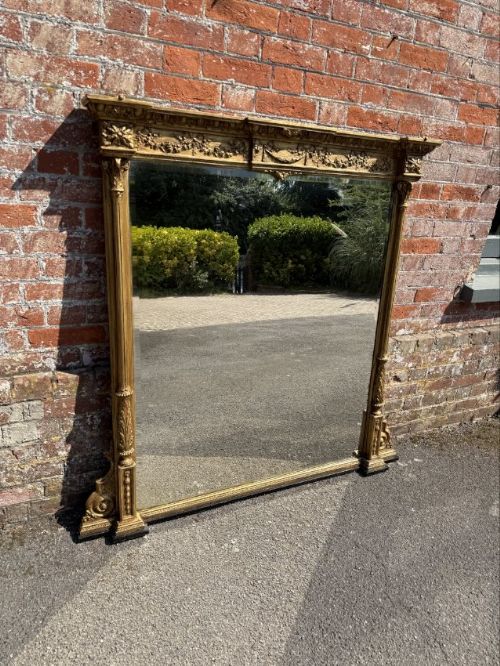
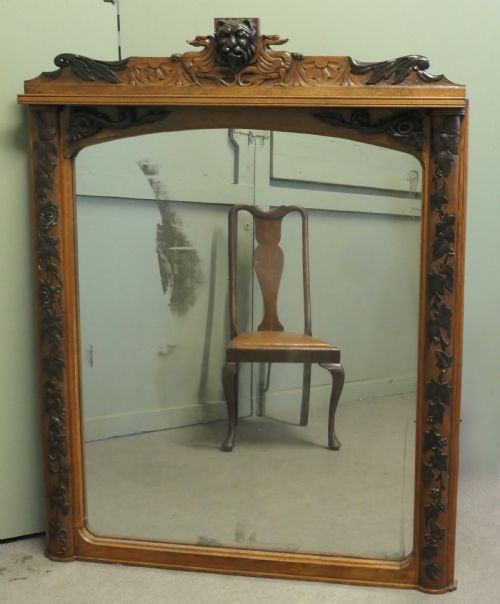
A carved wooden mirror frame appears in several distinct regional styles across the listings, ranging from French Provincial and French Chateau to Islamic Revival and Chippendale Revival. These items function primarily as wall mirrors or larger overmantel mirrors designed to anchor a room.
Most examples hail from the Victorian era and the nineteenth century, including specific dated works from eighteen-seventy and nineteen hundred. Buyers encounter both plain painted wood and elaborate gilt or mahogany constructions.
Materials and construction
The frames utilise a variety of solid timbers including mahogany, oak, walnut, and general carved wood, occasionally accented with mother-of-pearl inlay. Surface treatments span from natural wood finishes to paint and applied gold leaf.
Glass is integrated alongside the wooden structures, whilst decorative elements such as ho-ho bird cresting demonstrate specialised carving techniques. The physical weight and presence of these objects reflect substantial nineteenth-century workshop practices.
Retail Price Guide 2026
Typical UK retail prices for carved wooden mirror frame, calculated from the Sellingantiques database of over a million retail prices indexed since 2003. This retail price guide relies exclusively on Sellingantiques data; no external sources or auction records are used, so the figures do not describe the wider market.
Some frames sport a mythical ho-ho bird watching over the room from its wooden perch.
Assessing quality
Depth and precision of the hand-carving separate ordinary production from superior examples, particularly visible in complex motifs like rocoo scrolls or figurative cresting. The choice of primary timber, whether figured mahogany or sturdy oak, dictates the inherent solidity of the structure.
Finishing details such as the application of gold leaf or period paint layers determine visual harmony. Condition of the underlying wood and integration of the glass pane complete the assessment of overall merit.
The Carved Wooden Mirror Frame Glossary
- Overmantel mirror
- A large mirror specifically proportioned to hang above a fireplace mantelpiece. These pieces often feature wide wooden frames.
- Chippendale Revival
- A decorative style inspired by eighteenth-century cabinetmaker Thomas Chippendale, popular during the Victorian period. It typically incorporates asymmetrical carving and avian motifs.
- Gold leaf
- Extremely thin sheets of beaten gold applied to the wooden surface for ornamentation. This technique creates a luminous metallic finish.
- Ho-ho bird
- A stylized Chinese phoenix frequently utilised as a cresting ornament in revival furniture. It sits at the very top of the frame.
Frequently Asked Questions
How do I clean an antique carved wooden frame?
Dust the intricate carvings gently with a soft, dry brush to prevent dirt accumulation in the recesses. Avoid chemical polishes that can damage aged paint or gold leaf.
For the glass plate, apply a mild glass cleaner to a cloth rather than spraying directly near the wood.
Are these mirrors suitable for bathrooms?
High humidity and fluctuating temperatures in bathrooms can damage historic wood, gilding, and original glass silvering over time. Dry living spaces, hallways, and reception rooms preserve the materials best.
Placement away from direct moisture sources ensures the nineteenth-century construction remains stable.
How do I identify a revival style?
Revival pieces combine historical motifs from periods like French Chateau or Chippendale with nineteenth-century manufacturing methods. Look at the timber backing and joinery to confirm the actual age of the frame.
Stylistic cues often mimic earlier centuries while retaining Victorian structural characteristics.