


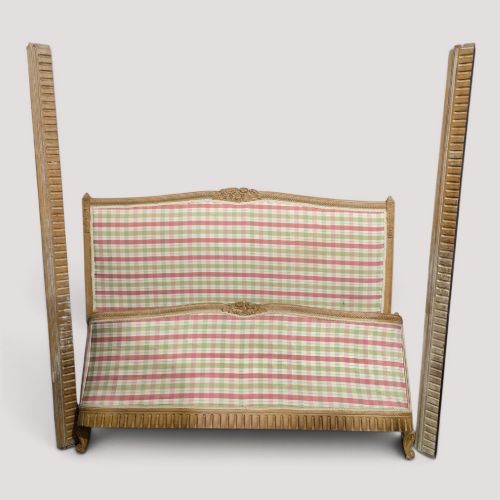
Carved Oak Frame
When you search for a carved oak frame, you uncover centuries of timber craft, where sturdy architectural joinery meets deep hand-chiselled decoration.
Carved Oak Frame
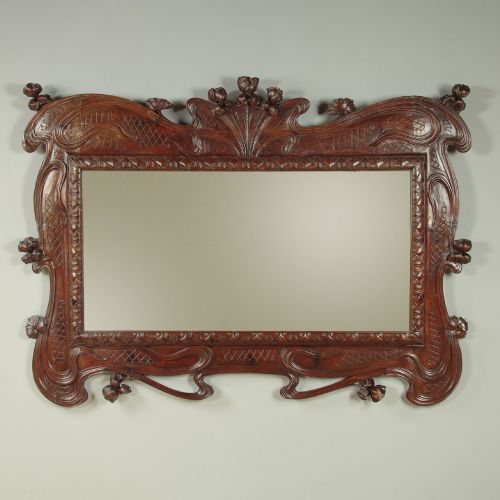
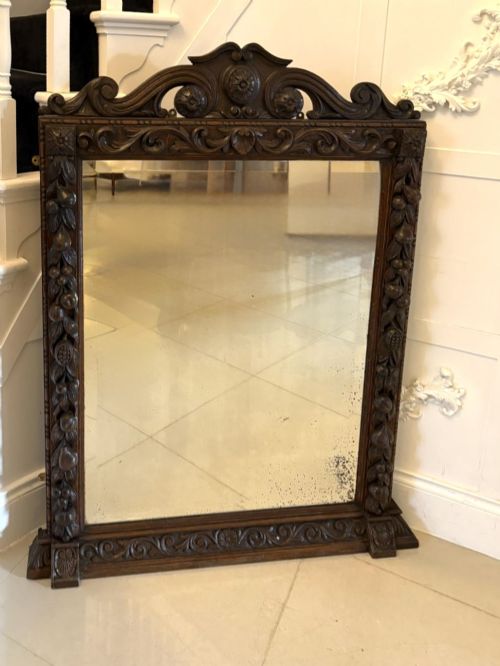
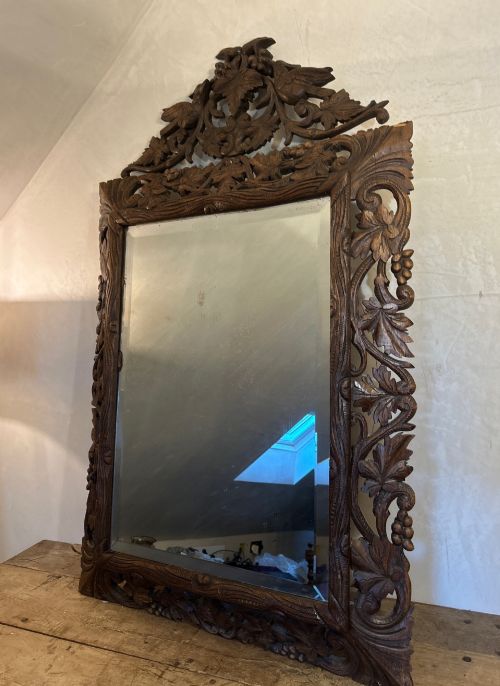
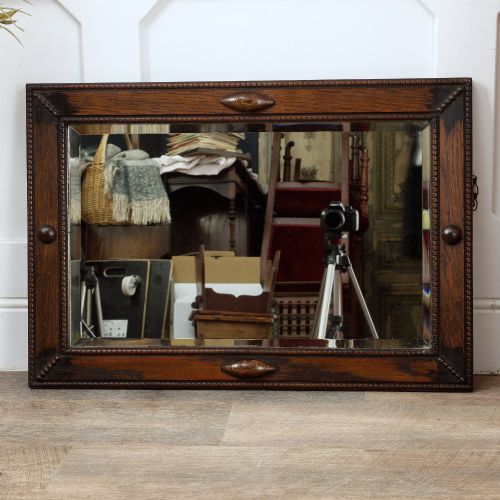
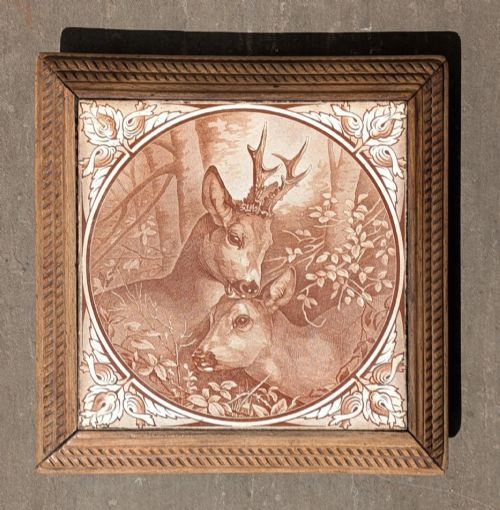
A carved oak frame serves primarily to house wall mirrors, paintings, and photographs, anchoring glass or canvas within a robust architectural boundary. These pieces span utility and display, emerging across the Victorian, Edwardian, and nineteenth-century periods.
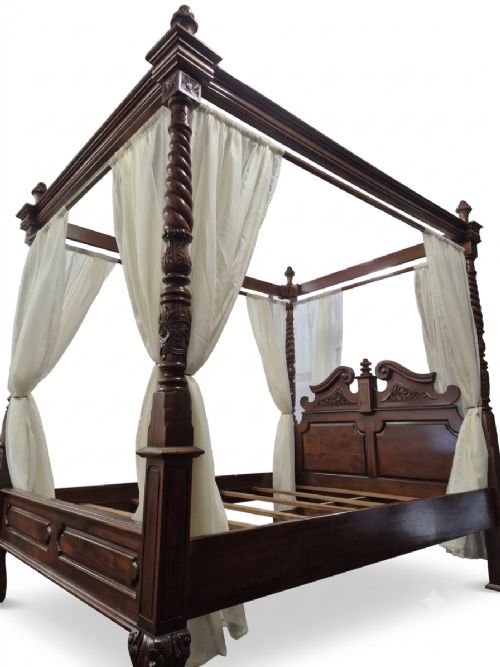
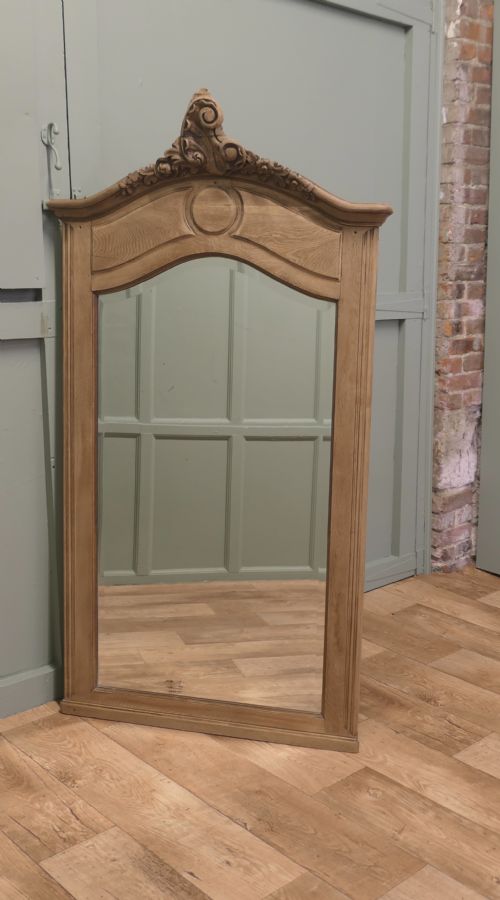
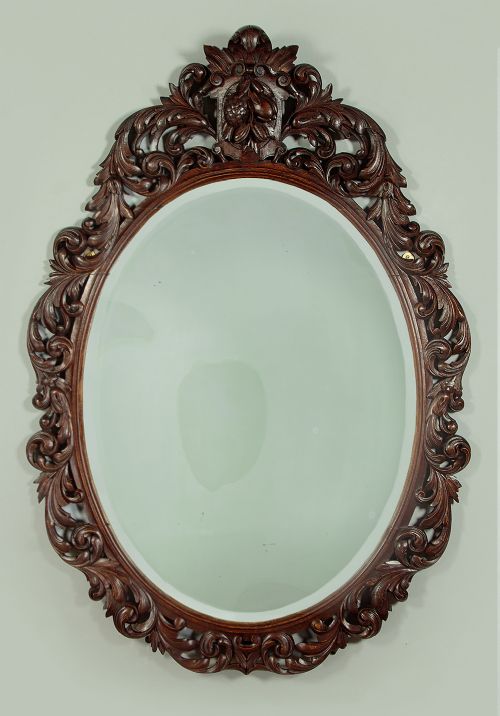
The most common forms encountered on this page are large wall mirrors and overmantle mirrors, frequently decorated with deep relief motifs like vines, grapes, and cushion profiles. Beyond mirrors, the listings feature picture slips, photographic enclosures, and structural furniture housings.
Makers and artisans built these items to dominate interiors, drawing on Gothic Revival, French Provincial, and Renaissance Revival aesthetics to add gravity to domestic rooms. Buyers seek them for their heavy timber substance and the rich visual texture imparted by historical hand-carving.
Materials and construction methods
Craftsmen built these items primarily from solid timber and carved wood, selecting oak for its dense grain and capacity to hold sharp, deep chisel work. Secondary materials such as glass, brass hardware, and paper inserts appear where mirrors and picture slips require functional components.
Joinery methods relied on traditional pegging and heavy framing techniques to support substantial weights, particularly in overmantle and cushion frame mirrors. Artisans finished surfaces through waxing, bleaching, or liming, enhancing the natural figures of the timber while preserving tool marks.
Listings demonstrate a strong preference for nineteenth-century and Edwardian pieces, dominated by solid oak timber and bevelled glass.
Assessing quality in carved oak
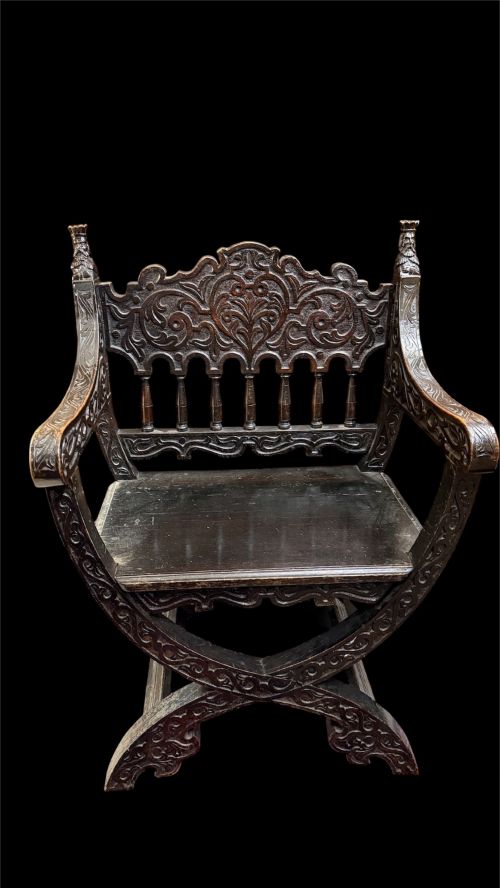
Quality rests in the depth, crispness, and individual character of the hand-carving rather than mechanical uniformity, distinguishing master joinery from routine production. Pieces featuring undercut foliage, heraldic elements, or figural bull frames demonstrate superior artisan engagement.
The integrity of the original timber construction and the preservation of the surface finish dictate long-term desirability, separating honest period examples from altered or heavily restored substitutes.
The Carved Oak Frame Glossary
- Cushion frame
- A convex, rounded frame profile popular in nineteenth-century mirrors that projects forward from the wall. This shape creates deep shadows and emphasises the grain of the oak.
- Gothic Revival
- A decorative style inspired by medieval architecture, featuring pointed arches, trefoil details, and heavy structural timbers. It dominated nineteenth-century furniture and mirror design.
- Overmantle mirror
- A large horizontal mirror designed specifically to hang above a fireplace mantelpiece. These pieces often anchor the decorative scheme of a period room.
- Picture slip
- A narrow inner wooden frame or border placed directly against a canvas or artwork. It provides a visual transition between the main outer frame and the image.
Carved Oak Frame: Frequently Asked Questions
How do I date a carved oak frame?
Dating relies on examining the joinery methods, tool marks left by the artisan, and the prevailing stylistic cues such as Gothic Revival motifs or cushion mouldings. Secondary elements like backing boards and mirror glass silvering also provide crucial clues to the period of origin.
Comparing the depth and precision of the carving against documented nineteenth-century and Edwardian examples helps narrow the decade of manufacture. Timber shrinkage and natural patina further confirm the age of the wood.
Where should I hang a heavy oak mirror?
Heavy oak mirrors require secure wall fixings anchored directly into masonry or substantial timber studs to support their considerable weight safely. Overmantle positions above fireplaces remain the traditional location, though large leaner mirrors function effectively resting on floor surfaces.
Ensure the hanging wire or integrated brackets match the heft of the wooden frame before mounting. Professional installation is strongly recommended for oversized pieces.
How do I clean and maintain antique oak?
Maintenance requires dusting regularly with a soft, dry cloth and applying traditional beeswax sparingly to nourish the dry timber. Avoid modern silicone sprays or excessive moisture, which can degrade the historic finish and damage the surrounding wood.
Keeping the frame away from direct heat sources and dramatic humidity swings prevents the oak from warping or cracking over time. Gentle care preserves the natural patina accumulated over centuries.
What is the difference between a mirror frame and a picture frame?
Mirror frames generally feature heavier, deeper structural scantlings and rebate depths designed to hold thick mirror glass and protective backing systems. Picture frames often incorporate narrower wooden profiles or internal slips intended to complement flat paper or canvas art.
While both utilise similar hand-carving techniques and styles like Renaissance Revival, their proportions reflect their distinct functional requirements. Scale and structural depth immediately separate the two types.