




Italian Florentine Mirror
When choosing an italian florentine mirror, you are selecting a piece defined by ornate, carved gilding and centuries of Tuscan craftsmanship.
Italian Florentine Mirror
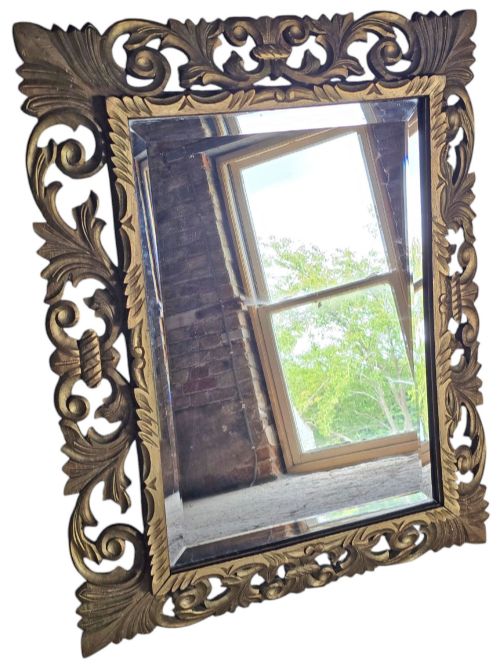
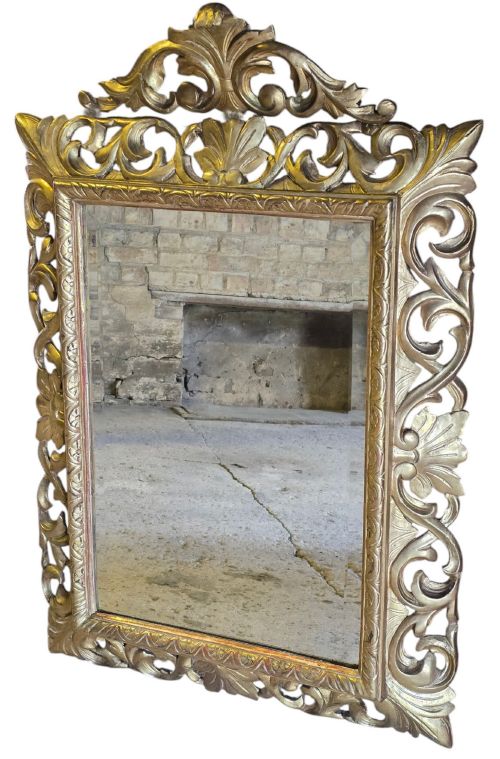
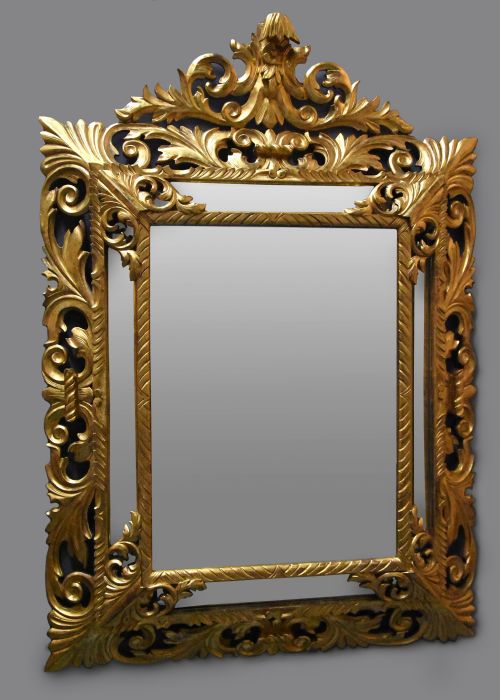
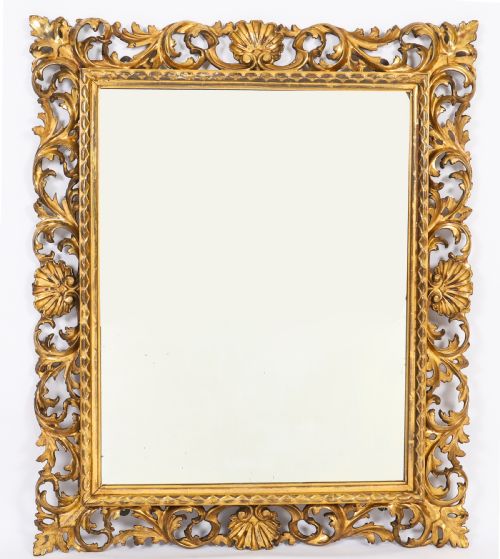
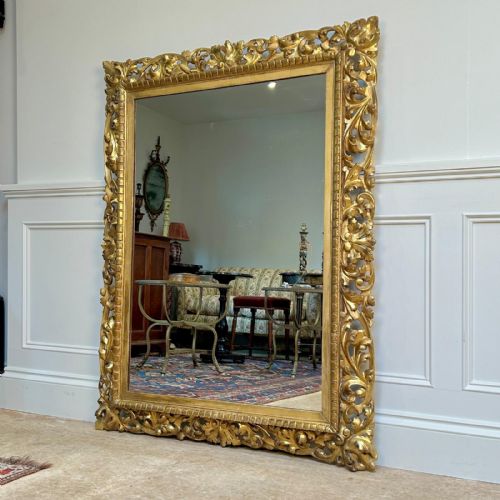
An italian florentine mirror brings centuries of Tuscan design into a room, typically taking the form of an elaborately carved wooden frame finished in gold leaf or gilt. The selections available on this page lean heavily towards nineteenth-century craftsmanship, alongside notable eighteenth-century and early twentieth-century examples.
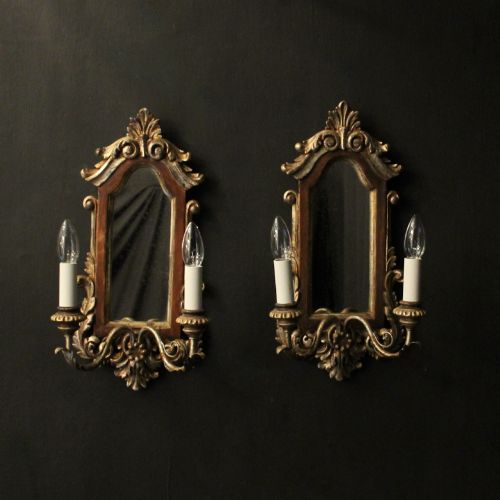
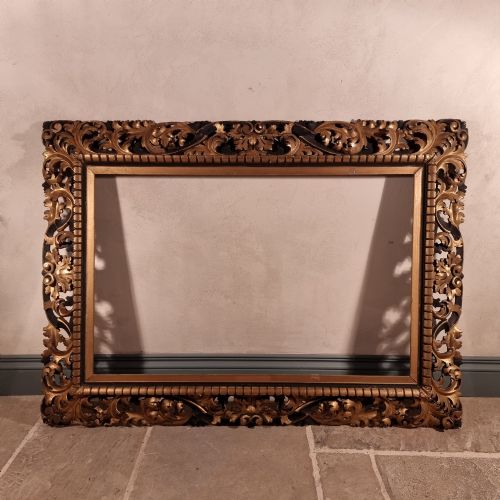
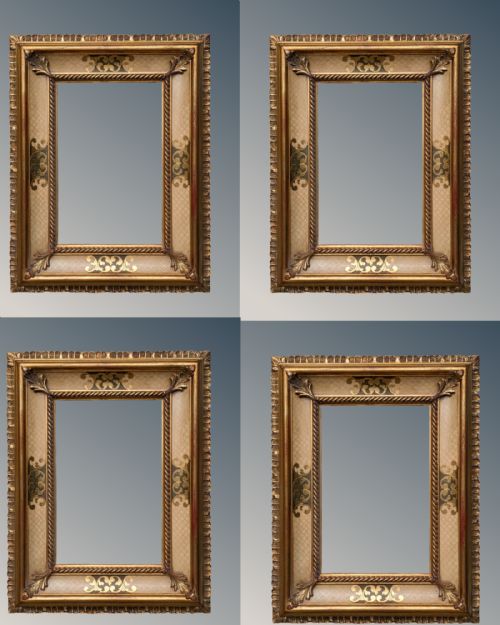
Beyond standard wall mirrors, buyers encounter grand overmantles, delicate oval formats, picture frames, and wall sconces known as girandoles. The prevailing aesthetic draws directly from Baroque and Rococo traditions, marked by scrollwork, acanthus leaves, and fruiting vines.
The regional origins remain anchored in Florence and surrounding Italian workshops, where artisans maintained specific wood-carving lineages across generations. Whether opting for a compact rectangular piece or a large statement overmantle, these objects serve as focal points that reflect both light and historical depth.
How they were made
Makers built these frames using carved wood or gesso laid over a wooden base, applying gold leaf or liquid gilt to achieve a luminous surface. Artisans shaped the wood by hand, producing intricate relief work such as scrolling foliage, pierced cartouches, and floral motifs before the gilding process sealed the material.
The mirror glass itself was typically hand-bevelled or cast in sections depending on the period, then secured behind rabbets within the carved wooden housing. In many instances, the combination of gesso and carved wood allowed for exceptionally deep undercut details that simpler moulding techniques could not achieve.
Italian Florentine Mirror Retail Price Guide 2026
Typical asking prices for italian florentine mirror among the pieces listed under this phrase on Sellingantiques today, from the lower quarter to the upper quarter. They describe what is for sale here now, not the wider market.
Several pieces feature carved fruiting vines, proving that Italian carvers occasionally preferred snack-time inspiration over standard leaves.
What varies in quality
The distinction between standard examples and the finest items rests upon the depth and crispness of the hand-carved wood beneath the gilding. Master carvers achieved high relief with sharp undercut details in foliage and scrolls, whereas lesser pieces relied heavier on thick gesso build-up to simulate carved depth.
The application of gold leaf versus modern metallic paint also marks a division in craftsmanship, with genuine leaf ageing to a warmer, softer patina over time. Furthermore, the structural integrity of the underlying timber frame and the originality of the mirror plate itself dictate the overall standing of an individual piece.
Giuliano Spinelli Florence
The Italian Florentine Mirror Glossary
- Giltwood
- Wood that has been coated with gold leaf or a gold-coloured metallic finish. This surface treatment defines the bright, reflective appearance characteristic of Florentine frames.
- Gesso
- A plaster-like mixture applied to wood frames to create a smooth surface for gilding or to build up low-relief ornamentation. Artisans carved and stamped directly into this layer.
- Girandole
- A decorative wall mirror featuring attached candle sconces or arms branching from the frame. These pieces were designed to multiply candlelight within a room.
- Overmantle
- A large mirror specifically proportioned to hang above a fireplace mantel. They often feature extended horizontal dimensions and bold statement framing.
- Acanthus
- A classical ornamental motif based on the foliage of the acanthus plant. It appears frequently in the carved scrollwork of Florentine frames.
Italian Florentine Mirror: Frequently Asked Questions
How do I hang a heavy Florentine mirror safely?
Large giltwood frames carry substantial weight due to the dense timber and gesso construction. Secure the piece directly into wall studs using heavy-duty mirror brackets or a French cleat system.
Avoid relying solely on plasterboard anchors, as the downward pressure can pull fixings loose over time. Professional installation is recommended for overmantle formats.
Are these mirrors genuinely from Florence?
The majority of pieces bearing this style originate from Tuscan workshops or follow traditional Florentine design patterns established in the eighteenth and nineteenth centuries. Regional carvers utilised local woods and specific gesso layering techniques native to the area.
Examine the backboards, fixings, and ageing of the gilt surface to understand the historical context of the construction.
What is the difference between a pier glass and an overmantle?
A pier glass is traditionally designed to hang on the narrow wall space between two windows, often paired with a console table below. These pieces tend to be taller and narrower to match vertical architectural gaps.
Overmantle mirrors are constructed wider to span the horizontal space above a fireplace, serving as a primary room focal point.