
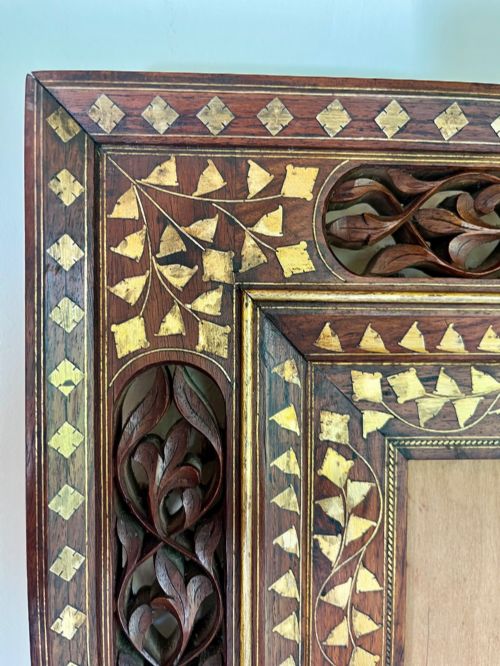


Pierced Carved Frame
These pierced carved frame pieces are intricate decorative housings for mirrors and art, offering rich texture and historic craftsmanship that collectors prize.
Pierced Carved Frame
A pierced carved frame is an elaborate border designed to hold wall mirrors, portraits, and table screens, shaping the visual impact of the object within. These pieces emerge across the Georgian, Victorian, and early twentieth-century periods, showcasing varied regional workshops.
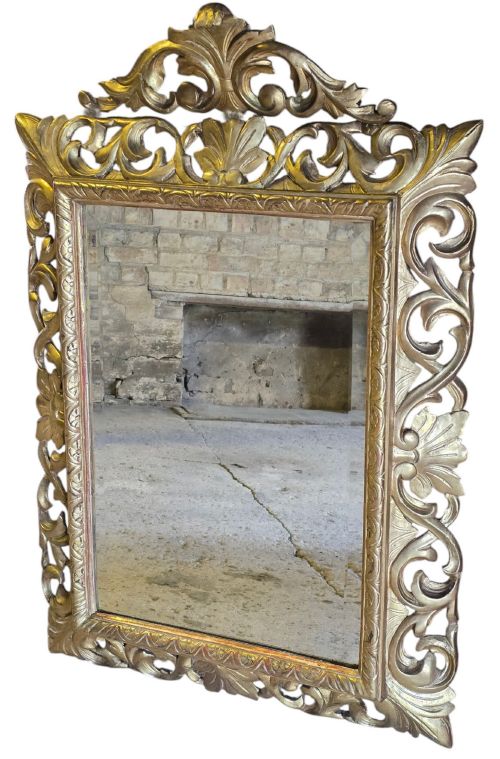
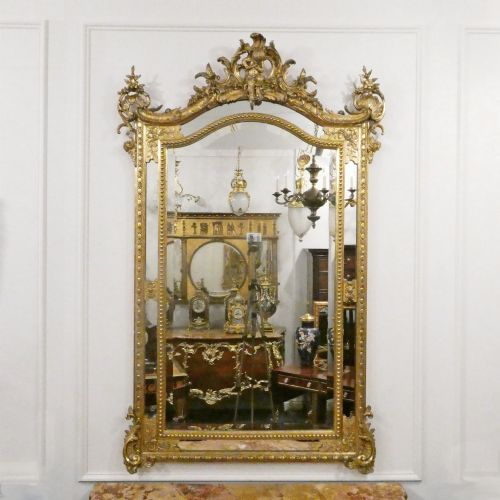
The most common forms on this page are wall mirrors encased in heavily worked wood or gilt surround, alongside clock cases and occasional furniture elements. Anglo-Indian, Florentine, and Rococo styling dominate the selection, bringing floral cutouts and pierced fretwork to the domestic interior.
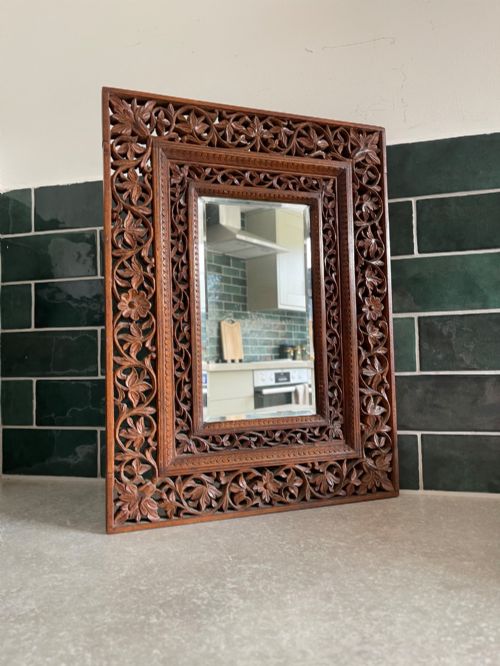
Makers from Hoshiarpur, Kashmir, and European centres applied deep piercing to hardwoods, oak, and gessoed pine. Buyers find everything from large overmantle mirrors to smaller portable screens, each defined by openwork carving that lets the wall behind show through.
How they were made
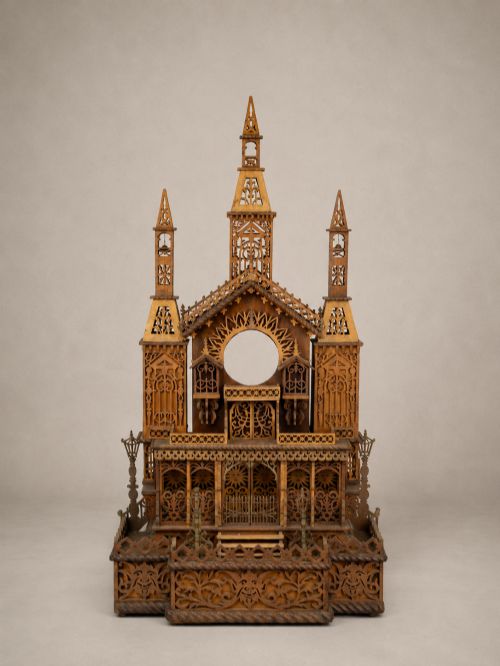
Carvers shaped these frames from dense hardwoods, mahogany, oak, and soft pine, utilising hand chisels and fretsaws to pierce the material completely. The openwork requires precise tool control to prevent splitting the delicate wooden webs during intricate scroll or floral patterning.
Giltwood versions received layers of gesso applied over timber before water gilding with gold leaf, creating a luminous surface that catches light through the pierced voids. Brass inlay and silk panels appear in specific regional examples, contrasting smooth metal or fabric against deeply carved wooden grounds.
Some nineteenth-century makers concealed tiny secret compartments behind carved fretwork panels, hiding miniature treasures within the frame.
What varies in quality
The distinction in quality rests upon the depth, sharpness, and undercut relief of the carving, where master hands achieved crisp edges without chipping the timber. Lesser examples show shallow stamping or mechanical fretwork that lacks the sculptural dimension found in finer workshop production.
Surface finish dictates visual success, distinguishing original gilding or polished hardwood from later paint applications that obscure the tool marks. The harmony between the pierced surround and the mirror glass or artwork determines whether the object holds cohesive design integrity.
The Pierced Carved Frame Glossary
- Fretwork
- Openwork ornamentation carved or cut out of a thin flat board. It creates light patterns of negative space within the frame surround.
- Giltwood
- Timber coated with gold leaf over a prepared gesso ground. This technique provides a brilliant reflective surface suited to formal interior display.
- Gesso
- A plaster-like mixture applied to wood frames to form a smooth base for gilding. It allows carvers to crisp up fine details before applying gold leaf.
- Overmantle
- A large mirror designed to hang above a fireplace mantelpiece. These grand frames often incorporate architectural pierced pediments.
- Intaglio
- Incised or sunken carving into a flat surface, sometimes combined with pierced relief work in Anglo-Indian and Kashmiri pieces.
Pierced Carved Frame: Frequently Asked Questions
Where should I hang these mirrors?
Position them in reception halls, morning rooms, or above mantelpieces where reflected light brightens the surrounding interior space. Ensure the wall fixings match the substantial weight of carved hardwood or gessoed frames to support them securely.
Allow enough surrounding wall clearance so the pierced edges remain fully visible rather than crowded by adjacent furnishings or artworks.
How can I tell the period?
Examine the timber species, joinery construction at the corners, and the specific decorative vocabulary employed by the carver. Georgian pieces lean toward classical rococo symmetry, while later nineteenth-century examples often adopt regional Anglo-Indian or revival idioms.
Tool marks left on the reverse provide clues to workshop methods, distinguishing hand-chiselled work from later mechanical fret-cutting techniques.
What is Anglo-Indian carving?
This style combines traditional British furniture forms with intricate Indian woodcarving techniques, typically executed in dense hardwoods. Artisans from regions like Hoshiarpur specialised in densely packed floral motifs and geometric pierced patterns.
These pieces frequently incorporate contrasting materials such as brass wire inlay to enhance the visual complexity of the carved frame.