

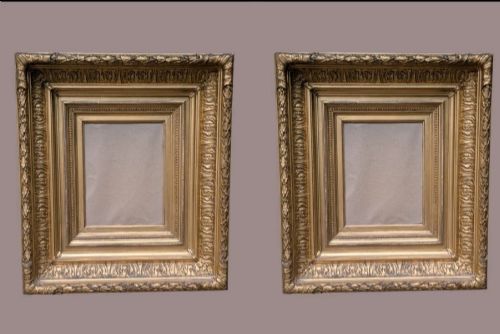
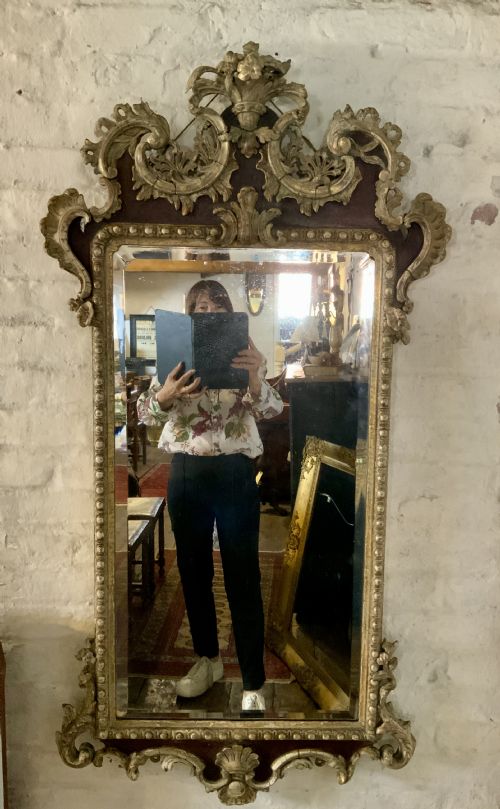
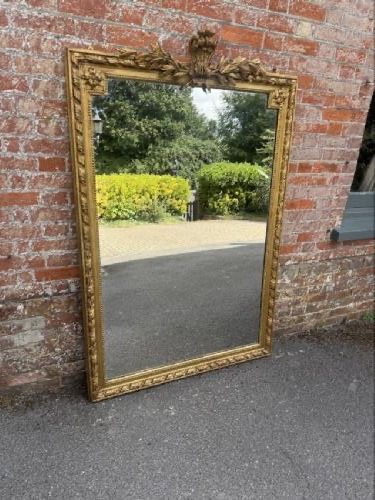
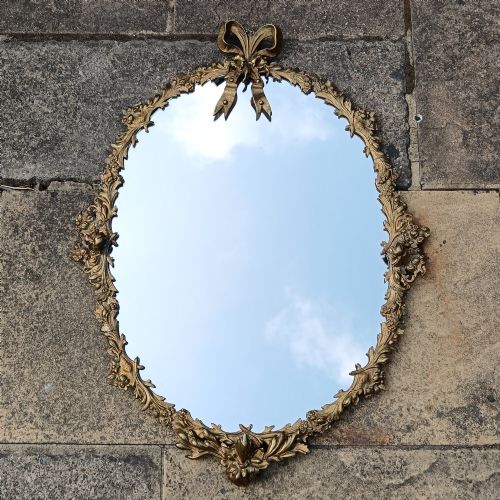
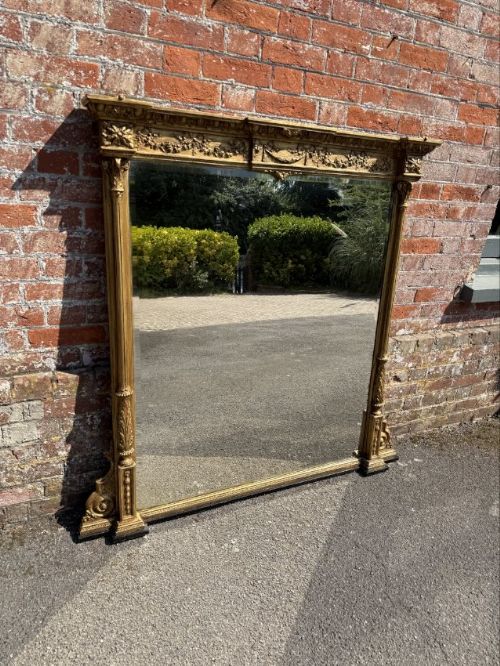
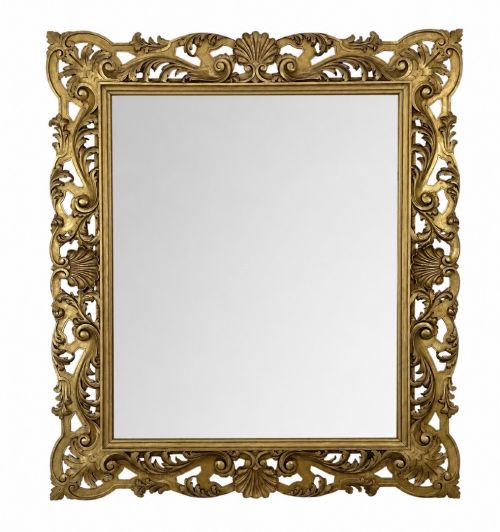
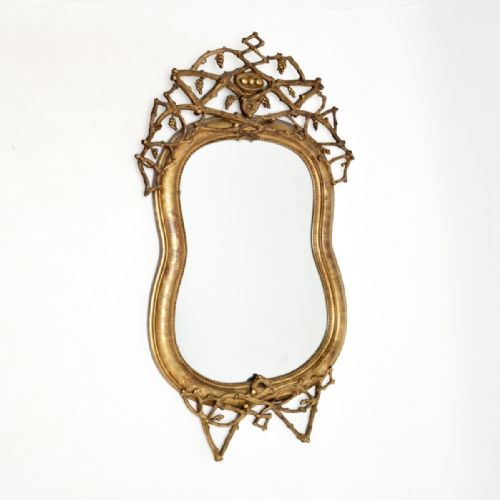
Decorative Gilt Frame Mirror
When you search for a decorative gilt frame mirror, you are looking for a statement piece that brings warmth, reflection and history into a room.
Decorative Gilt Frame Mirror
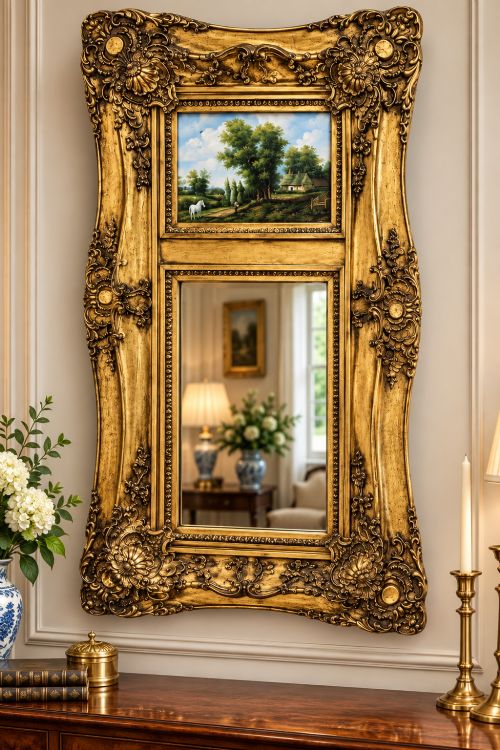
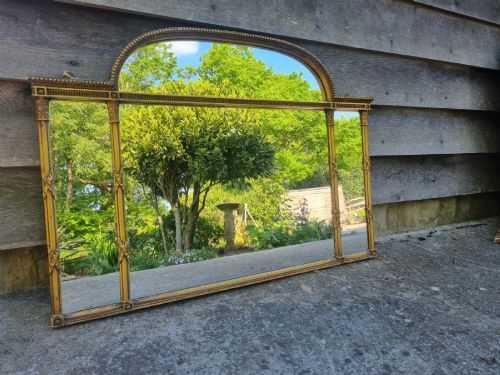
A decorative gilt frame mirror serves to catch the light and anchor a room, appearing in forms such as grand overmantels, pier mirrors, girandoles and wall roundels. The pieces encountered here span from the eighteenth century through the Victorian era and into the early twentieth century, reflecting varied regional tastes from English classical proportion to exuberant Italian and French revivalism.
The most common examples on this page date from the nineteenth century, often showing the influence of Regency, Rococo or Louis XVI styles. Buyers frequently select these objects to hang above a fireplace or console, where their reflective glass and gilded surfaces immediately alter the proportions and light levels of an interior space.
How they were made
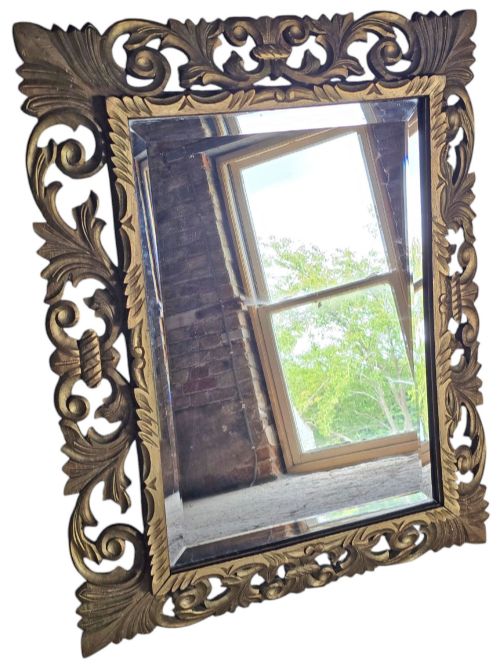
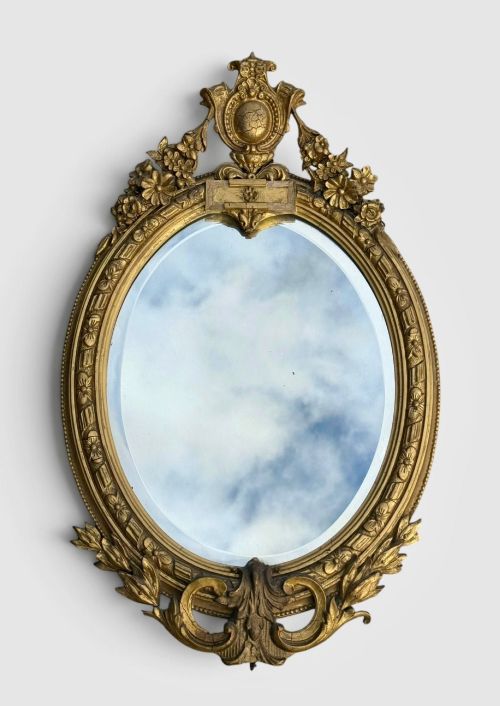
Carved timber, gesso and wood form the structural foundation of these frames, providing a stable base for intricate ornamentation. Artisans applied thin layers of gold leaf or gilt directly onto prepared gesso surfaces, sometimes combining parcel-gilt details with painted or ebonised wood.
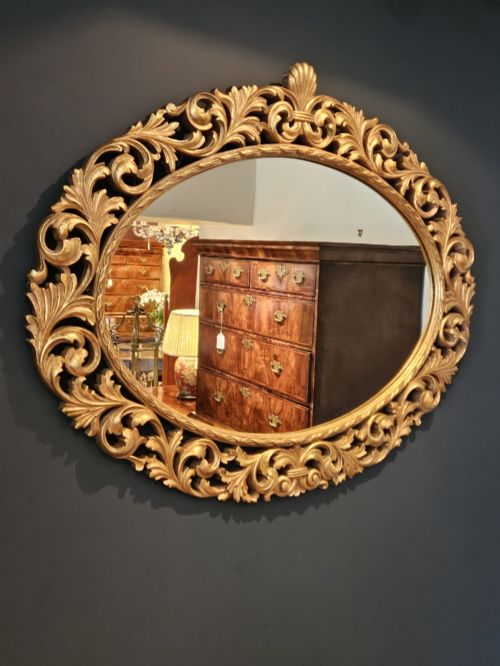
Mirrors from this selection often feature hand-carved floral motifs, rope twists or cushion profiles, matched with traditional silvered glass plates that may exhibit natural foxing or engraved details.
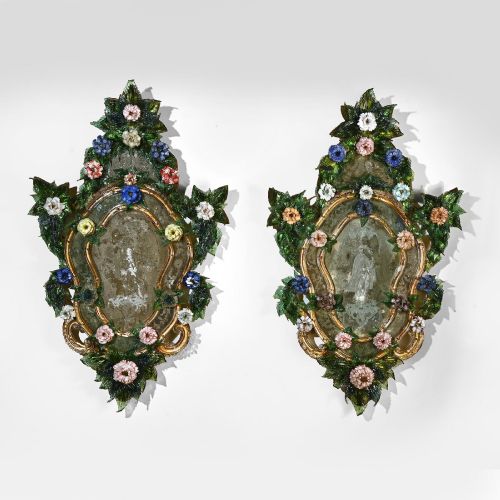
Listings span from the eighteenth century to the 1930s, featuring materials such as giltwood, gesso, ebonised timber and Murano glass.
What varies in quality
The distinction between ordinary and exceptional examples lies in the depth and crispness of the carving, particularly where gesso has been built up to shape acanthus leaves, masks or rosettes. Superior frames display hand-tooled precision rather than mechanical flatness, with gilding that has aged with a soft, uniform metallic lustre.
Integrity of the original components matters greatly, separating pieces that retain their initial glass plates and gilding from those heavily restored or re-gilded in later decades.
The Decorative Gilt Frame Mirror Glossary
- Gesso
- A plaster-like mixture applied to wood frames to create a smooth surface for carving and gilding. It allows artisans to model fine decorative reliefs before applying gold leaf.
- Overmantel mirror
- A large horizontal mirror designed specifically to hang above a fireplace mantelpiece. These pieces frequently dominate a reception room and reflect the opposite window.
- Gilding
- The application of thin gold leaf or gold dust to a prepared surface. This technique protects the underlying wood and gives the object its characteristic radiant glow.
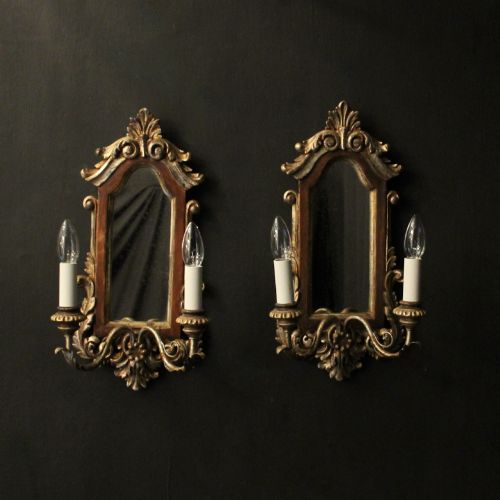
- Girandole
- A decorative wall mirror featuring attached candle sconces or arms. The reflective glass multiplies the flickering light of the candles.
- Foxing
- The natural age-related spots and discoloration that develop within the silvering of antique mirror glass. Many collectors value this trait as proof of genuine age.
- Parcel-gilt
- A decorative treatment where only specific portions of a wooden object are gilded, leaving contrasting areas of exposed timber, paint or ebonisation visible.
Decorative Gilt Frame Mirror: Frequently Asked Questions
How do I hang a heavy overmantel mirror?
These substantial frames require secure fixing directly into wall studs or masonry using heavy-duty brackets suited to the weight of timber and glass.
Consult a professional installer to ensure the wall structure can safely support the load of a large nineteenth-century piece.
Can I clean antique mirror glass safely?
Use a soft, dry microfibre cloth to remove dust gently from both the glass and the fragile gilded surface.
Avoid commercial chemical sprays and excess moisture, which can seep behind the glass plate or damage the delicate gesso.
What does foxed glass mean?
Foxed glass refers to the speckled oxidation and dark spots that naturally form behind the mirror plate over many decades.
This characteristic confirms the antiquity of the glass and adds a soft, atmospheric quality to the reflection.
How do I identify a Victorian gilt mirror?
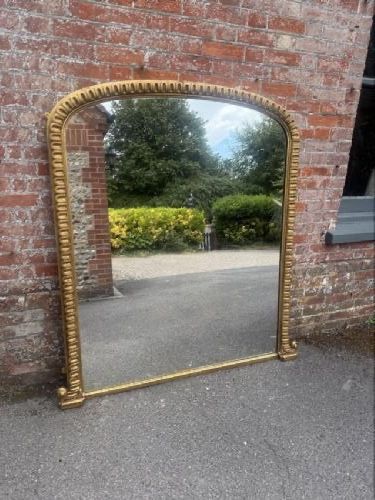
Victorian examples often feature dense gesso ornamentation, heavy timber construction, and specific decorative motifs like patera rosettes or gadrooned edges.
Examining the construction methods on the reverse often reveals period fixings and older pine or hardwood backing boards.