
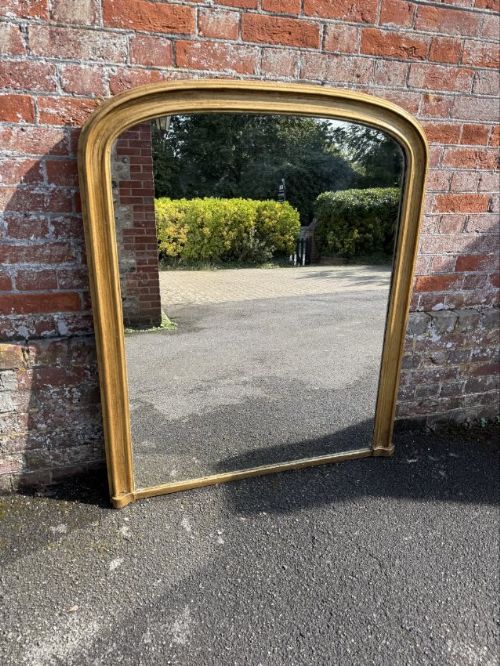
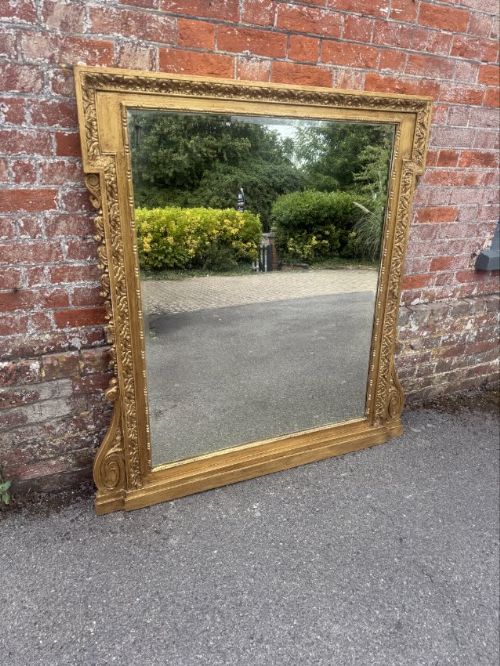
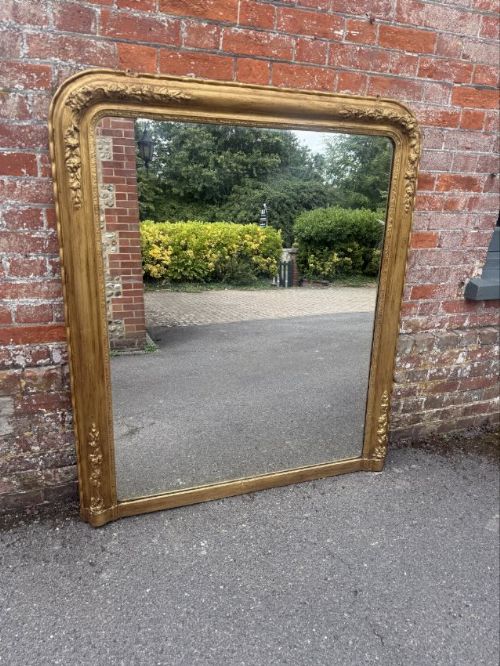
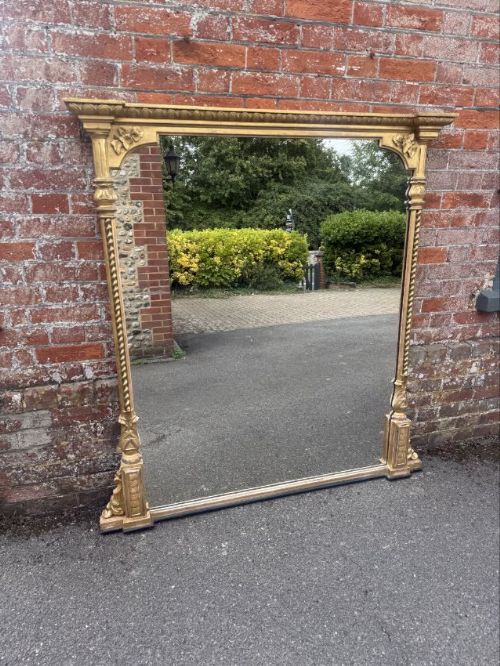



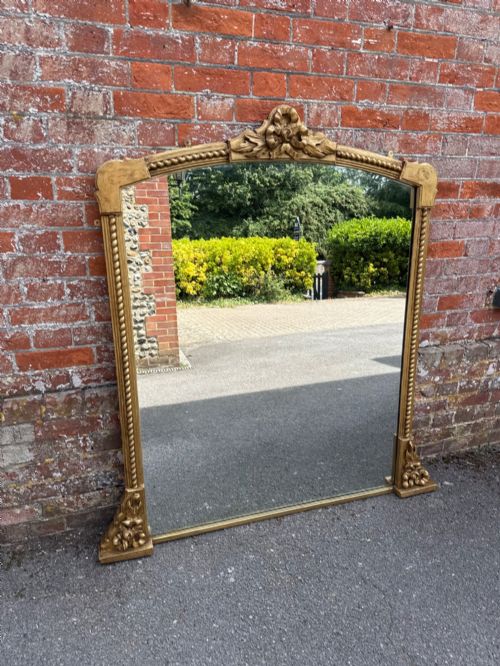
English Victorian Overmantel Mirror
An English Victorian overmantel mirror is a substantial architectural glass designed to sit above a fireplace, bringing scale and reflected light into a room.
English Victorian Overmantel Mirror
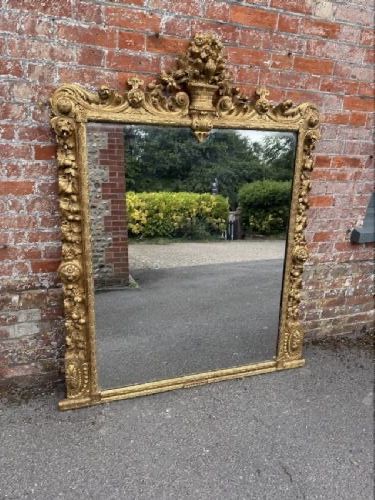
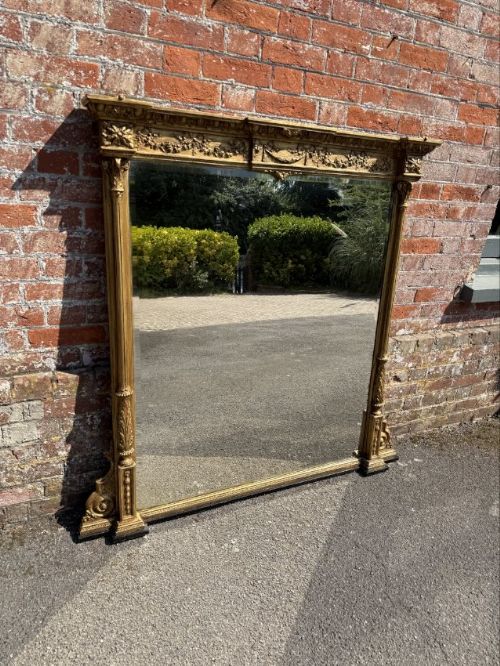
When searching for an english victorian overmantel mirror, buyers encounter wide architectural frames designed specifically to anchor the space above a chimney breast. These pieces span the nineteenth century, with strong representation from the eighteen-fifties through to the eighteen-eighties.
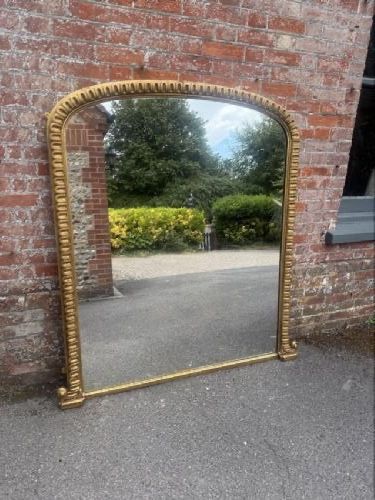
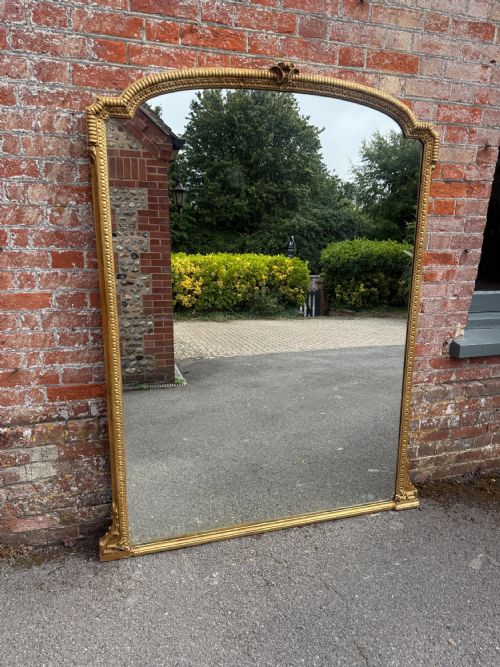
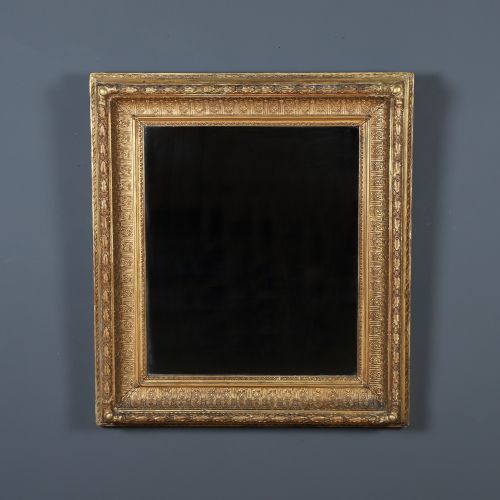
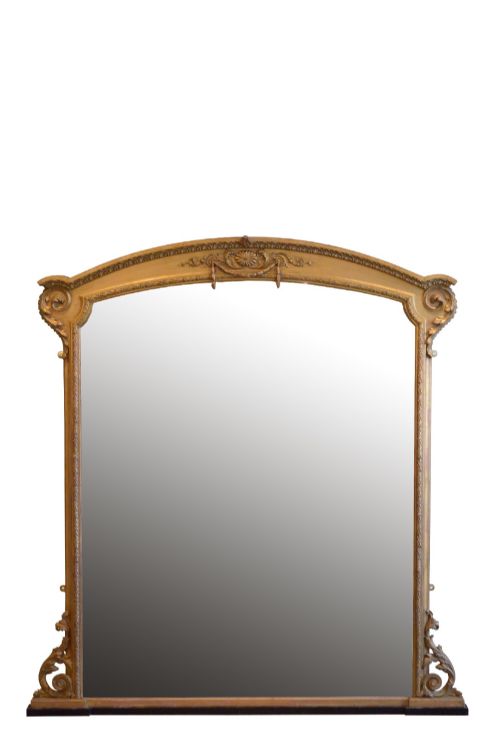
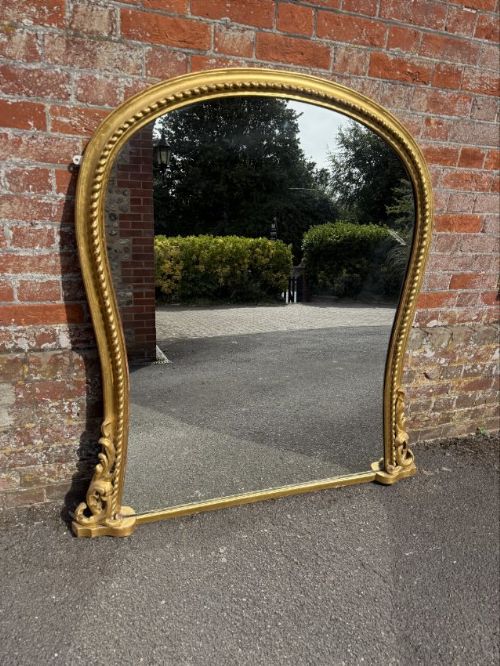
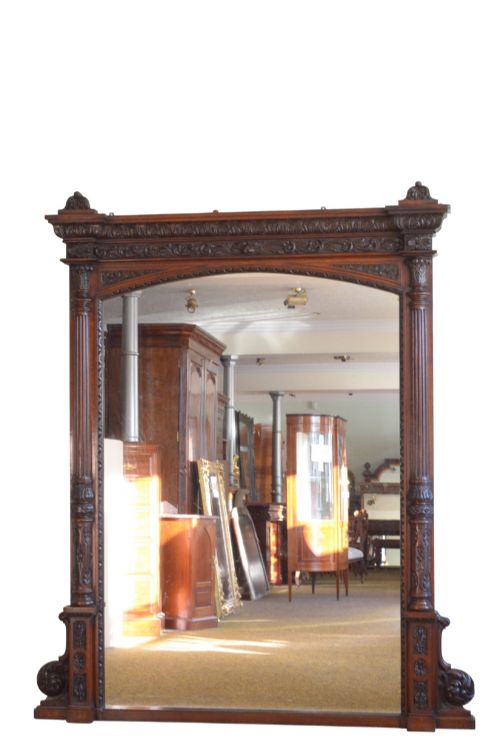
The dominant form met on this page is the arched top mirror, frequently constructed with carved wood and finished in gilt gesso. Alongside these gilt examples appear occasional solid oak and painted versions, reflecting diverse stylistic revivals from Chinese Chippendale to Gothic and classical traditions.
How they were made
The construction of these mirrors relies upon a timber base, typically carved wood, which provides the rigid structural support required for heavy wall placement. Over this wooden foundation, artisans applied layers of gesso to build up intricate relief ornamentation.
Surface finish was achieved through the application of gold leaf or gilt, creating the bright reflective borders characteristic of the period. Specialised framing details, including rope twist, ribbed, and column patterns, were moulded directly into the gesso layers before gilding.
Listings span multiple decades of the nineteenth century, featuring materials such as glass, gesso, gold leaf, and carved wood.
What varies in quality
The distinction between standard examples and the finest pieces lies in the depth and precision of the carved wood and gesso ornamentation. Superior execution shows crisp, sharply defined mouldings on rope twist, column, and tulip frames rather than soft or shallow relief.
Gilding technique also dictates grade, with higher quality work displaying careful application of gold leaf that retains its luminosity across complex arched and shaped surfaces. The integrity of the underlying wooden frame and the originality of the mirror glass further elevate the standing of individual pieces.
The English Victorian Overmantel Mirror Glossary
- Overmantel mirror
- A large wall glass specifically proportioned to hang on the chimney breast above a fireplace mantelpiece.
- Gesso
- A plaster-like mixture applied to a wooden base and carved or moulded to form decorative surface relief before gilding.
- Giltwood
- Timber that has been coated with gold leaf or gold paint to give a metallic, reflective surface.
- Arched top
- A frame construction featuring a curved upper section, which was a predominant silhouette for nineteenth-century mantel glasses.
- Rope twist
- A carved decorative moulding resembling the spiral strands of a rope, frequently seen running along the inner or outer borders of the frame.
English Victorian Overmantel Mirror: Frequently Asked Questions
Where should an overmantel mirror be hung?
These mirrors are traditionally positioned centrally above a fireplace mantelpiece, where their scale balances the architectural weight of the hearth.
They can also be mounted on main salon or hallway walls to function as expansive wall mirrors, provided the wall structure supports the substantial weight.
How do I identify a Victorian overmantel mirror?
Identification relies on observing the combination of heavy timber construction, applied gesso ornamentation, and characteristic nineteenth-century frame profiles.
Look for typical Victorian design motifs such as arched tops, column framing, and gilt finishes documented across pieces dating from eighteen-fifty onwards.
Are these mirrors suitable for modern interiors?
The generous proportions and reflective glass make these pieces effective for amplifying natural light in contemporary living spaces.
Their varied revival styles allow them to contrast sharply against minimalist walls or complement traditional period interior schemes.
What maintenance do gilt gesso frames require?
Gilt gesso surfaces require gentle dusting with a dry, soft cloth to prevent the accumulation of particles without disturbing the delicate metallic leaf.
Moisture and harsh cleaning agents should be avoided entirely to protect the historic composition of the plaster and wood underneath.