
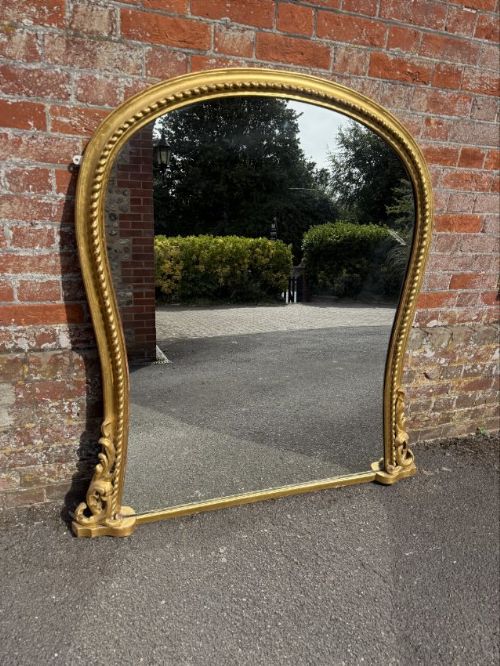


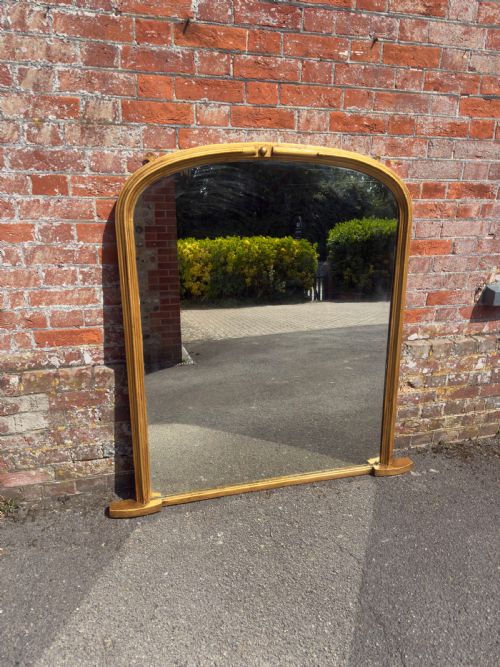
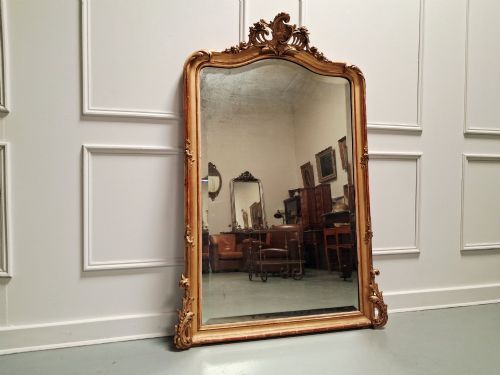
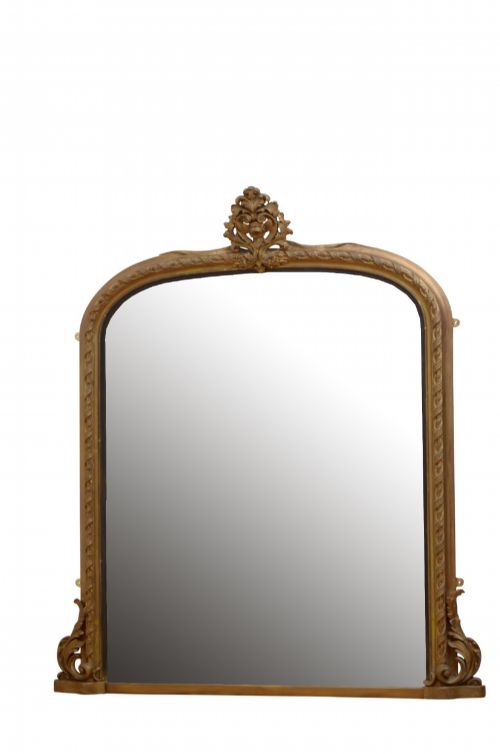
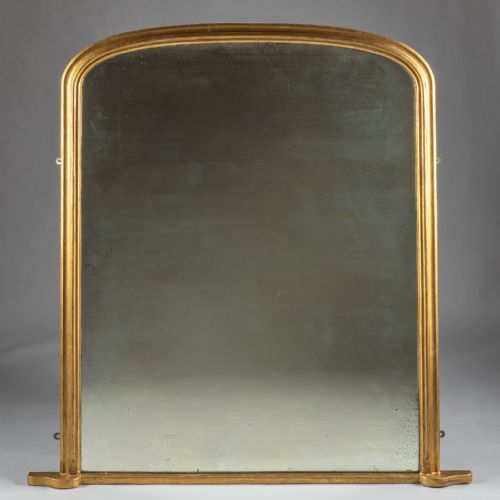
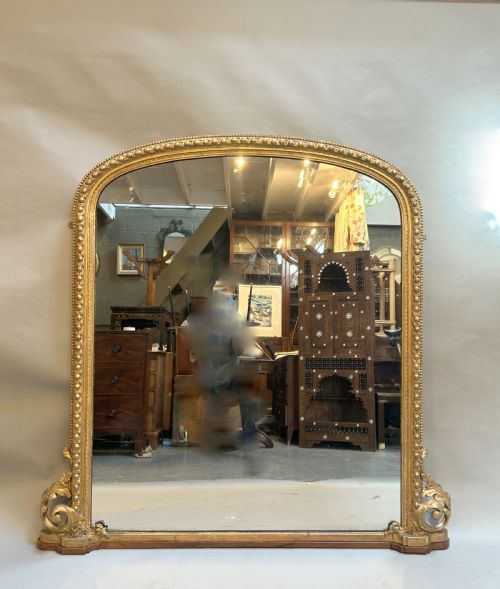
Gilded Arched Mantle Mirror
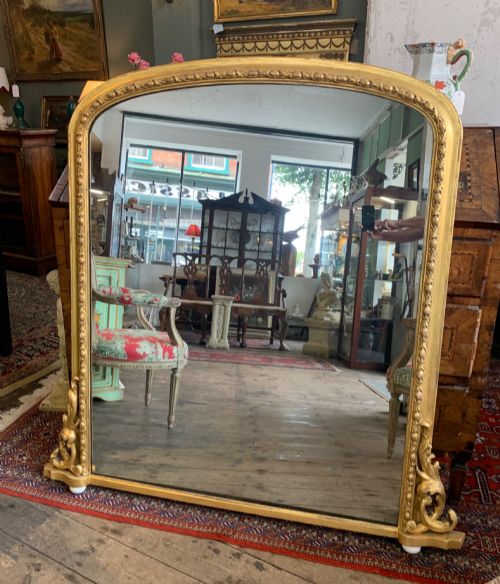
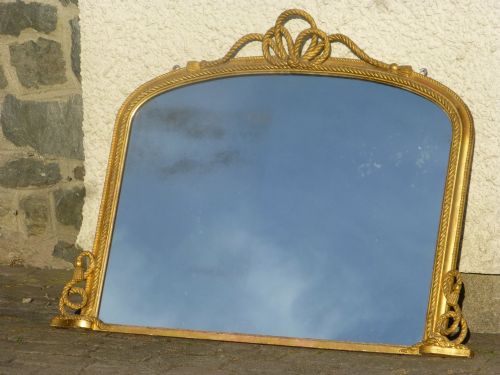
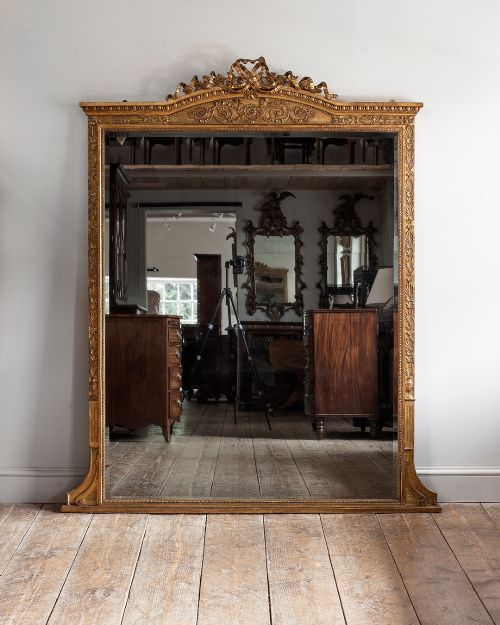
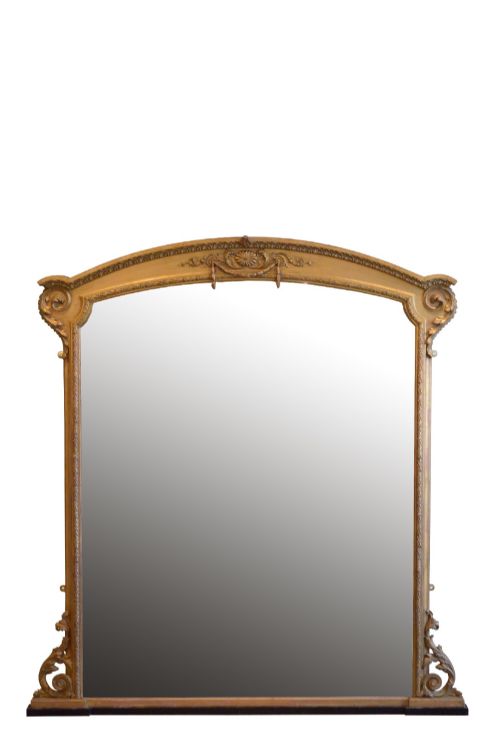
When you seek a gilded arched mantle mirror, you look for a grand Victorian or French overmantel designed to sit above a fireplace and lift a room with reflected light.
Gilded Arched Mantle Mirror
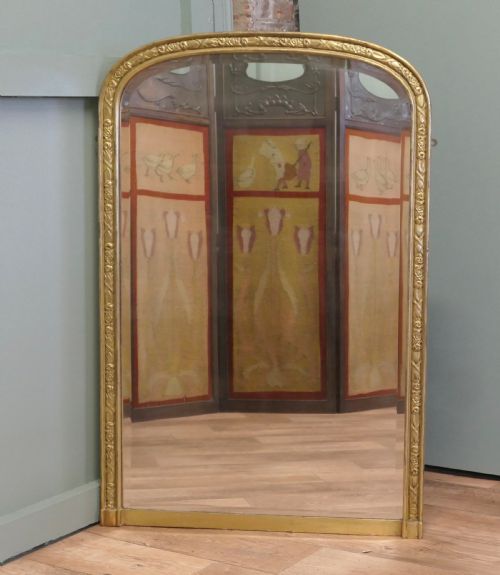
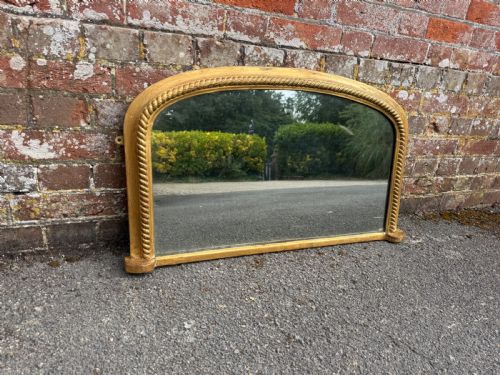
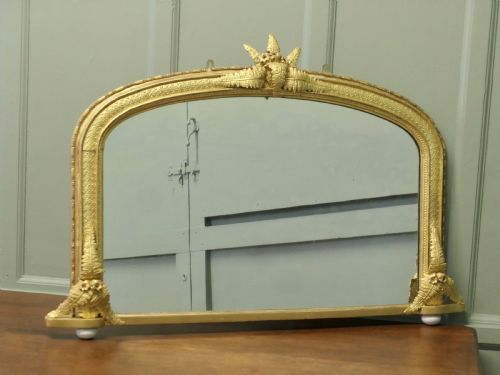
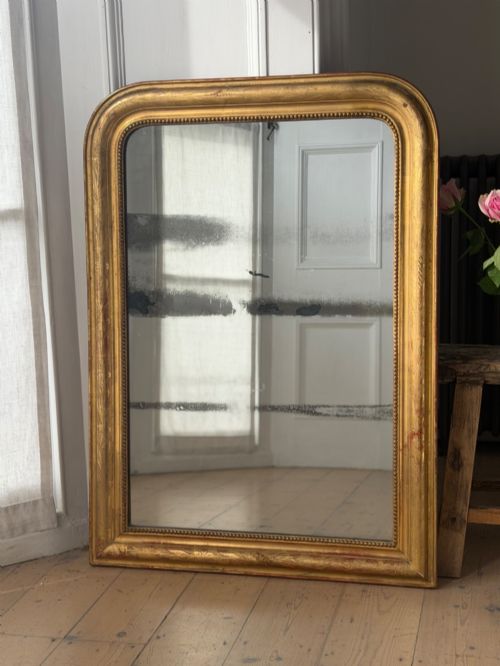
A gilded arched mantle mirror brings a distinct architectural presence to a chimney breast, originating primarily from the nineteenth century in both English and French workshops. These pieces span the Victorian era, alongside French Louis Philippe and Rococo styles, designed originally to bounce daylight around formal reception rooms.
The format typically presents a broad, horizontal or tall arched top, often framed in elaborate gesso and carved wood. You will encounter large statement pieces intended to anchor a room, reflecting both period interior design and practical scale.
Materials and Construction
Carved wood and moulded composition provide the structural foundation for these heavy frames, finished with applied gesso to build up intricate relief ornaments. Artisans then applied gold leaf or liquid gilding over the prepared surfaces to achieve the characteristic metallic sheen.
Glass plates of the period, sometimes featuring mercury backing or later foxing, sit within the rebated frame, secured behind protective wooden backing boards.
Listings feature nineteenth-century pieces spanning the Victorian era alongside French styles like Louis Philippe and Rococo.
Distinctions in Quality
The depth and crispness of the carved wood and moulded gesso decoration separate standard production from finer pieces. Superior examples exhibit sharply defined motifs, such as rope twists, cartouches, or ribbed framing, rather than soft or shallow ornamentation.
The integrity of the original gilding and the preservation of the antique glass plate significantly influence the character of the piece. High-grade specimens retain their original gold leaf layers and show honest age through the glass without structural compromise to the wooden chassis.
The Gilded Arched Mantle Mirror Glossary
- Gesso
- A plaster-like mixture applied to wooden frames to create a smooth surface for gilding and deep relief moulding. It accepts intricate carving details before the application of gold leaf.
- Overmantel mirror
- A large wall mirror specifically proportioned to hang on the wall directly above a mantelpiece or fireplace. They often feature an arched top to echo architectural niches.
- Giltwood
- Timber that has been coated with thin sheets of gold leaf or gold powder. It provides a warm, reflective metallic finish that patinates gently over time.
- Louis Philippe
- A French nineteenth-century style characterised by simple, elegant curves and restrained ornamentation, often featuring a subtle rounded or arched top. It offers a softer alternative to heavily ornate rococo designs.
- Foxing
- Small dark spots or degradation within the silvered backing of antique mirror glass. This chemical ageing process creates a mottled, atmospheric reflection highly prized by collectors.
Gilded Arched Mantle Mirror: Frequently Asked Questions
How do I hang a heavy overmantel mirror safely?
These frames carry substantial weight due to their timber and gesso construction, requiring secure fixing directly into masonry or heavy wall studs using appropriate brackets.
Professional installation is strongly advised to distribute the load evenly and protect both the wall and the antique frame from strain.
Can I place these mirrors above a working fireplace?
Historically, these pieces were designed specifically to sit above hearths, where they drew light from the room and reflected the fire.
Modern functional fireplaces generate heat and soot, so ensure the mantelpiece projects sufficiently to deflect direct hot air away from the wooden frame and gilt surface.
How do I clean antique gilt frames?
Dust the intricate gesso and carved wooden surfaces gently with a soft, dry brush to remove particles without disturbing the delicate gold leaf.
Avoid chemical cleaning products and water entirely, as moisture strips or softens historical gilding and composition ornaments.
What is the difference between English and French nineteenth-century styles?
English nineteenth-century overmantels often lean towards robust Victorian proportions with deep mouldings, rope twists, and heavy architectural presence. French variants, such as Louis Philippe designs, typically favour smoother arched outlines and more restrained, elegant framing.