



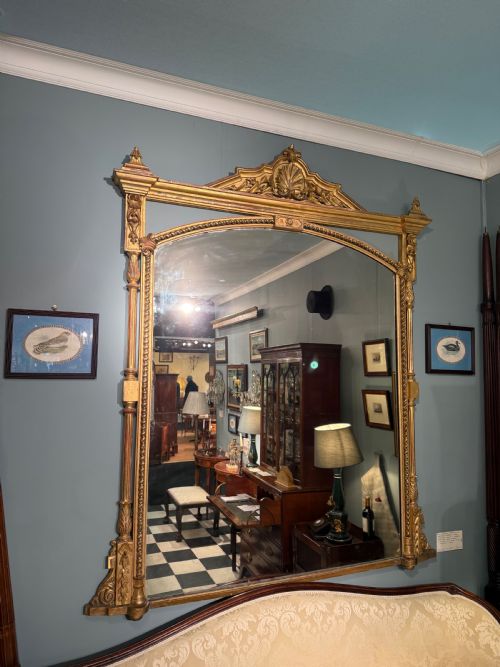
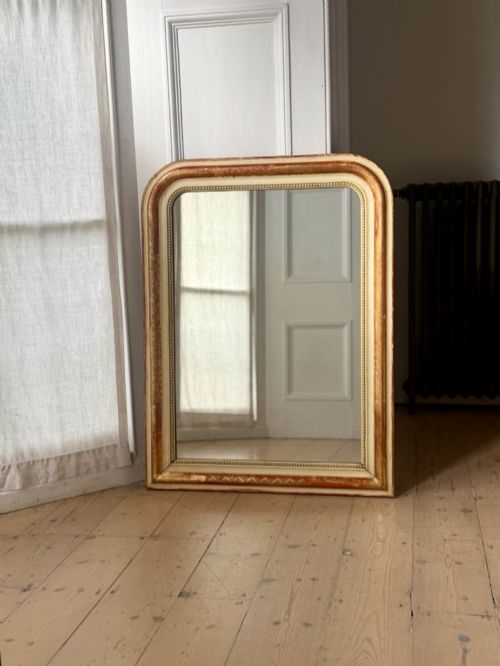
French Arched Mirror
A french arched mirror brings vertical height and reflected light to a room through curved shoulders and traditional framing.
French Arched Mirror
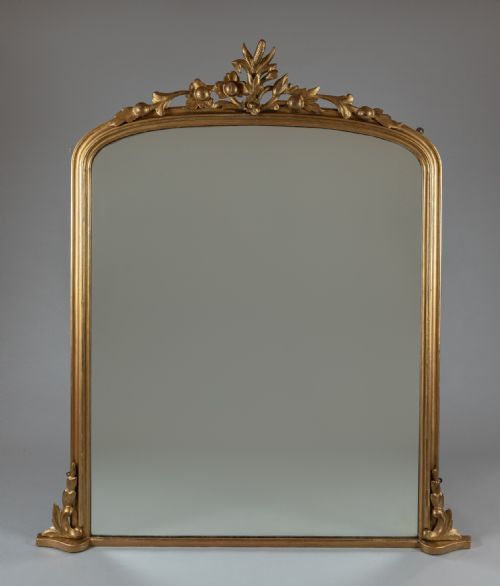
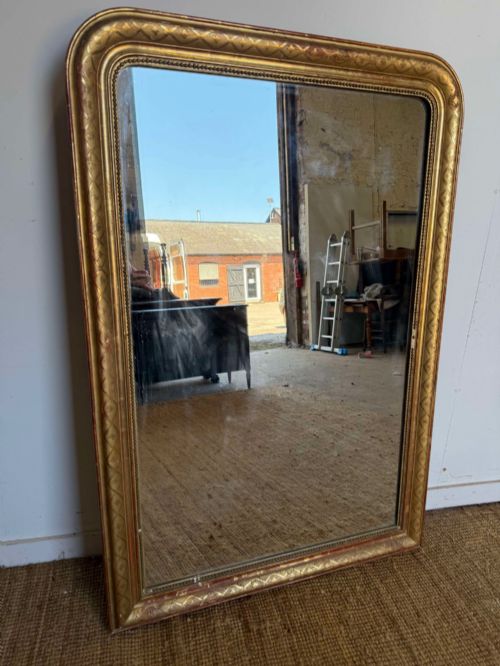
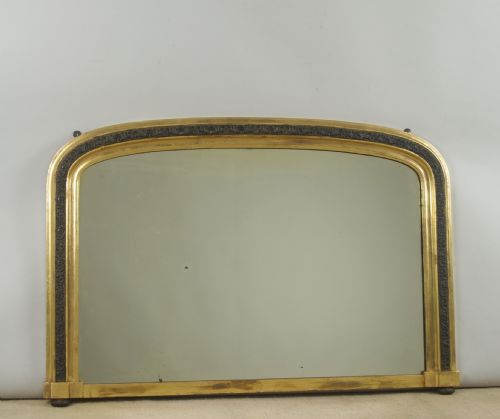
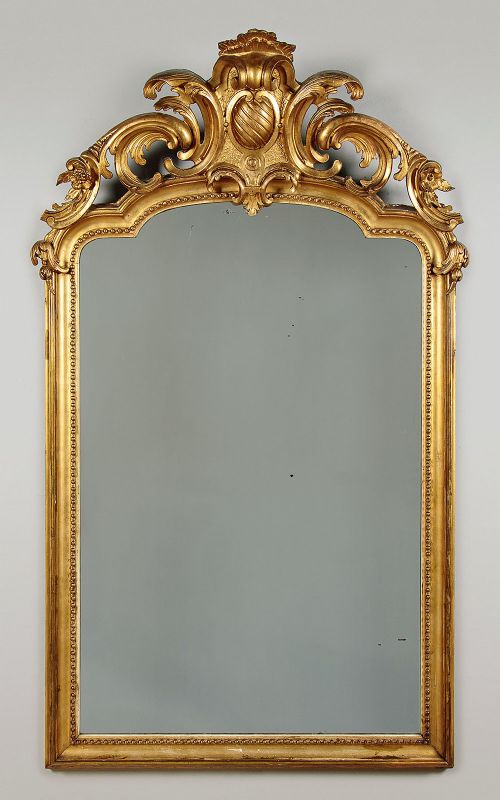
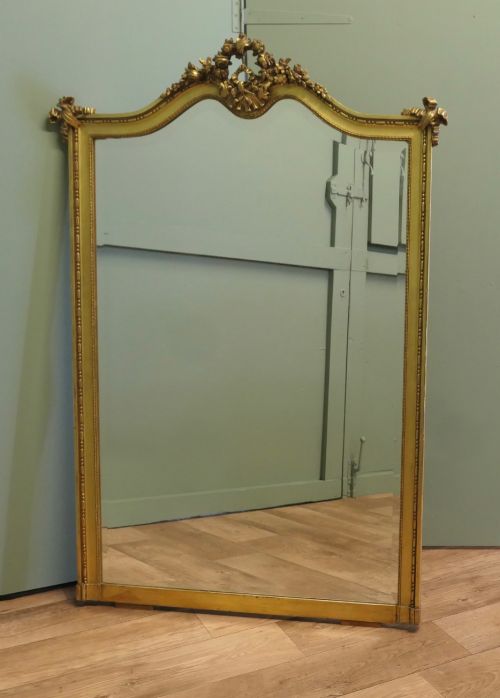
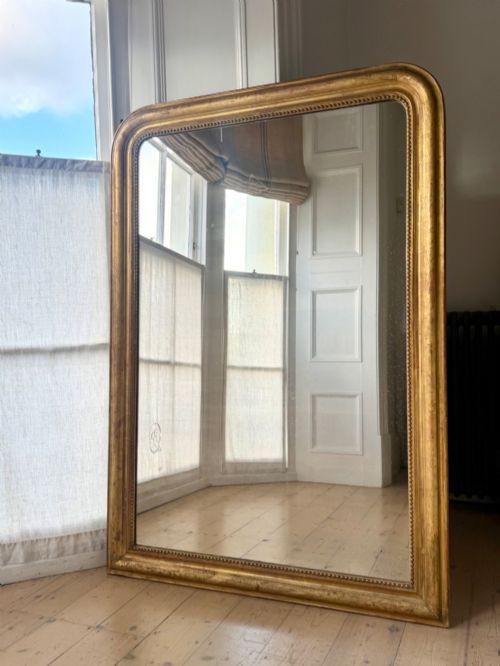
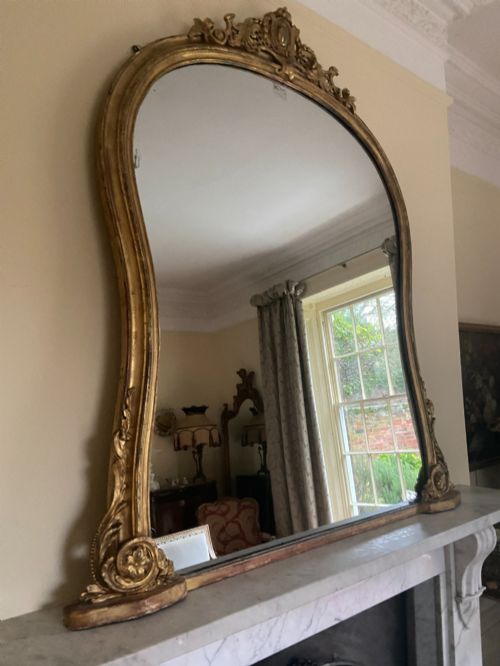
A french arched mirror is defined by its rounded top profile, appearing frequently as an overmantel or wall-hanging piece from the nineteenth century. These items originate from periods such as the Victorian era and the reign of Louis Philippe, reflecting regional French styles like chateau and provincial aesthetics. Buyers look for these items to anchor a room, using the curved crown to soften rectilinear architectural lines.
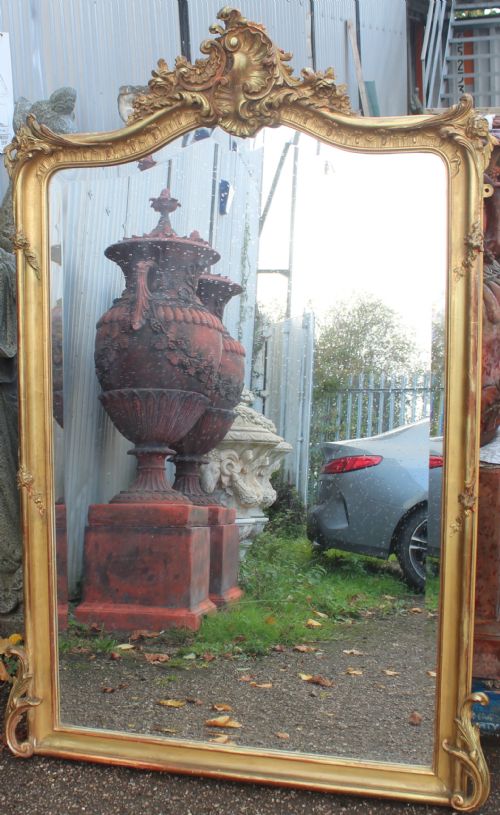
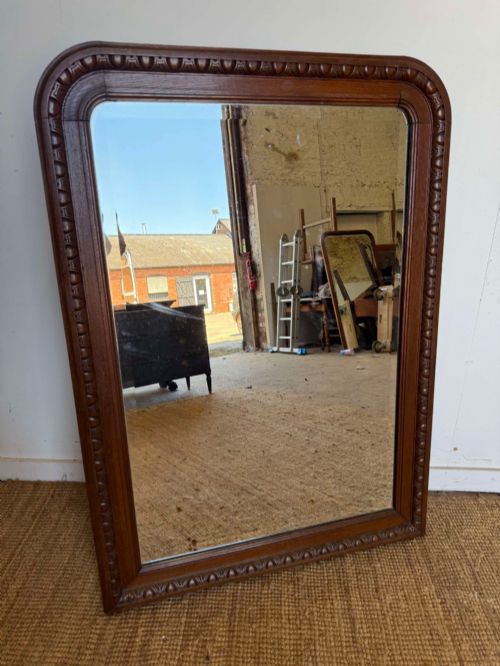
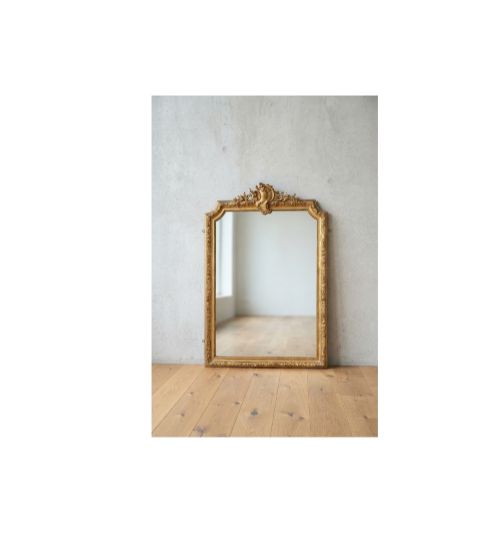
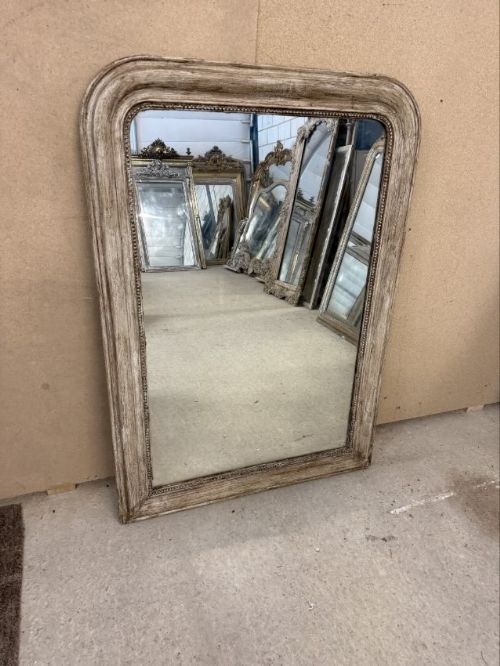
The selection ranges from large architectural overmantel mirrors designed for placement above a fireplace to smaller wall mirrors with carved wooden frames. Many examples display the characteristic rounded or gently sloping shoulder of the Louis Philippe style, alongside ornate Rococo revival details. Formats vary from tall pier glasses intended for narrow wall spaces to broader mantel pieces.
Originating predominantly from the nineteenth century, these objects combine functional reflective glass with decorative wooden and gesso structures. Their proportions allow them to dominate a wall space while maintaining a balanced profile through the arched top. This specific configuration remains a staple for traditional and eclectic interiors.
Materials and construction methods
Makers constructed the primary frames of these mirrors from solid woods such as oak, mahogany, or pine, which provided structural stability for the heavy glass. Carved wooden elements were frequently coated with gesso, a prepared mixture of plaster and glue, to create a smooth surface for subsequent gilding or painting. This layered build allowed artisans to carve intricate floral, leaf, or rope twist motifs onto the frame.
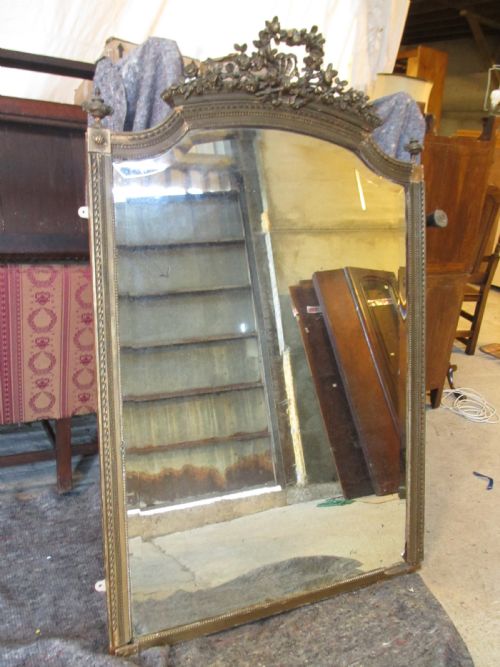
Surface decoration relied heavily on gold leaf application or painted finishes, including layered palettes of lilac, ink blue, or black alongside traditional gilt. The reflective panels themselves consisted of silvered mirror glass or mercury glass, the latter often showing characteristic foxing spots over time. Artisans secured these heavy glass plates within the rebated wooden frames using traditional backing boards.
French Arched Mirror Retail Price Guide 2026
Typical asking prices for french arched mirror among the pieces listed under this phrase on Sellingantiques today, from the lower quarter to the upper quarter. They describe what is for sale here now, not the wider market.
Listings feature nineteenth-century pieces incorporating materials such as giltwood, gesso, and mercury glass across Louis Philippe and Rococo revival styles.
Distinguishing quality in period mirrors
The standard of carving determines much of the distinction between individual pieces, separating crisp, deep hand-carved floral and leaf motifs from softer, shallower moulded details. Originality of the surface finish plays an equally critical role, with undisturbed historic gilding or original painted layers holding greater integrity than later overpainting. The depth and definition of the gesso work beneath the gold leaf dictate how well the ornamental details retain their sharpness.
The condition and age of the glass plate contribute significantly to the character and desirability of the mirror. Original mirror glass exhibiting natural foxing and oxidation demonstrates period authenticity, whereas modern replacement glass alters the visual depth. Furthermore, the structural joinery of the heavy wooden frame and the intact nature of the original backboards indicate superior workshop construction.
The French Arched Mirror Glossary
- Gesso
- A mixture of gypsum, chalk, and glue applied to wooden frames to provide a smooth base for gilding or painting. This compound allowed artisans to achieve sharp, detailed relief ornamentation.
- Foxing
- The natural process of oxidation and age spots appearing within the silver backing of antique mirror glass. This chemical change creates characteristic dark patches that verify the age of the glass plate.
- Louis Philippe
- A nineteenth-century French style characterised by restrained curves, rounded top corners, and minimal ornamentation. This design offers a softer alternative to heavily embellished Rococo framing.
- Overmantel Mirror
- A large horizontal or vertical mirror specifically proportioned to hang on the wall directly above a fireplace mantel. These pieces frequently feature architectural crestings to balance the fireplace below.
- Pier Mirror
- A tall, narrow mirror designed to hang on the expanse of wall between two windows, known as the pier. These items often incorporate lower console dimensions or slender vertical frames.
French Arched Mirror: Frequently Asked Questions
Where should an arched mirror be hung?
These mirrors traditionally mount above a fireplace mantel as an overmantel piece, where their height draws the eye upward. They also function effectively on main living room walls to reflect natural light and create an illusion of greater room depth.
When positioning the piece, ensure the weight is properly supported by wall studs or masonry anchors due to the heavy combination of wood, gesso, and glass. The curved top profile looks particularly striking when paired with high ceilings or centered between architectural elements.
What is Louis Philippe style?
The Louis Philippe style emerged in nineteenth-century France, favoring understated elegance over the excessive ornamentation of earlier periods. These items typically feature plain veneered or painted wood frames with a gentle arched shoulder at the top.
This aesthetic suits modern interiors well because the clean lines and subtle curves blend easily with diverse decor schemes. The lack of heavy carving prevents the frame from overpowering smaller rooms while retaining period character.
How do I identify original mercury glass?
Original mercury glass displays characteristic speckling, dark spots known as foxing, and a slightly distorted reflection due to historic manufacturing techniques. These visual irregularities occur naturally as the backing materials age over decades.
Modern replacement glass appears uniformly clear, flat, and lacks the atmospheric depth found in nineteenth-century plates. Examining the back of the glass and the frame fixings often reveals whether the plate has remained undisturbed since manufacture.
How do I clean an antique frame?
Dust giltwood and painted frames gently using a soft, dry brush to prevent damage to fragile gesso and gold leaf layers. Avoid using commercial cleaning sprays, wet cloths, or abrasive materials that can strip historic finishes from the wood.
For the mirror glass itself, apply a mild glass cleaner to a cloth rather than spraying directly onto the surface, ensuring liquid does not seep behind the frame edges. Regular gentle maintenance preserves both the wooden structure and the delicate surface patination.