
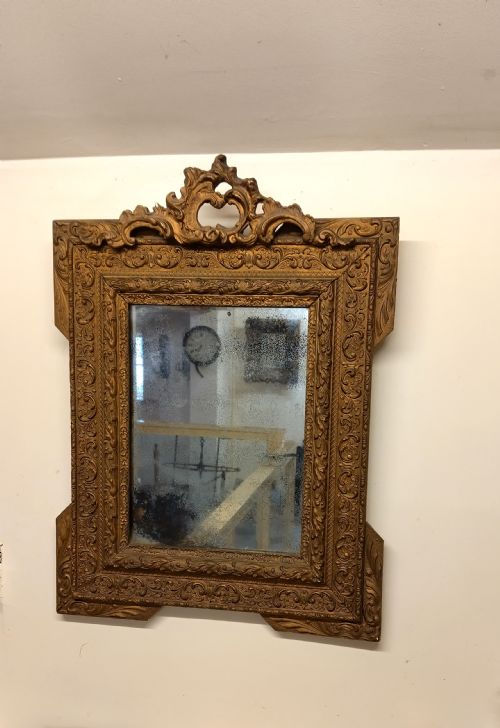
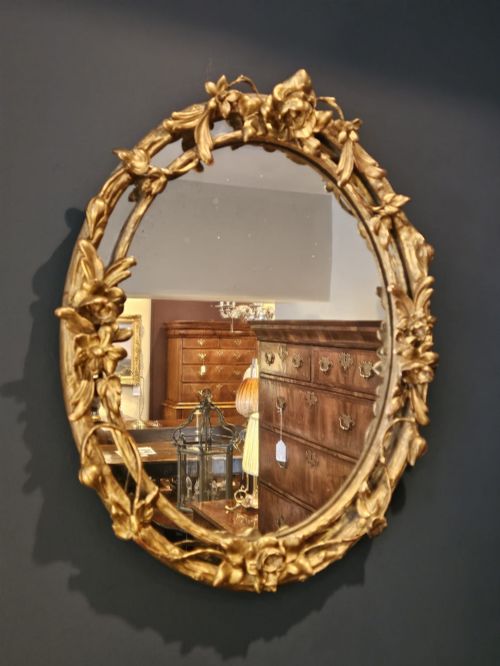
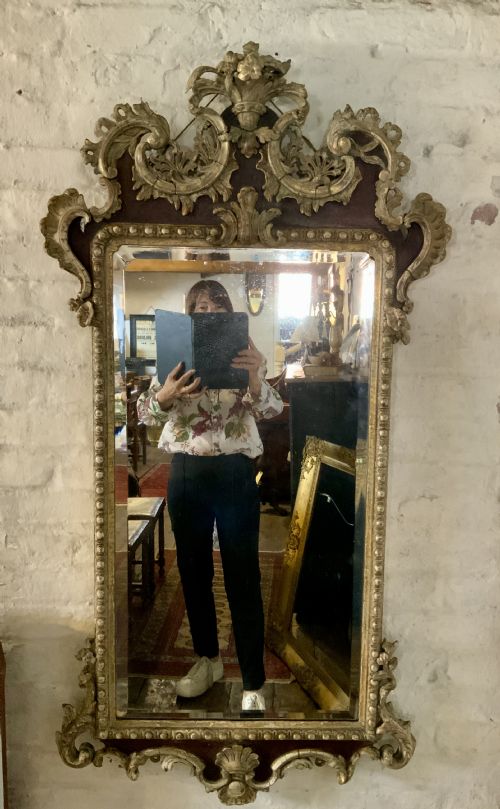
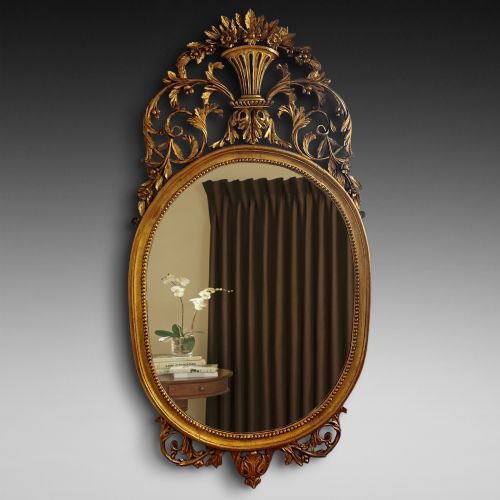
Giltwood Hanging Mirror
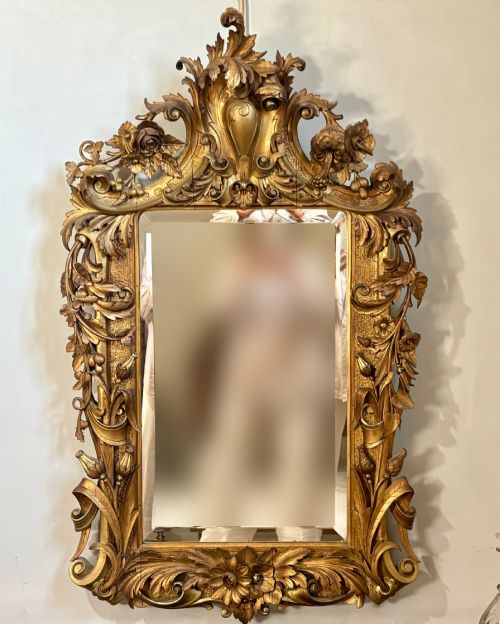
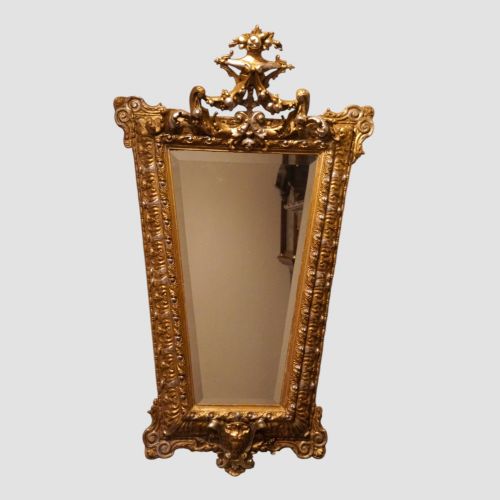
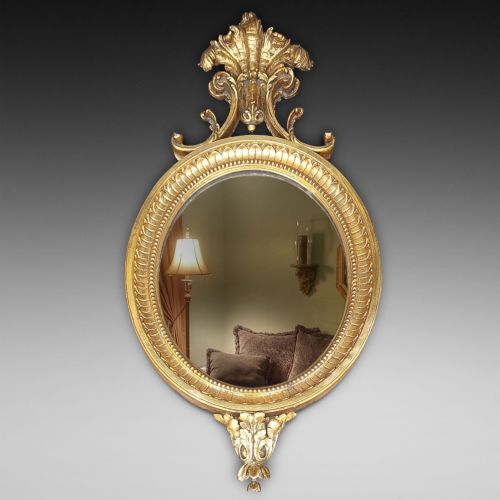
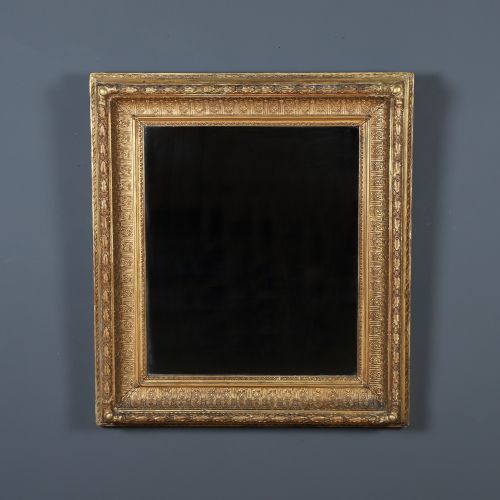
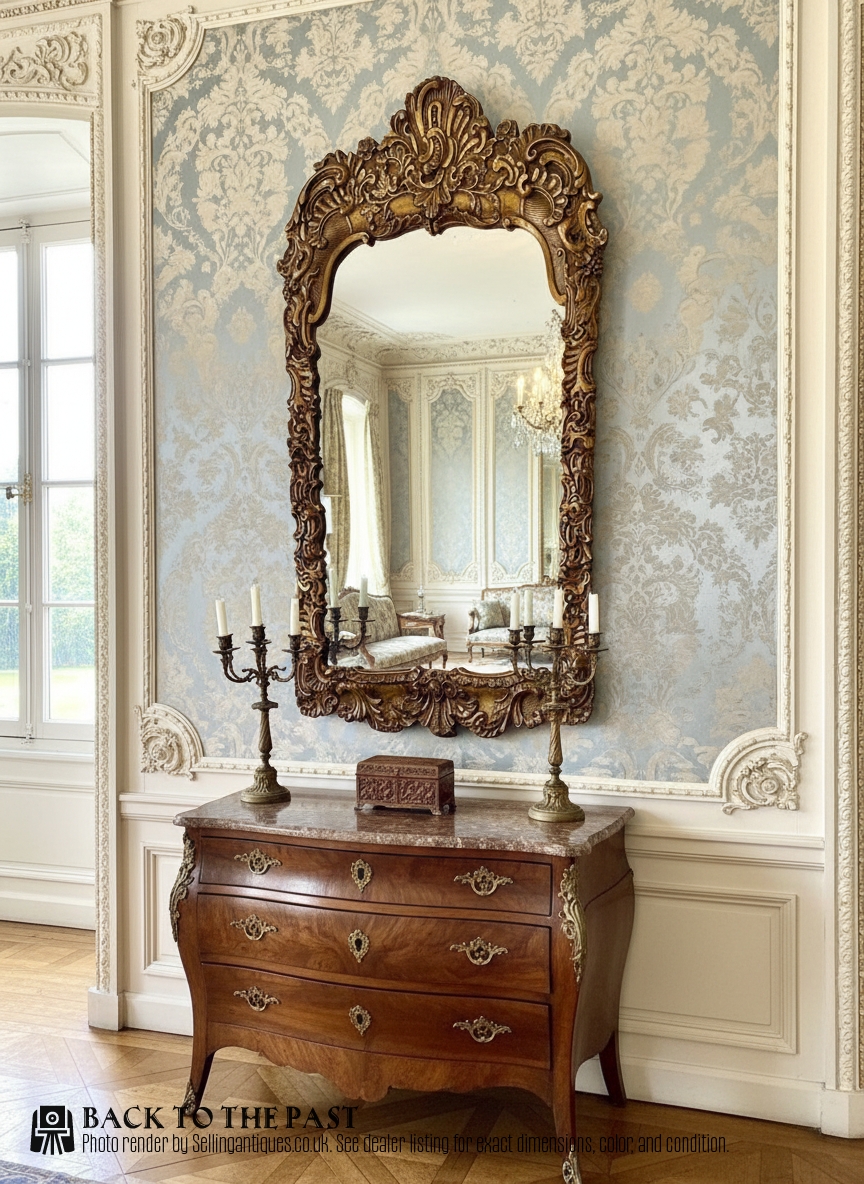
A giltwood hanging mirror brings immediate light and a sense of architectural volume to a room through traditional gilding on carved wood.
What these pieces are
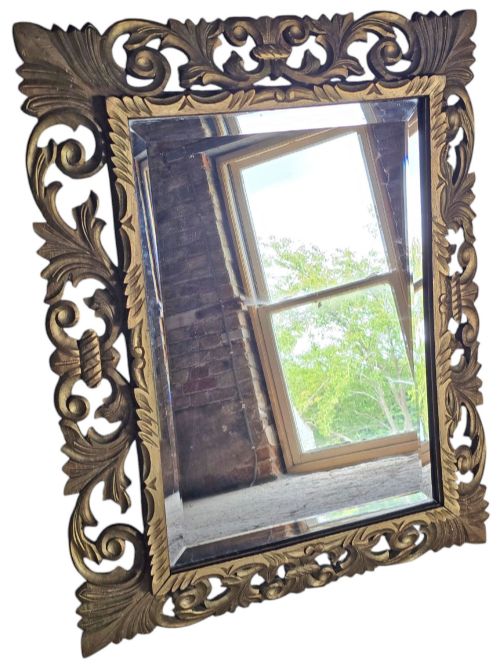
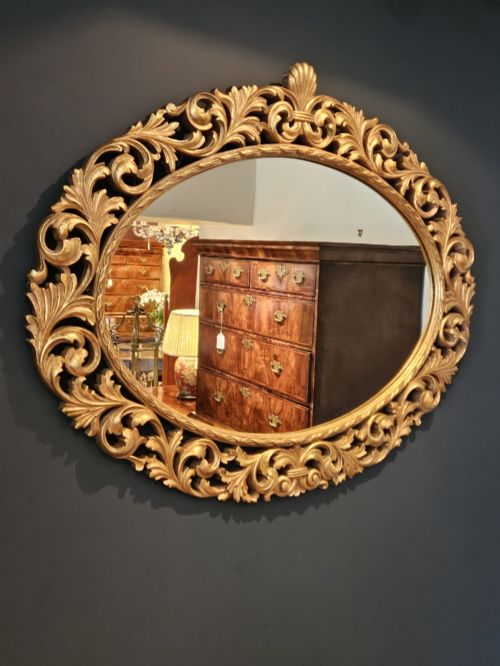
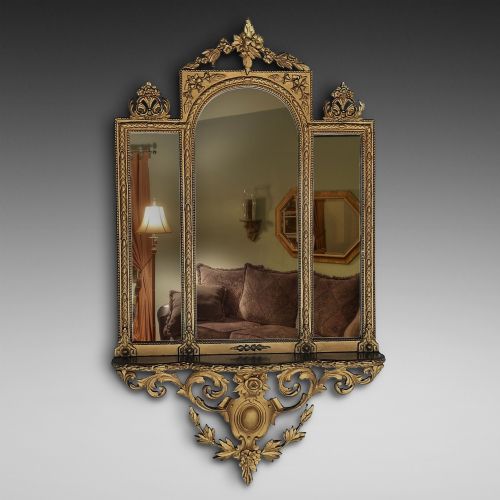
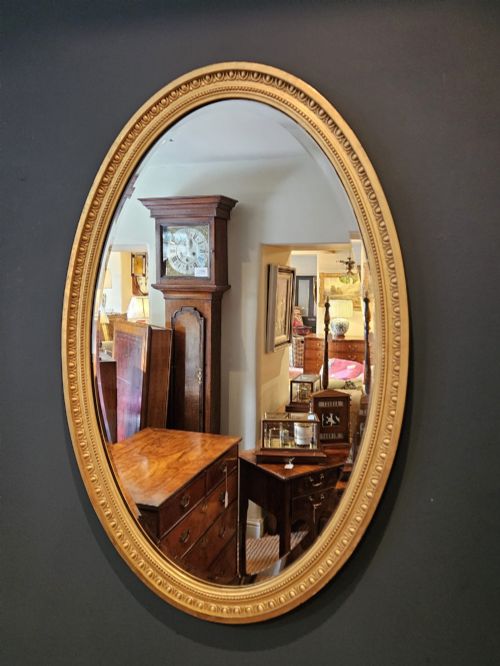
A giltwood hanging mirror represents a long tradition of decorative wall furnishings designed to reflect light and ornament interiors. The pieces gathered under the search phrase giltwood hanging mirror span several distinct historic periods from the early eighteenth century through the twentieth century.
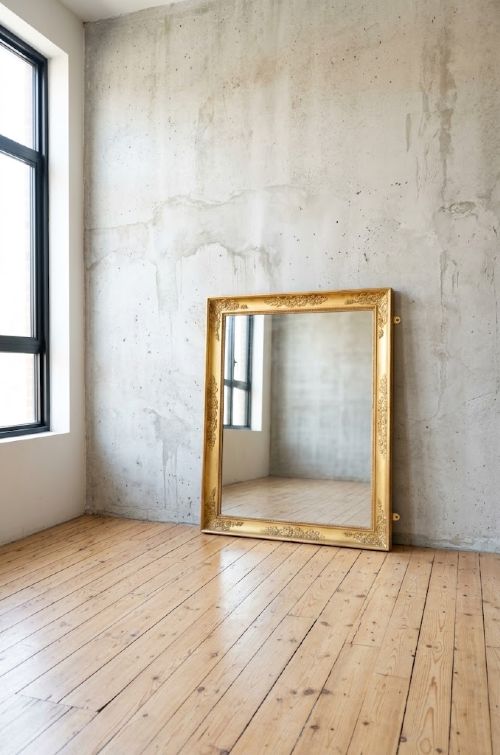
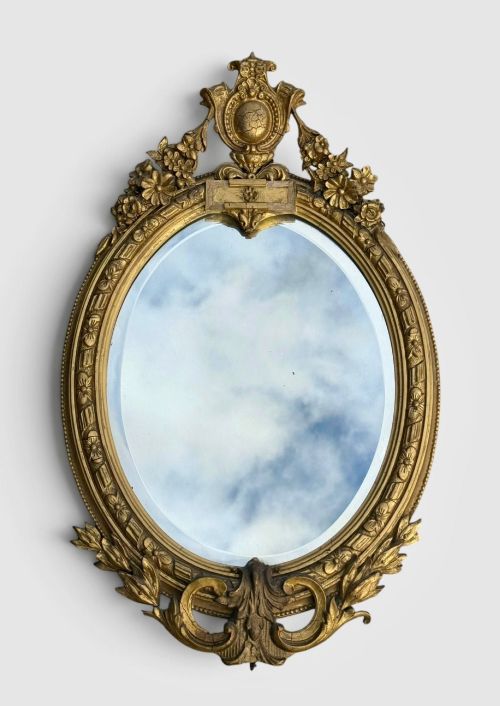
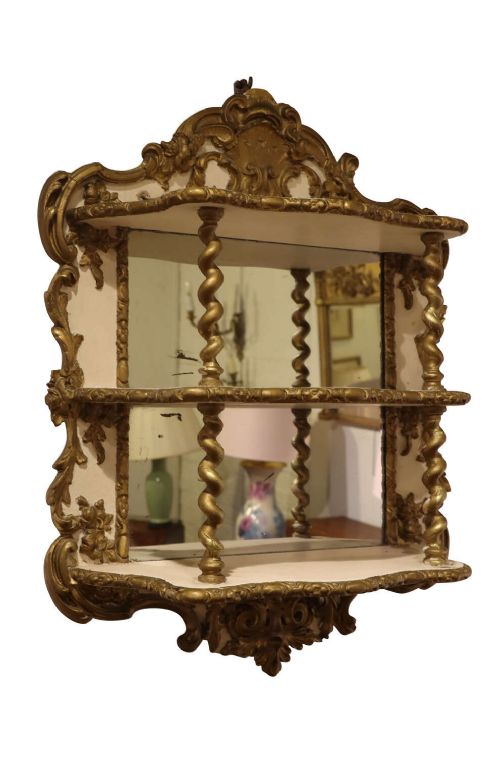
Buyers encounter various formal iterations ranging from tall pier mirrors to large oval formats and elaborate rococo revival shapes. Each piece utilises a wall-hanging format designed to serve as a focal point within a domestic interior.
How they were made
The construction of these mirrors relies on a wooden substrate built to support the weight of heavy plate glass. Artisans applied layers of gesso to smooth the wooden or carved surface before adding fine detail work.
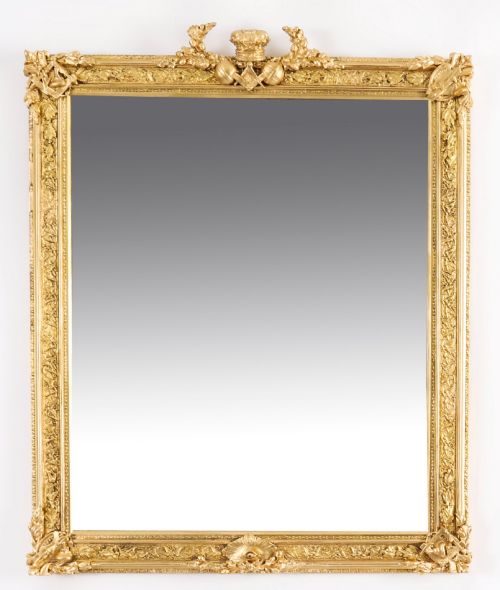
Surface decoration frequently involves the application of composition ornamentation or direct carving. Craftsmen then applied gold leaf to the prepared surfaces to achieve the characteristic metallic sheen associated with giltwood.
Reflective elements utilise traditional mirror glass set securely within the decorated frames. The combination of timber, gesso, and gold leaf creates the layered tactile quality visible across the listed pieces.
Retail Price Guide 2026
Typical UK retail prices for giltwood hanging mirror, calculated from the Sellingantiques database of over a million retail prices indexed since 2003. This retail price guide relies exclusively on Sellingantiques data; no external sources or auction records are used, so the figures do not describe the wider market.
Every giltwood mirror harbours a tiny graveyard of trapped eighteenth-century dust beneath ten layers of old gold leaf.
What varies in quality
Quality in these mirrors rests upon the crispness of the original carving and the depth of the gilding technique. Finer examples display sharp detail in the gesso and composition work, whereas simpler pieces show softer contours and heavier application layers.
The condition and character of the mirror glass itself contribute significantly to the overall merit of the piece. Older plates often exhibit subtle foxing and distortion that denote age, while later replacements present a clearer, more uniform reflection.
The Giltwood Hanging Mirror Glossary
- Giltwood
- Wood that has been coated with gold leaf or a metallic substitute. This finish provides the bright, reflective surface characteristic of formal antique mirrors.
- Gesso
- A plaster-like mixture applied to wood frames to create a smooth surface for carving and gilding. It allows for intricate relief ornamentation.
- Composition
- A mouldable mixture of whiting, resin, and oil pressed into ornaments and applied to frames. It offers an efficient alternative to hand-carved wood details.
- Pier mirror
- A tall mirror specifically designed to hang on the wall space between windows. These pieces often maximise natural light in period rooms.
- Rococo Revival
- A nineteenth-century design movement inspired by the fluid, asymmetrical curves of the French Rococo style. It appears frequently on ornate Victorian mirror frames.
Frequently Asked Questions
How do I hang a heavy giltwood mirror safely?
These frames require secure attachment to solid wall studs using appropriate fixings rated for the weight of the timber and glass.
Professional mirror hangers often utilise split battens or heavy-duty D-rings to distribute the load evenly across the wall structure.
What causes the dark spots on antique mirror glass?
Ageing causes the silver backing behind the glass to oxidise and degrade over decades of environmental exposure.
This natural process creates speckled marks known as foxing, which collectors view as an indicator of authenticity.
How should I clean a giltwood frame?
Dusting requires a soft, dry brush to prevent abrasive particles from scratching the delicate gold leaf surface.
Moisture and modern chemical cleaners must be avoided entirely to protect the underlying gesso and historic gilding from permanent damage.
How do I distinguish a Regency mirror from a Victorian one?
Regency pieces typically feature restrained neoclassical motifs, architectural lines, and bold proportions influenced by ancient Greek and Roman design.
Victorian revival pieces, by contrast, tend towards heavier ornamentation, deep relief moulding, and exuberant rococo or baroque curves.