

Antique Gilt Glass
When you handle antique gilt glass, you hold pieces where reflective surfaces meet centuries of gold leaf and mercury backing.
Antique Gilt Glass
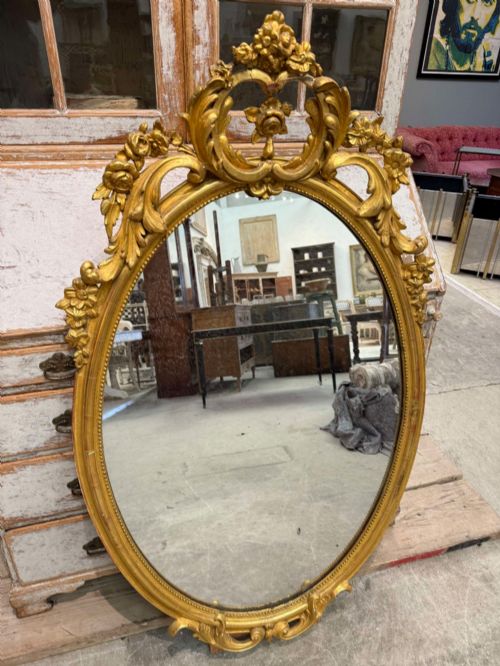
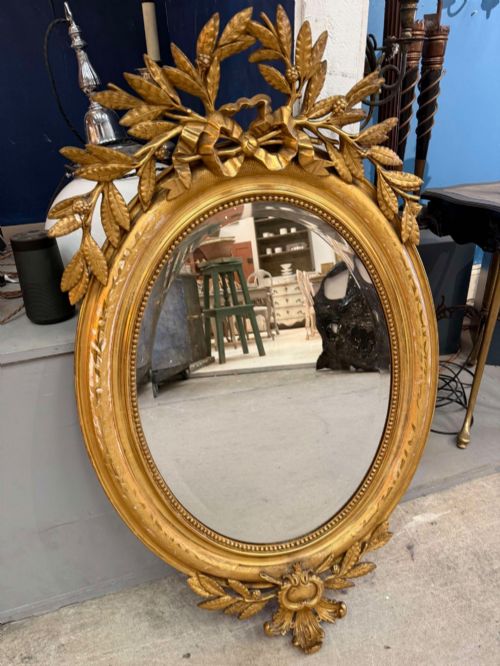
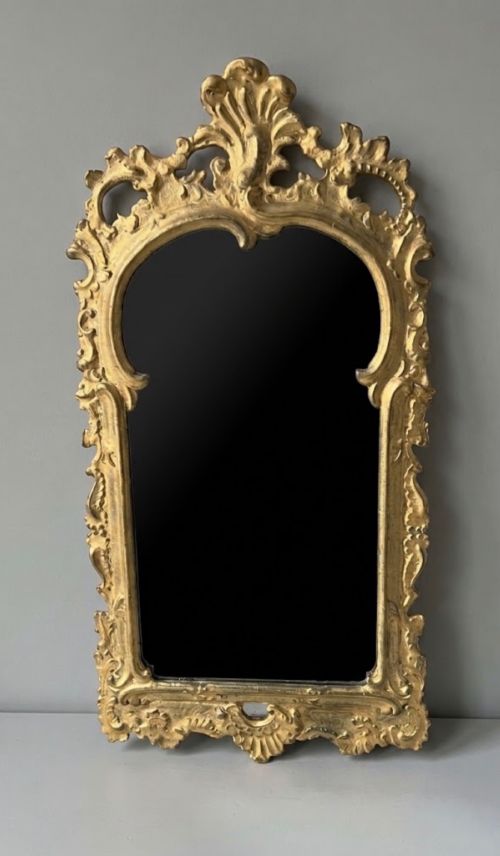
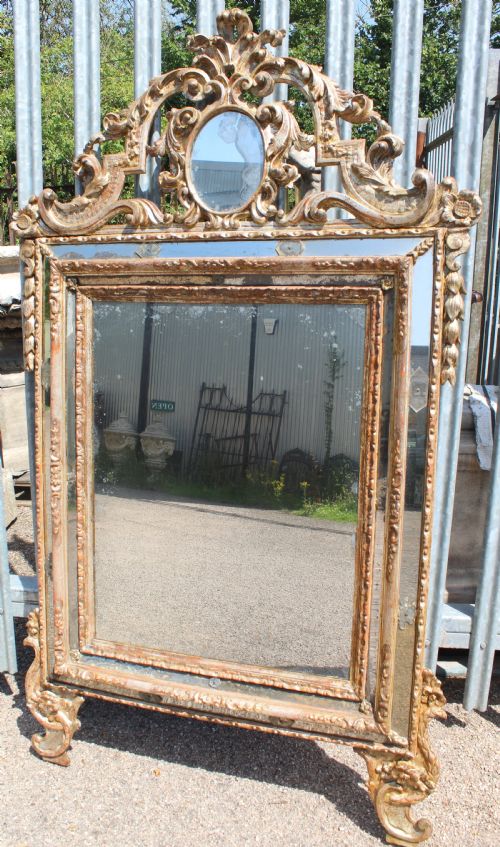
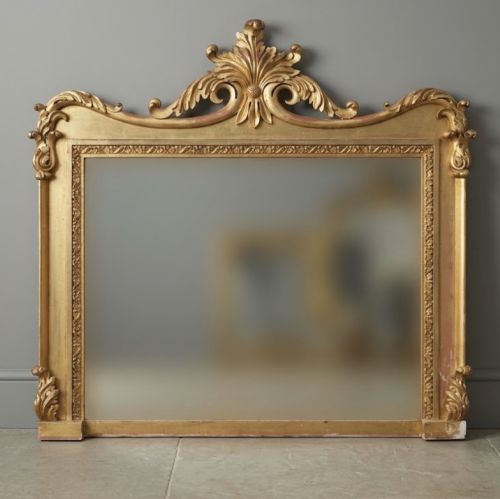
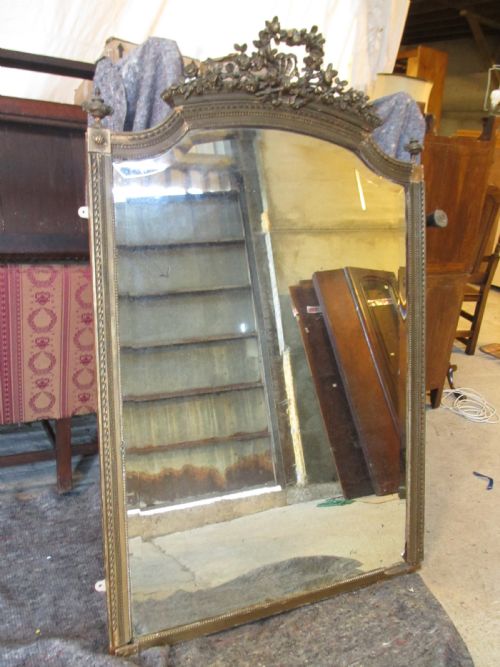
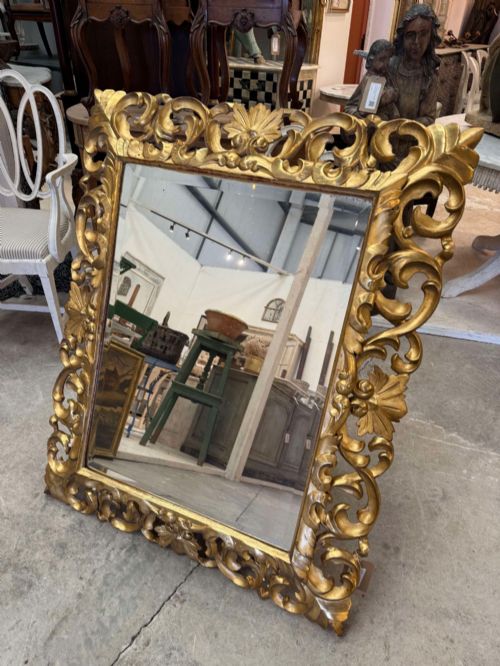
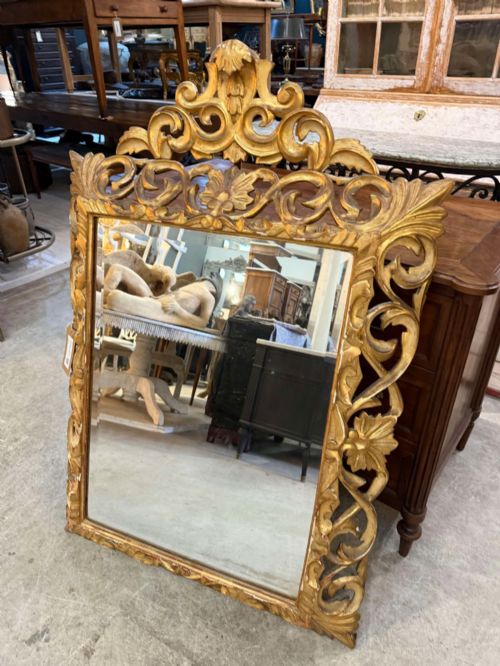
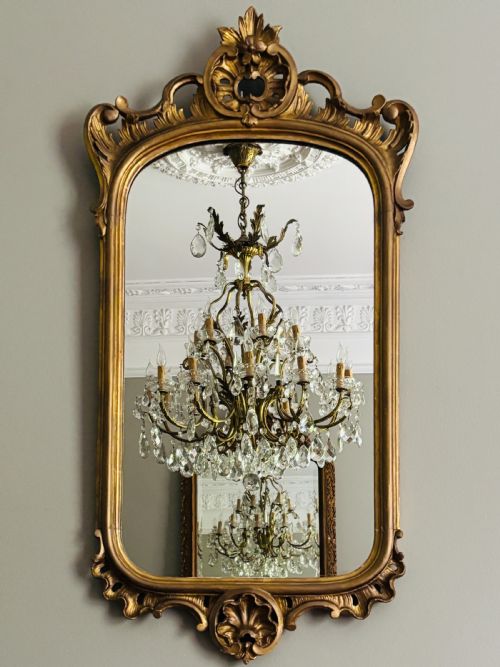
The search for antique gilt glass directs attention to items where gilded frames or applied gold ornamentation accompany glass elements. Wall mirrors, overmantel mirrors, and decorative glassware dominate the selection available.
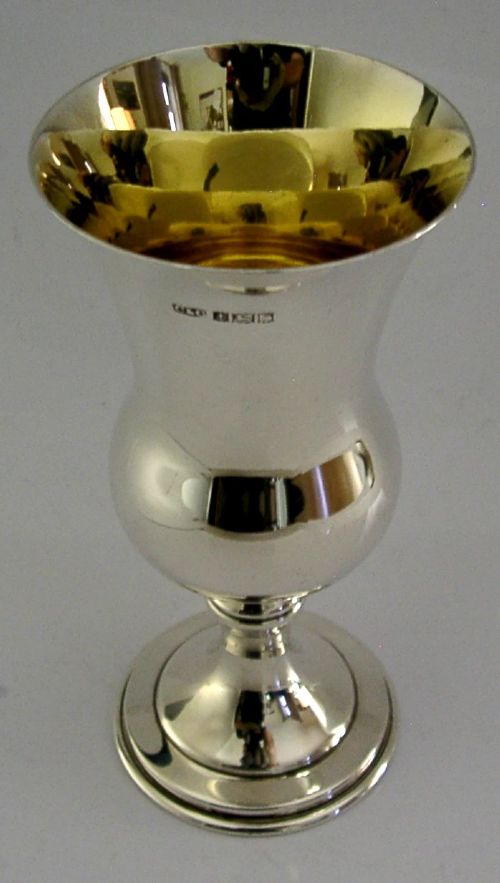
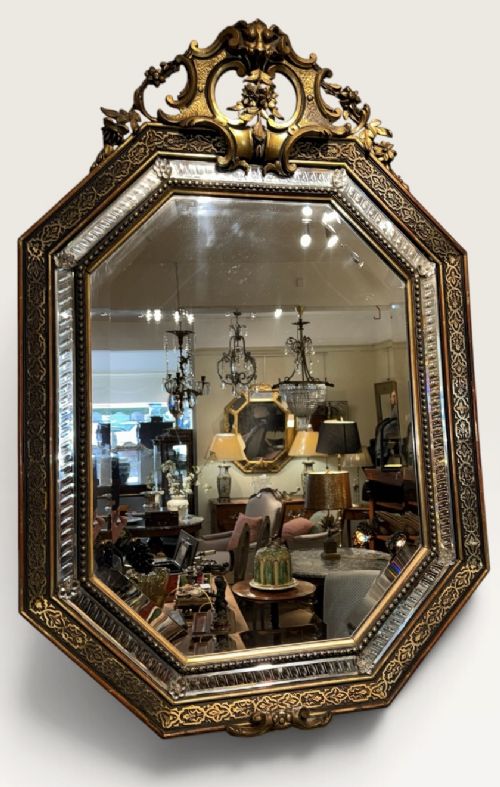
Buyers encounter items originating from the eighteenth, nineteenth, and early twentieth centuries, with French and English examples appearing frequently. These pieces range from large carved wood and gesso wall mirrors to delicate glass vessels with painted gilt details.
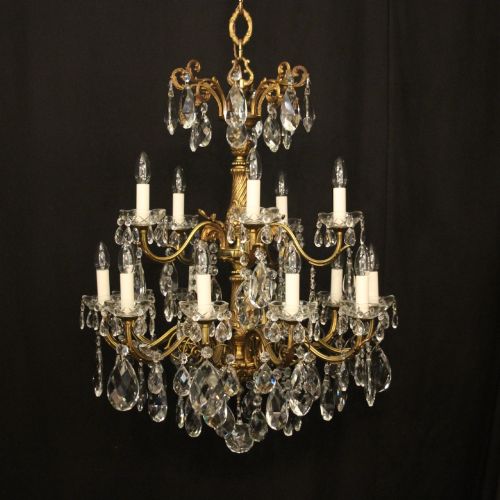
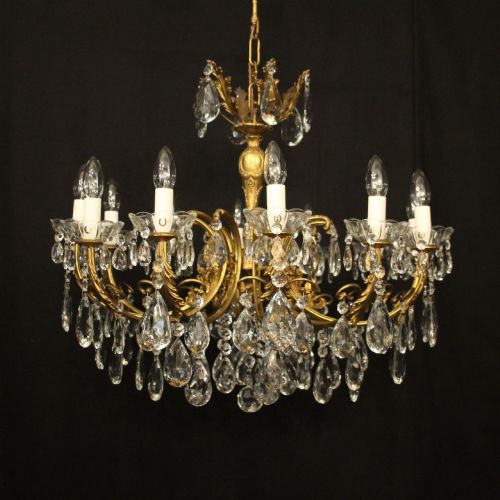
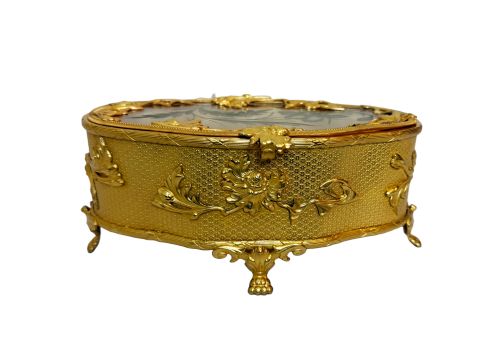
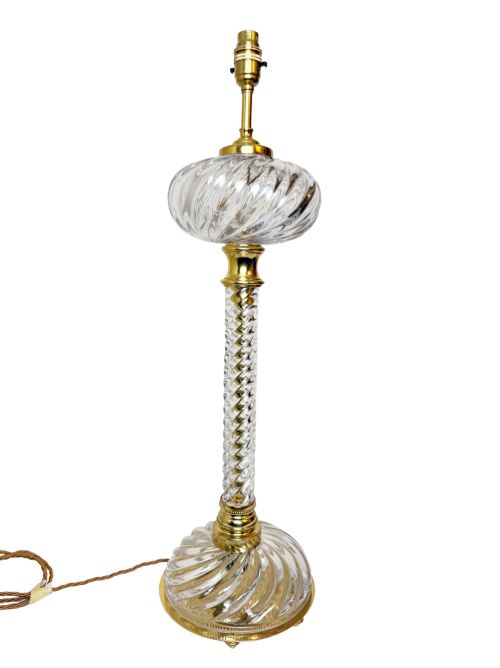
Mirrors set within gilded frames or bearing mercury glass plates form the core of what is found in this category. Glass tableware and lighting fixtures incorporating gilt bronze or brass also represent this stylistic group.
Materials and construction methods
Carved wood and gesso provide the structural foundation for many of the frames, built up in layers before the application of gold leaf. Craftsmen utilised glass plates, often silvered with mercury or bevelled by hand, set securely within these surrounds.
Gilt bronze, brass, and gilt metal serve as mounts and structural components for lighting and decorative objects. Artisans combined these metallic elements with blown glass, crystal, and opaline glass to create functional items with reflective surfaces.
Antique Gilt Glass Retail Price Guide 2026
Typical asking prices for gilt glass among the pieces listed under this phrase on Sellingantiques today, from the lower quarter to the upper quarter. They describe what is for sale here now, not the wider market.
Listings feature items from the eighteenth, nineteenth, and early twentieth centuries, utilising materials such as gesso, giltwood, and crystal.
What separates quality tiers
Depth and precision in the hand-carving of the wooden frames and the purity of the gold leaf application distinguish superior examples. Heavy, robust timber foundations and crisp gesso mouldings indicate high workshop standards during production.
The condition and age of the glass plate itself play a significant part in the character of the piece. Original mercury backing, clear bevel edges, and intact hand-painted gilt motifs separate better-preserved items from later replacements.
James Giles·Asprey and Co. Ltd·Charles Spooner
The Antique Gilt Glass Glossary
- Mercury glass
- A double-walled blown glass filled with a silvering mixture and sealed at the bottom. This process creates a reflective, mirror-like finish distinct from modern vacuum deposition.
- Gesso
- A plaster mixture applied to carved wooden frames to provide a smooth, responsive surface for gilding. Artisans shape and ornament this layer before applying gold leaf.
- Overmantel mirror
- A large horizontal looking glass designed to hang above a fireplace mantel. These pieces often feature elaborate arched or rope-twist frames from the nineteenth century.
- Pier glass
- A tall, narrow mirror designed to hang on the wall space between windows. These mirrors frequently coordinate with console tables placed directly beneath them.
- Vernis Martin
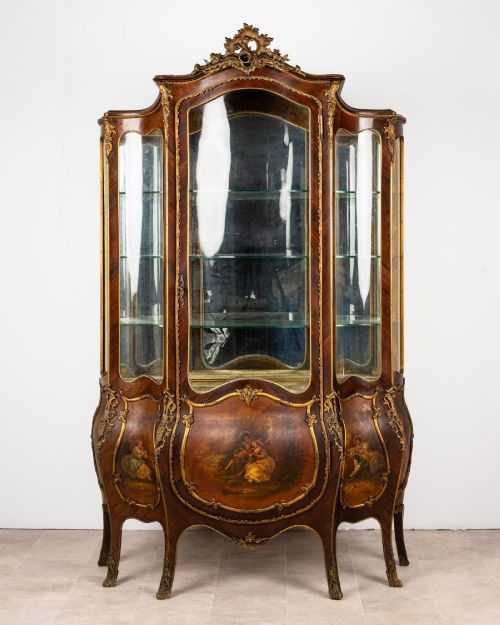
- A type of decorative japanning and varnishing technique developed in France. It imitates Asian lacquerwork and appears on cabinets and furniture associated with gilt elements.
Antique Gilt Glass: Frequently Asked Questions
How do I clean antique gilt glass?
Dust the frame gently with a soft brush to protect the delicate gold leaf surfaces. Avoid chemical cleaners entirely.
Clean the glass plate using a lint-free cloth dampened lightly with water. Keep moisture away from the edges where the backing meets the frame.
What is mercury glass?
Mercury glass is a double-walled blown glass object coated on the interior with a silvering solution. The substance creates a reflective, mirror-like appearance inside the clear glass walls.
Despite the traditional name, the manufacturing process typically utilised a mixture of silver and other metals rather than liquid mercury.
Where should I hang an overmantel mirror?
Hang the mirror centrally above a fireplace mantel to reflect light and anchor the room visually. Ensure the wall fixings support the considerable weight of the carved wood and glass.
Consider the height of the ceiling and surrounding furniture when positioning the piece. Proper placement enhances the proportions of the interior space.