


Regency Mantel Mirror
A regency mantel mirror brings weight and proportion to a room, sitting low on the chimney breast to reflect light across the floor.
Defining the regency mantel mirror
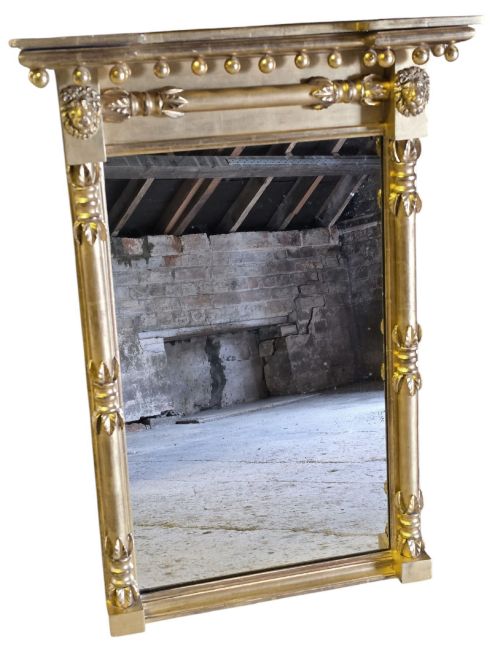
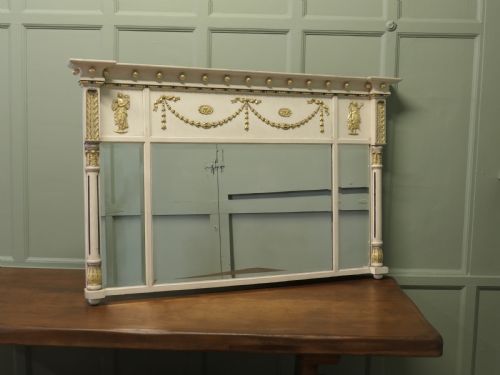
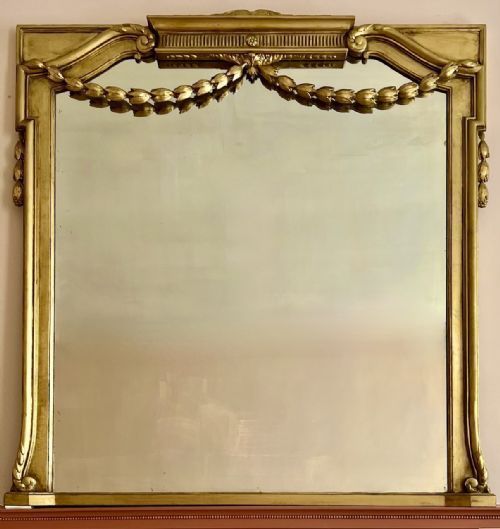
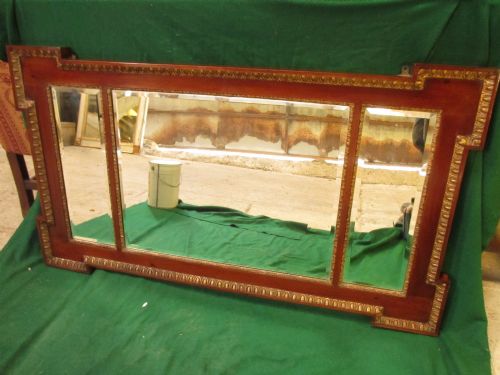
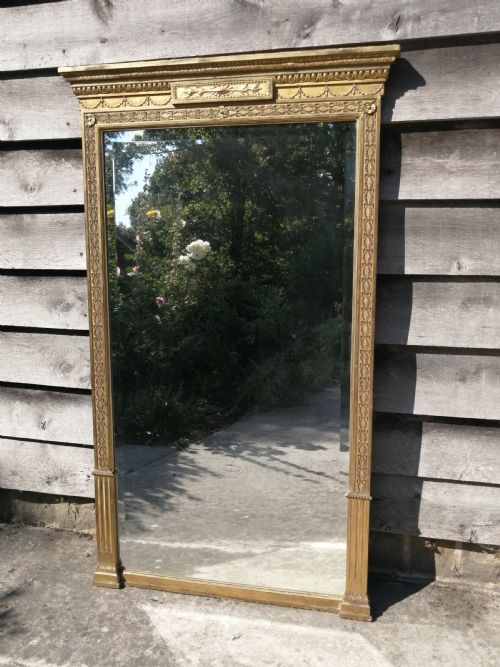
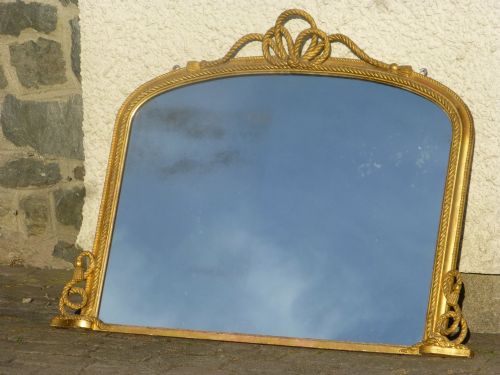
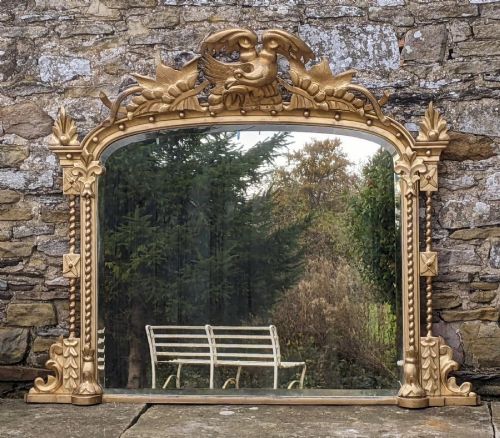
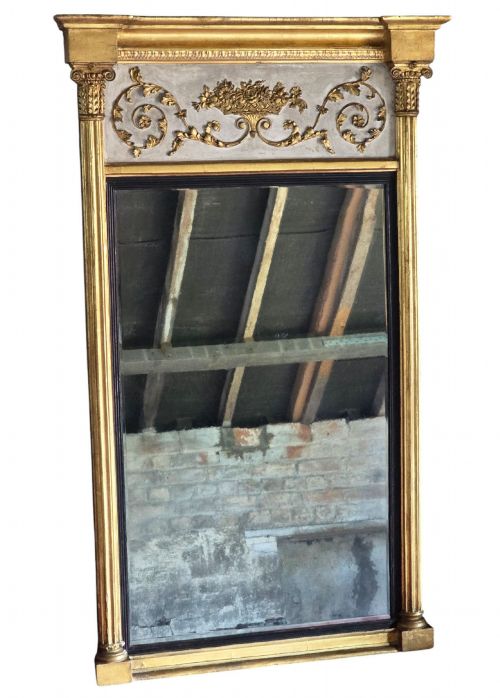
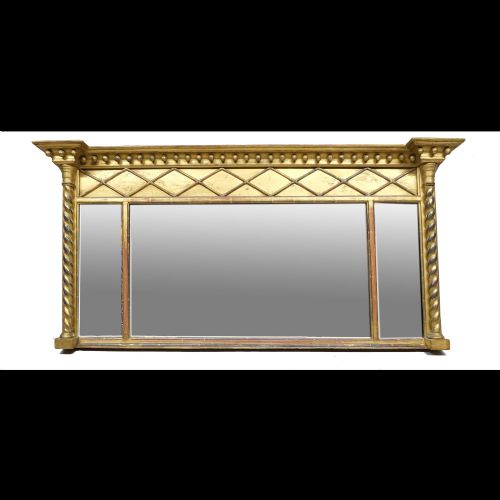
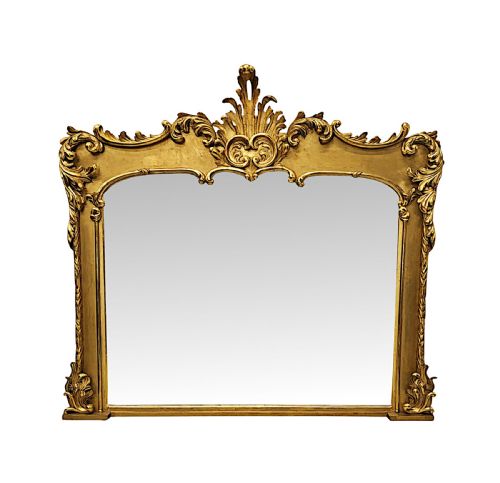
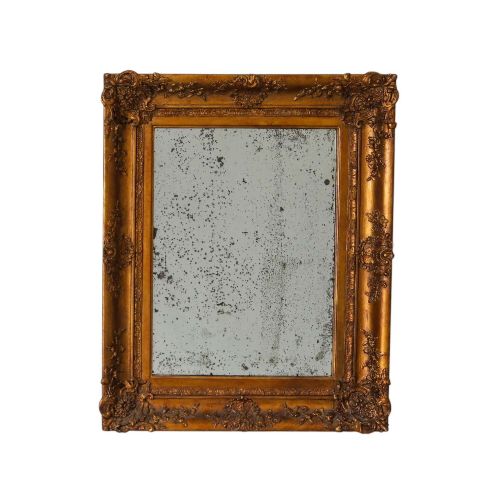
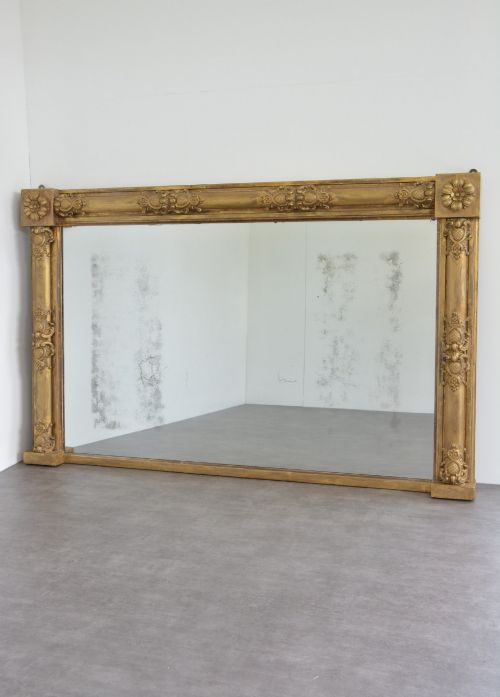
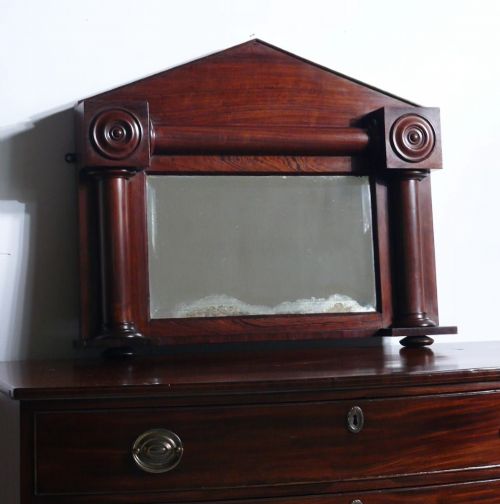
A regency mantel mirror is typically encountered as an overmantel mirror designed to sit horizontally above a fireplace. The pieces appearing here span the Regency period and the wider nineteenth century, taking the form of overmantel mirrors, wall mirrors, and pier console mirrors.
Most examples found on this page are horizontal overmantel mirrors rather than vertical wall glasses. They serve the traditional domestic purpose of anchoring the fireplace wall while bouncing natural light around the interior.
Materials and construction methods
Makers built the structural carcases using timbers such as pine and mahogany. These foundational wooden frames provided the necessary rigidity for supporting heavy glass plates.
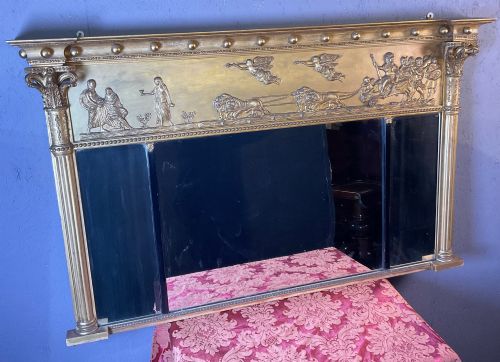
Surfaces received decorative finishes including giltwood, gesso, and composition ornamentation applied over the wood. Glass plates, sometimes divided into multiple sections or triptychs, were set into the frames alongside ebonised details.
Retail Price Guide 2026
Typical UK retail prices for regency mantel mirror, calculated from the Sellingantiques database of over a million retail prices indexed since 2003. This retail price guide relies exclusively on Sellingantiques data; no external sources or auction records are used, so the figures do not describe the wider market.
Current listings and past archives for this phrase feature giltwood, gesso, composition, pine, and mahogany across the Regency and nineteenth century.
Distinctions in craftsmanship
The division between standard examples and finer work lies in the depth of the carving and the crispness of the giltwood and composition enrichment. Stronger pieces display finely rendered neoclassical decoration and well-balanced proportions across multi-plate formats.
Glass condition also shapes the character of a mirror, with lightly foxed original plates offering a different visual weight compared to later replacements. The handling of ebonised accents and the joinery of the pine or mahogany carcase further separate routine production from exceptional workshop output.
The Regency Mantel Mirror Glossary
- Overmantel mirror
- A large horizontal mirror specifically scaled to hang on the wall directly above a fireplace mantelpiece. These pieces often feature tripartite plates to span the width of the hearth.
- Gesso
- A plaster-like material applied to wood carcases and carved or moulded to form decorative motifs before gilding. It allows for intricate surface ornament.
- Foxed glass
- Mirror glass showing spots and discoloration caused by the degradation of the silver backing over time. Light foxing is common in period pieces.
- Triptych
- A mirror plate divided vertically into three distinct sections within a single frame. This layout is typical of wider Regency overmantel designs.
- Ebonised
- Wood finished to resemble ebony through staining or painting, frequently used on Regency frames to create contrast against gilt surfaces.
Frequently Asked Questions
Where should a regency mantel mirror hang?
These mirrors belong directly above a fireplace mantelpiece, where their horizontal proportions align naturally with the hearth below. Hanging them at this traditional height allows the glass to reflect the room and draw light inward.
Ensure the wall fixings take the full weight of the wooden carcase and glass. Positioning the lower edge just above the mantel shelf creates the correct visual balance in a room.
How do I identify Regency period mirrors?
Look for construction traits typical of the early nineteenth century, including pine or mahogany carcases and composition or gesso ornamentation. Neoclassical motifs frequently appear alongside giltwood and ebonised details.
Proportions tend to be wide and low rather than tall, reflecting the architectural demands of Regency chimney breasts. Original glass often displays light foxing or subtle waviness distinct from modern float glass.
Can these mirrors go in rooms without fireplaces?
While originally built for the mantel, these horizontal mirrors work effectively on any blank wall needing width and light. Placing one above a sideboard or console table replicates the scale of a fireplace setting.
Their substantial frames and tripartite layouts give them enough presence to anchor a dining room or hallway wall independently. Just verify that the wall structure supports the combined weight of the timber and glass.