

Vintage Ornate Mirror
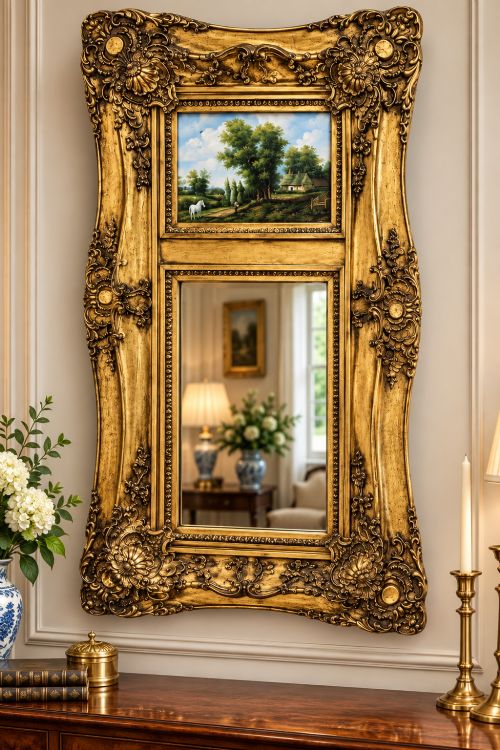
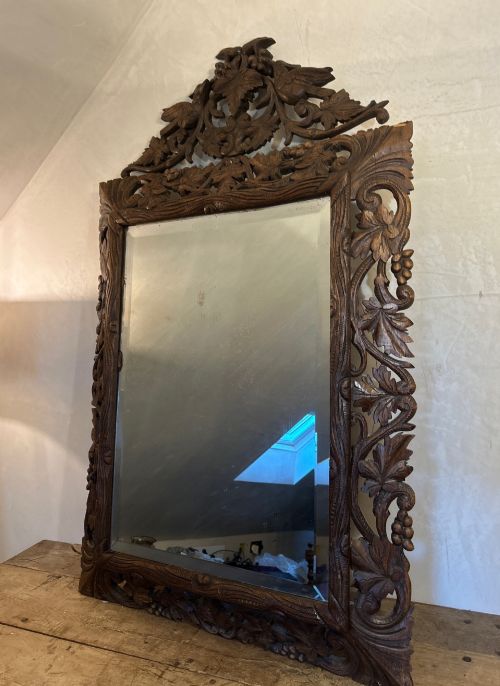
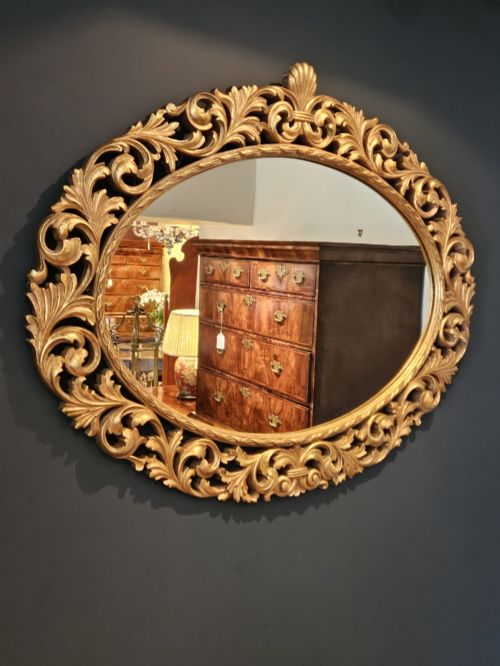
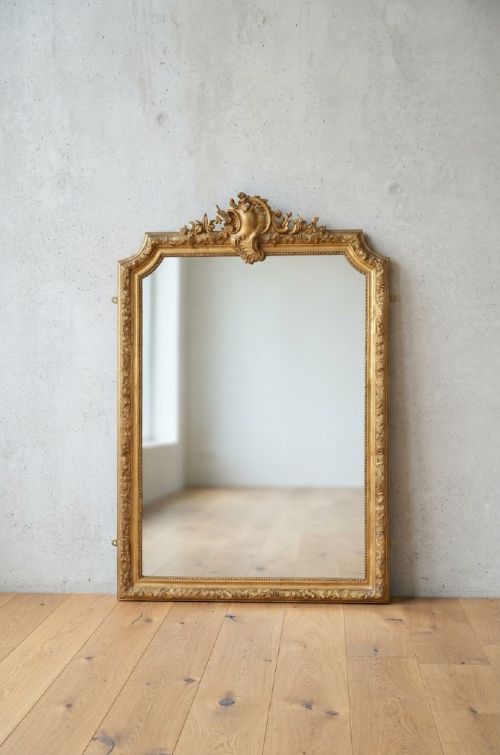
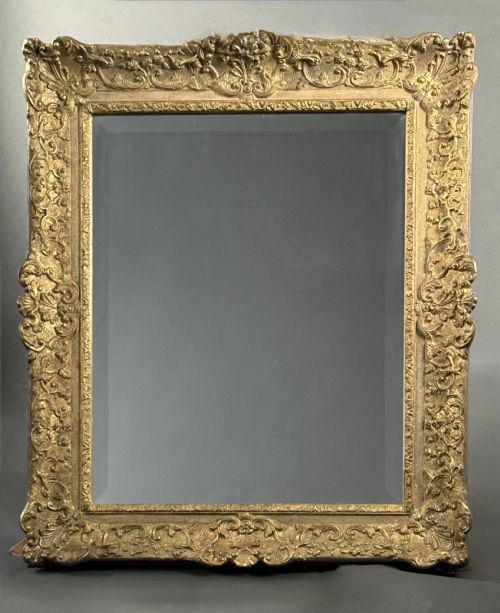
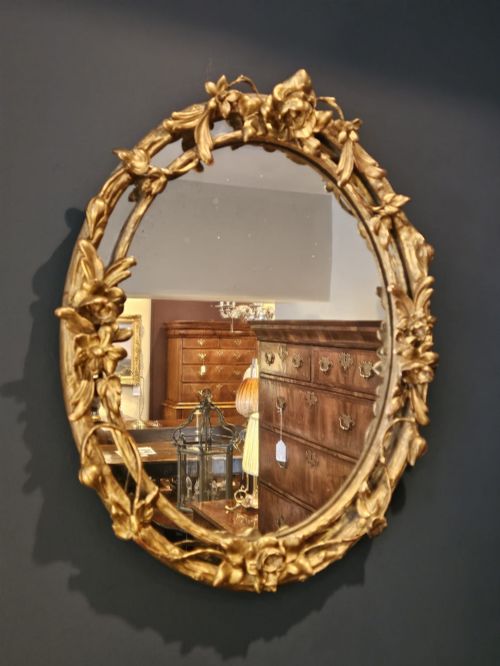
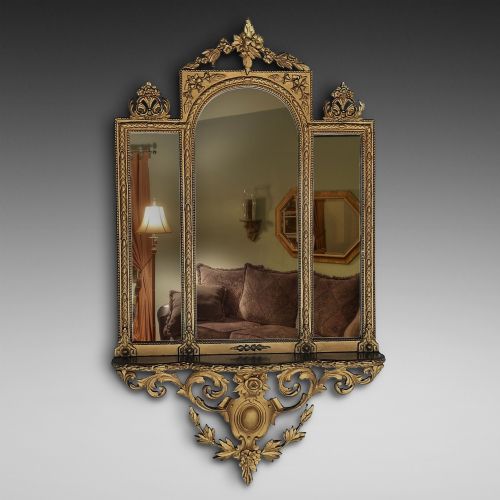
A vintage ornate mirror brings complex historical carving and reflective depth into a room, serving as a striking focal point.
Vintage Ornate Mirror
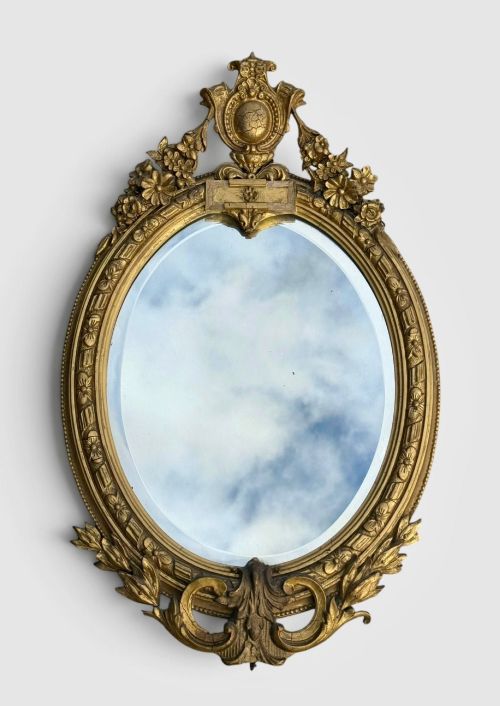
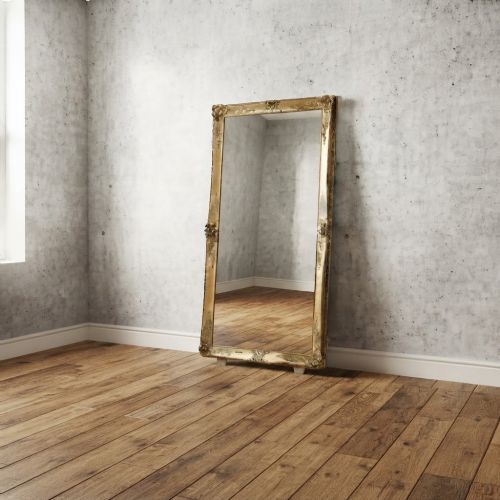
A vintage ornate mirror encompasses heavily decorated looking glasses produced across the nineteenth century and into the early twentieth century, spanning Victorian, Edwardian, and various continental revival movements. These pieces typically take the form of wall mirrors, large overmantels, and leaner mirrors designed to command attention in principal rooms.
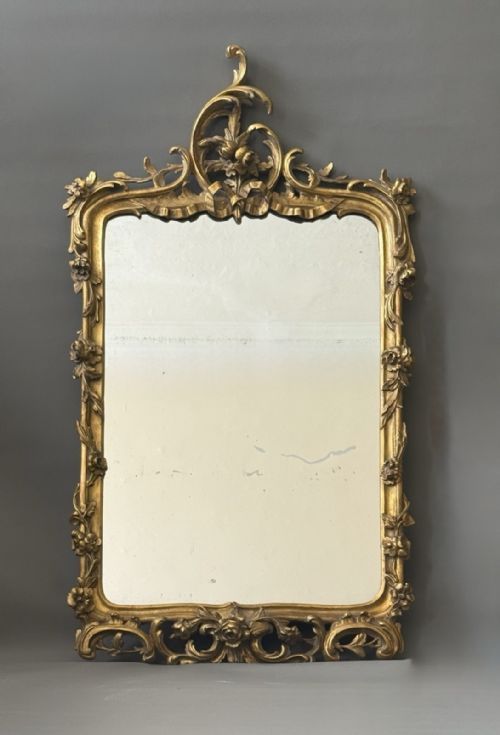
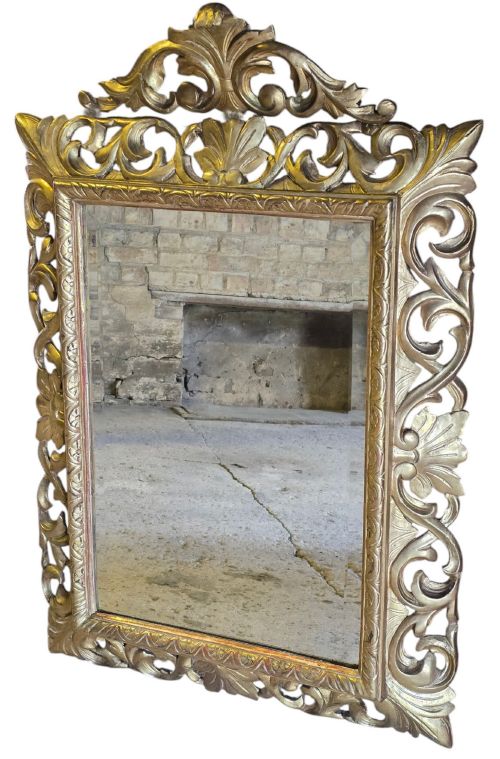
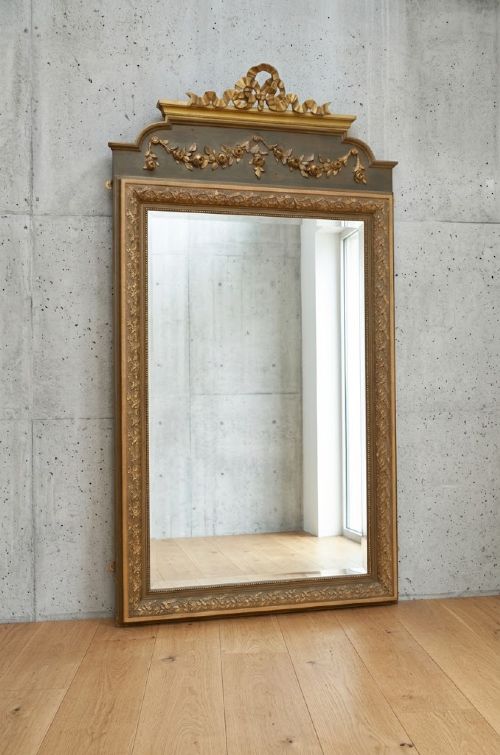
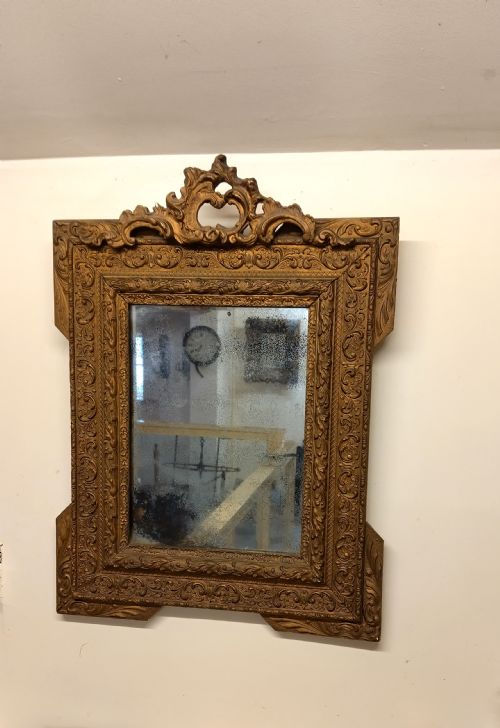
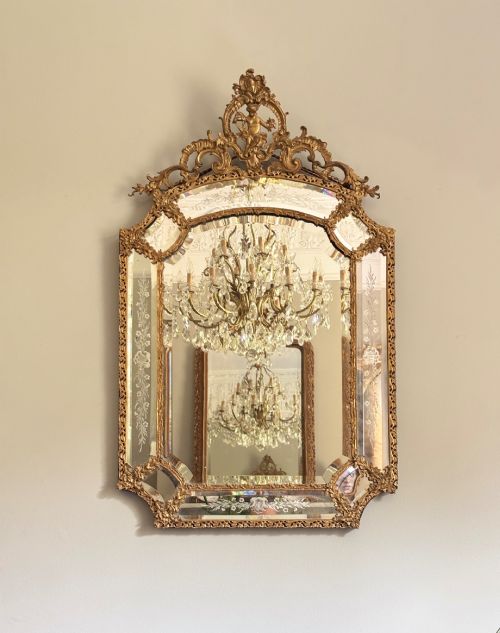
The most common examples on this page derive from French and Italian traditions, showing the influence of Rococo and Baroque styles through asymmetrical curves, scrolls, and floral motifs. Buyers frequently encounter giltwood and gesso frames shaped into elaborate cartouches, ribbon crests, and vine patterns that reflect the decorative ambition of their period.
How they were made
Makers constructed these frames using timber substrates such as oak or pine, which were then layered with gesso to build up high-relief ornamentation before applying gold leaf or liquid gilding. Carved wooden elements in giltwood or gilt-wood require precise hand tool work, while cast composition or gesso allowed workshops to replicate intricate scrollwork and floral garlands efficiently.
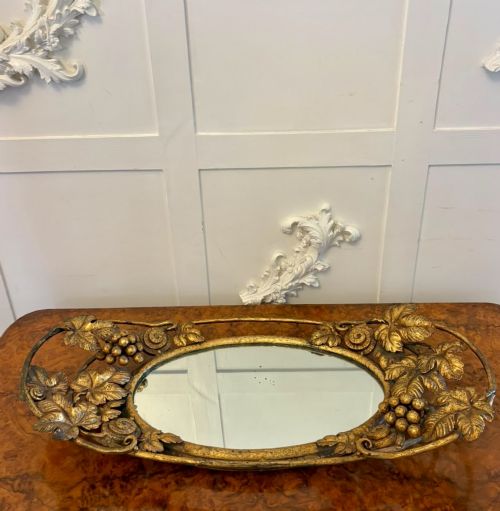
Reflective surfaces utilised traditional silvered glass or mercury plate, set within frames secured at the rear with aged wooden panels and iron fixings. Gilt bronze and solid brass components also appear on smaller table mirrors, serving trays, and dressing glasses from the late nineteenth and early twentieth centuries.
French and Italian design traditions dominate the selection, showcasing Rococo Revival curves alongside Edwardian and Victorian decorative brass and ironwork.
What varies in quality
The distinction between ordinary and exceptional pieces lies primarily in the depth and crispness of the hand-carved detail within the gesso or timber. Superior frames retain their original fire-gilding or gold leaf with minimal restoration, whereas lesser examples show heavy overpainting or obscured ornamental lines from repeated refurbishment.
The condition and authenticity of the mirror plate itself determine a significant part of the standard, with original bevelled or mercury glass displaying desirable age-related foxing and depth. High-quality frames also maintain sturdy structural joinery at the corners, ensuring the weight of the glass is supported securely without sagging.
Waring & Gillows
The Vintage Ornate Mirror Glossary
- Gesso
- A plaster-like mixture applied to wood frames as a base for moulding and gilding. This material allows artisans to carve or stamp intricate decorative motifs before applying gold leaf.
- Giltwood
- Timber that has been coated with gold leaf or gold paint. It forms the primary luminous surface for traditional decorative frames.
- Overmantel mirror
- A large horizontal looking glass designed specifically to hang above a fireplace mantelpiece. These pieces often anchor the decorative scheme of a nineteenth-century drawing room.
- Mercury plate
- An early type of mirror glass made by applying a tin and mercury amalgam to the back of the glass. This process creates a distinctive mottled reflection with deep dark spots known as foxing.
- Rococo Revival
- A nineteenth-century design movement imitating the asymmetrical, flowing scrolls and shell motifs of the French eighteenth century. It dominates the ornamentation found on many ornate mirrors.
Vintage Ornate Mirror: Frequently Asked Questions
How do I hang a heavy overmantel mirror safely?
Large overmantel mirrors carry substantial weight from their wooden frames and thick glass plates, requiring direct attachment into wall studs or masonry rather than relying on standard plaster plugs. Professional mirror hangers typically use heavy-duty steel brackets or mirror plates secured to the lower and upper frame structure.
Ensuring the wall fixings match the load capacity prevents the piece from shifting over time. It is also wise to check that the internal timber frame of the mirror remains structurally sound before mounting.
What is the difference between gesso and carved wood frames?
Carved wood frames are shaped directly from solid timber using chisels and gouges, resulting in sharp, unique details where the grain of the wood remains visible underneath the surface finish. Gesso frames utilise a chalk and glue mixture applied over a wooden base, which is then moulded or stamped to achieve symmetrical, highly repetitive floral and scroll decorations.
Many nineteenth-century pieces combine both techniques, using a solid timber substructure overlaid with thick gesso to achieve deep relief ornamentation that would be difficult to carve directly.
How should I clean an antique gilt frame?
Cleaning antique gilt frames requires a gentle approach to avoid wearing away delicate layers of gold leaf or flaking the underlying gesso. A soft, dry artist brush or ostrich feather duster removes surface dust from intricate crevices without introducing moisture that could damage the nineteenth-century finish.
Chemical cleaners and wet cloths must be kept away from the gilded surface entirely, as they dissolve historical finishes. If the glass plate requires cleaning, apply glass spray directly to a cloth rather than the mirror to prevent liquid from seeping behind the frame.
How do I date an ornate Victorian mirror?
Dating these mirrors involves examining the construction of the wooden backing boards, the type of screws or nails used, and the characteristics of the glass plate. Victorian pieces frequently feature dark painted pine backs secured with hand-cut or early machine-made iron screws, alongside heavy gesso ornamentation influenced by Rococo revival tastes.
The style of the crest and the depth of the rebate holding the glass also offer chronological clues. Comparing the frame's construction methods with documented Victorian cabinet-making standards helps confirm the period.