

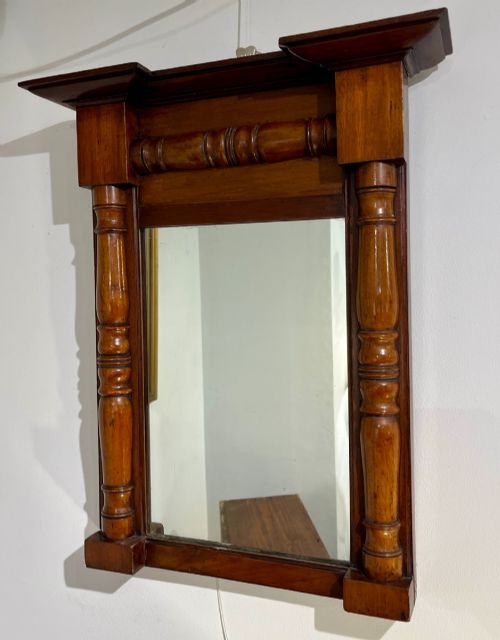
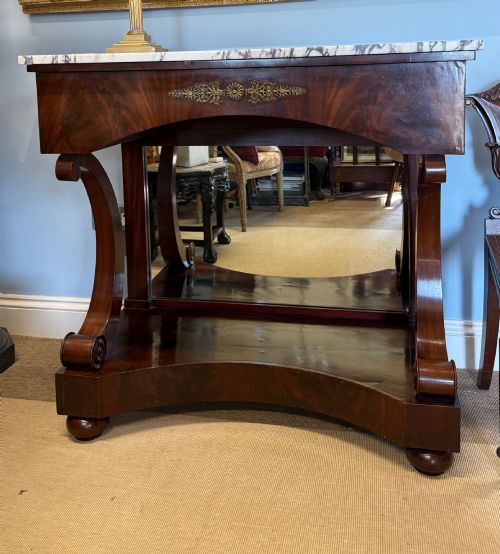

Hallway Pier Mirror
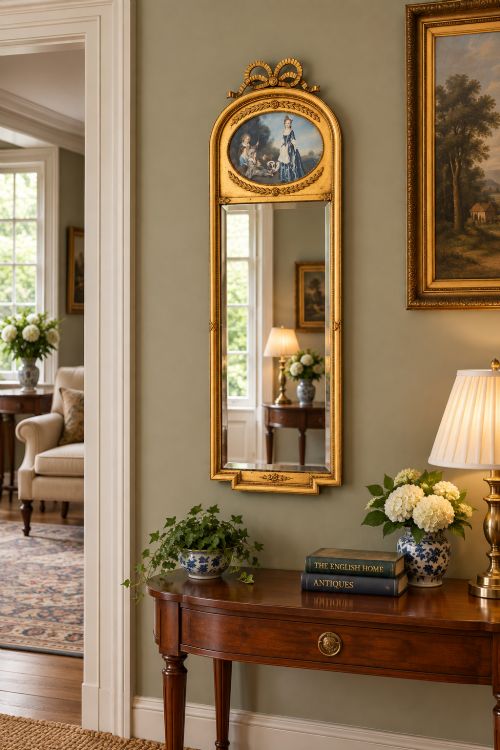
A hallway pier mirror brings light and presence to a narrow entrance, combining a vertical glass plate with timber frames or matching console tables.
Hallway Pier Mirror
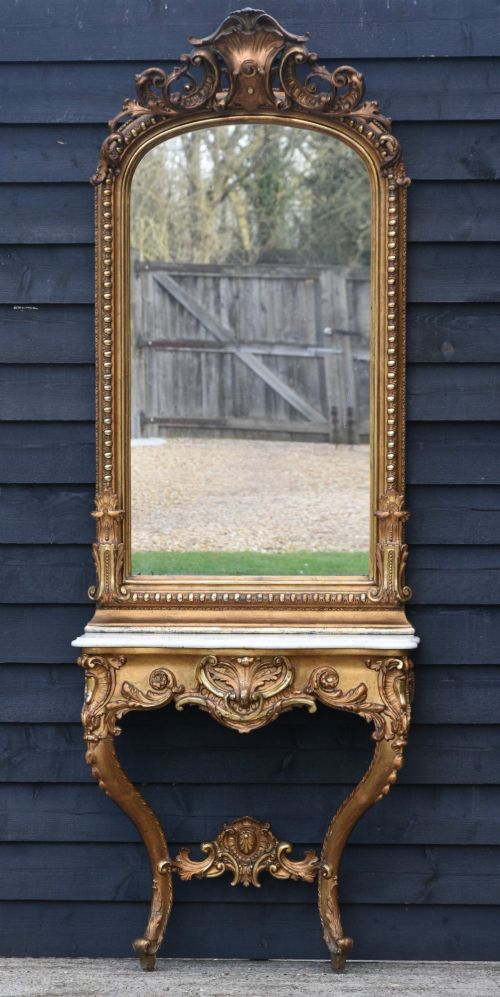
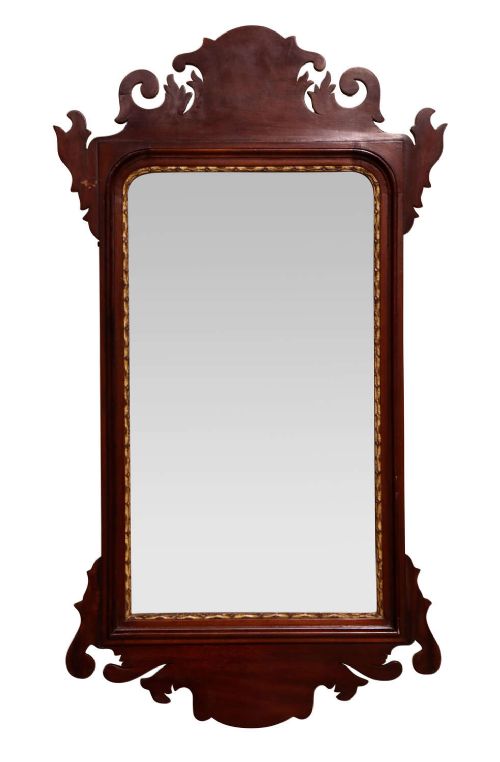
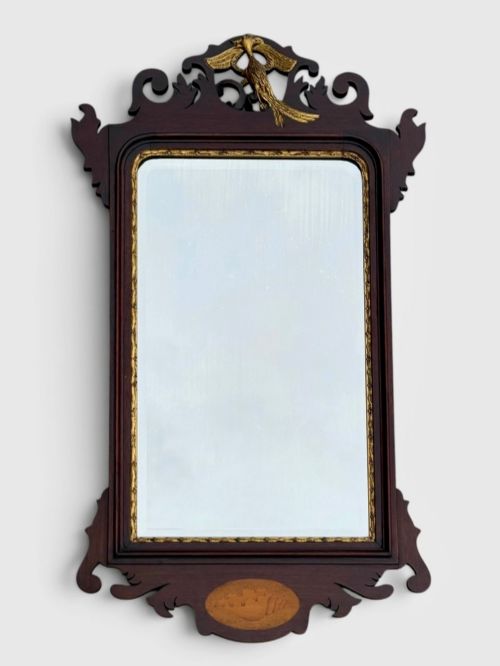
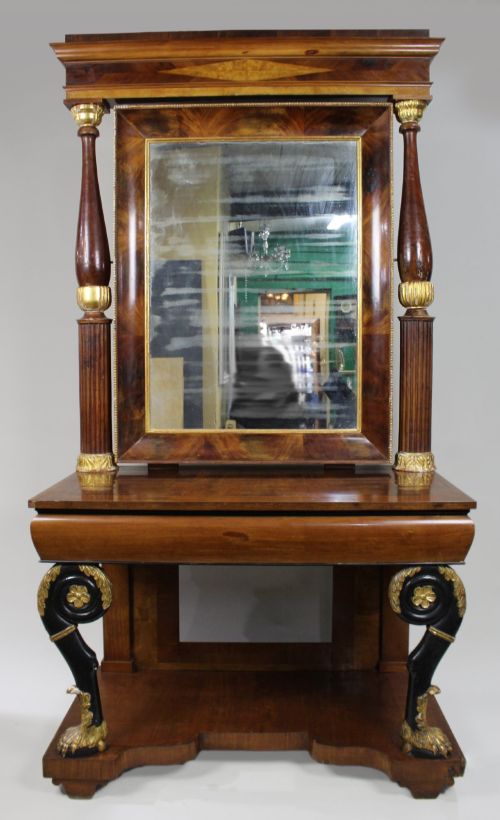
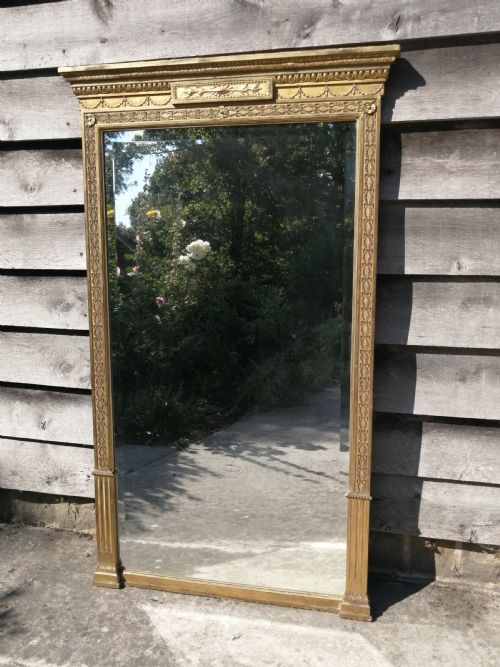
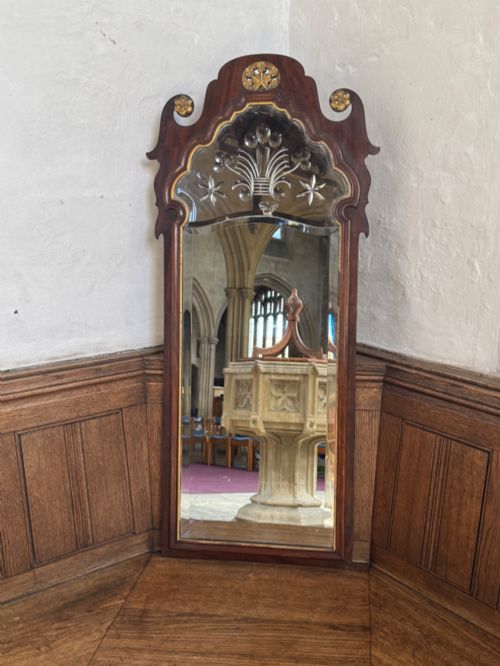
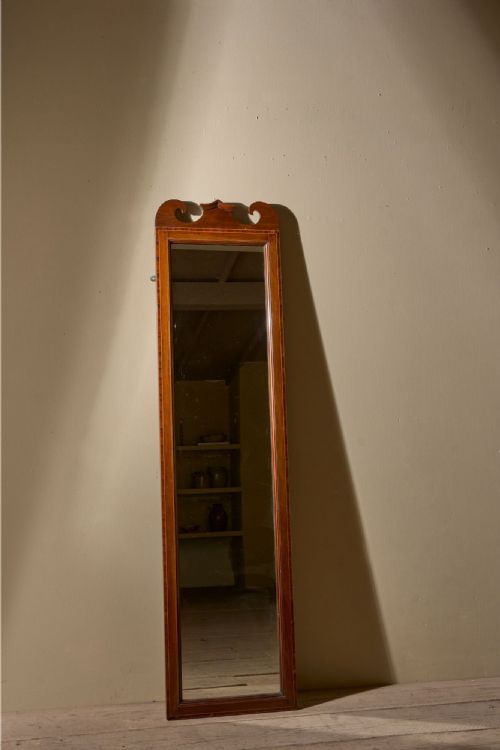
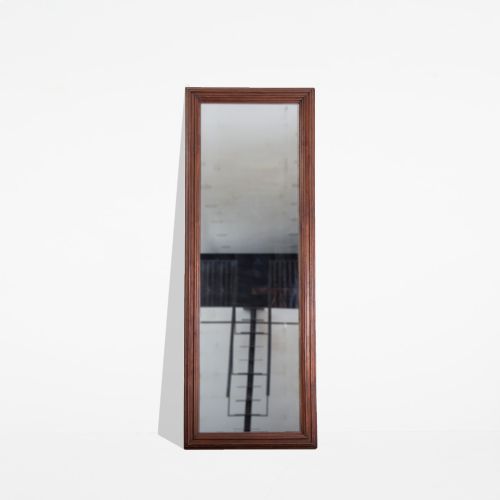
When searching for a hallway pier mirror, buyers encounter tall vertical glasses designed to hang between windows or above console tables in entrance spaces. The items seen on this page span the 18th, 19th, and early 20th centuries, taking the form of standalone wall mirrors, console table combinations, and pier glasses.
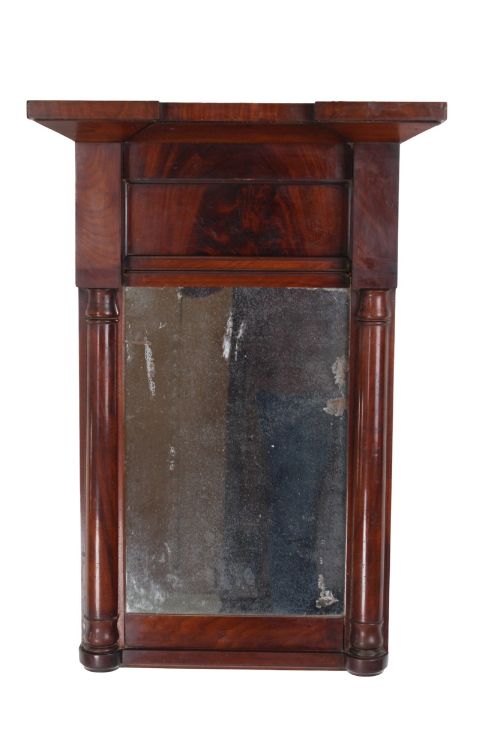
The most common versions met here date from the 19th century and the Victorian era, executed in mahogany, walnut, or giltwood. Many incorporate architectural proportions intended to maximise interior light while anchoring the furniture layout of a hall or landing.
How they were made
Frames rely on solid timbers such as mahogany, walnut, and rosewood, frequently shaped with fretwork, carved details, or parcel gilding. Giltwood and gesso constructions employ layered preparation techniques over wood bases to create ornate decorative surfaces.
Mirror plates include original silvered glass, reverse cut plates, and panelled configurations set securely into rebated frames. Combination pieces pair these mirrors with marble-top console tables or fitted side cabinets.
Hallway Pier Mirror Retail Price Guide 2026
Typical asking prices for hallway pier mirror among the pieces listed under this phrase on Sellingantiques today, from the lower quarter to the upper quarter. They describe what is for sale here now, not the wider market.
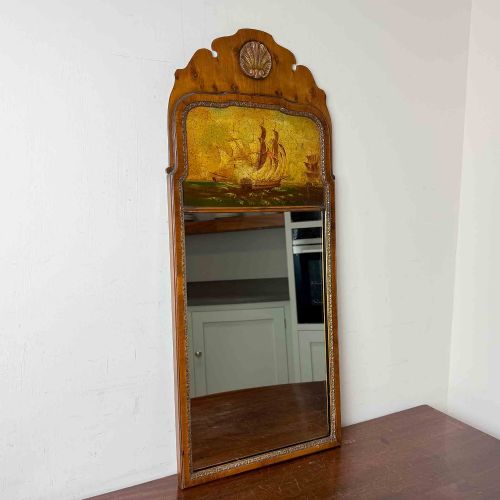
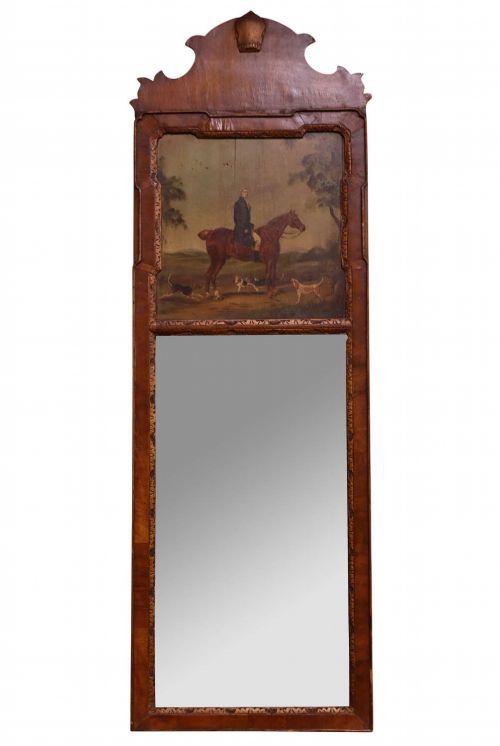
Several mirrors include painted maritime scenes or equestrian oil paintings set directly into the upper wooden panels.
What varies in quality
The standard of carving and the crispness of gesso ornamentation define the upper tiers of these pieces, distinguishing hand-shaped relief work from softer, mass-produced moulding. Original mirror glass plates with authentic foxing or reverse cut details carry greater integrity than later replacements.
Structural cohesion between matching console tables and their corresponding mirror frames indicates higher workshop competency. The choice of figured wood veneers, such as richly grained mahogany or walnut, further separates standard examples from exceptional ones.
The Hallway Pier Mirror Glossary
- Pier glass
- A tall mirror specifically sized to fit the wall space between windows, often reflecting natural light into darker hallways.
- Gesso
- A plaster-like mixture applied to wood frames and carved or moulded into ornate decorative relief before gilding.
- Console table
- A table designed to stand against a wall, frequently paired directly beneath a pier mirror or integrated into the frame structure.
- Parcel gilt
- A finishing technique where select portions of a wood or gesso frame are highlighted with gold leaf while the underlying timber remains visible.
- Reverse cut plate
- Glass decorated with engraved designs viewed through the front surface, adding depth and shadow to the reflective plane.
Hallway Pier Mirror: Frequently Asked Questions
Where should I hang a pier mirror?
These mirrors suit narrow entrance halls, landings, or spaces between tall windows where vertical proportions balance room architecture.
They function best when positioned above a low console table or side cabinet to anchor the arrangement visually.
Are console tables attached to the mirrors?
Some period configurations link the mirror frame directly to a matching console table, while others comprise separate wall-hung glasses placed above freestanding tables.
Both formats appear frequently in traditional entrance settings.
How do I identify a 19th-century pier mirror?
Nineteenth-century examples typically feature heavier timber framing, such as mahogany or walnut, alongside traditional giltwood and gesso decoration.
Examination of the timber construction, joinery methods, and mirror plate characteristics helps indicate the manufacturing era.
Can these mirrors be cleaned safely?
Glass surfaces require gentle cleaning with standard glass cleaner applied to a cloth rather than sprayed directly onto the frame.
Timber and giltwood sections need only dusting with a dry, soft brush to protect fragile surface finishes.