


Pair French Wall Mirrors
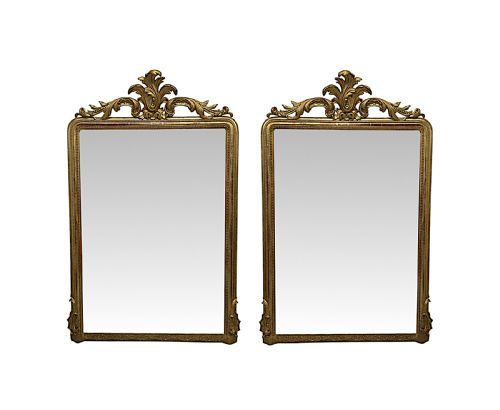
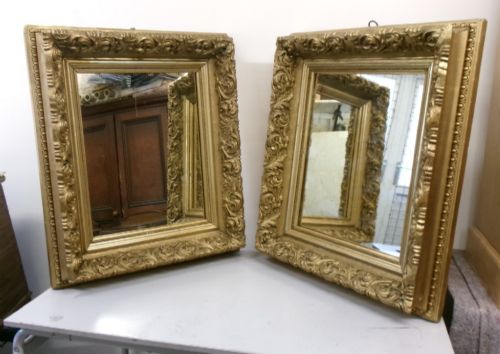
When you search for pair french wall mirrors, you are looking for matched decorative looking glasses designed to hang symmetrically in a room.
Pair French Wall Mirrors
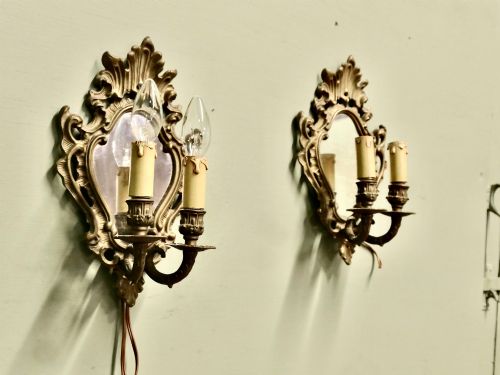
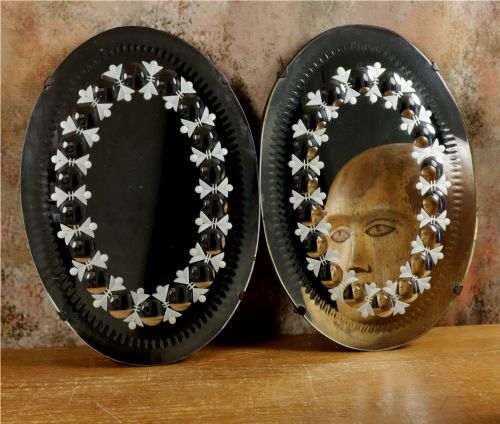
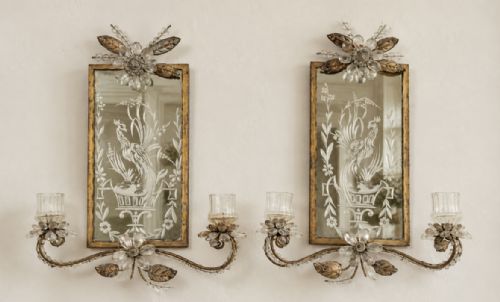
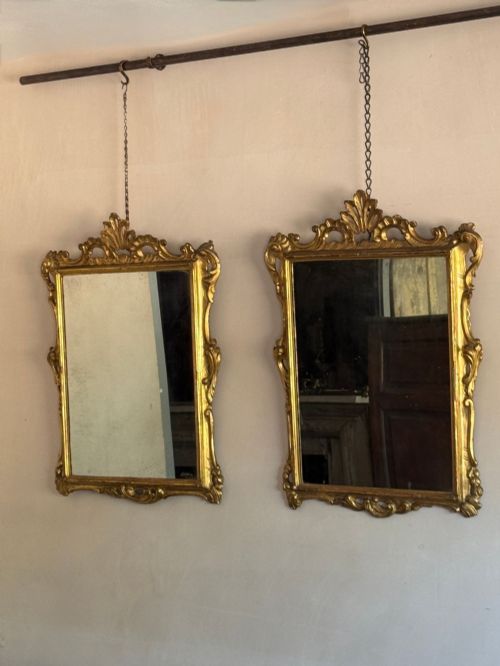
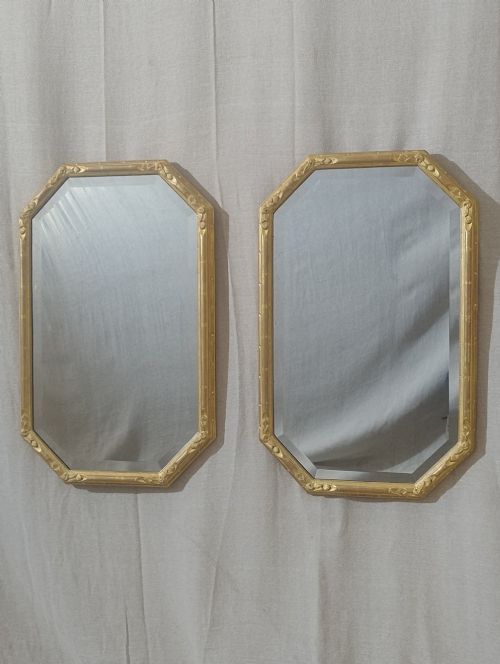
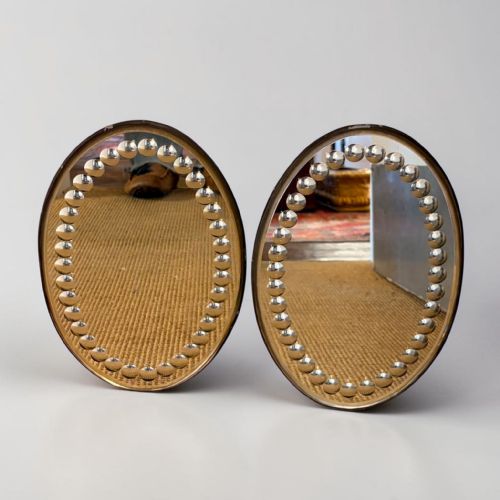
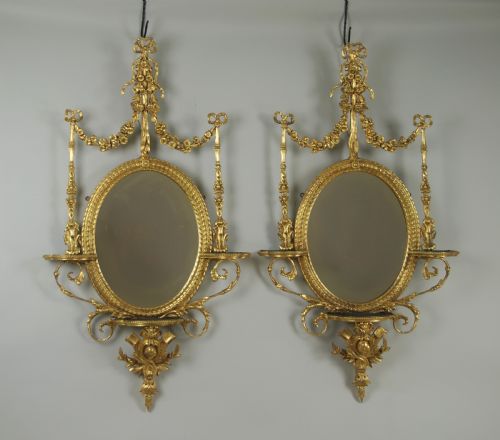
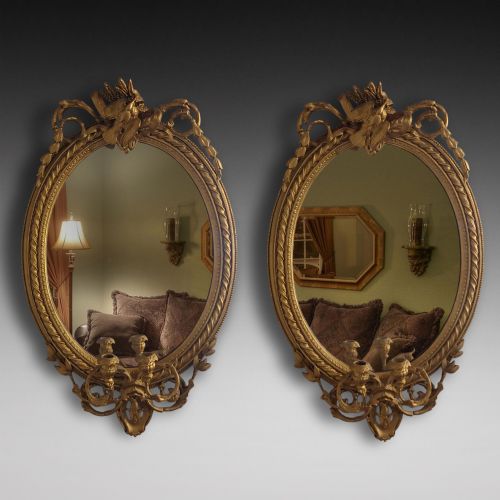
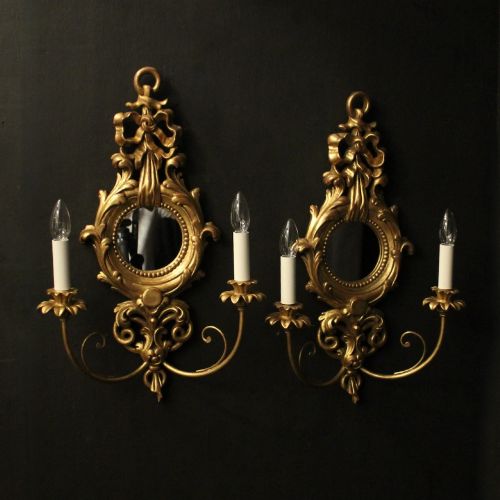
These items comprise matched sets of decorative looking glasses designed for symmetrical placement on either side of a fireplace, window, or piece of furniture. When you search for pair french wall mirrors, you encounter forms ranging from simple oval frames to elaborate sconces and girandoles fitted with candle arms.
The options most commonly found on this page date predominantly from the nineteenth century, encompassing styles such as Rococo Revival, Neoclassical, and Empire. Many incorporate display brackets, shelves, or mirrored sconce backs designed to catch and reflect candlelight.
Originating from French design traditions, these pieces utilise proportion and balance to create a sense of symmetry in a room. Buyers select them to anchor a wall space, enhance natural light through mirrored glass, and introduce period character.
How they were made
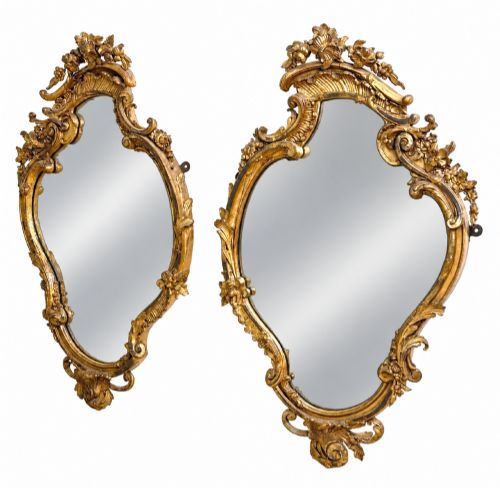
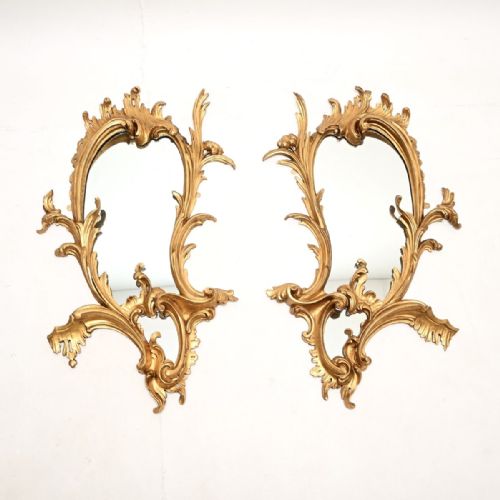
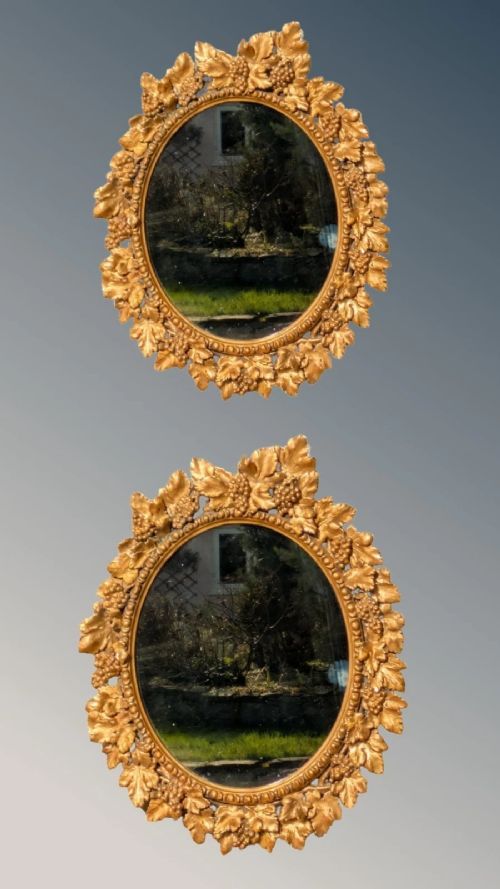
Traditional makers carved wooden frames from timber such as oak, walnut, or softwoods, applying layers of gesso to create a smooth surface for gilding or painting. Artisans used gold leaf or water gilding techniques to achieve a bright metallic finish that aged with characteristic craquelure.
Metal components, including brass, bronze, and gilt metal, were cast and chased to form decorative mounts, candle arms, and frames. Mirror glass was silvered and cut to fit oval, rectangular, or arched frames, often showing the subtle imperfections of older manufacturing methods.
Pair French Wall Mirrors Retail Price Guide 2026
Typical asking prices for pair french wall mirrors among the pieces listed under this phrase on Sellingantiques today, from the lower quarter to the upper quarter. They describe what is for sale here now, not the wider market.
Listings feature 19th Century, Victorian, and Edwardian periods, utilising materials such as giltwood, gesso, brass, and glass.
What varies in quality
The depth and crispness of the hand-carved ornament distinguish finer examples from mass-produced or simpler items. Pierced woodwork, undercut foliage, and sharply defined motifs indicate skilled craftsmanship.
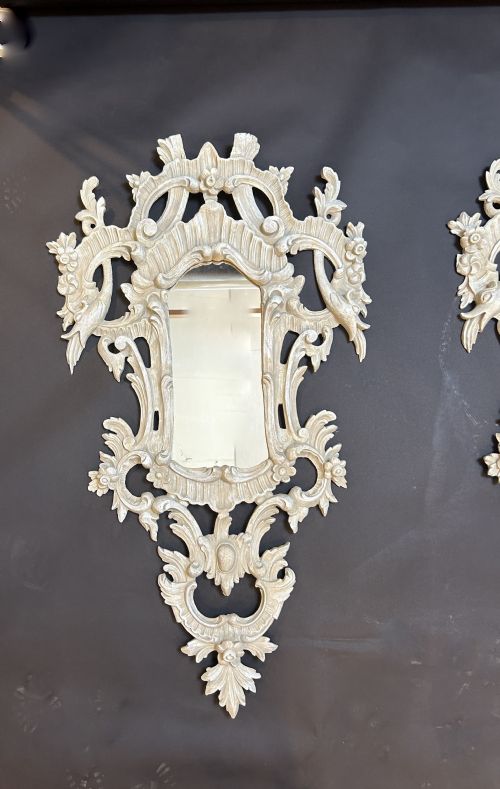
The integrity of the original surface finish, whether water gilding, parcel gilt, or painted cream, dictates the desirability of a pair. Intact original mirror plates with natural foxing hold greater appeal than modern replacement glass.
The Pair French Wall Mirrors Glossary
- Girandole
- A wall mirror equipped with one or more branches or arms for holding candles. These lighting fixtures multiplied the illumination in a room by reflecting the candlelight.
- Gesso
- A plaster-like mixture applied to wooden frames as a base for gilding or painting. It allowed carvers to achieve smooth contours and sharp decorative details.
- Pier Mirror
- A tall looking glass designed to hang on the narrow section of wall between two windows. They often sat above matching console tables or display brackets.
- Water Gilding
- A traditional technique applying gold leaf over wet gesso and bole. The resulting finish could be burnished to a high shine.
- Parcel Gilt
- A decorative treatment where only specific carved highlights of a painted or stained wooden surface are gilded. This created contrast between the exposed wood and the gold leaf.
Pair French Wall Mirrors: Frequently Asked Questions
How do I hang heavy wall mirrors safely?
Heavy antique mirrors require robust fixings suited to the construction of your wall, such as masonry anchors or wall studs. Professional installation is recommended to support the substantial weight of carved wooden frames and glass plates.
Ensure the hanging wire or brackets on the back of the frame are inspected for strength before mounting. Distribute the weight evenly across two suspension points rather than a single central hook.
Can I place these mirrors in a bathroom?
Bathrooms experience high humidity and moisture fluctuations that can damage antique gesso, wood, and the silvered backing of old mirror glass. Placing them in dry living areas, hallways, or bedrooms helps preserve their historic materials.
If positioned near a sink or bath, steam can accelerate the degradation of the original mirror plate and cause the gilt finish to flake. Ambient room conditions maintain the longevity of nineteenth-century frames.
How do I clean antique mirror glass?
Clean antique mirror glass gently using a soft, dry microfibre cloth to remove dust without scratching the surface. Avoid harsh chemical sprays or abrasive cleaners that can seep behind the frame and damage the fragile silvering.
If moisture is necessary, apply a small amount of distilled water or mild glass cleaner directly to the cloth rather than the glass. Wiping lightly prevents liquid from pooling at the edges where the silver backing is exposed.
What is the difference between a sconce and a girandole?
A wall sconce refers broadly to any decorative bracket fixed to a wall for holding candles or lights, often featuring a mirrored backplate. The term encompasses various candle-holding formats from the period.
A girandole specifically denotes a mirror equipped with attached candle branches designed to reflect the flame. Both forms served a dual purpose of illumination and decoration in nineteenth-century interiors.