

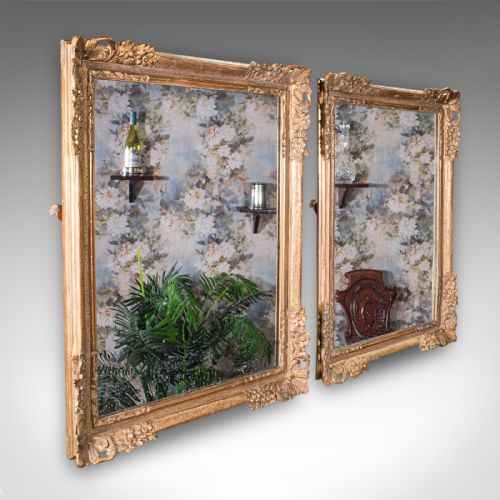
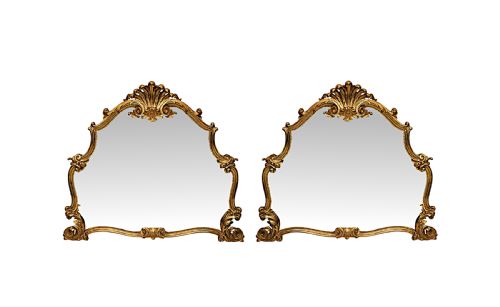
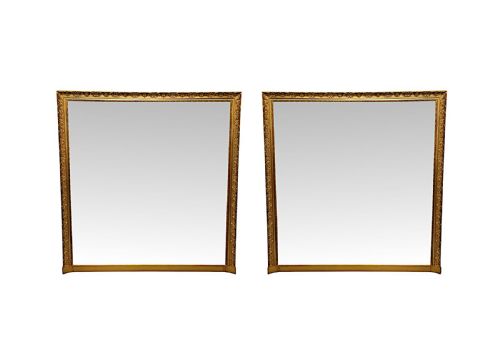
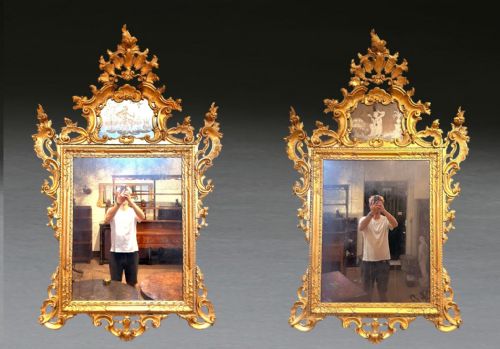

Gilt Framed Mirror Pair
When you search for a gilt framed mirror pair, you uncover matching looking glasses designed to balance a room.
Gilt Framed Mirror Pair
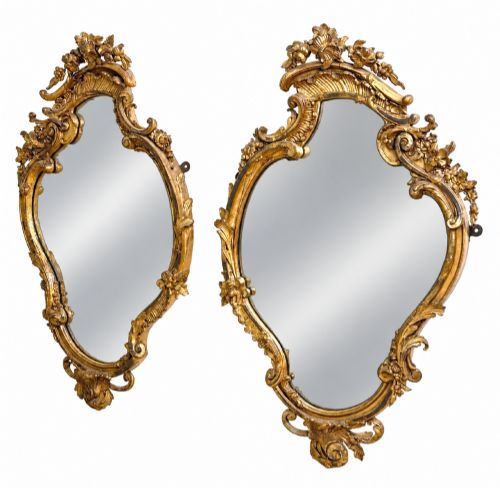
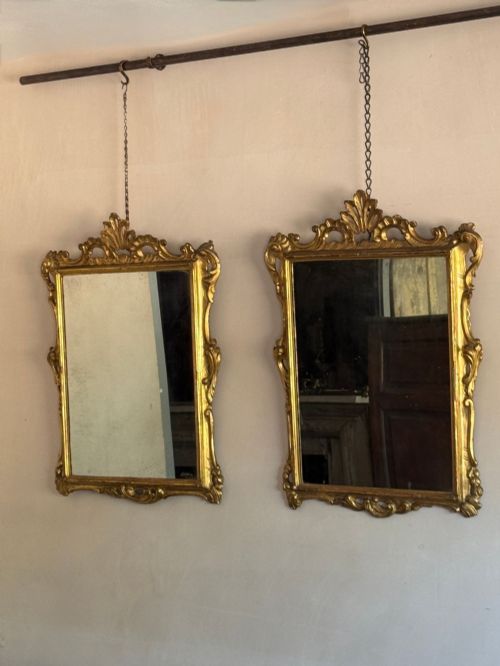
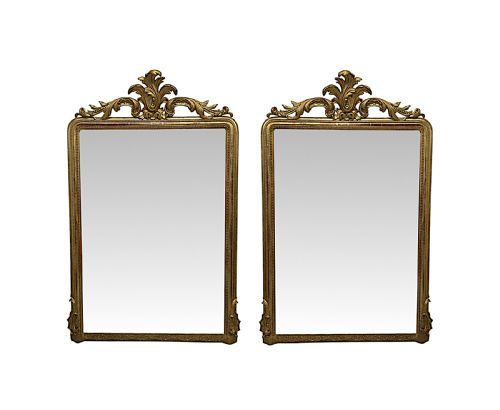
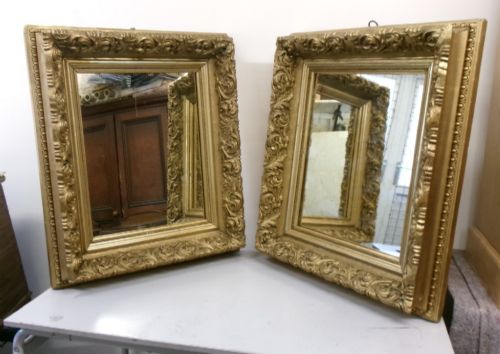
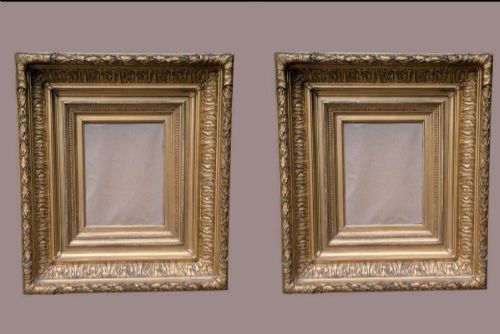
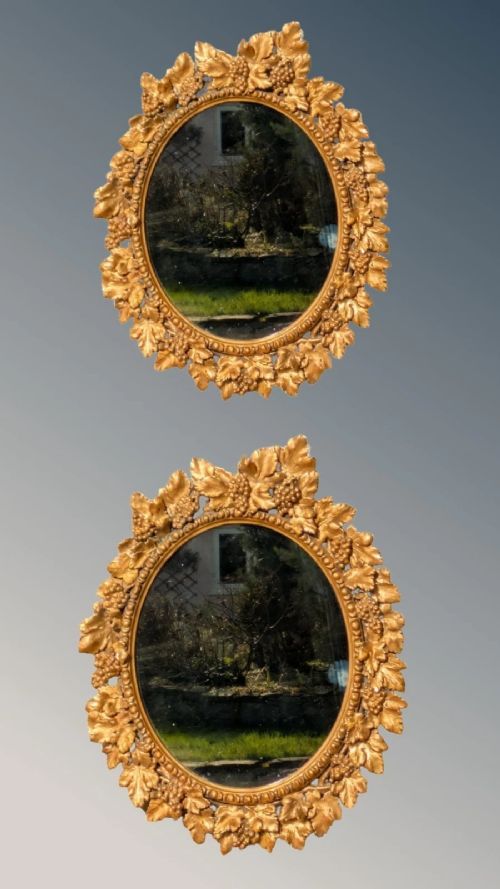
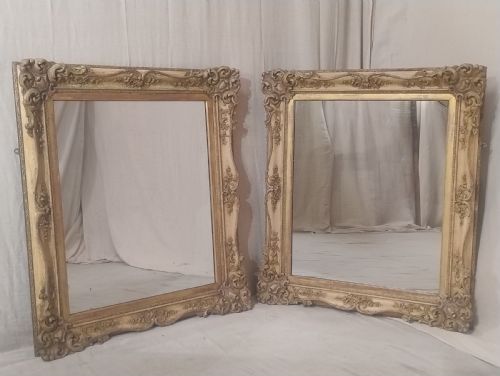
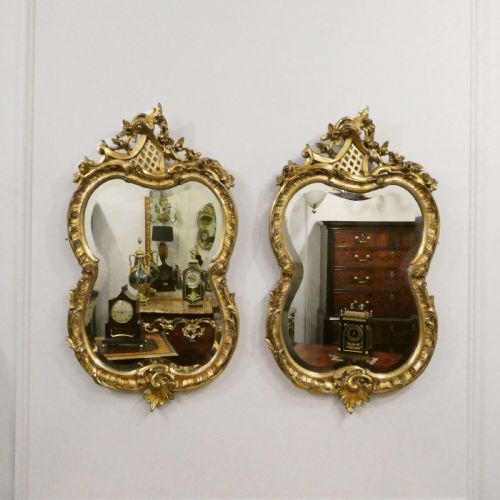
A gilt framed mirror pair consists of twin looking glasses sharing identical decorative borders, proportions, and gold-toned finishes designed to hang symmetrically in a room. Such objects function practically for reflection while serving a strong architectural purpose by bouncing light across opposing walls or flanking mantelpieces. These matching items appear frequently from nineteenth-century English and continental makers, spanning various formats from small ovals to grand overmantels.
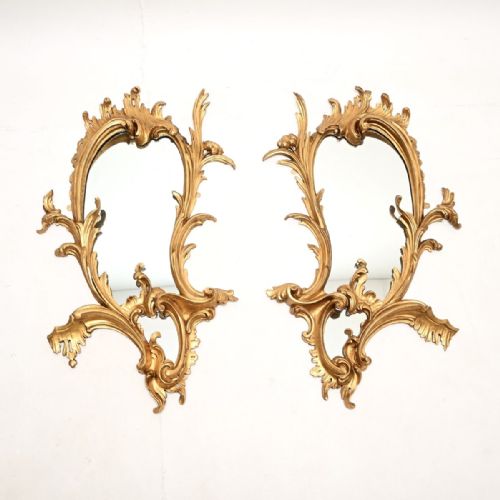
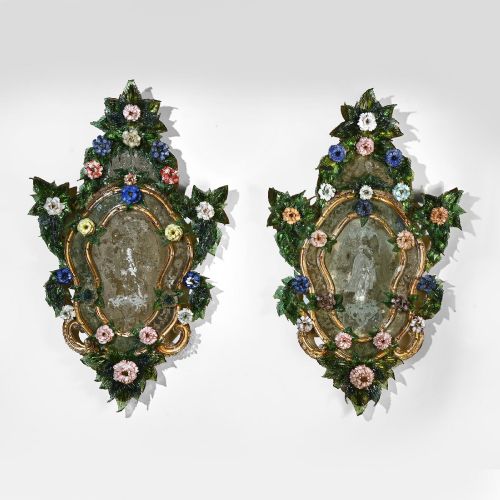
The varieties encountered span diverse regional interpretations including Italian Rococo girandoles, French chateau wall mirrors, and English Victorian pier glasses. Collectors select these matched sets to anchor formal drawing rooms, dining spaces, or grand hallways where symmetry dictates the interior scheme. Surviving examples demonstrate how period interior designers utilised twin reflective surfaces to amplify natural daylight before the widespread availability of electric lighting.
The forms encompass simple oval frames, elaborate carved wood pier mirrors, and circular convex plates set within heavy decorative surrounds. Each pair reveals the aesthetic priorities of its era, shifting from restrained eighteenth-century neoclassical lines to exuberant Victorian revivalism and early twentieth-century interpretations. Finding a true pair that has remained together through successive generations remains the primary goal for discerning interior decorators.
Quality factors in matching sets
The crispness and depth of the hand-carved relief work separate superior pieces from mass-produced commercial alternatives of the period. Skilled carvers executed undercut foliage and balanced scrolls that catch the light evenly across both matching frames. Lower-quality examples rely on thick composition mouldings that blur fine details and lose definition around complex curves.
The originality of the reflective glass plate and the matching nature of the pair influence the overall integrity of the set. Original mirror plates often exhibit desirable foxing, slight distortions, and depth that modern replacement glass cannot replicate. Furthermore, true pairs retain identical dimensions, matching foxing patterns, and corresponding backboards indicating they were conceived and built together.
The condition and application of the original gilding layer determine the aesthetic success of the matching pieces. Superior surfaces display subtle burnishing variations and honest wear that reveal the red or yellow bole beneath the gold leaf. Poor restorations, heavy overpainting, or clumsy regilding obscure the underlying handwork and disrupt the visual harmony between the two mirrors.
Gilt Framed Mirror Pair Retail Price Guide 2026
Typical asking prices for gilt framed mirror pair among the pieces listed under this phrase on Sellingantiques today, from the lower quarter to the upper quarter. They describe what is for sale here now, not the wider market.
Listings feature Victorian, Edwardian, and eighteenth-century pieces constructed from giltwood, gesso, and original mirror glass.
The Gilt Framed Mirror Pair Glossary
- Giltwood
- Wood that has been coated with gold leaf or gold paint. This material forms the primary aesthetic and structural surface for the majority of formal antique wall mirrors.
- Gesso
- A plaster-like mixture applied to wood frames to create a smooth surface for gilding. Artisans carved intricate details directly into this hardened layer before applying gold leaf.
- Pier glass
- A tall, narrow mirror designed to hang on the wall space between two windows. These pieces often feature matching console tables placed directly beneath them.
- Girandole
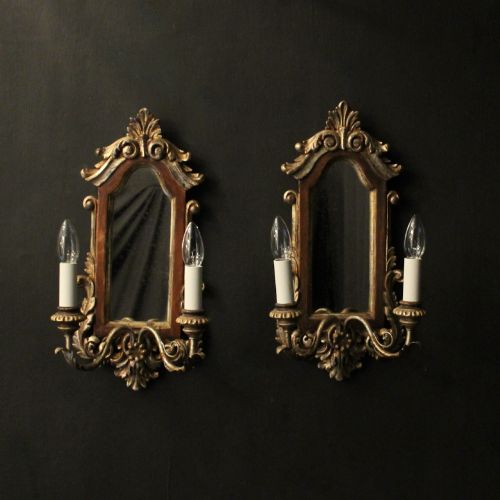
- A decorative wall mirror featuring attached candle sconces or arms. The reflective glass amplifies the candlelight within the room.
- Overmantel mirror
- A wide mirror specifically proportioned to hang above a fireplace mantelpiece. They frequently incorporate landscape formats and elaborate architectural pediments.
- Foxing
- Age-related brown spots and speckles that develop within the silvering of antique mirror glass. This natural oxidation process confirms the age of the original plate.
Gilt Framed Mirror Pair: Frequently Asked Questions
Why are matching pairs harder to find?
Matching pairs face a high risk of separation over centuries as houses are redecorated, divided, or inherited by different family members. One mirror might be moved to another property, damaged beyond repair, or sold independently, leaving the surviving half isolated.
When two mirrors do survive together, they offer exceptional symmetry for interior design schemes that single pieces cannot achieve. This scarcity drives strong collector interest for genuine matched sets originating from the same workshop.
How should I clean antique gilt frames?
Cleaning antique gilt surfaces requires extremely gentle dusting with a soft, dry brush to remove surface particles without disturbing the delicate gold leaf. Avoid all commercial cleaning sprays, wet cloths, or abrasive materials that can strip away the historical finish.
Water and chemical solvents react badly with traditional gesso and water-gilded layers, leading to permanent flaking. If deeper cleaning is necessary, consult a professional conservator specialising in historic gilded surfaces.
Can I replace a cracked mirror plate?
Replacing a damaged mirror plate is technically possible, but original antique glass carries significant historical value and desirable foxing patina. Swapping out the glass for a modern substitute can diminish the authentic appearance and period character of the piece.
Collectors generally prefer to preserve original glass whenever possible, even with minor blemishes or age spots. If replacement is unavoidable due to breakage, sourcing period-appropriate salvaged glass helps maintain the visual integrity of the frame.